
Auto Insurance in Tennessee: Rates, Requirements & How to Save
You’re shopping for auto insurance in Tennessee and the numbers seem all over the place. Is your quote normal? What coverage do you actually need to be legal—and protected? Here’s the clear, no-spin version of what matters in Tennessee so you can choose confidently and avoid overpaying.
Note: Rates and rules change. The information below is general and not legal advice. For coverage decisions tailored to you, speak with a licensed agent.
Tennessee auto insurance requirements and minimum coverage
Tennessee is an at-fault state, which means the driver who causes a crash is generally responsible for paying for injuries and damages. To drive legally, you must carry at least the state minimum liability coverage:
- Bodily injury liability: typically $25,000 per person and $50,000 per accident (often shown as 25/50)
- Property damage liability: typically $25,000 per accident (the last number in 25/50/25)
What this means in plain English:
- Liability coverage pays other people if you cause a crash. It does not repair your car.
- The numbers are caps. If damages exceed your limits, you pay the difference out of pocket.
Other key points in Tennessee:
- Uninsured/underinsured motorist (UM/UIM): Insurers must offer it, and you can reject it in writing. UM/UIM helps if you’re hit by a driver with little or no insurance. Given the number of uninsured drivers in many areas, this is worth strong consideration.
- Collision coverage: Optional. Pays to repair/replace your car after a crash, regardless of fault, minus your deductible (the amount you pay out of pocket before insurance kicks in).
- Comprehensive coverage: Optional. Covers non-crash damage—think theft, hail, deer hits, vandalism—minus your deductible.
- Medical payments (MedPay): Optional. Helps pay medical bills for you and your passengers regardless of fault.
- Proof of insurance: Tennessee typically accepts electronic proof of insurance on your phone during a traffic stop.
If you want a refresher on what each coverage does, see our plain-English breakdown in Understanding Auto Insurance Coverage Types (/auto-insurance/understanding-auto-insurance-coverage-types).
Financial responsibility alternatives: Tennessee law allows certain alternatives to a standard auto policy (for example, qualified self-insurance or a surety bond/cash deposit). These are uncommon for individual drivers and come with strict requirements.
Penalties for driving uninsured can include fines, license/registration issues, and an SR‑22 filing requirement (a form your insurer files to prove you’re carrying the state-required coverage) to reinstate driving privileges.
Average car insurance rates in Tennessee by age, vehicle, and driving record
Let’s set expectations. Actual prices vary widely by driver profile, location, vehicle, insurance score (a credit-based measure that some states allow), and your chosen coverages. But here’s what Tennessee drivers typically see in 2024–2025:
- Minimum liability policies: common ranges around $500–$900 per year for many clean-record drivers.
- Full coverage (liability plus collision/comprehensive): often $1,600–$2,400 per year for a clean-record, middle-aged driver with average deductibles.
By age (clean record, average vehicle, full coverage):
- Teens (16–19): $3,500–$6,000+/year. Adding a teen to a family policy can reduce the sting versus a solo policy.
- Early 20s: $2,200–$3,200/year.
- 30s–50s: $1,400–$2,000/year.
- 60s–70s: $1,500–$2,200/year, with some increases returning in later years.
By vehicle type (clean record, full coverage):
- Older economy sedan (paid off): often $1,200–$1,800/year.
- New compact SUV or midsize sedan: often $1,600–$2,400/year.
- Pickup trucks and large SUVs: frequently higher due to repair costs and loss trends.
- Sports or luxury cars: much higher due to performance, repair costs, and theft risk.
By driving record (clean vs. incidents):
- One speeding ticket: often +15% to +30% at next renewal.
- At-fault property damage accident: often +30% to +50% (or more) depending on severity.
- DUI: can more than double your rate, plus possible SR‑22 requirement for several years.
Tennessee hotspots: Urban areas with more traffic and theft—like parts of Memphis and Nashville—tend to see higher rates than smaller cities and rural counties.
Example scenarios (illustrative only):
- Nashville, 35-year-old non-smoker, 2018 Honda CR‑V, full coverage with $500 deductibles and 100/300/100 liability: quotes might cluster around $1,700–$2,200/year with a clean record.
- Knoxville, 22-year-old with a 2016 Toyota Corolla, state minimums: $900–$1,600/year with a clean record; a recent at-fault accident could push that to $1,400–$2,300.
Factors that affect Tennessee auto insurance premiums
These are the big levers that typically move your price up or down in Tennessee:
- Location: Claim frequency, repair costs, and theft risk vary by ZIP code.
- Driving record: Tickets, at-fault crashes, and DUIs weigh heavily for 3–5 years.
- Insurance score (based on credit where permitted): Better scores generally mean lower rates. Paying on time and reducing debt helps over time.
- Vehicle: Newer, pricier, or high-performance cars cost more to insure. Safety features may help.
- Annual mileage and usage: Longer commutes or business use can raise premiums.
- Coverage limits and deductibles: Higher liability limits and lower deductibles cost more; increasing deductibles can reduce your premium.
- Household details: Adding a teen driver or multiple vehicles changes pricing dynamics—multi-car discounts often help offset increases.
- Prior insurance and lapses: A lapse in coverage can increase rates when you restart a policy.
- Claims history: Even not-at-fault claims can influence rates, though typically less than at-fault ones.
How to compare and get the cheapest auto insurance in Tennessee
The fastest way to see what you would actually pay is to compare quotes from 3–5 carriers on the same day. Tennessee pricing varies a lot by company, and quotes can shift monthly as insurers update their filings.
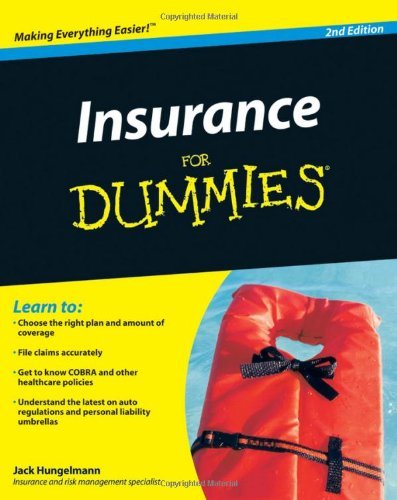
Insurance For Dummies?: Hungelmann, Jack
Whether you’re a homeowner or ... need on: ... Author Jack Hungelmann <strong>uses his twenty-five years of experience in the insurance industry to make buying insurance as simple as possible</strong>
Check Price on AmazonWhat to look for when comparing quotes:
- Apples-to-apples coverages: Keep liability limits, deductibles, and add-ons identical across quotes so the price comparison is fair.
- Liability limits: Tennessee’s minimums can be quickly exhausted. Many drivers choose 100/300/100 to better protect savings and future wages.
- Deductibles: Consider $500–$1,000 on collision/comprehensive to balance premium savings with out-of-pocket risk.
- Uninsured/underinsured motorist (UM/UIM): Strongly consider matching your UM/UIM to your liability limits, especially if you drive regularly in higher-traffic areas.
- Medical payments (MedPay): Even a small amount can help with ER visits or deductibles after a crash.
- Add‑ons that fit your life: Roadside assistance, rental reimbursement (pays for a rental while your car is in the shop after a covered claim), OEM parts coverage, gap insurance for financed/leased vehicles, or rideshare endorsements if you drive for Uber/Lyft.
- Claims reputation: Price matters, but so does how the company treats you when something goes wrong. Check reviews and complaint ratios.
- Repair network and parts: Some carriers have preferred shops or parts policies—ask how that affects your out-of-pocket costs and repair timeline.
Smart shopping steps:
- Gather your info: VIN(s), driver’s license numbers, current coverages, mileage, and any accident/ticket dates.
- Quote the same package with 3–5 carriers: Include a regional insurer if possible; they sometimes price Tennessee very competitively.
- Try a telematics quote: Usage-based programs can cut 10%–30% for safe driving, though results vary and some programs can raise your rate at renewal—ask before enrolling.
- Ask about life-cycle pricing: Some insurers reward loyalty; others give the best price to new customers. Re-shop every 6–12 months, especially after life events (move, marriage, paid off loan, improved credit).
- Bundle strategically: Home or renters + auto often trims 10%–20% off both policies.
Quick CTA: Want a baseline for your household? Comparing 3–5 quotes today is typically the easiest way to see your real Tennessee price—no guesswork, just apples-to-apples numbers.
If you’re moving between states, coverage rules and rates shift. For example, drivers relocating from Georgia to Tennessee can review Auto Insurance in Georgia: Rates, Requirements & How to Save (/auto-insurance/auto-insurance-in-georgia-rates-requirements-save). Coming from Kentucky? See Auto Insurance in Kentucky: Rates, Requirements & How to Save (/auto-insurance/auto-insurance-in-kentucky-rates-requirements-save).
Tennessee-specific discounts and savings opportunities
You’ll see the usual national discounts in Tennessee, plus a few that tend to be particularly impactful here:
- Multi-policy and multi-car: Bundling auto with home, renters, or condo is a consistent money-saver.
- Safe driver/claims-free: Often unlocks at 3 or 5 years accident-free; some carriers add accident forgiveness (waives the first at-fault surcharge) as a perk.
- Telematics/driver behavior programs: Good fits for low-mileage or smooth drivers in the suburbs; ask whether the program can also increase rates before you opt in.
- Good student and student away at school: Common for drivers under 25 with a B average or better, or those living 100+ miles from home without a car.
- Defensive driving/mature driver: Some companies give discounts for state-approved courses, especially for drivers 55+.
- Newer vehicle and safety features: Advanced braking, airbags, and anti-theft devices can help.
- Pay-in-full, autopay, and paperless: Small but easy savings that add up.
- Affinity/association: Teachers, first responders, military, and certain employers sometimes qualify for group rates.
Tennessee tip: If you park on-street in busier neighborhoods of Memphis or Nashville, ask about anti-theft discounts (alarms, tracking systems) and comprehensive deductibles that balance savings with peace of mind.
Filing a claim in Tennessee: what to expect
After a crash, safety first. Then:
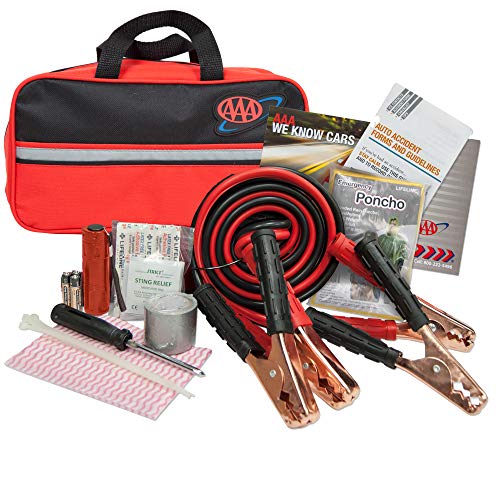
Lifeline AAA Premium Road Kit, 42 Piece Emergency Car Kit with Jumper Cables, Flashlight and First Aid Kit,4330AAA,Black : Everything Else
View on Amazon
Garmin Dash Cam 67W (1440p) and Parking Mode Cable Bundle : Electronics
View on Amazon- Document the scene: Photos, dashcam, and notes (location, time, weather). Exchange info and ask for witness contacts. Call police; a report often helps with liability decisions.
- Notify your insurer promptly: Late reporting can complicate things. Provide the facts; avoid speculating about fault.
- Fault and estimates: Because Tennessee is at-fault, the liable party’s insurer typically pays. If liability is being investigated or disputed, you can use your collision coverage to get repairs started—your insurer may later recover from the other carrier.
- Repairs and rentals: Ask whether your policy includes OEM parts coverage and whether you have rental reimbursement. You choose the shop; preferred networks can speed things up but aren’t usually required.
- Injury claims: Keep medical records and bills organized. If the other driver is uninsured or underinsured, a UM/UIM claim with your insurer may apply (subject to your limits and policy terms).
- Total losses: If your car is totaled, the payout is based on actual cash value (ACV), which factors depreciation. If you have a loan/lease and owe more than ACV, gap coverage can pay the difference.
- Timelines: Complex claims (injuries, disputed liability) take longer. Stay in touch with your adjuster and keep a paper trail of expenses and communications.
If your license is suspended after serious violations, the state may require an SR‑22 filing for a set period (often three years). Not all insurers file SR‑22s—ask before you buy.
FAQ: common questions about Tennessee car insurance
Is Tennessee a no-fault state?
- No. Tennessee is an at-fault (tort) state. The driver who causes a crash is typically responsible for others’ damages.
Is uninsured motorist coverage required in Tennessee?
- No, but insurers must offer it and you must reject it in writing if you don’t want it. Many drivers choose it because it protects you if you’re hit by someone with little or no coverage.
Are Tennessee’s minimum limits enough?
- In most cases, no. Medical bills and newer vehicle repairs can exceed 25/50/25 quickly. Many drivers choose higher limits like 100/300/100 or more, plus UM/UIM.
Does credit affect car insurance in Tennessee?
- Typically yes. Tennessee allows insurers to use credit-based insurance scores. Improving your credit over time can reduce premiums.
What happens if I’m caught driving without insurance?
- You could face fines, license/registration issues, and an SR‑22 requirement to reinstate driving privileges. You may also be personally liable for damages if you cause a crash.
Can I show electronic proof of insurance?
- In most cases, yes—Tennessee generally accepts electronic proof on your smartphone.
Do I need special coverage for rideshare driving?
- Yes. Ask about a rideshare endorsement. Without it, there can be coverage gaps when the app is on but you haven’t accepted a trip.
How long do I have to file a claim?
- Policies typically require prompt notice. Legal filing deadlines vary (and can be short for injury claims). If you’re unsure, notify your insurer quickly and consider speaking with an attorney for legal timelines.
If I’m moving to Tennessee, do I need a new policy?
- Usually yes. Rates and requirements are state-specific, and you’ll want a Tennessee policy using your new garaging address.
Your next step
You don’t have to guess whether your quote is good. The most reliable way to save on auto insurance in Tennessee is to compare side-by-side quotes from 3–5 carriers using the same coverages and deductibles. Then adjust limits and deductibles to fit your budget and risk comfort, and ask about UM/UIM and telematics before you bind.
Prefer a quick gut check? A licensed agent can help fine-tune limits and find discounts you might miss—especially if you’re juggling multiple cars, a teen driver, or a recent move.
CTA: Compare a handful of quotes today. In about 10–15 minutes you’ll have a clear picture of your real Tennessee price—and likely a few easy ways to bring it down.
Recommended Resources
Insurance For Dummies?: Hungelmann, Jack
Whether you’re a homeowner or ... need on: ... Author Jack Hungelmann <strong>uses his twenty-five years of experience in the insurance industry to make buying insurance as simple as possible</strong>
Garmin Dash Cam 67W (1440p) and Parking Mode Cable Bundle : Electronics
The <strong>Garmin Dash Cam 67W</strong> features extra-wide 180-degree lens to capture more of the environment, and records 1440p HD video with HDR optics for crisp detail day and night. It has voice
Lifeline AAA Premium Road Kit, 42 Piece Emergency Car Kit with Jumper Cables, Flashlight and First Aid Kit,4330AAA,Black : Everything Else
Amazon.com: <strong>Lifeline AAA Premium Road Kit</strong>, 42 Piece Emergency Car Kit with Jumper Cables, Flashlight and First Aid Kit,4330AAA,Black : Everything Else
Related Articles
- Home Insurance in Tennessee: Coverage, Costs & Best Companies
- Auto Insurance in Texas: Rates, Requirements & How to Save
- Health Insurance in Tennessee: Plans, Costs & How to Enroll
- Auto Insurance in Connecticut: Rates, Requirements & How to Save
- Auto Insurance in Kentucky: Rates, Requirements & How to Save
- Auto Insurance in Georgia: Rates, Requirements & How to Save
- Renters Insurance in Tennessee: What It Covers, Costs, and How to Choose
- Auto Insurance in North Carolina: Rates, Requirements & How to Save