
What Is Term Life Insurance? A Clear Guide to Coverage & Costs
You keep hearing about term life insurance but want a plain answer: what is term life insurance, how does it work, and what does it actually cost? Here’s the clear, jargon-free version—with examples—so you can decide if it fits your life and budget.
What Is Term Life Insurance? A simple definition
Term life insurance is coverage that lasts for a set period of time—often 10, 15, 20, 25, 30, or even 40 years—and pays a tax-advantaged cash benefit (the death benefit, which is the amount your beneficiaries receive if you die) if you pass away during that term. It does not build savings. There’s no investment component or cash value (a savings pot inside some permanent policies); that’s why term is typically the most affordable way to buy a large amount of coverage.
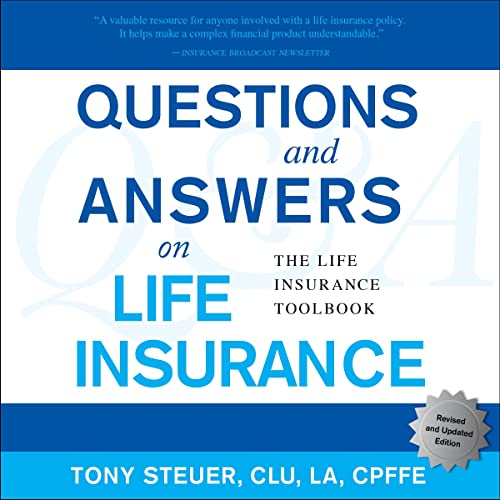
Questions and Answers on Life Insurance: Steuer, Tony
*Amazon Best Seller in Life Insurance* Questions and Answers on Life Insurance is <strong>an extremely useful and one of a kind resource for anyone looking for a simple way to understand life insuranc
Check Price on AmazonPut simply: you pick a term length and coverage amount, pay your premium (the price you pay the insurer to keep the policy active), and if you die while the policy is in force, your beneficiaries (the people you name to receive the payout) get the benefit.
How term life insurance works: coverage length, beneficiaries, and payouts
- Coverage length: You choose a term like 20 or 30 years. During that period, your premiums are usually level (the same amount each month or year) if you buy a level term policy.
- Beneficiaries: You’ll name primary and contingent beneficiaries—people or entities (like a trust or charity) who will receive the payout. Keep this updated after major life changes.
- Payouts: If the insured person dies during the term, the insurer pays the death benefit, typically as a lump sum. Beneficiaries can often request alternative options like installments or an interest-bearing account, depending on the insurer.
- Taxes: In most cases, life insurance death benefits are not subject to federal income tax. However, interest earned on the benefit (if left with the insurer) can be taxable, and very large estates may face estate tax—talk to a tax professional for your situation.
- If you outlive the term: The policy simply ends. There’s no payout and no cash value unless you’ve chosen a rider (an optional add-on) like return of premium, which is less common and more expensive.
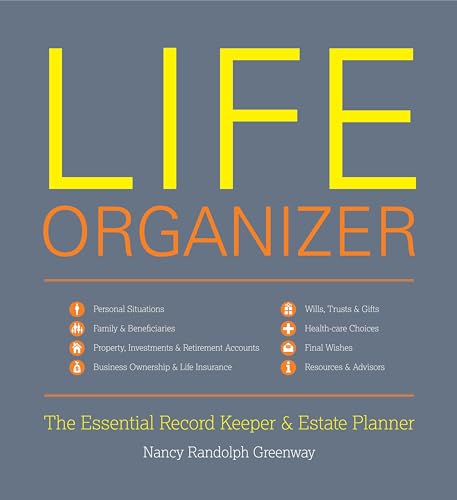
Life Organizer: The Essential Record Keeper & Estate Planner: Greenway, Nancy Randolph
View on AmazonWhat’s not covered? Life insurance typically covers death from illness and accidents. Policies usually have a contestability period (commonly the first two years) during which the insurer can review and deny a claim for material misrepresentation on the application. Many policies also have a suicide exclusion (often the first two years). Specific rules vary by state and insurer; always read your policy.
Types of term policies: level, decreasing, renewable, and convertible
Term insurance isn’t one-size-fits-all. Here are the common flavors, in plain English:
- Level term: Your premium and death benefit stay the same for the entire term. This is the most popular and typically the best value for families needing steady protection.
- Decreasing term: The death benefit drops over time, usually to match a declining debt like a mortgage. Premiums may be level or lower than level term, but value can be mixed. If you want mortgage protection, compare level term pricing too—you can simply choose a coverage amount that exceeds your mortgage and keep the extra cushion for other needs.
- Annual renewable term (ART) or renewable term: A one-year (or short) term that renews annually—often with guaranteed renewability (you can keep the coverage without new medical underwriting, which is the insurer’s health review) but with premiums that increase each year. It can work for short gaps but gets pricey over time.
- Convertible term: Lets you convert your term policy to permanent coverage (like whole life or universal life) without a new medical exam, typically within a set window (for example, before age 65 or within the first 10 years). This is valuable if your health changes and you later want lifetime coverage.
- Return of premium (ROP) term: You pay higher premiums, and if you outlive the term, you get back some or all of what you paid (usually premiums only, not interest). It’s a forced-savings twist; run the numbers—investing the difference separately often gives you more flexibility.
Term lengths: Most people buy 20- or 30-year terms to cover working years or a mortgage. Some insurers offer 35- or 40-year terms, subject to age limits and state availability.
Who should buy term life? Common use cases
Term life fits best when you want maximum protection during specific years of financial risk.
- Parents and guardians: Replaces income while kids are at home and through college years. Many parents match the term to the youngest child’s high school or college graduation.
- Mortgage and major debts: Protects the roof over your family’s head. A 30-year term is often chosen to mirror a 30-year mortgage.
- Single-income or primary earners: Covers living expenses for a partner and dependents if your paycheck stops.
- Business needs: Funds a buy-sell agreement (a plan for partners to buy out a deceased owner’s share), covers key person risk (insurance on a crucial employee or founder), or secures a business loan.
- Divorce or support obligations: Ensures child support or alimony is protected during the required period.
- Co-signed private student loans: Some private loans don’t discharge at death, potentially leaving co-signers on the hook.
- Budget-conscious shoppers: If you need a large death benefit but want to keep premiums low, term typically gives you the most coverage per dollar.
How much does term life cost? Key factors and example premium ranges
Rates vary by individual—insurers price based on your specific risk profile. Here are the big drivers:
- Age: Younger applicants usually pay much less. Rates increase each year you wait.
- Health and medical history: Conditions like diabetes, sleep apnea, or a history of cancer can affect pricing. Better-controlled conditions generally get better rates.
- Tobacco and nicotine: Cigarettes, vaping, or certain nicotine products can raise premiums dramatically—often 2x–3x.
- Coverage amount and term length: More coverage and longer terms cost more.
- Gender: Women typically pay less than men, reflecting actuarial life expectancy.
- Hobbies and occupation: Scuba diving, aviation, or hazardous work may add surcharges.
- Driving and prescription history: Multiple moving violations or certain medications can impact underwriting.
- Exam vs. no-exam: No medical exam policies can be priced a bit higher for some applicants, but not always—it depends on the program and your profile.
Illustrative examples (not offers or guarantees; your actual rate will differ):
- 30-year-old female, non-smoker, healthy, $500,000, 20-year term: often around $15–$25 per month.
- 30-year-old male, non-smoker, healthy, $500,000, 20-year term: often around $18–$30 per month.
- 35-year-old non-smoker, healthy, $1,000,000, 20-year term: commonly about $40–$70 for males and $35–$60 for females.
- 40-year-old non-smoker, healthy, $500,000, 20-year term: roughly $25–$40 for females and $30–$50 for males.
- 50-year-old non-smoker, healthy, $250,000, 20-year term: commonly $45–$100 for females and $60–$120 for males.
Smokers or applicants with certain health conditions can see higher premiums. If that’s you, don’t count yourself out—some insurers underwrite specific conditions more favorably than others. It’s worth comparing multiple quotes.
Money-saving tip: If you’re comparing options, see our guide on keeping costs down without cutting necessary protection: Affordable Term Life Insurance: How to Get the Right Coverage for Less.
Term vs. whole life: quick comparison and when to choose each
Both protect your loved ones, but they’re built differently.
- Term life: Pure insurance for a set period. No cash value. Typically the lowest cost per dollar of coverage. Best when you need a lot of coverage for a known timeframe (raising kids, paying off a mortgage, covering working years).
- Whole life: A type of permanent life insurance that lasts your entire life if premiums are paid. It includes cash value (a savings component that grows tax-deferred), guarantees, and typically higher premiums. Can be useful for lifelong needs like estate planning, leaving a legacy, or covering lifelong dependents.
A practical rule of thumb many families follow: buy term for large, time-bound needs; consider permanent coverage for specific lifelong goals if your budget allows. If you’re weighing both, our detailed explainer walks through the trade-offs: Term vs. Whole Life Insurance: Which Is Right for You?.
How to shop, apply, and get quotes: step-by-step checklist
Here’s a simple roadmap to go from “I should get life insurance” to “my policy is in force.”
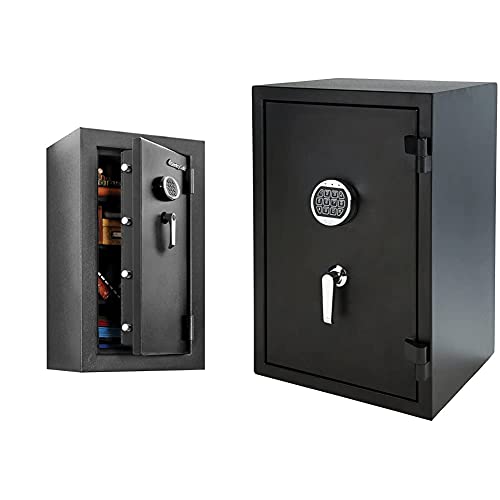
SentrySafe Waterproof and Fireproof Alloy Steel Digital Safe Box for Home with Code Button Keypad, 1.23 Cubic Feet, 17.8 x 16.3 x 19.3 Inches (exterior), SFW123GDC - Gun Safes And Cabinets - Amazon.com
<strong>SentrySafe Medium Gray Fireproof Safe and Waterproof Safe Box with Dial Combination, Home Security for Money, Documents, or other Valuables</strong>, 1.23 Cubic Feet, SFW123DSB
Check Price on Amazon- Estimate how much coverage you actually need
- Add up income replacement (for example, 10–15 years of your take-home pay), debts, childcare, college goals, and any final expenses. Subtract existing savings and life insurance.
- Want a quick framework? Try this step-by-step approach: How Much Life Insurance Do I Need? Simple Calculator & Step-by-Step Plan.
- Choose a term length that matches your timeline
- Think in milestones: mortgage payoff, kids’ graduation, years to retirement, or the end of support obligations.
- Get multiple quotes and prequalify
- Comparing quotes across several insurers typically saves money. If you prefer a full overview first, start here: Life Insurance: How to Choose the Right Policy and Get Quotes.
- Decide on exam vs. no-exam
- Exam policies may unlock lower rates for very healthy applicants. No-exam policies skip the medical exam and can offer quick decisions. Learn how they differ: No Medical Exam Life Insurance: Compare Providers & Get Quotes.
- Complete the application and underwriting
- Underwriting is the insurer’s risk review. It can include health questions, a paramed exam (a short health check), review of your Medical Information Bureau file (an industry database of prior applications), prescription history, and driving record.
- Timelines vary—some decisions are near-instant; others take a few weeks if medical records are needed.
- Review your offer and policy details
- Check the premium, coverage amount, term length, conversion option (whether and how long you can convert to permanent coverage without a new exam), and any riders you added.
- Place the policy in force
- Pay the first premium, confirm your beneficiaries, and store your policy documents where your beneficiaries can easily find them.
What to look for when comparing policies
- Financial strength: Independent ratings (for example, AM Best) speak to an insurer’s claims-paying ability.
- Level premiums and guaranteed renewability: Understand whether your premiums are locked for the entire term and what happens at the end.
- Conversion flexibility: A longer conversion window can be valuable if your health changes.
- Riders you actually need: Common riders include accelerated death benefit (early access to part of the benefit after a terminal illness diagnosis), waiver of premium (premiums waived if you become disabled as defined in the policy), and child term riders (small coverage for children). Only add riders that fit real needs—each can increase cost.
- Underwriting fit: Some insurers are friendlier to certain health conditions or hobbies. If you have a medical history, casting a wider net is smart.
- Service and claims reputation: Look at satisfaction data and state complaint ratios where available.
Prefer help? A licensed agent can walk you through options in your state and surface insurers that fit your profile. No one can promise approval or a specific rate up front—rates and decisions always depend on your individual circumstances.
State rules, underwriting basics, and FAQs you should check
Life insurance is regulated at the state level, so a few specifics can vary. A quick checklist to review before you buy:
- Free-look period: Many states require a free-look period (often 10–30 days) after policy delivery to review and cancel for a full refund.
- Grace period: If you miss a payment, you’ll usually have a grace period (often 30–31 days) to pay before the policy lapses (ends for nonpayment). Late interest or reinstatement requirements may apply.
- Contestability and suicide clauses: Typically two years, but check your policy and state rules.
- Beneficiary rules: Community property states may have special spousal rights. If you live in one, confirm beneficiary designations with an advisor.
- Replacements and disclosures: Some states require extra forms if you’re replacing an existing policy.
Underwriting 101—in plain terms
- Risk classes: You’ll be placed into a rate class such as Preferred Plus, Preferred, Standard, or a Table Rating (an extra charge based on health factors). Better health generally earns better pricing.
- Data sources: Insurers may check your Medical Information Bureau (MIB) file, prescription history, and motor vehicle record (MVR) to verify application details.
- Paramed exam: A short health visit with vitals and a small blood/urine sample. Many no-exam programs substitute data checks and a phone interview.
Common FAQs
- Can I get my money back if I outlive the term? Not with standard term. Return of premium term can refund premiums but costs more—compare carefully.
- Will my premiums go up during the term? With level term, premiums are designed to stay the same during the chosen term. If you renew after the term, premiums generally rise sharply each renewal year.
- Can I convert to permanent insurance later? Many policies include a conversion option for a set period (for example, to age 65). This lets you switch to permanent coverage without a new medical exam, though the new policy will cost more.
- Can I own more than one policy? Yes. Many people “ladder” coverage (for example, a 30-year $300K + 20-year $300K) to match changing needs and potentially save over time.
- What happens if I miss a payment? You usually have a grace period. If the policy lapses, some insurers allow reinstatement within a certain window, often with proof of insurability and back premiums.
- Is the death benefit taxable? Generally not for income tax purposes, but interest can be taxable and large estates may owe estate taxes. Consult a tax professional for your situation.
Where this guide fits in your decision process
If your main question was “what is term life insurance,” you now know the basics: it’s typically the most affordable way to cover big financial risks for a set period. The next smart steps:
- Nail down your coverage target with this walkthrough: How Much Life Insurance Do I Need? Simple Calculator & Step-by-Step Plan
- If you’re price-focused, learn specific ways to trim costs without cutting protection: Affordable Term Life Insurance: How to Get the Right Coverage for Less
- Ready to compare your options and get quotes? Start here: Life Insurance: How to Choose the Right Policy and Get Quotes
A quick note: While this guide is a great starting point, a licensed agent can help you compare policies and underwriting approaches for your exact health profile and state rules. No one can guarantee approval or a specific rate—actual offers depend on your individual circumstances.
Recommended Resources
Questions and Answers on Life Insurance: Steuer, Tony
*Amazon Best Seller in Life Insurance* Questions and Answers on Life Insurance is <strong>an extremely useful and one of a kind resource for anyone looking for a simple way to understand life insuranc
Life Organizer: The Essential Record Keeper & Estate Planner: Greenway, Nancy Randolph
Get It Together: Organize Your Records So Your Family Won't Have To · Melanie Cullen · Paperback · Peace of Mind Planner: Important Information about My Belongings, Business Affairs, and Wishes ·
SentrySafe Waterproof and Fireproof Alloy Steel Digital Safe Box for Home with Code Button Keypad, 1.23 Cubic Feet, 17.8 x 16.3 x 19.3 Inches (exterior), SFW123GDC - Gun Safes And Cabinets - Amazon.com
<strong>SentrySafe Medium Gray Fireproof Safe and Waterproof Safe Box with Dial Combination, Home Security for Money, Documents, or other Valuables</strong>, 1.23 Cubic Feet, SFW123DSB
Related Articles
- Term Life Insurance: Complete Guide to Coverage, Cost & Getting Quotes
- Affordable Term Life Insurance: How to Get the Right Coverage for Less
- How Does Life Insurance Work? A Clear, Step-by-Step Guide
- Best Term Life Insurance Companies (2026): Top Picks & How to Choose
- Best Rates for Term Life Insurance: How to Compare Quotes and Lower Your Premiums
- Whole Life Insurance Explained: Benefits, Costs, and How to Buy
- What Is Liability Insurance? Types, Coverage, and Who Needs It
- What Is Comprehensive Insurance? A Plain‑Language Guide