
Affordable Term Life Insurance: How to Get the Right Coverage for Less
You want real numbers and a clear plan. Affordable term life insurance is absolutely doable if you know what drives price and how to shop smart. Below, we’ll break down when term life is the budget‑smart move, how much coverage to consider, and the practical ways to keep premiums low—without cutting the protection your family needs.
What Is Affordable Term Life Insurance (and Who Benefits Most)?
Affordable term life insurance means level premiums for a set number of years (the “term,” like 10, 20, or 30 years) focused purely on a death benefit. There’s no cash value savings component. Because you’re paying only for protection—not investment features—term is typically the lowest-cost way to buy meaningful coverage.
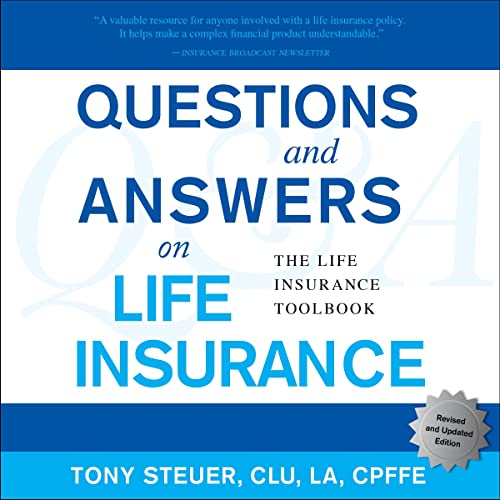
Questions and Answers on Life Insurance: Steuer, Tony
*Amazon Best Seller in Life Insurance* Questions and Answers on Life Insurance is <strong>an extremely useful and one of a kind resource for anyone looking for a simple way to understand life insuranc
Check Price on AmazonWho usually benefits most:
- Young families replacing income during child-raising years
- Homeowners who want to cover a mortgage balance
- People with co-signed debts or private student loans
- Anyone who needs coverage for a defined period (e.g., until retirement or until kids are out of college)
When term is the budget‑smart choice vs. permanent policies:
- If your main goal is income replacement for a set window, term is usually the most affordable solution.
- Permanent life insurance (like whole life) can make sense for lifelong needs (final expenses, special‑needs planning, estate liquidity) or if you value cash value accumulation—but you’ll pay significantly more for the same death benefit. If you’re unsure which route fits, see our explainer on Term vs. Whole Life Insurance.
Use case example: You’re 35, healthy, and want $500,000 for 20 years to cover a mortgage and income replacement while your kids are young. A 20‑year level term policy is typically the most cost-effective way to lock in that protection.
The Major Cost Drivers of Term Life (What Actually Moves Your Rate)
Life insurers price risk. Here are the big levers that affect your premium:
- Age: Every birthday usually raises rates. Buying sooner typically saves money.
- Health: Your medical history (blood pressure, cholesterol, diabetes, heart history), build (height/weight), and results from a medical exam can move you up or down an underwriting class.
- Tobacco use: Smoking or nicotine use can double—or more—your premium. Vaping and cigars are treated differently by carriers, but expect higher rates in most cases.
- Family history: Early cardiovascular disease or cancer in immediate family can influence your class.
- Occupation and hobbies: High‑risk jobs (e.g., commercial diving) or activities (skydiving, flying as a private pilot) can add a “flat extra” fee or exclusion.
- Coverage amount and term length: More coverage for longer periods costs more. A 30‑year term is pricier than a 20‑year for the same face amount.
- Driving record and lifestyle: Recent DUIs or multiple violations can affect approval and pricing.
- State and insurer: Rates vary by state and carrier underwriting philosophy.
Underwriting classes explained (the labels that set your price):
- Preferred Plus (the best rates for excellent health)
- Preferred
- Standard Plus
- Standard
- Tobacco classes (if you use nicotine)
- “Table ratings” (substandard) for higher risk profiles; each “table” adds cost
How Much Coverage Do You Need—and for How Long?
Picking the right amount and term is where affordability meets adequacy. Two quick frameworks can help:
- Income multiple: 10–15× your annual income is a common starting point for families relying on your paycheck.
- The DIME method (a simple planning checklist):
- Debts (non‑mortgage debts you’d want paid off)
- Income (years of income replacement needed)
- Mortgage (remaining balance)
- Education (future college costs)
Rules of thumb by life stage (examples—not guarantees):
- New parents: 20–30‑year term often makes sense to cover child‑raising years and a mortgage. See our focused guide for families: Term Life Insurance for Parents.
- Dual‑income homeowners without kids: 15–20‑year term to align with mortgage payoff or career milestones.
- Single with debts or co‑signers: 10–20‑year term sized to clear balances and provide a cushion for family.
- Late career (50s–60s): Shorter 10–15‑year term to bridge to retirement and protect a spouse before Social Security and savings fully kick in.
Real‑world example: Say you’re a 35‑year‑old non‑smoker in Texas looking for $500,000 of 20‑year term. Depending on your health class and insurer, many shoppers in that profile may see quotes in the ballpark of $20–$40 per month. If you’re 45 with the same specs, you might see $45–$80+. These are illustrative ranges; your actual rate varies by carrier, health, and state.
Practical Ways to Lower Premiums and Improve Insurability
You can’t change your age, but you can meaningfully influence your risk profile and how you shop.

OMRON Platinum Blood Pressure Monitor for Home Use & Upper Arm Blood Pressure Cuff - #1 Doctor & Pharmacist Recommended Brand - Clinically Validated - AFib Detection - Connect App
View on Amazon- Shop 3–5 carriers: Different insurers price risks differently. Comparing multiple quotes is the fastest way to find true savings.
- Pick “just‑long‑enough” term length: If 20 years covers your highest‑need window, don’t pay 30‑year prices unless you truly need it.
- Right‑size coverage: Buy enough to protect your family, but avoid over‑insuring. Use the income multiple or DIME method to anchor the number.
- Improve health markers before applying (where feasible):
- Control blood pressure and cholesterol with your doctor’s help.
- Aim for a healthier weight; even a few pounds can help move you up a class.
- Medical exam prep (for exam-required policies): Hydrate well, limit sodium and alcohol the day before, avoid intense workouts 24 hours prior, schedule a morning draw, and fast if asked—these can help with blood pressure and lab readings.
- Tobacco cessation: Quitting can dramatically reduce premiums. Many carriers consider you “non‑tobacco” after 12–36 months nicotine‑free (varies by insurer). You may be able to request a reconsideration or re‑shop later.
- Consider accelerated underwriting: Many healthy applicants can get no‑exam approval at competitive rates through “accelerated underwriting” (data‑driven approval without labs). It’s convenient and often similarly priced for strong risk profiles.
- Pay annually: If cash flow allows, annual premiums often cost slightly less than monthly once modal fees are factored in.
- Keep riders lean but useful: Popular riders include:
- Accelerated death benefit (usually included): Lets you access part of the benefit if diagnosed with a terminal illness, subject to terms.
- Waiver of premium: Waives premiums if you become totally disabled (definitions matter; read terms carefully).
- Child term rider: Adds low‑cost coverage for children.
- Conversion option: Lets you convert some or all of your term policy to permanent coverage (no new medical exam) during a window. This can be valuable if health changes later—and it’s often inexpensive.
Pro move: Laddering. Buy two or three smaller policies with different term lengths (e.g., $300k/30‑year + $200k/20‑year). As needs drop over time, some coverage expires, leaving you with the right amount at a lower overall cost than a single long, large policy. Not every situation benefits from laddering, but it can be a smart fit for families with front‑loaded needs.
CTA: The quickest way to see what you’d actually pay is to compare real quotes side by side. Start here: Life Insurance: How to Choose the Right Policy and Get Quotes.
Affordable Term Life Insurance: How to Compare and Buy Competitively
Comparing term life policies isn’t just about the lowest premium. Here’s a step‑by‑step approach.
Where to get accurate quotes
- Online marketplaces: Great for quick comparisons across many carriers with one form. Look for ones that show multiple insurers transparently and let you filter by features like conversion options.
- Independent agents/brokers: A good independent agent represents multiple carriers, helps you target the right underwriting class, and can pre‑screen tricky health situations anonymously.
- Direct from carriers: Useful if you already know the company you want—but be sure to compare, because you won’t see competitors’ pricing.
Tip: If you have health nuances (sleep apnea, well‑controlled diabetes, anxiety meds, past DUI), an independent agent can steer you to insurers that underwrite those risks more favorably.
Policy features and fine print to check
- Level premiums and guaranteed death benefit: Standard for most term policies—but confirm “level term” so your rate doesn’t jump unexpectedly.
- Conversion privilege: What’s the deadline? Can you convert to any permanent policy or just a few? No new medical exam is the key value here.
- Renewability: Some policies are “guaranteed renewable” annually after the term at higher rates. It’s a safety net, not a primary plan.
- Riders: Confirm what’s included (often accelerated death benefit) and the cost/definitions for optional riders like waiver of premium or child term.
- Exclusions and contestability:
- Suicide clause: Typically limits payment if death occurs by suicide within the first two years (varies by state).
- Contestability period: Usually two years when the insurer can investigate material misstatements. Be honest on your application; nondisclosure can void a claim.
- Risky activities: Some carriers add exclusions (e.g., for private aviation) or charge extra. Disclose upfront to avoid claims issues.
- Financial strength: Look for strong ratings (e.g., A- to A++ from AM Best) so your insurer can pay claims decades from now.
- Digital experience and service: E‑applications, accelerated underwriting, and responsive claims/service can matter more than you think.
Common pitfalls that make coverage less affordable or less effective
- Buying too short a term: A 10‑year policy that expires when your kids are in high school may force you to buy again at higher, older‑age rates.
- Underinsuring: Saving $10/month today can leave a six‑figure income gap tomorrow. Start with needs, then find the best price to meet them.
- Relying only on employer life insurance: Workplace coverage is convenient but often limited (1–2× salary) and not portable if you leave. Consider an individual policy you control.
- Naming minor children directly as beneficiaries: Proceeds can end up in court‑supervised accounts. Consider naming a trusted adult custodian or a trust; consult an attorney for your situation.
- Hiding or guessing on the application: Disclose medications, past diagnoses, tobacco use, and hobbies accurately. The “contestability period” (the first two years) allows insurers to review your application after a claim.
Real‑World Scenarios and What They Typically Cost
These examples are for illustration only—actual rates vary by age, health, state, and insurer. All applicants should compare real quotes.
- 30‑year‑old female, non‑smoker, excellent health, $500,000/20‑year term: Many see quotes in the ~$17–$30/month range depending on carrier and underwriting class.
- 40‑year‑old male, non‑smoker, good health, $1,000,000/20‑year term: Often in the ~$45–$90+/month range.
- 50‑year‑old female, non‑smoker, average health, $500,000/15‑year term: Commonly ~$45–$100+/month.
- Smoker profiles: Expect 2–4× non‑smoker rates. Quitting and staying nicotine‑free for 1–3 years can significantly reduce costs upon reconsideration or re‑shopping.
Again, these are directional. Your health history, build, medications, and even driving record can move the needle. Comparing multiple carriers is what reveals your best price.
How to Choose: A Quick Checklist
Use this short list to keep your purchase on track and affordable.

SentrySafe Black Fireproof and Waterproof Safe, File Folder and Document Box with Key Lock, Ex. 14.3 x 15.5 x 13.5 inches, HD4100 - Amazon.com
View on Amazon- Coverage amount aligns to your income replacement need (10–15× income or DIME method)
- Term length matches your highest‑need window (e.g., years left on mortgage, kids’ ages)
- 3–5 quotes from financially strong carriers
- Valuable riders only (accelerated benefit included, consider conversion and waiver of premium if needed)
- Annual pay if it meaningfully lowers total cost
- Beneficiaries set up correctly (consider a contingent)
- Application complete and accurate to protect your claim
If you want a curated short list of solid carriers for different needs and budgets, see our picks in Best Life Insurance: Top Picks & How to Choose (2026 Guide).
When Affordable Term Life Insurance Isn’t the Whole Answer
Sometimes a blend works best:
- You need big coverage now but also want small lifelong coverage later: Pair a larger 20–30‑year term with a smaller permanent policy, or use a strong conversion option later if your needs change.
- Significant, lifelong financial responsibilities (e.g., special‑needs planning): Term alone may not fit. Review permanent options alongside term. Our overview of Term vs. Whole Life Insurance explains the trade‑offs.
Quick Note on Advice and Getting Personalized Quotes
Life insurance pricing is individualized. A licensed agent can help you target the right underwriting class, especially if you have health nuances or past driving issues. And because carriers view risks differently, quotes can swing meaningfully.
Smart next step: Compare personalized quotes from several top insurers to see your real price range and which features you can afford. Start here: Life Insurance: How to Choose the Right Policy and Get Quotes.
The Bottom Line
Affordable term life insurance is about matching the right amount and term length to your real‑world needs, then letting competition work in your favor. Decide what you’re protecting, compare 3–5 carriers, and use the practical tweaks above—medical exam prep, tobacco cessation, right‑sizing coverage, and smart rider choices—to get strong coverage for less.
You’ve got this. Take 5 minutes to price your options now, then check the boxes on beneficiaries and riders. Your future self—and your family—will be glad you did.
Recommended Resources
Questions and Answers on Life Insurance: Steuer, Tony
*Amazon Best Seller in Life Insurance* Questions and Answers on Life Insurance is <strong>an extremely useful and one of a kind resource for anyone looking for a simple way to understand life insuranc
OMRON Platinum Blood Pressure Monitor for Home Use & Upper Arm Blood Pressure Cuff - #1 Doctor & Pharmacist Recommended Brand - Clinically Validated - AFib Detection - Connect App
CONFIDENCE IN EVERY READING: Monitor your heart health with the OMRON Platinum Upper Arm Blood Pressure Monitor's Advanced Accuracy with AFib Detection Technology; Store up to 100 readings each f
SentrySafe Black Fireproof and Waterproof Safe, File Folder and Document Box with Key Lock, Ex. 14.3 x 15.5 x 13.5 inches, HD4100 - Amazon.com
Whether you’re looking for a ... needs. <strong>Crafted with advanced fireproof and waterproof technology, the SentrySafe HD ensures that your documents and valuables remain intact even in the face of
Related Articles
- Term Life Insurance: Complete Guide to Coverage, Cost & Getting Quotes
- Best Rates for Term Life Insurance: How to Compare Quotes and Lower Your Premiums
- How to Find Cheap Life Insurance: Smart Ways to Lower Your Premiums Without Sacrificing Coverage
- Cheap Life Insurance for Young Adults: How to Get Affordable Coverage without Overpaying
- How to Save on Life Insurance: Practical Ways to Lower Your Premiums
- Affordable Life Insurance for Seniors: How to Find Low-Cost, Appropriate Coverage
- How to Lower Life Insurance Premiums: A Practical Guide to Discounts & How to Qualify
- Finding Affordable Health Insurance: Smart Ways to Lower Costs and Get Covered