
What Is Comprehensive Insurance? A Plain‑Language Guide
You just saw “comprehensive” listed on an auto quote and wondered: what is comprehensive insurance, and do I actually need it? Here’s the plain‑English version of how it works, what it covers, what it doesn’t, how much it costs, and smart ways to decide.
What is comprehensive insurance? A clear definition
Comprehensive insurance is optional auto coverage that pays to repair or replace your car if it’s damaged by events other than a crash with another vehicle. Think theft, vandalism, fire, hail, flooding, falling objects, hitting a deer, or a broken windshield. It does not pay for injuries you cause to others (that’s liability coverage) and it doesn’t cover most crash damage to your car from colliding with another vehicle or a stationary object (that’s collision coverage).
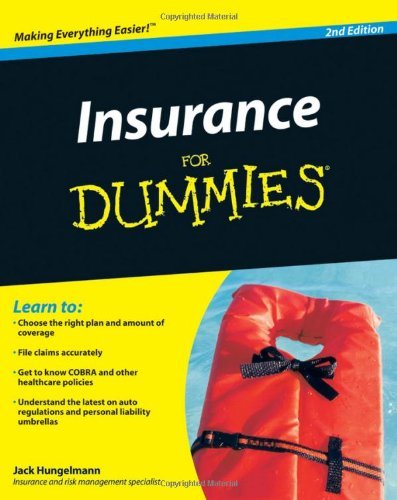
Insurance For Dummies?: Hungelmann, Jack
Whether you’re a homeowner or ... need on: ... Author Jack Hungelmann <strong>uses his twenty-five years of experience in the insurance industry to make buying insurance as simple as possible</strong>
Check Price on AmazonTwo terms you’ll see with comprehensive:
- Deductible: the amount you pay out of pocket on a covered claim before insurance pays the rest. If your policy has a $500 comprehensive deductible and hail causes $2,000 in damage, you pay $500 and the insurer pays $1,500.
- Actual cash value (ACV): what your car is worth today, factoring in depreciation (age, mileage, condition). If your car is totaled in a covered comprehensive event, the payout is typically ACV minus your deductible.
If you came here searching “what is comprehensive insurance,” the short answer is: protection for your car from non‑collision events and bad luck that you usually can’t control.
For a broader overview of how all the pieces of auto insurance fit together—liability, collision, comprehensive, and extras—see our explainer: Understanding Auto Insurance Coverage Types.
What comprehensive insurance typically covers (and common examples)
Policies vary by insurer and state, but comprehensive generally covers your car for damage caused by:

Hail Protector Inflatable Car Cover - CAR2 Size, Silver Portable System for Coupe, Sedan and Wagons 176-195 Inches in Length - Anti-Hail Protection : Automotive
Buy Hail Protector Inflatable Car Cover - CAR2 Size, Silver Portable System for Coupe, Sedan and Wagons 176-195 Inches in Length - Anti-Hail Protection: Full Car Covers - Amazon.com ✓ FREE DELIVERY po
Check Price on Amazon- Theft and attempted theft
- Vandalism and civil disturbance (for example, keyed paint, broken windows in a riot)
- Fire and explosions
- Weather: hail, windstorm, tornadoes, hurricanes, lightning
- Flooding and water damage not from normal wear (rising water, flash floods)
- Falling objects (branches, construction debris)
- Animal incidents (hitting a deer, or damage from rodents chewing wiring)
- Glass damage, including windshield chips and cracks (sometimes with separate glass options)
Real‑world scenarios:
- Your SUV is parked outside. Overnight hail dents the hood and roof. Comprehensive typically pays for bodywork, minus your deductible.
- A thief smashes your window and steals the car. Comprehensive usually pays to repair the window and, if the car isn’t recovered, pays ACV for a total loss (minus deductible).
- You hit a deer on a dark road. The front bumper and grille need replacement. Animal collisions are generally comprehensive, not collision.
- A windstorm knocks a tree limb onto your car. Comprehensive typically pays for repairs.
Important: Comprehensive covers the vehicle itself, not personal property inside. If your laptop is stolen from your car, that’s usually a homeowners or renters insurance claim, not auto.
What comprehensive does NOT cover — key exclusions
Knowing what’s outside the fence is just as important:
- Collision damage: If you hit another car or back into a pole, that’s collision coverage, not comprehensive.
- Wear and tear or maintenance: Tires, brakes, engine failure, or rust aren’t covered because they aren’t sudden, accidental losses.
- Intentional damage or illegal activity: Deliberate acts and damage occurring while using the car for illegal purposes are excluded.
- Rideshare or delivery unless endorsed: Driving for a rideshare/delivery app may need a special endorsement (an add‑on). Without it, claims can be denied during app‑on periods.
- Aftermarket custom parts beyond a limit: Many policies cap coverage for custom rims, stereos, or wraps unless you add a custom equipment endorsement.
- Commercial use without a commercial policy: Business use might be excluded or limited unless specifically covered.
- Personal items inside the vehicle: That’s typically a homeowners/renters claim.
Always check your policy for endorsements (policy add‑ons) and special limits—especially for glass, custom parts, and car rentals while your vehicle is repaired.
Comprehensive vs. collision vs. liability: quick comparison
It’s easy to mix these up. Here’s the fast way to remember them:
- Liability coverage: Pays others when you’re at fault for injuries or property damage. It’s required in most states. It does not fix your car. See our guide to going without physical damage coverage: Liability-Only Car Insurance: Costs, Pros & How to Buy.
- Collision coverage: Pays to repair or replace your car if it’s damaged in a crash—whether you hit another car or a stationary object—regardless of fault (after your deductible).
- Comprehensive coverage: Pays for non‑collision damage, like theft, weather, fire, animals, and vandalism (after your deductible).
If you hear the phrase “full coverage,” that typically means a policy that includes liability plus both collision and comprehensive. There’s no legal definition of “full coverage,” and even with it you may still want extras like rental reimbursement or roadside assistance. For a deeper dive on total policy costs when you package coverages, see: Full Coverage Car Insurance Cost: A Complete Guide to Rates & Savings.
How claims, deductibles, and payouts work
Here’s how a typical comprehensive claim flows:
- Safety and documentation first
- Prevent further damage where practical. Take photos or video of the damage and the scene.
- For theft or vandalism, call the police to file a report—insurers often require the report number.
- File the claim
- Contact your insurer via app, phone, or online. Provide the date/time, location, what happened, and photos. If another party is involved (e.g., a falling object from a contractor’s site), give that info too.
- Estimate and deductible
- An adjuster (the insurer’s claims specialist) or a partnered repair shop will estimate damage.
- Your comprehensive deductible (the out‑of‑pocket amount you chose) is applied per claim. If repairs cost less than your deductible, there’s no payout.
- Repair or total loss decision
- Repairable: The insurer pays the shop minus your deductible. You pay your deductible directly to the shop or it’s deducted from the insurer’s payment.
- Totaled: If repair costs exceed a set percentage of the vehicle’s value (varies by state/insurer), the car is a “total loss.” The insurer typically pays the vehicle’s actual cash value (ACV) minus your deductible and any applicable fees. If there’s a loan or lease, the lender is paid first as the loss payee.
- Subrogation (if someone else is responsible)
- Subrogation means the insurer seeks reimbursement from the at‑fault party. If a contractor’s crane dropped debris, your insurer may try to recover your deductible from them. Success is not guaranteed, but you might get your deductible back if they collect.
Glass nuance to know
- In some states, you can buy “full glass” coverage with a $0 or lower deductible separate from your comprehensive deductible. In a few states, insurers must offer special glass terms. Options vary—ask specifically about glass when quoting.
Rental cars and downtime
- Comprehensive does not automatically include a rental car. Rental reimbursement is an optional add‑on that pays a daily limit while your car is in the shop for a covered claim.
Who needs comprehensive insurance? Lender, lease, and personal considerations
- If you have a loan or lease: Your lender or leasing company typically requires you to carry both comprehensive and collision. They want the car—their collateral—protected from non‑collision losses.
- If you own your car outright: Comprehensive is optional in every state. Whether it’s worth it depends on your car’s value, your tolerance for risk, and your exposure to risks like hail, theft, wildfire, or flooding.
- If your car is older/low value: A rule of thumb many people use is to compare your annual comprehensive premium plus your deductible to the car’s ACV. If you’re paying, say, $180 a year for comprehensive with a $500 deductible on a $2,500 car, you might decide to self‑insure and drop it. But if you park on the street in a high‑theft area or live in a hail‑prone region, you may keep it despite the math.
State rules to check
- Comprehensive itself isn’t mandated by state law, but states may have rules affecting claims and glass coverage offerings. Some states require insurers to offer special windshield coverage options or prohibit certain deductibles for glass. Ask your agent or check your state’s department of insurance for current rules in your area.
Real‑life decision examples
- City apartment, street parking, moderate theft risk: A 2017 Honda Civic owner without a loan might keep comprehensive for theft and vandalism protection.
- Rural area with deer collisions: A 2019 Subaru Outback owner often sees more animal claims—keeping comprehensive is common.
- Aging second car worth $2,000: Owner may choose to drop comprehensive and collision, keep liability only, and bank the savings for a future replacement.
How much does comprehensive cost? Factors that affect your premium
Comprehensive is usually one of the less expensive parts of an auto policy, often around $8–$25 per month for many drivers, though prices vary widely by vehicle and location.
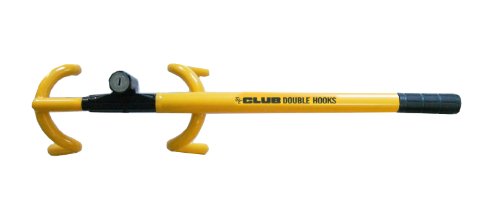
Winner International The Club 3000 Twin Hooks Steering Wheel Lock, Yellow : Automotive
View on AmazonWhat typically moves the needle:
- Vehicle value and type: Newer, higher‑value, and frequently stolen models cost more to insure.
- Your ZIP code: Weather risk (hail, hurricanes), theft/vandalism rates, and garaging (street vs. garage) affect rates.
- Chosen deductible: Higher deductible = lower premium. Many drivers choose $250, $500, or $1,000. Make sure you can afford the deductible in cash.
- Prior claims: Multiple comprehensive claims (e.g., frequent glass or theft claims) can increase costs.
- Credit‑based insurance score (where allowed): In many states, insurers can use credit‑based scores; better scores often mean lower rates.
- Anti‑theft and safety features: Alarms, immobilizers, and tracking devices may earn discounts.
- Annual mileage and usage: More time on the road can incrementally raise exposure to certain losses.
Typical scenarios (illustrative only—your rates will vary):
- 30‑year‑old in Ohio, 2018 Toyota Camry, garaged, $500 comprehensive deductible: comprehensive portion might run $120–$190 per year.
- 45‑year‑old in Colorado, 2022 Subaru Forester, driveway parking in a hail‑prone county, $500 deductible: $180–$300 per year is common.
- 25‑year‑old in Florida, 2020 Honda Accord, street‑parked in an urban ZIP, $1,000 deductible: $150–$260 per year.
If you’re bundling comprehensive with collision and higher liability limits (what many people call “full coverage”), the overall policy cost rises. For context on how to control those bigger numbers, see our guide: Full Coverage Car Insurance Cost: A Complete Guide to Rates & Savings.
How to compare comprehensive insurance options (what to look for)
Focus on more than just price. Here’s a smart checklist:
- Deductible choices: Quote at least two deductibles (e.g., $500 and $1,000) and make sure you can handle the out‑of‑pocket.
- Glass coverage: Ask about separate glass deductibles or “full glass” options, and whether OEM parts (original manufacturer parts) are used for windshield replacement.
- Claims experience: Look for 24/7 claims reporting, local repair networks, mobile glass service, and guaranteed repairs at partner shops.
- Total loss handling: How is ACV determined? Will they waive the deductible if you repair instead of total? Policies differ.
- Custom equipment: If you have aftermarket rims, stereos, or wraps, ask about an endorsement to fully cover them.
- Discounts: Anti‑theft devices, telematics (driving apps), paid‑in‑full, and bundling home/auto can reduce your premium. If you’re shopping multiple policies, this overview helps: Insurance Companies Explained: How They Work and How to Choose.
How to buy comprehensive coverage and get quotes
Shopping is straightforward if you take it step by step.
- Decide your must‑haves
- Choose a target deductible you can afford in an emergency.
- Decide on glass options (standard vs. full glass or lower glass deductible).
- If you have a loan/lease, confirm required coverages and deductible caps with your lender.
- Gather your info
- VINs for each vehicle, driver info, garaging address, estimated annual mileage, prior claims/policy history.
- Get at least three quotes
- Quote online, through a local independent agent, and/or through a captive agent. Keep coverages identical across quotes—same liability limits, same collision and comprehensive deductibles—so you’re comparing apples to apples. For a refresher on core coverages, see: Understanding Auto Insurance Coverage Types.
- Ask targeted questions
- How are OEM vs. aftermarket parts handled for glass and body repairs?
- Are there usage or mileage thresholds that affect pricing?
- What’s the turnaround time for mobile glass service in your area?
- Any state‑specific glass rules or offerings I should know about?
- Look for savings you actually qualify for
- Bundling home/auto, telematics programs, defensive driving courses, and anti‑theft discounts can help. If you’re exploring whether to carry only liability on an older car and add comprehensive selectively, this guide is useful: Liability-Only Car Insurance: Costs, Pros & How to Buy.
- Review the fine print, then bind coverage
- Verify deductibles, listed drivers, lienholder info, and endorsements. Save ID cards and enroll in paperless if it earns a discount.
If you want a simple next step: pick a deductible, then collect three quotes today with identical settings. That alone will help you see if your current price is in the right ballpark.
Quick FAQ: common comprehensive questions
- Will a comprehensive claim raise my rate? It can. Many insurers surcharge for any claim, but comprehensive claims are often surcharged less than at‑fault collision claims. Rules vary by insurer and state.
- Is hitting a deer comprehensive or collision? Usually comprehensive. Hitting another car, a fence, or a pothole is collision.
- Do I need comprehensive on a rental car? Your personal comprehensive typically carries over to a rental used for personal reasons, but check your policy and exclusions. The rental company’s waiver may still make sense for convenience.
- Does comprehensive cover flood? Yes, flood is typically a covered peril under comprehensive. If a hurricane is approaching, you usually cannot buy new coverage until moratoriums lift—don’t wait.
A quick note on personalized advice
Coverage needs vary a lot by driver, vehicle, and state. A brief call with a licensed agent can help you set deductibles you can live with and find state‑specific glass options or discounts you might miss online.
Your next step
- Decide on a comprehensive deductible you can afford tomorrow.
- Get three quotes with identical coverages and ask specifically about glass options.
- If you’re weighing liability‑only vs. “full coverage,” read: Understanding Auto Insurance Coverage Types and Full Coverage Car Insurance Cost: A Complete Guide to Rates & Savings.
When you understand what comprehensive insurance is and how it fits alongside collision and liability, you can choose with confidence—not guesswork.
Recommended Resources
Insurance For Dummies?: Hungelmann, Jack
Whether you’re a homeowner or ... need on: ... Author Jack Hungelmann <strong>uses his twenty-five years of experience in the insurance industry to make buying insurance as simple as possible</strong>
Hail Protector Inflatable Car Cover - CAR2 Size, Silver Portable System for Coupe, Sedan and Wagons 176-195 Inches in Length - Anti-Hail Protection : Automotive
Buy Hail Protector Inflatable Car Cover - CAR2 Size, Silver Portable System for Coupe, Sedan and Wagons 176-195 Inches in Length - Anti-Hail Protection: Full Car Covers - Amazon.com ✓ FREE DELIVERY po
Winner International The Club 3000 Twin Hooks Steering Wheel Lock, Yellow : Automotive
The Club'S Patented Self-Locking Feature Locks With One Pull. Keyless Locking, for ease of use ... The Club 3000 Twin Hooks Steering Wheel Lock is <strong>a part of The Club line of quality produ
Related Articles
- What Is Term Life Insurance? A Clear Guide to Coverage & Costs
- How Much Car Insurance Do I Need? A Practical Guide to Choosing Coverage
- Full Coverage Car Insurance Cost: A Complete Guide to Rates & Savings
- Commercial Insurance Coverage Basics: Essential Coverages, Costs, and How to Choose
- What Is Travel Insurance? A Practical Guide to Coverage, Costs, and When You Need It
- Insurance Companies Explained: How They Work and How to Choose
- Business Insurance Types Explained: What Each Policy Covers and How to Choose
- How to Get Car Insurance: What You Need to Know to Choose, Buy, and Save