
No Medical Exam Life Insurance: Compare Providers & Get Quotes
You’re looking at no medical exam life insurance because you want coverage without needles, lab work, or scheduling hassles. Here’s the bottom line: many people can qualify for solid protection with no exam, and the fastest way to see what you would actually pay is to compare quotes from 3–5 carriers. This guide shows you how no-exam policies work, who they’re best for, how costs stack up, and which providers to consider.
What is no medical exam life insurance?
No medical exam life insurance is a policy you can apply for without a physical exam or lab tests. Instead of sending a nurse to draw blood, insurers use accelerated underwriting (a data-driven review that replaces the exam for many applicants) or simplified issue underwriting (a short health questionnaire with no lab work) to make a decision.

Questions and Answers on Life Insurance: The Life Insurance Toolbook: Tony Steuer
Tony Steuer's book is <strong>an excellent introduction to the complex world of life insurance</strong>. In his easy-to-understand Question & Answer format, Steuer paints the big picture and
Check Price on AmazonHow it typically works:
- Online or phone application that takes 10–20 minutes.
- Health and lifestyle questions (e.g., prescriptions, diagnoses, tobacco use, risky hobbies).
- Data checks in the background, such as:
- Prescription database (records of medications you’ve been prescribed)
- MIB report (an industry database that notes prior life insurance applications and certain medical codes)
- MVR (motor vehicle report that shows driving history like DUIs or major violations)
- Credit-based identity check and, in some cases, EHR (electronic health records) with your authorization
- Instant decision or a quick review by an underwriter. Some cases may still be asked for an exam if the data is unclear.
In most cases, healthy applicants can be approved in minutes to days. Coverage amounts vary widely by policy type and age.
Who benefits from no-exam policies — pros and cons
No medical exam life insurance can be a smart path, but it’s not one-size-fits-all.
Who it often fits:
- People who want coverage quickly, like new parents, homebuyers, or business owners with a loan requirement.
- Healthy applicants who dislike needles and want a fully digital process.
- Seniors looking for smaller “final expense” coverage to handle burial or last bills.
- Applicants with well-managed, common conditions (like mild asthma or treated anxiety) who may still qualify without an exam.
Who may prefer a traditional exam policy:
- Shoppers chasing the lowest possible premium on large coverage amounts. Full underwriting with an exam sometimes unlocks a better rate class for very healthy people.
- Applicants with complex medical histories who could benefit from providing lab results to show stability or control.
Pros of no-exam life insurance:
- Speed and convenience: approvals often same day to a few days.
- No needles or scheduling.
- Competitive pricing for healthy applicants, especially with accelerated underwriting.
- Predictable process that’s mostly online.
Cons to keep in mind:
- Premiums can be higher than fully underwritten policies, especially for simplified issue or guaranteed issue.
- Coverage caps: many carriers limit no-exam face amounts, particularly at older ages.
- For guaranteed issue (no health questions), there’s typically a waiting period for natural causes in the first 2 years.
- Some applicants are still asked for an exam if the data is unclear — it’s not a guaranteed “no exam” for every case unless you choose a guaranteed issue policy.
Types of no-exam life insurance
1) Term life with accelerated or simplified underwriting
- Term life provides coverage for a set period (10, 15, 20, 30 years). It’s usually the most affordable way to buy larger coverage.
- Accelerated underwriting: many applicants skip the exam if the data looks good. Labs may still be requested for some.
- Simplified issue term: a shorter health questionnaire with no labs. Often has lower maximum face amounts and higher premiums than fully underwritten term.
- Good fit: healthy applicants who want $250,000 to $1,000,000+ quickly. Some carriers go higher depending on age/health.
- If you’re deciding between term and permanent options, see our explainer: Term vs. Whole Life Insurance: Which Is Right for You? (/life-insurance/term-vs-whole-life-insurance)
2) Simplified issue whole life
- Whole life provides lifelong coverage and builds cash value (a savings-like component you can borrow against).
- Simplified issue means no labs; approval is based on health questions and data checks.
- Face amounts are typically modest (e.g., $5,000–$50,000, sometimes higher depending on age and state).
- Premiums are higher than term for the same death benefit because coverage lasts for life and includes cash value.
3) Guaranteed issue whole life
- No exams and no health questions. You cannot be turned down if you meet the age range (often 50–80, varies by carrier and state).
- Graded death benefit: for the first 2 years, death from natural causes typically pays a limited benefit (e.g., a return of premiums plus interest). Accidental death is usually covered immediately.
- Face amounts are small (often $5,000–$25,000). Premiums are higher per dollar of coverage because the insurer accepts everyone.
4) Final expense insurance
- A type of small whole life policy intended to cover funeral costs and last bills.
- Can be simplified issue (health questions, no exam) or guaranteed issue (no questions, graded benefit).
- Often a fit for seniors who want permanent coverage without a medical exam. If you’re comparing options at older ages, start here: Life Insurance for Seniors Over 70: Options, Costs & How to Buy (/life-insurance/life-insurance-for-seniors-over-70-options-costs-how-to-buy)
How premiums and coverage compare to traditional policies
With full underwriting (exam + labs), insurers have more medical data, which can mean better rates for the healthiest applicants and higher maximum face amounts. No-exam policies trade some medical detail for speed and convenience, which typically leads to:
- Slightly higher premiums than fully underwritten term for the same person and coverage
- Lower maximum face amounts at older ages or with health issues
- Potential waiting periods for guaranteed issue policies
Here are illustrative ranges to set expectations — real quotes will vary by state, insurer, health, and many other factors.
Example 1: Healthy 35-year-old non-smoker in Texas, $500,000, 20-year term
- Fully underwritten (with exam): around $18–$28 per month for many applicants
- Accelerated no-exam term: around $20–$32 per month for many applicants
- Simplified issue term: around $28–$45 per month
- Guaranteed issue: not available at this face amount
Example 2: Healthy 45-year-old non-smoker, $500,000, 20-year term
- Fully underwritten: around $35–$55 per month
- Accelerated no-exam term: around $42–$65 per month
- Simplified issue term: around $55–$85 per month
Example 3: 60-year-old non-smoker, $25,000 final expense whole life
- Simplified issue whole life: around $70–$110 per month
- Guaranteed issue whole life (graded for 2 years): around $95–$150 per month
These are ballpark figures for educational purposes only — insurers price differently, and individual results can be higher or lower. If you’re focused on keeping term premiums down, our guide can help: Affordable Term Life Insurance: How to Get the Right Coverage for Less (/life-insurance/affordable-term-life-insurance-right-coverage-less)
How to compare no-exam quotes (what actually matters)
- Financial strength: Look for insurers rated A- or better by AM Best (a company that rates insurers’ ability to pay claims).
- Underwriting path: Is it accelerated (exam waived for many) or guaranteed issue (no questions but graded benefits)?
- Coverage limits: Maximum face amount by age, and whether you can layer multiple policies if needed.
- Waiting period: Especially for guaranteed issue, confirm graded benefit terms.
- Price per dollar of coverage: Compare annual cost per $1,000 of coverage to see value.
- Riders (optional add-ons): Accelerated death benefit (access part of the benefit if terminally ill), waiver of premium (pauses premiums if you’re disabled), children’s term rider, accidental death.
- Conversion options: For term, can you convert to a permanent policy later, and until what age?
- Digital experience: Instant decisions, e-signature, policy management online.
- Customer support: Access to licensed agents for questions and changes over time.
Top no-exam life insurance providers and plan highlights
Availability and limits vary by state and profile. Carriers may still request an exam if your data is unclear unless you choose guaranteed issue.
- Haven Life (issued by MassMutual): Haven Simple offers guaranteed no-exam term up to certain limits; Haven Term often waives the exam for eligible applicants. Strong financial backing (AM Best A++ for MassMutual as of 2024). Fast online process.
- Bestow (issued by North American Company for Life and Health Insurance): 100% online simplified term with no medical exam for eligible ages/amounts. Quick decisions; strong carrier ratings (A+ as of 2024).
- Ladder: Flexible term coverage you can adjust online (“laddering” coverage). Many healthy applicants skip the exam, but labs may be requested in some cases. Policies issued by well-rated insurers.
- Ethos: Online platform that matches applicants to multiple carriers for simplified and guaranteed issue coverage. Very fast application; carriers behind the scenes are A- to A+ rated in most cases.
- Mutual of Omaha: Popular for simplified final expense and guaranteed issue whole life (small permanent coverage). Known for straightforward underwriting and strong financials (A+ as of 2024).
- Corebridge (formerly AIG): Guaranteed issue whole life with graded benefits (no health questions). Designed for modest final expense needs.
- Gerber Life: Guaranteed issue whole life for seniors with simple online or phone applications; modest face amounts and graded benefits.
- Banner Life (Legal & General America): Accelerated underwriting term often with no exam for many applicants up to certain face amounts. Strong financial strength (A+ as of 2024).
- Lincoln Financial (TermAccel): Built for accelerated underwriting with fast decisions; many healthy applicants avoid the exam within program limits.
- Protective: Competitive term pricing with an accelerated path that can waive exams for qualifying applicants; strong financial ratings (A+ as of 2024).
Trust signals to check yourself: current AM Best rating, years in business, and whether the policy form is approved in your state. If you want a broader view of highly rated companies and how to choose among them, see Best Life Insurance: Top Picks & How to Choose (2026 Guide) (/life-insurance/best-life-insurance-top-picks-how-to-choose-2026)
How to apply for no-exam life insurance
Here’s the typical step-by-step process and what to expect.

Smead Life Documents Drawer Kit (92015)
View on Amazon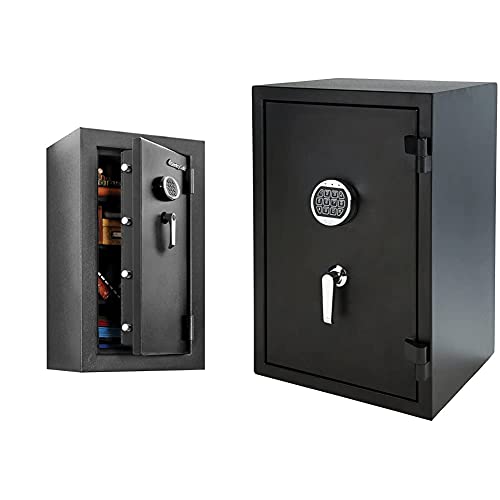
SentrySafe Waterproof and Fireproof Alloy Steel Digital Safe Box for Home with Code Button Keypad, 1.23 Cubic Feet, 17.8 x 16.3 x 19.3 Inches (exterior), SFW123GDC - Gun Safes And Cabinets - Amazon.com
View on Amazon- Decide on coverage amount and term length
- A common rule of thumb is 10–15x your annual income, or enough to cover your mortgage, debts, and years of living expenses. Parents often choose 20- or 30-year terms to cover the child-raising window.
- Pre-qualify and compare quotes from 3–5 carriers
- Submit basic info (age, state, smoking status, coverage amount). You’ll see starting prices that can narrow your options quickly.
- Complete the application
- Health and lifestyle questions: diagnoses, prescriptions, height/weight, blood pressure/cholesterol history, family history (e.g., early heart disease), tobacco or cannabis use, DUI/reckless driving, risky hobbies (e.g., skydiving, scuba diving), and recent medical tests.
- Consent for data checks: prescription history, MIB, MVR, and possibly EHR (electronic health records). These help confirm your answers.
- Get a decision
- Instant approval is common for straightforward cases.
- If something needs clarification, an underwriter may ask follow-up questions or, in some cases, request an exam. You can decline and apply elsewhere, but approval and pricing may change.
- E-sign and pay the first premium
- Most carriers offer e-signature and autopay options. You choose a draft date.
- Policy is active
- You’ll receive your policy documents digitally or by mail. Keep beneficiary information current and store a copy where loved ones can find it.
Timeline: many applicants finish in one sitting and get a decision in minutes. Others may take 24–72 hours. Guaranteed issue policies often approve the same day.
Helpful note: A licensed agent can help you right-size coverage and flag underwriting pitfalls before you apply, especially if you’ve had a recent diagnosis or a DUI. If you want a quick refresher on picking amounts and comparing quotes, start here: Life Insurance: How to Choose the Right Policy and Get Quotes (/life-insurance/life-insurance-choose-right-policy-get-quotes)
Call-to-action: The smartest, fastest way to see your real rate is to compare personalized quotes from at least 3–5 carriers side by side. It takes minutes and can save you meaningful money over the life of the policy.
State and regulatory notes: what varies where you live
Life insurance is regulated at the state level, so certain protections and rules can differ depending on your state.
- Free-look period: You typically have at least 10 days (often longer) to review your policy and cancel for a full refund if it’s not right.
- Contestability period: For the first 2 years, the insurer can investigate a claim for material misrepresentation (leaving out or misstating health info). Be accurate on your application.
- Suicide clause: Usually limited to 1–2 years depending on state law and the policy form.
- Graded benefits (guaranteed issue): Most states allow a 2-year graded period for natural causes; accidental death is usually covered immediately. Read this section carefully before you buy.
- Policy form approval: Your state’s department of insurance must approve policy forms and rates. That’s why product names, limits, and riders can differ by state.
- Replacement rules: If you replace an existing policy, some states require disclosure forms to confirm you understand the trade-offs. Don’t cancel old coverage until the new policy is in force.
To check specific rules, search for your state’s department of insurance website and look for consumer sections on life insurance, complaint data, and company lookup tools.
Common buyer questions and pitfalls
Q: Are no-exam policies legit and are claims paid? A: Yes. Reputable insurers pay claims according to the policy terms. For the first 2 years (the contestability period), all policies — exam or no exam — can be reviewed for misstatements. Answer truthfully to avoid problems.
Q: Will my preexisting condition be covered? A: In most cases, yes — life insurance pays for covered causes of death regardless of preexisting conditions, as long as you disclosed them accurately and the policy is beyond any waiting period (for guaranteed issue) and not otherwise excluded. Underwriting may charge a higher premium or decline certain conditions.
Q: What are the age limits? A: They vary by policy type and carrier. Many accelerated term programs go to ages 60–65 (sometimes older with lower face amounts). Simplified issue and guaranteed issue whole life commonly serve ages 50–80. For older applicants comparing options, see Life Insurance for Seniors Over 70 (/life-insurance/life-insurance-for-seniors-over-70-options-costs-how-to-buy)
Q: What is a graded death benefit? A: It’s a waiting period (usually 2 years) in guaranteed issue policies during which death from natural causes pays a limited benefit (often return of premiums plus interest). Accidental death is usually covered in full from day one.
Q: Are there exclusions I should know about? A: Standard ones include suicide (during the suicide clause period) and misrepresentation during the contestability period. High-risk activities may be excluded or rated up depending on the policy.
Q: Can I add riders? A: Often yes. Common riders include accelerated death benefit (access part of the benefit if you’re diagnosed with a terminal illness), waiver of premium (premium is waived if you meet the policy’s definition of disability), children’s term rider, and accidental death benefit. Availability varies by state and carrier.
Q: Can I convert my term policy later? A: Many term policies include a conversion option (switch to a permanent policy without new medical underwriting) up to a certain age or year of the term. Some simplified no-exam terms have limited or no conversion — ask before you buy.
Q: Can I increase or decrease coverage after buying? A: Some carriers allow face amount changes (within limits), while others require a new application. One strategy is “laddering” — owning multiple term policies that expire at different times so you can drop coverage as needs shrink.
Common pitfalls to avoid:
- Assuming “no exam” means “guaranteed approval.” Only guaranteed issue is truly no-questions-asked (with graded benefits). Others still underwrite based on your answers and data checks.
- Understating health or lifestyle details. It can cause higher premiums, withdrawal of an offer, or claim issues during the contestability period.
- Buying less coverage than you need to keep the premium low. If budget is tight, consider a slightly shorter term or a laddered approach rather than underinsuring.
- Cancelling an existing policy before the new one is active. Always keep coverage in force until you confirm your new policy is issued and paid.
A quick reality check on price
For healthy applicants, accelerated no-exam term can be very close in price to traditional exam-based term — especially at younger ages. If the best available rate matters most, it’s worth checking both no-exam and exam-based options. If speed and simplicity matter more, a no-exam path is usually the best user experience.
Call-to-action: See your real price in minutes — compare no-exam quotes from multiple top-rated insurers. Checking 3–5 options is typically where shoppers find the sweet spot between cost and convenience.
Note: This guide is educational and not individualized advice. For a recommendation based on your health and goals, speak with a licensed agent. If you’re exploring permanent coverage options (including whole life), you can also review: Whole Life Insurance Explained: Benefits, Costs, and How to Buy (/life-insurance/whole-life-insurance-explained-benefits-costs-how-to-buy)
Recommended Resources
Questions and Answers on Life Insurance: The Life Insurance Toolbook: Tony Steuer
Tony Steuer's book is <strong>an excellent introduction to the complex world of life insurance</strong>. In his easy-to-understand Question & Answer format, Steuer paints the big picture and
SentrySafe Waterproof and Fireproof Alloy Steel Digital Safe Box for Home with Code Button Keypad, 1.23 Cubic Feet, 17.8 x 16.3 x 19.3 Inches (exterior), SFW123GDC - Gun Safes And Cabinets - Amazon.com
<strong>SentrySafe Medium Gray Fireproof Safe and Waterproof Safe Box with Dial Combination, Home Security for Money, Documents, or other Valuables</strong>, 1.23 Cubic Feet, SFW123DSB
Smead Life Documents Drawer Kit (92015)
... The life documents drawer kit (filing contents only) <strong>helps you organize and store Key life documents such as wills & trusts, Health care directives, investment and Retirement plans, ma
Related Articles
- How to Lower Life Insurance Premiums: A Practical Guide to Discounts & How to Qualify
- Cheap Life Insurance for Young Adults: How to Get Affordable Coverage without Overpaying
- Term Life Insurance: Complete Guide to Coverage, Cost & Getting Quotes
- Best Rates for Term Life Insurance: How to Compare Quotes and Lower Your Premiums
- How to Save on Life Insurance: Practical Ways to Lower Your Premiums
- How to Find Cheap Life Insurance: Smart Ways to Lower Your Premiums Without Sacrificing Coverage
- Affordable Term Life Insurance: How to Get the Right Coverage for Less
- Life Insurance for Young Adults: Why to Buy Now, What to Choose, and How to Save