
What Is Liability Insurance? Types, Coverage, and Who Needs It
What Is Liability Insurance? Types, Coverage, and Who Needs It
You keep hearing the term and you just want a straight answer: what is liability insurance, what does it actually cover, and do you really need it? Here’s the short version: liability insurance helps pay for injuries or damage you (or your business) cause to other people, plus the legal defense if you’re sued. Now let’s get into the details that actually matter when choosing the right protection.
What is liability insurance?
Liability insurance is coverage that pays, up to your policy limit (the maximum your insurer will pay), when you’re legally responsible for someone else’s bodily injury (medical bills, lost wages, pain and suffering) or property damage (repair or replacement). It also typically covers your legal defense costs (what your lawyer and court fees cost) if a claim turns into a lawsuit—even if the claim is groundless.
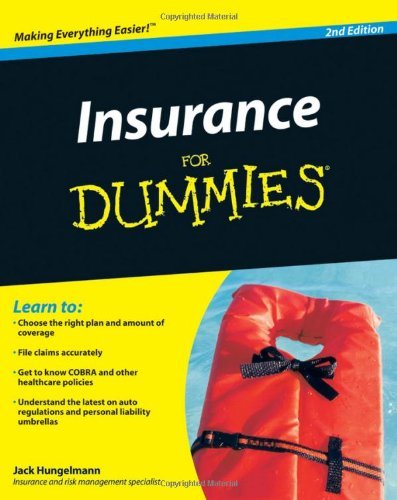
Insurance For Dummies?: Hungelmann, Jack
Whether you’re a homeowner or ... need on: ... Author Jack Hungelmann <strong>uses his twenty-five years of experience in the insurance industry to make buying insurance as simple as possible</strong>
Check Price on AmazonThink of it as protection for your bank account and your business reputation when something goes wrong. Without it, you’d pay out of pocket.
We’ll use “deductible” often here. A deductible is the amount you pay out of pocket before insurance kicks in. Not every liability policy has a deductible, but many do (and some use a “self-insured retention,” which works like a larger, claim-by-claim deductible paid before the insurer defends or pays).
Main types of liability insurance
Liability insurance isn’t one-size-fits-all. Here are the core types most people and businesses consider.
General Liability (GL)
General liability (GL) protects businesses if someone is injured on your premises (slip-and-fall) or you accidentally damage someone else’s property while doing your work. It also typically includes “personal and advertising injury” (for example, libel, slander, or certain copyright issues in your ads). GL policies are usually “occurrence” policies (explained below), which respond based on when the incident happened.
Typical buyers: retailers, contractors, restaurants, consultants with in-person client interactions.
Professional Liability (Errors & Omissions, or E&O)
Professional liability covers financial losses a client suffers because of your professional mistake, missed deadline, or bad advice. Example: a tax preparer makes an error that triggers penalties for a client. E&O is typically written on a “claims-made” basis (the policy that’s active when the claim is made responds, as long as the mistake occurred after the “retroactive date,” the earliest date your coverage applies to). You can buy “tail coverage” to extend reporting time after a policy ends.
Typical buyers: accountants, consultants, engineers, designers, lawyers, healthcare providers (medical malpractice is a specialized form).
Product Liability
Product liability covers injuries or property damage caused by a product you make, distribute, or sell—think a battery that overheats and causes a fire. Some GL policies include basic product liability; higher-risk products often need separate or higher limits.
Typical buyers: manufacturers, importers, wholesalers, online sellers.
Employer’s Liability and Employment Practices Liability (EPLI)
Employer’s liability (often bundled with workers’ compensation) helps protect your business if an employee sues you for a work-related injury outside the workers’ comp system (for example, a third-party-over action). Employment Practices Liability Insurance (EPLI) is separate—it covers claims like wrongful termination, discrimination, or harassment. State rules vary widely for workers’ comp and employer’s liability requirements.
Commercial Auto Liability
Commercial auto liability covers injuries and damage you (or an employee) cause while driving a covered business vehicle. Most states require minimum liability limits to register or operate vehicles. If you only need to meet legal minimums for a personal car, see our guide to Liability-Only Car Insurance: Costs, Pros & How to Buy. For a quick refresher on auto coverage types, visit Understanding Auto Insurance Coverage Types.

Garmin Dash Cam 67W, 1440p and Extra-Wide 180-degree FOV, Monitor Your Vehicle While Away w/New Connected Features, Voice Control, Compact and Discreet, Includes Memory Card - 010-02505-05 : Electronics
View on AmazonUmbrella and Excess Liability
Umbrella insurance provides extra liability limits above your underlying policies (GL, auto, employer’s liability). It can also broaden coverage in some cases. If a catastrophic claim exceeds your base policy limit, the umbrella is designed to kick in. See our Umbrella Insurance Guide: Do You Need Extra Liability Coverage? to understand how these layers work together.
Other specialized liability coverages
- Cyber liability: Covers data breach costs, ransomware, and privacy claims.
- Directors & Officers (D&O): Protects leaders for alleged mismanagement that harms the company or stakeholders.
- Liquor liability: For businesses that serve alcohol.
- Environmental/pollution liability: For contamination and cleanup costs.
What liability insurance covers — common examples and real-world scenarios
Coverage varies by policy, but here are typical situations where liability insurance helps.
- Customer slip-and-fall (GL): A customer trips on your wet floor, breaks a wrist, and sues. GL can pay medical bills, lost wages, and your legal defense.
- Property damage during work (GL): Your crew accidentally knocks a ladder onto a client’s car. GL covers the repair costs.
- Advertising injury (GL): A competitor alleges your ad copied their slogan. GL’s personal and advertising injury coverage may respond.
- Professional mistake (E&O): You design a website with a payment flaw that causes your client revenue loss. E&O can cover the financial damages and defense.
- Product defect (Product Liability): Your imported kitchen tool breaks and cuts a user. Product liability can handle medical costs and claims.
- Commercial auto crash: Your driver rear-ends another vehicle while making deliveries. Commercial auto liability covers injuries, vehicle repairs, and legal defense.
- Employee claim against employer: An employee sues alleging negligence beyond workers’ comp. Employer’s liability may respond; EPLI addresses wrongful termination or discrimination claims.
- Big-loss scenario with umbrella: A severe accident leads to a $1.5M judgment. Your GL limit is $1M; your umbrella provides the additional $500K (up to its limit).
What’s usually not covered:
- Your own injuries or your property (that’s what workers’ comp or property insurance covers)
- Intentional or criminal acts
- Contractual liability you voluntarily assume (unless specifically covered by endorsement)
- Professional services under a GL policy (that belongs under E&O)
- Certain high-risk operations or products unless added by endorsement
Always read the policy’s exclusions (things not covered) and endorsements (add-ons that change the base policy) so you know the boundaries.
Liability limits, deductibles, and exclusions (how to read a policy)
Understanding a few key terms will help you compare apples to apples.
- Per-occurrence limit: The most the insurer pays for a single claim. Example: $1,000,000 per occurrence.
- Aggregate limit: The most the insurer pays for all claims during the policy term (usually a year). Example: $2,000,000 annual aggregate.
- Sublimits: Smaller caps inside your main limit for specific risks (e.g., $250,000 for fire legal liability).
- Deductible: The amount you pay before insurance pays. Not all liability policies have one; if they do, higher deductibles usually mean lower premiums.
- Self-Insured Retention (SIR): Like a deductible but typically you pay it and manage the claim to a point before the insurer steps in with defense and indemnity (payment to the injured party).
- Defense costs inside vs. outside limits: If defense is “inside,” legal costs reduce your limit. “Outside” means defense is paid in addition to the limit. Outside is better but not always available.
- Occurrence vs. claims-made:
- Occurrence: The policy that was active when the incident happened responds, even if the claim arrives years later.
- Claims-made: The policy that is active when the claim is made responds, as long as the incident occurred after the retroactive date (the earliest date covered). Consider “tail coverage” to report claims after the policy ends.
- Endorsements: Add or narrow coverage. Common requests include “additional insured” status (extending your coverage to a landlord or client), “primary and non-contributory” wording (your policy pays before others), and “waiver of subrogation” (the insurer won’t seek recovery from a specified party). These can affect cost.
Pro tip: Ask your agent whether your defense costs are inside or outside limits and whether your policy is occurrence or claims-made. It greatly affects how much protection you truly have.
Who needs liability insurance? Personal vs. business and state rules
Most people and businesses need some liability protection. How much and what kind depends on your risks and, in some cases, your state’s laws.
- Individuals and families: Homeowners and renters policies include personal liability (for injuries or damage you cause to others away from a vehicle). Auto liability is required in most states to drive legally. If your net worth or future earnings are at risk, consider a personal umbrella to add extra protection above your home and auto policies. See our Umbrella Insurance Guide: Do You Need Extra Liability Coverage?.
- Small businesses: Even low-risk businesses often carry GL to satisfy landlord or client requirements and to protect against slip-and-fall and property damage claims. Professional services typically add E&O. Product sellers and makers need product liability. If you use vehicles for business, you likely need commercial auto liability. For a deeper dive on getting solid protection without overpaying, see our resource on Affordable Business Liability Coverage.
- Legal requirements by state: Auto liability is required in nearly all states (limits vary by state). Workers’ compensation is required for most employees, and it commonly includes employer’s liability. Certain professions (like lawyers or healthcare providers) may face licensing or client-contract requirements for E&O or malpractice coverage depending on your state. Always check your state’s Department of Insurance and any licensing boards for specific mandates.
If you’re unsure what’s required vs. recommended, a licensed agent can map your operations to state rules and typical client/landlord demands.
How much does liability insurance cost?
Rates vary by state, industry, revenue, claims history, coverage limits, and more. But here are typical ranges many small businesses and individuals see. Your price may be higher or lower.
- General Liability (small business): Often between $30–$85 per month for a $1M per-occurrence / $2M aggregate limit for low-risk operations. Contractors, manufacturers, and higher-risk businesses can pay more.
- Professional Liability (E&O): Commonly $50–$150+ per month for $1M limits for lower-risk professions; specialized services or higher revenues typically cost more.
- Product Liability: Can range from a rider on GL for low-risk sellers to several hundred dollars per month for higher-risk products or larger sales volumes.
- Commercial Auto Liability: Built into your commercial auto premium; pricing depends on vehicle type, driving records, garaging location, and limits chosen. If you’re comparing personal auto liability options, our guide on Liability-Only Car Insurance can help with expectations.
- Umbrella/Excess: Often a few hundred to over a thousand dollars per year per additional $1M, depending on underlying risks and claims history.
What drives your premium up or down:
- Risk profile: Nature of operations, foot traffic, product hazard, professional services risk.
- Limits and deductibles: Higher limits cost more; higher deductibles can lower your premium.
- Claims history: Prior paid claims, frequency, and severity.
- Revenue and payroll: Insurers often use these to scale exposure.
- Location: Legal environment and medical costs vary by state and even by county.
- Contract requirements: Endorsements like additional insured, waiver of subrogation, and primary/non-contributory can add cost.
Insurers also look at risk controls: safety training, quality assurance, contracts with hold-harmless and insurance requirements for subcontractors, and cyber hygiene (for cyber policies). Better controls can often help your rate.
How to buy liability insurance: steps, comparison tips, and when to bundle
Here is a simple, no-drama way to shop liability coverage.
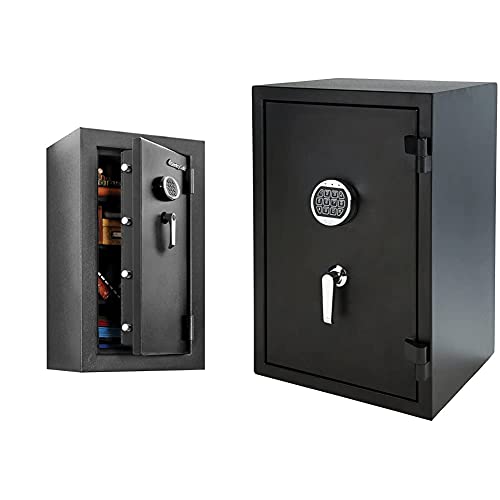
SentrySafe Waterproof and Fireproof Alloy Steel Digital Safe Box for Home with Code Button Keypad, 1.23 Cubic Feet, 17.8 x 16.3 x 19.3 Inches (exterior), SFW123GDC - Gun Safes And Cabinets - Amazon.com
View on Amazon- Identify your exposures
- How do you interact with the public? Any premises risks? Do you give advice? Do you make/sell products? Do employees drive for you?
- What do your contracts require for limits and endorsements?
- Choose baseline limits
- Many small businesses start with $1M per occurrence / $2M aggregate GL and adjust up for contracts or risk.
- For E&O, consider your typical project size, worst-case loss, and client requirements.
- For auto, choose limits higher than state minimums if you can—medical and legal costs add up fast. For a refresher on coverage parts, see Understanding Auto Insurance Coverage Types.
- Gather underwriting info
- Business: legal name, years in business, revenues, payroll, operations description, prior claims, subcontractor use.
- Personal: household drivers, driving records, property details.
- Compare quotes the right way
- Match limits and deductibles across quotes.
- Note defense inside vs. outside limits.
- Confirm occurrence vs. claims-made and retro date for E&O.
- Review key exclusions, sublimits, and required endorsements (additional insured, waiver of subrogation, primary/non-contributory).
- Ask how certificates of insurance (COIs) are issued and how fast—many clients demand quick turnaround.
- Consider bundling
- Business: A Business Owner’s Policy (BOP) can package GL and property for a discount. Adding commercial auto or workers’ comp with the same carrier may help. An umbrella can increase limits cost-effectively across GL and auto.
- Personal: Bundling home and auto often reduces premiums; adding a personal umbrella can be surprisingly affordable.
- Keep it current
- Update your insurer when revenues, payroll, or operations change.
- Calendar your renewal 45–60 days ahead to review claims, adjust limits, and shop if needed.
Frequently asked questions
- What is liability insurance in one sentence? It’s coverage that helps pay for injuries or damage you cause to others, plus legal defense, up to your policy limits.
- Do I need liability insurance if I’m an LLC? Usually yes. An LLC protects personal assets to a point, but it doesn’t pay claims or lawsuits—that’s what liability insurance is for.
- What limits should I carry? Many small businesses start at $1M/$2M for GL and $1M for E&O, then adjust for contracts, risk, and budget. Higher-risk work and bigger clients may require more.
- What’s the difference between general and professional liability? GL covers bodily injury/property damage and advertising injury; E&O covers financial losses from your professional mistakes or advice.
- Is liability insurance required by law? Auto liability is required in most states. Workers’ comp (and employer’s liability within it) is typically required if you have employees. GL and E&O are often contract-required but not state-mandated.
- Are defense costs covered? Typically yes, but check if defense is inside or outside your limit—it matters a lot in big claims.
- Is liability insurance tax-deductible? For businesses, premiums are typically deductible as an ordinary business expense. Ask your tax advisor.
- Will GL cover my work vehicle? No. You need commercial auto liability for vehicles used in business.
- Do I need product liability if I only resell? Often yes. Sellers can be pulled into product lawsuits even if they didn’t manufacture the item.
- How fast can I get proof of coverage? Many carriers and brokers can issue a certificate of insurance (COI) same-day once the policy is bound.
The licensed-agent advantage and your next step
A good licensed agent will translate the fine print, flag exclusions that matter for your work, and help set realistic limits so you’re not underinsured or overpaying. They can also help with contract compliance—getting the exact additional insured, primary/non-contributory, and waiver of subrogation wording your clients or landlord require.
Your next step: list your exposures, pick a target limit, and gather your details (operations summary, revenue/payroll, prior claims). Then compare at least two quotes side by side—matching limits, deductibles, occurrence vs. claims-made, and defense cost treatment. If you need a refresher on business options and saving strategies, visit our page on Affordable Business Liability Coverage.
As always, costs and coverage vary by state, business type, and individual factors. Talk with a licensed professional for advice tailored to your situation.
Recommended Resources
Insurance For Dummies?: Hungelmann, Jack
Whether you’re a homeowner or ... need on: ... Author Jack Hungelmann <strong>uses his twenty-five years of experience in the insurance industry to make buying insurance as simple as possible</strong>
Garmin Dash Cam 67W, 1440p and Extra-Wide 180-degree FOV, Monitor Your Vehicle While Away w/New Connected Features, Voice Control, Compact and Discreet, Includes Memory Card - 010-02505-05 : Electronics
The pocket-sized Garmin Dash Cam™ 67W with voice control (only available in English, German, French, Spanish, Italian and Swedish) <strong>automatically records 1440p video and provides discreet eyewi
SentrySafe Waterproof and Fireproof Alloy Steel Digital Safe Box for Home with Code Button Keypad, 1.23 Cubic Feet, 17.8 x 16.3 x 19.3 Inches (exterior), SFW123GDC - Gun Safes And Cabinets - Amazon.com
<strong>SentrySafe Medium Gray Fireproof Safe and Waterproof Safe Box with Dial Combination, Home Security for Money, Documents, or other Valuables</strong>, 1.23 Cubic Feet, SFW123DSB
Related Articles
- Understanding Business Liability Insurance: What It Covers, Who Needs It, and How to Choose
- Liability-Only Car Insurance: Costs, Pros & How to Buy
- What Is Term Life Insurance? A Clear Guide to Coverage & Costs
- Business Insurance Types Explained: What Each Policy Covers and How to Choose
- What Is Umbrella Insurance? A Simple Guide to Extra Liability Coverage
- Auto Insurance Requirements by State — State‑by‑State Coverage Rules & What You Really Need
- What Does Renters Insurance Cover? Coverage, Limits, Exclusions & Add‑Ons Explained
- What Is Comprehensive Insurance? A Plain‑Language Guide