
How to Lower Life Insurance Premiums: A Practical Guide to Discounts & How to Qualify
You want solid coverage, but the price tag gives you pause. The good news: there are real, legitimate discounts on life insurance premiums — and several you can actually qualify for with a little planning. This guide breaks down what’s available, how much you can typically save, what proof you’ll need, and how to compare offers so you aren’t leaving money on the table.
The two ways “discounts” really work in life insurance
Before we catalog the deals, here’s how savings usually show up:
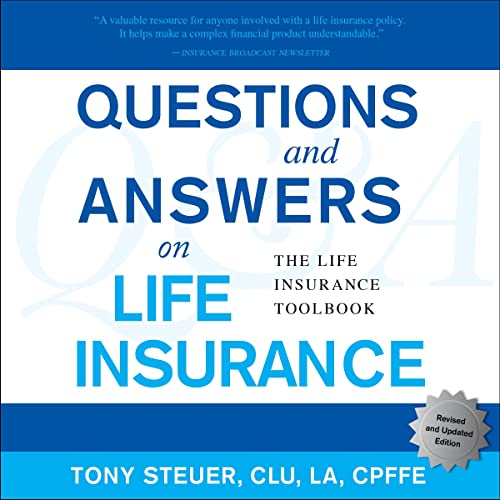
Questions and Answers on Life Insurance: Steuer, Tony
*Amazon Best Seller in Life Insurance* Questions and Answers on Life Insurance is <strong>an extremely useful and one of a kind resource for anyone looking for a simple way to understand life insuranc
Check Price on Amazon- Underwriting class improvements: This is the big one. Your underwriting class (for example, Preferred Plus, Preferred, Standard) is the risk category assigned after the carrier reviews your health, nicotine use, build/weight, labs, driving, and other factors. A better class can lower premiums dramatically — often much more than any small administrative discount.
- Administrative or program discounts: Smaller, stackable savings like autopay, e-delivery, or multi-policy credits that cut a few percentage points from your bill.
Carriers don’t always label underwriting outcomes as “discounts,” but in practice, that’s where most of the savings live.
Common discounts on life insurance premiums and how to qualify
Non-smoker/non-nicotine status
- What it is: Lower rates for people who haven’t used nicotine (including cigarettes, vaping, chewing tobacco, nicotine patches/gum) for a set period.
- Typical requirement: 12 months nicotine-free for non-smoker rates, sometimes 24–36 months for top-tier classes.
- Verification: Cotinine test (a lab test that detects nicotine) as part of the medical exam; questions about usage.
- Notes: Some carriers treat occasional cigars differently if you test negative and disclose use; policies vary.
Healthy-living and wellness programs
- What it is: Credits or better classes for maintaining good health metrics, or small ongoing discounts tied to activity trackers.
- Typical requirement: Meeting targets like healthy BMI (body mass index — a height/weight measure), favorable blood pressure and cholesterol ratios, and stable lab results. Some programs award points for steps, gym visits, or preventive care.
- Verification: Medical exam results, medical records, or wearable/app data if you opt in.
- Privacy tip: Read data-sharing policies; you can usually participate without sharing beyond what’s needed.
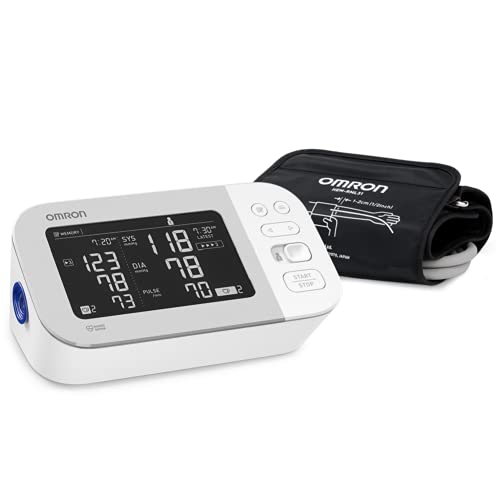
OMRON Platinum Blood Pressure Monitor, Upper Arm Cuff, Digital Bluetooth Blood Pressure Machine, Stores Up To 200 Readings for Two Users (100 readings each) : Everything Else
View on AmazonMulti-policy or family/household discounts
- What it is: A percentage off when you bundle life with auto/home, or when multiple family members buy policies from the same carrier.
- Typical requirement: Owning eligible policies with the same insurer, or multiple approved applications issued together.
- Verification: Carrier checks your active policy numbers or concurrent applications.
Employer and group plans
- What it is: Group life through an employer or association often has lower, subsidized rates and easier approval (sometimes “guaranteed issue,” meaning no medical questions up to a limit).
- Typical requirement: Active employment or current membership.
- Verification: Employer payroll/benefits enrollment or proof of membership.
- Watch-out: Portability can be limited when you leave the job; supplemental individual coverage keeps you protected if employment changes.
Online application, autopay, and e-delivery
- What it is: Small “operational efficiency” discounts or credits for applying online, paying via ACH autopay, and accepting electronic documents.
- Typical requirement: Use the carrier’s e-app, enroll in autopay, consent to e-delivery.
- Verification: The carrier tracks enrollment and delivery preferences.
Wearables-based and activity-tracker programs
- What it is: Ongoing credits or points that can reduce future premiums (or provide gift cards) when you meet activity goals.
- Typical requirement: Linking a compatible device/app and meeting monthly or annual benchmarks.
- Verification: Synced activity data; periodic program checks.
- Tip: These discounts are usually modest but can add up, and some programs offer immediate premium credits.
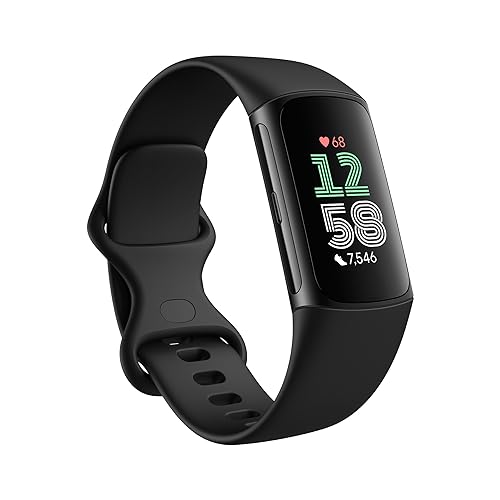
Fitbit Charge 6 Fitness Tracker with Google apps, Heart Rate on Exercise Equipment, 6-Months Premium Membership Included, GPS, Health Tools and More, Obsidian/Black, One Size (S & L Bands Included)
View on AmazonAffinity and professional association discounts
- What it is: Price breaks for members of certain alumni groups, professional associations, or credit unions.
- Typical requirement: Active membership.
- Verification: Membership number or letter; the carrier validates eligibility.
How much do discounts on life insurance premiums save? Realistic ranges and examples
Savings vary by age, health, policy type, and state. Here’s what’s typical in the market today:
- Underwriting class improvement (the big lever): Moving from Standard Non-Tobacco to Preferred Plus can cut term rates by 25–50% depending on age and term length. For permanent policies, the impact is also meaningful because charges are lower for healthier applicants.
- Non-smoker vs. smoker: Smoker rates can be 2–3x higher than non-smoker rates. Moving from Smoker to Non-Smoker status after 12–24 months can slash costs dramatically when you re-qualify.
- Multi-policy/family: Commonly 2–10% off eligible premiums.
- Autopay/e-delivery/online: Often 1–3% total, or a small flat credit in the first year.
- Wellness/wearables: 2–10% in many programs, sometimes paid as annual credits rather than a line-item discount.
- Group/employer: Can be significantly lower than individual rates, especially if subsidized by the employer. However, maximum coverage amounts may be capped without medical questions.
Example 1: Term life for a healthy non-smoker
- Profile: 35-year-old non-smoker in Texas seeking $500,000 of 20-year term coverage.
- Typical baseline: Many carriers might land in the range of roughly $18–30/month for Preferred to Preferred Plus (men often toward the higher end; women typically a bit lower). Rates vary by carrier and your exact health profile.
- Add small stackable discounts: Autopay and e-delivery might trim 1–3% combined, translating to a modest monthly reduction.
- What actually moves the needle: Qualifying for Preferred Plus vs. Preferred could save several dollars per month over 20 years — often more total savings than any administrative credits.
Example 2: Smoker moving to non-smoker
- Profile: 40-year-old who quit smoking 18 months ago.
- Typical path: If you can show 12–24 months nicotine-free and pass the cotinine test, you may qualify for non-smoker rates on a new policy or via reconsideration (if your insurer allows it). This can reduce premiums by 30–60% compared to smoker rates, depending on age and term.
Example 3: Whole life vs. term
- Whole life (a permanent policy that lasts your entire life and often builds cash value) has higher premiums than term (coverage for a set period, like 20 years). Administrative discounts like autopay are similar in size, but underwriting class and non-smoker status remain the primary savings drivers for both types. For whole life, better health class improves long-term cost efficiency and cash value performance because internal charges are lower.
What proof you’ll need: documentation and verification
- Medical exam and labs: Many individual policies require a paramedical exam with blood/urine tests. This verifies cholesterol, A1C (blood sugar), liver function, and nicotine (via cotinine). Some carriers waive exams for lower face amounts or very healthy applicants.
- Medical records (APS): The insurer may request an Attending Physician Statement — your doctor’s records — to verify conditions and treatments.
- Nicotine testing: A positive cotinine test typically means smoker or tobacco-user rates, even if you don’t smoke cigarettes (vaping, chewing tobacco, or nicotine replacement often still count). Policies vary for occasional cigars that test negative.
- Activity/wearables data: If you enroll in a wellness program, the carrier will collect step counts or activity proof through approved apps.
- Employer/group verification: HR or the plan administrator confirms eligibility for group coverage and applicable rates.
Timing of when discounts take effect
- Underwriting-based savings (health class, non-smoker) are baked into your policy at issue and last for the term or life of the policy, assuming the policy remains in force.
- Administrative discounts (autopay, e-delivery) typically begin with your first draft; if you turn them off, the discount usually ends.
- Wellness credits are often applied annually or monthly as you meet activity goals.
- Group coverage pricing starts at enrollment and may change at the employer’s annual renewal.
Practical strategies to maximize savings
- Focus on the biggest lever first: your underwriting class. If you’re close to a better category, it can pay to wait 4–8 weeks to optimize labs and blood pressure with your doctor’s guidance. Always consult a licensed professional before changing medications.
- Lock in non-smoker status: If you’ve quit nicotine, ask the carrier about their required nicotine-free period. Many prefer at least 12 months; top classes may require 24–36 months. Put the exam date on your calendar after you hit the window.
- Combine stackable discounts: Autopay + e-delivery + family/multi-policy discounts often stack. Ask about caps; some carriers limit the total administrative discount percentage.
- Use timing to your advantage: Applying at a younger age typically lowers premiums across the board. If your birthday is approaching, apply sooner to lock in your current age with carriers that use “nearest age” rules.
- Convert temporary improvements into lasting benefits: Recent weight loss might not help if it’s unverified or very recent; many carriers average weight over the last year. Keep the weight off for 6–12 months and document it with your physician for a better class.
- Re-shop after big health changes: If you stop nicotine, treat sleep apnea effectively, or improve A1C with sustained control, request reconsideration or shop new quotes. You may qualify for a better class.
- Negotiate smartly with agents: You can’t haggle rates (they’re filed with your state), but you can ask the agent to run multiple carriers, confirm every eligible discount, and target the class you’re likely to earn. Ask for underwriting feedback before taking the medical exam.
- Avoid false economy: Don’t cut your coverage amount or term length just to chase a minor discount. Buy what your family needs; then stack the savings you legitimately qualify for.
Common limitations and gotchas
- Stacking rules: Some carriers cap the total of administrative discounts (for example, maximum 5%).
- Wellness program variability: Discounts can change if you stop participating or miss targets; some programs provide credits instead of a percentage off the premium.
- Nicotine definitions differ: Vaping and nicotine gum are usually considered nicotine use; occasional cigars may be allowed if you test negative and disclose use, but rules vary.
- Group coverage isn’t portable: If you leave your job, you may lose subsidized rates or face higher conversion costs. Consider supplemental individual coverage while you’re healthy.
- Data privacy: Read consent forms for wearables programs to understand what’s shared and how it may affect future underwriting.
What to look for when comparing offers
- Underwriting class assumptions: Are quotes based on Preferred Plus, Preferred, or Standard? Ask the agent what class you’re realistically targeting so there are no surprises after the exam.
- Nicotine-free period rules: Confirm how long you must be nicotine-free to qualify for non-smoker and top-tier classes.
- Stacking and caps: Which administrative discounts stack, and what is the maximum combined percentage?
- Wellness program details: How are discounts or credits applied? Monthly, annually, or once? What happens if you miss targets?
- Reconsideration options: If your health improves later, can the carrier re-rate your policy, or will you need a new application?
- Portability and guarantees: For group plans, ask what happens if you change jobs and whether you can convert coverage, and at what cost.
- Financial strength and policy features: Cheaper isn’t always better. Look at insurer ratings and rider options you actually need.
If you’re comparing term coverage and want a deeper dive on premiums and quotes, see Best Rates for Term Life Insurance: How to Compare Quotes and Lower Your Premiums (/life-insurance/best-rates-term-life-insurance-compare-quotes-lower-premiums).
How discounts play out by policy type and age
- Term life: Level premiums for 10–40 years. Your health class at issue is crucial. Administrative discounts reduce already-low term rates a bit further. Younger ages benefit most from health-based pricing because small class improvements compound over the full term.
- Whole life: Premiums are higher and long-term. A better health class can improve both affordability and long-run cash value performance. Administrative discounts exist but are comparatively minor.
- Ages 20s–30s: Healthy applicants can often qualify for top classes; small stackable discounts are a nice bonus. See Affordable Term Life Insurance: How to Get the Right Coverage for Less (/life-insurance/affordable-term-life-insurance-right-coverage-less).
- Ages 40s–60s: Health differences and nicotine status drive large price gaps. Re-shopping after meaningful health improvements can pay off.
- No-exam options: Some carriers offer “no medical exam” underwriting for select applicants and face amounts. It’s fast and convenient, but pricing varies. Learn more at No Medical Exam Life Insurance: Compare Providers & Get Quotes (/life-insurance/no-medical-exam-life-insurance-compare-providers-quotes).
Step-by-step: how to apply and verify discounts smoothly
- Get pre-assessed
- Share honest health history with a licensed agent (medications, past diagnoses, nicotine use, family history). Ask which underwriting class is realistic.
- Request quotes two ways
- Ask for quotes with and without administrative discounts (autopay, e-delivery, wellness) so you can see the true impact. Also request smoker vs. non-smoker quotes if you’re approaching the nicotine-free window.
- Prepare for the exam
- Hydrate, avoid heavy exercise the day before, limit caffeine, and follow your doctor’s guidance on meds. Bring ID and know your medical history. These small steps can help your labs reflect your typical health.
- Verify eligibility
- Enroll in autopay/e-delivery if you want those credits. Provide group or association proof if applicable. If joining a wellness program, connect your device and confirm data sharing settings.
- Confirm the issued policy details
- Check the final underwriting class on your policy, verify that discounts are applied, and note any participation requirements for ongoing credits.
- Revisit annually (or after health changes)
- If you’ve quit nicotine or stabilized a condition, ask about reconsideration rules or get new quotes.
How to shop and compare effectively
- Ask better questions: “What underwriting class are these quotes assuming? Which discounts can I stack, and what’s the cap? If my health improves, can you re-rate?”
- Compare apples to apples: Same coverage amount, term length, and riders. Request a version with and without discounts so you know the “true” price drivers.
- Verify definitions: “Do you consider vaping or nicotine gum as tobacco use?” Clarify cigar rules and the required nicotine-free period for your desired class.
- Evaluate long-term value: A slightly higher first-year premium with a stronger insurer or better riders can be smarter than chasing a tiny administrative discount.
- Get multiple carriers: The fastest way to see what you’d actually pay is to compare quotes from 3–5 carriers. Pricing and underwriting philosophies differ.
For broader ways to trim premiums beyond discounts, check How to Save on Life Insurance: Practical Ways to Lower Your Premiums (/life-insurance/how-to-save-on-life-insurance).
Quick scenarios: where discounts make the biggest difference
- You recently quit nicotine: Wait until you hit the carrier’s nicotine-free window, then apply. The class improvement is often worth far more than any small discount.
- You’re healthy and tech-friendly: Apply online, enroll in autopay/e-delivery, and consider a wellness program for small ongoing credits.
- You and your partner both need coverage: Ask about family or multi-policy discounts when applying together.
- You have employer group coverage: Keep it, but also quote an individual policy while you’re healthy so you’re not dependent on your job for protection.
A quick note on personalized advice
Life insurance pricing is individualized. A licensed agent can help you target the right underwriting class, confirm which discounts you’re eligible for, and avoid applications that could lead to worse-than-expected offers.
—
Ready to see real numbers for your situation? Compare quotes from 3–5 carriers and ask for versions with and without discounts so you can see what truly drives your price. It’s the fastest way to find your lowest realistic premium without sacrificing coverage.
If you’re focused on keeping term costs lean, you may also find Affordable Term Life Insurance: How to Get the Right Coverage for Less (/life-insurance/affordable-term-life-insurance-right-coverage-less) helpful.
—
Next step
- Gather your basics (age, coverage amount, term length, health history) and request side-by-side quotes. Confirm stacking rules, nicotine definitions, and wellness program details before you apply. Then lock in the carrier that offers the best combination of coverage, price, and long-term flexibility.
Recommended Resources
Questions and Answers on Life Insurance: Steuer, Tony
*Amazon Best Seller in Life Insurance* Questions and Answers on Life Insurance is <strong>an extremely useful and one of a kind resource for anyone looking for a simple way to understand life insuranc
Fitbit Charge 6 Fitness Tracker with Google apps, Heart Rate on Exercise Equipment, 6-Months Premium Membership Included, GPS, Health Tools and More, Obsidian/Black, One Size (S & L Bands Included)
Fitbit Charge 6 Fitness Tracker (Bundle) – Black/Obsidian – Heart Rate, GPS, Sleep & Stress Tracking + Fast Charger, & Cleaning Cloth (Black)
OMRON Platinum Blood Pressure Monitor, Upper Arm Cuff, Digital Bluetooth Blood Pressure Machine, Stores Up To 200 Readings for Two Users (100 readings each) : Everything Else
The OMRON Platinum Upper Arm Monitor, complete with D-Ring cuff, <strong>provides unlimited memory, stores 200 total blood pressure readings for 2 users</strong>, works with the free OMRON Connect app
Related Articles
- How to Save on Life Insurance: Practical Ways to Lower Your Premiums
- How to Find Cheap Life Insurance: Smart Ways to Lower Your Premiums Without Sacrificing Coverage
- Affordable Term Life Insurance: How to Get the Right Coverage for Less
- Best Auto Insurance Discounts: How to Find, Qualify For, and Maximize Savings
- Cheap Life Insurance for Young Adults: How to Get Affordable Coverage without Overpaying
- Best Rates for Term Life Insurance: How to Compare Quotes and Lower Your Premiums
- Business Insurance Discounts Available: Types, How to Qualify, and Maximize Savings
- How to Lower Car Insurance: 15 Smart Ways to Cut Your Premiums