
Home Insurance in Arkansas: Coverage, Costs & Best Companies
You’re shopping for home insurance in Arkansas and wondering: What does a solid policy actually include, how much should it cost, and which companies treat homeowners fairly when storms roll through? Let’s cut through the noise and get you a clear, Arkansas-specific game plan.
Arkansas homeowners insurance requirements and typical coverage
First, the basics. There’s no state law that requires homeowners to carry insurance. But if you have a mortgage, your lender will require a homeowners policy (often called “hazard insurance”) and, if you’re in a high-risk flood zone, separate flood insurance. Even when you own your home outright, going without coverage exposes you to catastrophic out-of-pocket costs.
Most Arkansas homeowners buy an HO-3 policy (the standard homeowners policy). Here’s what that typically includes, in plain English:
- Dwelling (Coverage A): Rebuilds your home’s structure after a covered loss like a windstorm or fire. Your “dwelling limit” should reflect what it costs to rebuild today, not your purchase price or loan amount.
- Other Structures (Coverage B): Sheds, fences, detached garages—usually 10% of your dwelling limit.
- Personal Property (Coverage C): Your stuff—furniture, clothes, electronics. Many policies start with actual cash value (depreciated value). Ask for replacement cost coverage so you’re paid what it costs to buy new items today.
- Loss of Use (Coverage D): Pays for a hotel or rental if your home is unlivable after a covered claim.
- Personal Liability (Coverage E): Covers you if someone is injured on your property or you accidentally damage someone else’s property. Many Arkansas homeowners choose $300,000–$500,000; higher limits are usually affordable.
- Medical Payments (Coverage F): Small, no-fault medical coverage for guest injuries.
Common add-ons (endorsements) worth considering in Arkansas:
- Water backup: Covers damage if a sump pump fails or a sewer/drain backs up. Without this, those losses are usually excluded.
- Ordinance or law: Pays the extra cost to bring an older home up to current building codes after a claim.
- Equipment breakdown: Covers expensive home systems (HVAC, appliances) for sudden mechanical/electrical breakdowns.
- Service line: Buried water, sewer, or power lines from the street to your home.
- Scheduled personal property: Higher limits for jewelry, firearms, collectibles.
- Matching of undamaged siding/roof: Helps avoid patchwork repairs if you can’t find an exact match.
- Earthquake: Optional in Arkansas, often with a percentage deductible.
Quick refresher on exclusions: Flooding from rising water is excluded on standard home insurance. You’ll need a separate policy through the NFIP or private flood insurer. Earth movement (landslide, sinkhole) is also excluded unless you add specific coverage.
If you want a deeper dive on the standard protections, this explainer breaks it down clearly: What Does Home Insurance Cover? (/home-insurance/what-does-home-insurance-cover)
Deductibles in Arkansas: what to expect
Your deductible is the amount you pay out of pocket before insurance kicks in. In Arkansas, you’ll typically see:
- All-perils deductible: A flat amount (often $1,000–$2,500). Higher deductibles usually mean lower premiums.
- Wind/hail deductible: In many parts of the state, carriers may use a separate wind/hail deductible, sometimes a percentage of Coverage A (e.g., 1%–5%). On a $300,000 dwelling limit, a 2% wind/hail deductible equals $6,000 out of pocket before your insurer pays for a storm claim.
Also watch for roof-specific terms (some policies pay roof claims at actual cash value if your roof is older) and cosmetic-damage exclusions for metal roofs (dents from hail without a functional loss). Ask for these in writing so there are no surprises later.
Average home insurance costs in Arkansas by home value and location
Rates vary by your home’s age, roof type, location, and your personal profile (including your claims history and, in most cases, your credit-based insurance score). That said, Arkansas homeowners typically pay more than the national average due to severe wind and hail.
Here are broad annual premium ranges we commonly see in Arkansas for owner-occupied, single-family homes with good claims history. Your price can be higher or lower based on your specific situation and carrier.
- $200,000 dwelling limit: roughly $1,400–$2,200 in lower-risk areas; $1,900–$3,000 in storm-prone counties.
- $300,000 dwelling limit: roughly $1,900–$3,200 in lower-risk areas; $2,600–$4,300 in storm-prone counties.
- $400,000 dwelling limit: roughly $2,400–$4,200 in lower-risk areas; $3,400–$5,700 in storm-prone counties.
Location matters:
- Little Rock/Pulaski County: Competitive markets with many carriers. Older roofs and proximity to tree cover can push rates up.
- Northwest Arkansas (Fayetteville, Bentonville, Rogers): Rapid growth plus hail/tornado exposure means rates can be higher, especially for steep, architectural roofs.
- Fort Smith and River Valley: Wind and flood exposure along river corridors can affect pricing and underwriting.
- Jonesboro and Northeast Arkansas: Closer to the New Madrid Seismic Zone; earthquake endorsements are more common here.
- Hot Springs, Conway, Pine Bluff: Mixed exposure; roof age and updates (electrical, plumbing) make a noticeable difference.
What moves your premium most in Arkansas:
- Roof age and material: Newer or impact-resistant (Class 4) roofs can meaningfully reduce rates.
- Deductible selection: A higher all-perils or wind/hail deductible lowers your premium but raises your out-of-pocket risk.
- Construction and updates: Electrical, plumbing, and HVAC updates within the last 20 years are a plus.
- Claims history: Multiple recent claims can lead to surcharges or even non-renewal.
- Fire protection class: Distance to a fire station and hydrants matters.
- Credit-based insurance score (where allowed): Typically influential in pricing.
Rates change frequently due to reinsurance costs and storm losses. The fastest way to see what you would actually pay is to compare quotes from 3–5 carriers on the same day with the same coverage settings.
Arkansas-specific risks: natural disasters, weather, and regional factors
Why does home insurance in Arkansas cost what it does? Because of the state’s risk profile.

WAYNE - 1/2 HP Sump Pump with Integrated Vertical Float Switch and 12 Volt Battery Back Up Capability, Battery Not Included - Up to 5,100 Gallons Per Hour - Heavy Duty Basement Sump Pump System - Amazon.com
View on Amazon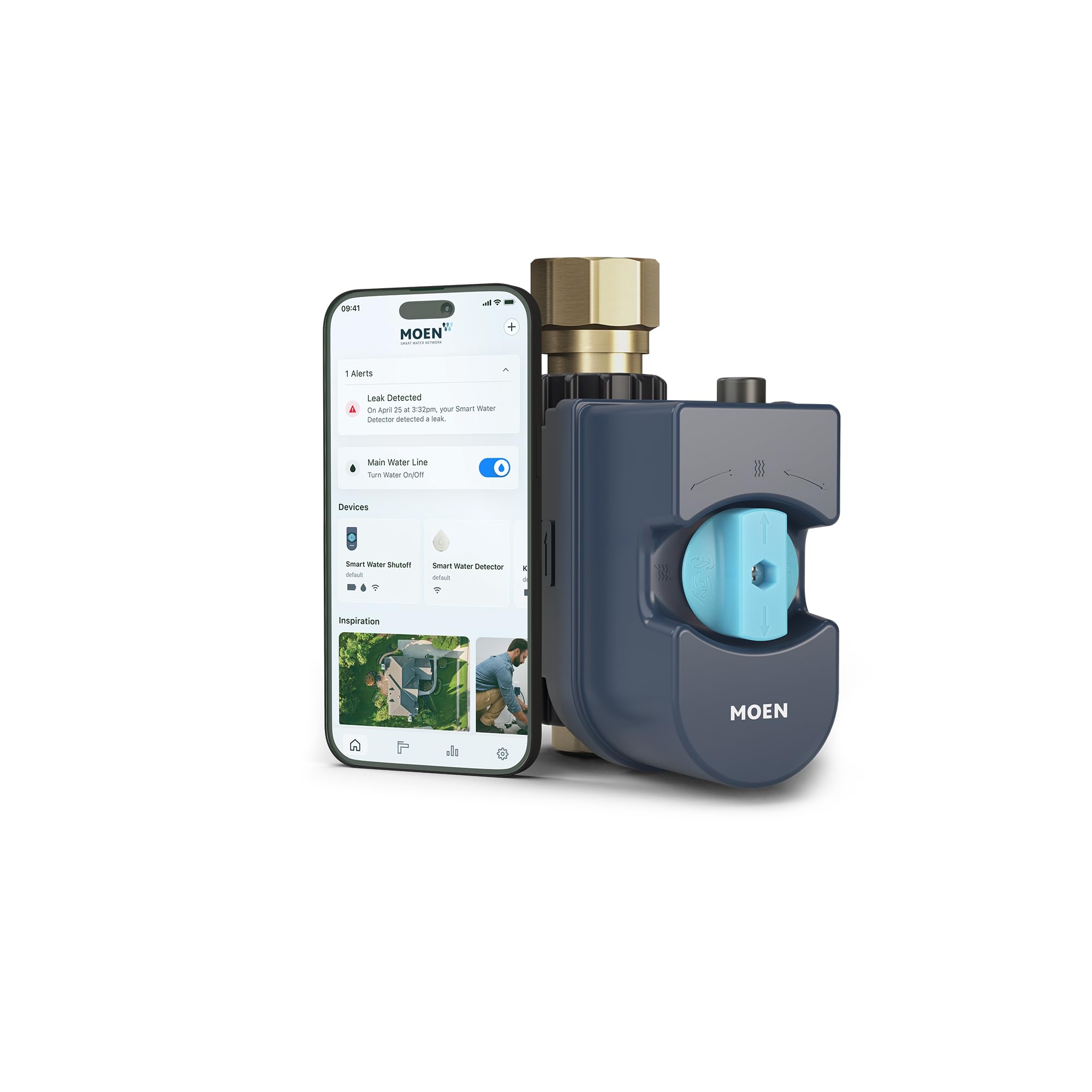
Moen Flo Smart Water Monitor and Automatic Shutoff Sensor, Wi-Fi Water Leak Detector for 3/4-Inch Diameter Pipe, 900-001 - Tub And Shower Faucets - Amazon.com
Moen Flo Smart Water Monitor and Automatic Shutoff Sensor, <strong>Wi-Fi Water Leak Detector for 3/4-Inch Diameter Pipe</strong>, 900-001 - Tub And Shower Faucets - Amazon.com
Check Price on Amazon- Tornadoes and severe convective storms: Spring and early summer bring damaging wind and hail. This is why carriers may add wind/hail percentage deductibles and pay close attention to roof condition.
- Hail: Big driver of roof claims. Ask about impact-resistant roofing discounts and whether your policy excludes cosmetic-only damage.
- Flood and flash flood: Heavy rain can overwhelm drainage. Standard home policies exclude flood; consider separate flood insurance even outside high-risk zones.
- Earthquake: Parts of Northeast Arkansas sit near the New Madrid Seismic Zone. Earthquake coverage is typically an endorsement with a 10%–20% deductible.
- Winter storms and ice: Weight of ice and falling trees are usually covered, but off-premises power outage may not be unless damage on your property caused it. Keep receipts for Loss of Use if a covered peril makes the home uninhabitable.
- Wildfire/forest exposure: Generally moderate, but homes near wooded areas in the Ozarks and Ouachitas should maintain defensible space and clean roofs/gutters.
Practical upgrades that play well with Arkansas underwriters:
- Impact-resistant (Class 3 or 4) shingles or metal roofing rated for hail.
- IBHS FORTIFIED Roof construction or re-roof standards where available.
- Monitored burglar and fire alarms, water leak sensors with automatic shutoff.
- Sump pump with battery backup if you have a basement or low-lying lot.
How to compare home insurance quotes in Arkansas
Shopping smart means comparing apples to apples. Here’s how to do that without spending your whole weekend on hold.
Insurance for Dummies: Hungelmann, Jack
<strong>Manage life, health, and disability risks</strong> ― explore individual and group policies, understand Medicare basics, and evaluate long-term disability and long-term-care insurance ...
Check Price on Amazon- Set the right dwelling limit (Coverage A)
- This is the estimated rebuild cost, not your home’s market value. Share square footage, roof material and year, number of stories, exterior (brick/siding), and major system updates with each insurer. Ask for a copy of the replacement cost estimator so you can verify assumptions.
- Align deductibles across quotes
- Pick an all-perils deductible and, if applicable, a wind/hail deductible you can truly afford after a storm. Keep them consistent across carriers so premiums are comparable.
- Lock in critical coverage settings
- Roof settlement: Replacement cost (RCV) rather than actual cash value (ACV) on the roof if you can get it—especially if your roof is newer.
- Personal property: Ask for replacement cost coverage.
- Ordinance or law: At least 10%–25% of dwelling limit for older homes.
- Water backup: Common claims in Arkansas thunderstorms; choose a limit that fits your basement/bath risk (often $5,000–$25,000).
- Liability: Many households choose $300,000–$500,000. Consider a $1M umbrella if you have notable assets.
- Ask about matching coverage for siding/roof and whether cosmetic hail damage is excluded.
- Evaluate service, not just price
- Catastrophe response matters. Ask: How are large CAT events handled? Do they have local adjusters? What’s the average time to first inspection after a storm?
- Gather what underwriters will ask for
- Year-built and updates (roof, electrical, plumbing, HVAC)
- Roof age and material (architectural shingle vs. 3-tab vs. metal)
- Foundation type and any prior water issues
- Photographs of the roof/exterior (often speeds up binding and improves pricing)
Want a step-by-step comparison checklist? Our Home Insurance Guide 2026 — Compare Quotes, Coverage & Costs (/home-insurance/home-insurance-guide-2026) walks you through the process in more detail.
Call to action: The fastest way to see your real number is to compare quotes from 3–5 Arkansas-friendly carriers using the same coverage settings. If you’d like help, we can connect you with a licensed agent who knows this market.
Discounts and bundling opportunities for Arkansas homeowners
Insurers don’t always advertise every discount, so ask directly. Common ways Arkansans save:
- Bundle home and auto: Often 10%–25% in combined savings, depending on carrier and profile. If you’re reviewing your home policy, it’s a great time to shop auto too. Start here if you need a refresher on local auto coverage: Auto Insurance in Arkansas: Rates, Requirements & How to Save (/auto-insurance/auto-insurance-in-arkansas-rates-requirements-save)
- New roof or impact-resistant roof: Provide documentation of materials and permit date.
- Protective devices: Monitored smoke/burglar alarms, water leak sensors, fire extinguishers.
- Recent updates: Proof of electrical, plumbing, HVAC, or roof upgrades can help.
- Claims-free: Staying claim-free for multiple years typically unlocks better pricing.
- Pay-in-full, paperless, and autopay: Small but easy wins.
- New homebuyer or new construction: Often priced favorably.
- Affinity or employer groups: Some carriers offer occupational or membership discounts.
Tip: Ask your agent to provide a “with/without” discount summary so you can see exactly which improvements or bundles move the needle.
Filing a home insurance claim in Arkansas
Storm hits. Tree on the roof. Now what? Here’s a consumer-friendly playbook.
- Safety first and prevent further damage
- Shut off utilities if needed. Tarp damaged sections to prevent new water entry. Keep receipts—these mitigation costs are typically reimbursable after your deductible.
- Document everything
- Take wide shots and close-ups. Capture serial numbers on damaged appliances. Make a simple room-by-room list.
- File the claim promptly
- Call your carrier or use the app/portal. Get a claim number, ask about your applicable deductible(s), and confirm whether you have roof ACV or RCV.
- Adjuster inspection and estimates
- Be present if possible. Ask for a written, itemized estimate. If your policy pays RCV, you’ll often receive an initial ACV payment and then a “recoverable depreciation” payment once repairs are complete—save invoices and photos.
- Choosing contractors
- Vet local, licensed, and insured contractors. Be wary of high-pressure door-to-door offers after storms. Avoid signing an “assignment of benefits” that hands control of your claim to a third party unless you fully understand the implications.
- Supplements and disputes
- If hidden damage appears mid-repair, your contractor can submit a supplemental estimate. If there’s a disagreement on scope or price, ask about a reinspection or the policy’s appraisal clause. You can also consult a licensed public adjuster or contact the Arkansas Insurance Department for consumer assistance.
- Think before small claims
- Filing multiple small claims in a short period can impact your rates or insurability. For minor losses near your deductible, consider whether a claim makes long-term sense—talk it through with a licensed agent.
Best home insurance companies in Arkansas: how to choose
Plenty of carriers write in Arkansas—national names and strong regional players. Instead of chasing a one-size-fits-all “best,” match the company to your home, location, and roof age.
What to prioritize when picking a carrier:
- Stable pricing and clear roof terms (RCV vs. ACV, cosmetic hail exclusions)
- Strong catastrophe response and local adjusters
- Willingness to write replacement cost on roofs under a certain age
- Good value on water backup and ordinance/law endorsements
- Solid customer service reputation in your specific county or metro
You’ll typically see quotes from carriers like State Farm, Farmers, Travelers, Safeco/Liberty Mutual, Nationwide, Allstate, Farm Bureau Mutual of Arkansas, Shelter, and USAA (for eligible military families). Each prices risk a little differently—hence the importance of getting multiple quotes with identical settings.
FAQ: common questions about Arkansas homeowners insurance
Is tornado damage covered? Typically yes—wind and hail are standard covered perils, but your wind/hail deductible and any roof limitations apply.
Do I need flood insurance in Arkansas? If your lender requires it, yes. Even if not required, many homeowners buy flood coverage because heavy rain and flash flooding can happen outside mapped high-risk zones. There’s usually a 30-day waiting period before coverage takes effect.
Should I buy earthquake insurance? If you live in Northeast Arkansas or just want extra peace of mind, consider an earthquake endorsement. Deductibles are often 10%–20% of the dwelling limit, so weigh the cost against the risk in your area.
How much liability coverage should I carry? Many households choose $300,000–$500,000. If you have significant assets or a pool, consider a $1 million umbrella policy for broader protection.
Will my credit affect my premium? In most cases, yes—Arkansas allows insurers to use a credit-based insurance score, subject to state rules. Keeping good credit can help.
What if my roof is older? Some carriers offer only ACV on roofs older than a certain age (often 10–15 years for certain materials). Ask for quotes that include RCV if your roof qualifies. If you’re re-roofing, consider impact-resistant shingles for better rates.
Are short-term rentals (Airbnb/VRBO) covered? Standard policies often exclude business or rental activity unless you add a specific endorsement. If you rent frequently, you may need a different policy type.
What’s the difference between replacement cost and market value? Replacement cost is what it takes to rebuild your home today (materials and labor). Market value is what a buyer would pay. Insurers use replacement cost to set Coverage A.
Your next step
If you’re feeling overwhelmed, that’s normal—Arkansas is a tricky market. The good news: you can still find solid coverage at a fair price if you compare the right way.
- Gather your details (year built, square footage, roof year/material, system updates, photos).
- Decide on deductibles you can live with, especially for wind/hail.
- Ask for quotes from 3–5 carriers with identical coverage settings, including roof RCV, water backup, and ordinance/law.
If you want a refresher on coverage basics before quoting, this walkthrough helps: Home Insurance Guide 2026 — Compare Quotes, Coverage & Costs (/home-insurance/home-insurance-guide-2026)
Call to action: Ready to see your options? Comparing a handful of quotes is the fastest way to find out what you’d actually pay and which company fits your roof, your budget, and your county.
Note: For personalized recommendations, talk with a licensed Arkansas insurance agent. They can fine-tune dwelling limits, confirm wind/hail deductibles, and help you avoid surprise exclusions.
Recommended Resources
Insurance for Dummies: Hungelmann, Jack
<strong>Manage life, health, and disability risks</strong> ― explore individual and group policies, understand Medicare basics, and evaluate long-term disability and long-term-care insurance ...
Moen Flo Smart Water Monitor and Automatic Shutoff Sensor, Wi-Fi Water Leak Detector for 3/4-Inch Diameter Pipe, 900-001 - Tub And Shower Faucets - Amazon.com
Moen Flo Smart Water Monitor and Automatic Shutoff Sensor, <strong>Wi-Fi Water Leak Detector for 3/4-Inch Diameter Pipe</strong>, 900-001 - Tub And Shower Faucets - Amazon.com
WAYNE - 1/2 HP Sump Pump with Integrated Vertical Float Switch and 12 Volt Battery Back Up Capability, Battery Not Included - Up to 5,100 Gallons Per Hour - Heavy Duty Basement Sump Pump System - Amazon.com
Indoor Use Only: This 1/2 HP WAYNE ... basement dry · Back-Up Ready: <strong>WSS30VN will pump up to 5,100 GPH and remove/evacuate/expel/get rid of up to 10,000 gallons on a single battery backup char
Related Articles
- Auto Insurance in Arkansas: Rates, Requirements & How to Save
- Life Insurance in Arkansas: What Residents Need to Know
- Home Insurance in Wyoming: Coverage, Costs & Best Companies
- Health Insurance in Arkansas: Plans, Costs & How to Enroll
- Home Insurance in Kentucky: Coverage, Costs & Best Companies
- Home Insurance in Nebraska: Coverage, Costs & Best Companies
- Home Insurance in Alabama: Coverage, Costs & Best Companies
- Home Insurance in Maine: Coverage, Costs & Best Companies