
Health Insurance in Arkansas: Plans, Costs & How to Enroll
You’re shopping for health insurance in Arkansas and want to know two things: what are my options, and what will I actually pay? Here’s the plain‑English guide Arkansans use to compare plans, understand costs, and enroll without surprises.
If you want a quick refresher on terms like deductible (what you pay before insurance starts sharing costs) or coinsurance (the percentage you pay after the deductible), see our Health Insurance Basics guide. It’ll make the rest of this much easier. Health Insurance Basics: Plans, Terms, and How to Choose
Health insurance in Arkansas: your coverage options
Arkansas residents typically get coverage in one of five ways. The right fit depends on your job, income, health needs, and whether you qualify for public programs.
1) Employer-sponsored insurance (through your job)
- What it is: Your employer selects a plan and shares the premium (the amount you pay each month for coverage). You usually pay your part via payroll deduction.
- What to know: If the plan offered by your employer is considered “affordable” under federal rules and meets minimum value (it covers a broad set of services), you typically can’t get federal subsidies on the Marketplace, even if your income would otherwise qualify.
- When you can enroll: During your employer’s open enrollment or within 60 days of a qualifying life event (marriage, birth, losing other coverage, etc.).
2) Arkansas Medicaid and ARKids (low- and moderate-income)
- What it is: Public coverage run by Arkansas and the federal government. Arkansas has expanded Medicaid under a program called ARHOME (Arkansas Health and Opportunity for Me). Many adults qualify based on income.
- Who qualifies (typical rules):
- Adults age 19–64 with household income up to 138% of the federal poverty level (FPL) may qualify for ARHOME.
- Children often qualify at higher income levels through ARKids (Arkansas’s program for children and teens).
- Pregnant people and some others may qualify at higher income thresholds.
- Key advantages: Low to no monthly premiums and very low out‑of‑pocket costs (what you pay when you use care). Enrollment is open year‑round.
3) Individual and family plans on HealthCare.gov (the Marketplace)
- What it is: Private ACA‑compliant plans from insurers in Arkansas. You apply through HealthCare.gov. Most enrollees qualify for financial help that lowers monthly premiums and, for many, out‑of‑pocket costs.
- Financial help:
- Premium tax credits (PTCs): A federal discount that lowers your monthly premium if your household income is within eligible ranges and you don’t have other qualifying coverage.
- Cost‑sharing reductions (CSRs): Extra help available only on Silver plans that lowers your deductible (what you pay before coverage kicks in), copays (fixed amounts for visits), and out‑of‑pocket maximum (the most you’ll pay in a year).
4) Private plans bought off‑Marketplace (direct from insurers)
- What it is: The same general ACA rules apply, but you buy directly from the insurer. You cannot use federal subsidies off‑Marketplace. This path can make sense if you don’t qualify for subsidies and prefer a specific carrier’s network or plan design.
5) Medicare (age 65+ or certain disabilities)
- What it is: Federal health coverage for older adults and some people with disabilities. Options include Original Medicare plus Part D (drug coverage) and Medigap, or Medicare Advantage (all‑in‑one private plans).
- Tip: If you’re eligible for Medicare, you cannot use Marketplace subsidies. Talk to a licensed agent to avoid late‑enrollment penalties and gaps in coverage.
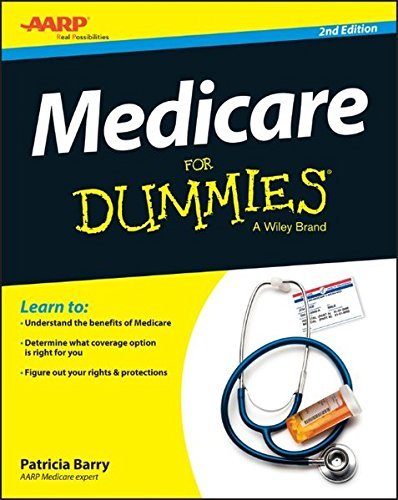
Medicare For Dummies: Barry, Patricia
That’s where Medicare For Dummies, <strong>4th Edition</strong> comes in, explaining how this complex system functions and helping you confidently navigate your way through the maze to get the most ou
Check Price on AmazonA note on short‑term plans
Short‑term health insurance can provide limited, temporary coverage but it is not ACA‑compliant. These plans can deny you for preexisting conditions and often exclude essential benefits (like maternity, mental health, or prescriptions). Under current federal rules, terms are typically capped at about 3 months with very limited renewals. For most Arkansans, Marketplace or Medicaid options provide more complete protection.
Average health insurance premiums in Arkansas by plan type and age
Let’s address the big question: what might coverage cost in Arkansas? Rates vary by county, your age, whether you use tobacco, the plan “metal” level (Bronze/Silver/Gold), and whether you qualify for subsidies. The ranges below are typical for full‑price (before subsidies) Marketplace plans in many Arkansas counties—your actual quotes may be higher or lower.
- Bronze plans (lower premiums, higher deductibles): roughly $350–$500/month for a 40‑year‑old.
- Silver plans (middle premiums, moderate deductibles): roughly $450–$650/month for a 40‑year‑old.
- Gold plans (higher premiums, lower deductibles): roughly $500–$750/month for a 40‑year‑old.
Age rating: In most cases, premiums increase with age—up to three times higher at age 64 than for a young adult. Using the sample Silver premium of $550/month for a 40‑year‑old:
- A 27‑year‑old non‑smoker might see something closer to the low‑$400s before subsidies.
- A 60‑year‑old might see $900–$1,100+ before subsidies.
Tobacco use: Insurers can charge more—often up to 50%—if you use tobacco, depending on the plan and area.
Subsidies can dramatically lower what you pay. Here are Arkansas‑style scenarios to show how this often plays out. These are not quotes—just illustrations. Actual costs vary by plan, county, and your household details.
- Single 28‑year‑old in Little Rock earning $24,000/year (about 170% FPL): Likely qualifies for a large premium tax credit and strong CSR benefits. A Silver plan could be under $100/month, with a much lower deductible than the standard Silver.
- Family of three in Washington County earning $55,000/year (about 220% FPL): With subsidies, a Silver plan’s premium might often land in the low‑ to mid‑hundreds per month, and CSRs can reduce the deductible and copays.
- 62‑year‑old couple in Garland County earning $110,000/year: Thanks to current federal rules (extended through 2025), there’s no upper income cap for premium tax credits. The benchmark Silver plan’s cost is limited to a percentage of household income, so they may still receive a meaningful subsidy.
If your income is below 138% FPL, you’ll typically be evaluated for ARHOME (Medicaid expansion) instead of Marketplace subsidies.
Arkansas Medicaid eligibility and enrollment
Arkansas expanded Medicaid under ARHOME, which means more low‑income adults qualify than in non‑expansion states. Key points:
- Adults 19–64: Typically eligible up to 138% FPL, if otherwise eligible. Many enrollees get coverage via private plans arranged through the state.
- Children: ARKids A and ARKids B cover many children at higher income levels than adults. Benefits include regular checkups, immunizations, hospital care, and more.
- Pregnant people: Often eligible at higher income thresholds for comprehensive prenatal and postpartum care.
- People with disabilities or specific medical needs: May qualify under different Medicaid categories with different rules.
Enrollment is available year‑round. You can apply online, by phone, by mail, or in person through the Arkansas Department of Human Services. If you’re not sure whether you qualify, apply—eligibility is determined after you submit your details.
Tip: If you recently lost ARHOME or ARKids coverage during the “unwinding” of pandemic‑era continuous coverage, you may have a Special Enrollment Period (SEP) to enroll in a Marketplace plan with subsidies. Act quickly; SEPs are time‑limited.
Arkansas health insurance marketplace: open enrollment and special periods
Arkansas uses the federal Marketplace at HealthCare.gov.
- Open Enrollment Period (OEP): Typically November 1 to January 15. Enroll by December 15 for coverage that starts January 1; enroll by January 15 for coverage that starts February 1.
- Special Enrollment Periods (SEPs): You can enroll outside OEP if you have a qualifying life event, such as:
- Losing other qualifying coverage (like job‑based insurance)
- Moving to Arkansas or moving within Arkansas to a new rating area
- Marriage, divorce, or having a baby/adopting
- Gaining eligible immigration status
- Income changes that newly qualify you for savings
- Ongoing low‑income SEP: In most states using HealthCare.gov, including Arkansas, people with incomes at or below roughly 150% FPL can enroll in or change to a Marketplace plan most months of the year—especially useful if your income fluctuates.
If you’re American Indian or Alaska Native, you may have additional enrollment flexibility and special cost‑sharing protections on Marketplace plans.
How to compare and choose the best health plan in Arkansas
Here is what actually matters when choosing a plan in Arkansas.
What to look for
- Your doctors and hospitals in‑network: The provider network (the list of doctors/hospitals a plan has contracted with) determines where you’ll pay the lowest rates. Rural Arkansans may see narrower networks—always check your PCP, nearby hospital, and any specialists.
- Your total yearly cost, not just the premium: Consider deductible (what you pay before the plan pays), copays (fixed visit amounts), coinsurance (the percentage you pay after the deductible), and the out‑of‑pocket maximum (the most you’ll pay in a year for covered services). A slightly higher premium can save you thousands if you expect care.
- Prescriptions: Confirm your medications are on the plan’s formulary (the covered drug list) and note the tier (tiers dictate copay/coinsurance levels).
- Metal level fit:
- Bronze: Lower premiums, high deductibles—works best if you rarely see the doctor and want protection from big bills.
- Silver: Middle ground, and the only level that unlocks CSRs (lowering your deductible and copays) if you qualify.
- Gold: Higher premiums, lower deductibles—good if you expect frequent care.
- Plan type and referrals:
- HMO (Health Maintenance Organization): Usually requires referrals and in‑network care, except emergencies; typically lower cost.
- EPO (Exclusive Provider Organization): No referrals in many cases, but limited to in‑network care.
- PPO (Preferred Provider Organization): More freedom to see out‑of‑network providers, but higher premiums and out‑of‑pocket costs.
- Telehealth and mental health: If virtual visits or therapy are important to you, check coverage and copays.
- HSA eligibility: Some Bronze and Silver “High‑Deductible Health Plans” (HDHPs) are HSA‑eligible. An HSA (Health Savings Account) lets you put away pre‑tax money for qualified medical expenses.
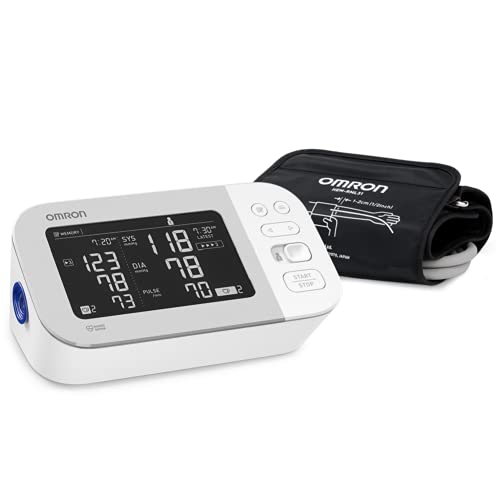
OMRON Platinum Blood Pressure Monitor, Upper Arm Cuff, Digital Bluetooth Blood Pressure Machine, Stores Up To 200 Readings for Two Users (100 readings each) : Everything Else
View on AmazonArkansas‑based examples
- Young, healthy in Pulaski County: A 30‑year‑old non‑smoker who sees the doctor once a year might pair a lower‑premium Bronze plan with an HSA to build a cushion for surprise bills. If eligible for CSRs, a Silver plan with a lower deductible often becomes the smarter value.
- Family in Northwest Arkansas: With multiple primary care visits and a couple of maintenance medications, a mid‑priced Silver plan with your pediatrician and preferred hospital in‑network usually beats the lowest‑premium Bronze option once you factor prescriptions and visit copays.
- Rural county with one dominant hospital: Network fit is everything. Start by filtering plans to those that include your local hospital and PCP. Then compare total yearly cost at your expected usage, not just the premium.
Ready to see your real numbers? The fastest way to know what you’d actually pay is to compare quotes from 3–5 carriers side by side. A licensed agent can help you check networks and subsidies at no extra cost to you.
Arkansas‑specific subsidies and financial assistance
- Premium Tax Credits (PTCs): Lower your monthly premium based on household income and size. In Arkansas (an expansion state), eligibility generally begins around 100% FPL and continues with no upper cap through 2025, as long as you don’t have other qualifying coverage.
- Cost‑Sharing Reductions (CSRs): If your income is roughly 100%–250% FPL and you choose a Silver plan, CSRs can substantially reduce your deductible, copays, and out‑of‑pocket maximum.
- Medicaid/ARKids: If your income is within program limits or you qualify under a specific category (pregnant, child, disability), you may get no‑ or low‑cost coverage year‑round.
- Local help: Arkansas has community organizations and navigators that can help you apply for Medicaid or Marketplace coverage. Assistance is generally free.
There is no separate state‑funded premium subsidy in Arkansas at this time. The bulk of financial help comes from federal programs plus ARHOME/ARKids.
FAQ: common questions about Arkansas health insurance
Does Arkansas have Medicaid expansion?
Yes. Arkansas expanded Medicaid via ARHOME, which covers many adults up to 138% of the federal poverty level. Children often qualify at higher income levels through ARKids.
When is Open Enrollment in Arkansas?
Typically November 1 to January 15 on HealthCare.gov. Enroll by December 15 for January 1 coverage; enroll by January 15 for February 1 coverage. Special Enrollment Periods are available year‑round for qualifying life events.
What if I move to Arkansas from another state?
Moving to Arkansas usually triggers a Special Enrollment Period, so you can pick a new Marketplace plan that fits your new network options. While you’re updating essentials for your move, you may also want to review your property and auto coverage:
- Auto: Arkansas requires liability coverage to drive. See how rates and requirements work here: Auto Insurance in Arkansas: Rates, Requirements & How to Save
- Home: If you’re buying a home, compare local risks and coverages: Home Insurance in Arkansas: Coverage, Costs & Best Companies
Is there a penalty for being uninsured in Arkansas?
No. There’s no state‑level penalty, and the federal penalty is currently $0. That said, going without coverage can be very risky financially.
Can I use COBRA instead of the Marketplace?
If you leave a job with health benefits, COBRA lets you keep your employer plan for a limited time, but you’ll usually pay the full cost. Losing job‑based coverage also triggers a Marketplace SEP, and you might get subsidies there. Compare both paths before you decide.
Are adult dental and vision included?
ACA Marketplace medical plans must include pediatric dental and vision. Adult dental and vision are typically separate add‑ons. Some insurers sell bundled options—compare costs and networks if these benefits matter to you.
Will my doctor be covered?
Always check the plan’s provider directory to confirm your PCP and nearby hospitals are in‑network. Out‑of‑network care can be much more expensive—or not covered at all—except in emergencies.
What about short‑term plans in Arkansas?
Short‑term plans are limited‑duration and not ACA‑compliant. They can exclude preexisting conditions and essential benefits. Consider them only for true gaps, and read the exclusions carefully.
I’m turning 65—should I stay on the Marketplace?
Once you’re eligible for Medicare, you generally can’t keep receiving Marketplace subsidies. Review Medicare options during your Initial Enrollment Period (the 7‑month window around your 65th birthday) to avoid penalties and gaps.
Your next step
- Estimate your 2026 household income and size. This drives your subsidy.
- Make a quick list of your doctors, prescriptions, and expected care.
- Compare at least three plans for total yearly cost, not just the premium.
- Check provider networks and your medications on the formulary.
- If you qualify for Medicaid/ARKids, apply anytime.

Ahh Hah! Organizer Kit for Medical Records (Architectural Version) - Professionally Printed Tabs for a Three Ring Binder (Binder NOT Included)
View on AmazonWant help sorting it out? A licensed Arkansas agent can compare options and confirm your savings at no cost to you. The fastest way to see your real price is to compare quotes from 3–5 carriers side by side.
Note: This guide is for general education. Plan availability, benefits, and rates change year to year and vary by county and your specific circumstances. For personalized advice, speak with a licensed agent or navigator.
Recommended Resources
Medicare For Dummies: Barry, Patricia
That’s where Medicare For Dummies, <strong>4th Edition</strong> comes in, explaining how this complex system functions and helping you confidently navigate your way through the maze to get the most ou
Ahh Hah! Organizer Kit for Medical Records (Architectural Version) - Professionally Printed Tabs for a Three Ring Binder (Binder NOT Included)
By organizing your records into a <strong>three-ring binder</strong>, your medical history is in your control. It is also portable to doctor visits. Doctors will cheer you for providing them accurate
OMRON Platinum Blood Pressure Monitor, Upper Arm Cuff, Digital Bluetooth Blood Pressure Machine, Stores Up To 200 Readings for Two Users (100 readings each) : Everything Else
The OMRON Platinum Upper Arm Monitor, complete with D-Ring cuff, <strong>provides unlimited memory, stores 200 total blood pressure readings for 2 users</strong>, works with the free OMRON Connect app
Related Articles
- Health Insurance in Maine: Plans, Costs & How to Enroll
- Health Insurance in Nebraska: Plans, Costs & How to Enroll
- Health Insurance in Oklahoma: Plans, Costs & How to Enroll
- Health Insurance in Alabama: Plans, Costs & How to Enroll
- Auto Insurance in Arkansas: Rates, Requirements & How to Save
- Health Insurance in Kentucky: Plans, Costs & How to Enroll
- Health Insurance in Mississippi: Plans, Costs & How to Enroll
- Home Insurance in Arkansas: Coverage, Costs & Best Companies