
Health Insurance in Alabama: Plans, Costs & How to Enroll
Health Insurance in Alabama: Plans, Costs & How to Enroll
You’re shopping for health insurance in Alabama and trying to figure out where to start, what it should cost, and when you can enroll. Here’s what actually matters when choosing a plan in Alabama—your coverage options, how premium subsidies work, when you can sign up, and how to compare plans so you don’t overpay for something that won’t fit your needs.
Note: Rates and eligibility details below are typical but can vary by county, insurer, and your household. For advice on your situation, consider speaking with a licensed agent.
Health insurance options in Alabama
Alabama residents typically find coverage through one of four paths:
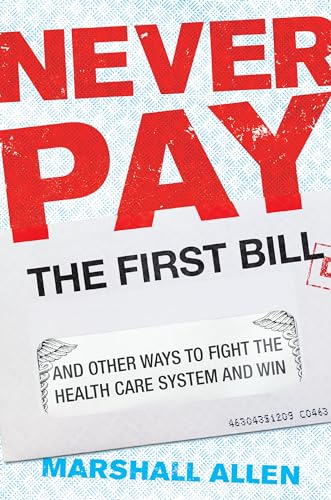
Never Pay the First Bill: And Other Ways to Fight the Health Care System and Win: Allen, Marshall
Drawing on 15 years of investigating the health care industry, reporter Marshall Allen <strong>shows how companies and individuals have managed to force medical providers to play fair, and shows how y
Check Price on Amazon- HealthCare.gov (the federal marketplace for Affordable Care Act plans)
- Medicaid (for people who qualify based on income, pregnancy, disability, or other categories)
- Employer coverage (job-based group plans)
- Private plans off the marketplace (direct from insurers), plus limited-duration options like short-term plans
Here’s how each works in Alabama.
1) Marketplace plans (ACA/“Obamacare”) via HealthCare.gov
Alabama uses the federal marketplace at HealthCare.gov. These are comprehensive plans that must cover essential health benefits (things like hospital care, doctor visits, prescription drugs, mental health services, and maternity care). Most people who buy here qualify for federal premium tax credits (subsidies that lower your monthly premium) and, if your income is lower, cost-sharing reductions (extra savings that lower your deductible and copays when you pick a Silver plan).
- Metal levels: Bronze, Silver, and Gold refer to how costs are split between you and the plan—not quality of care. Generally, Bronze = lowest premiums, highest out-of-pocket costs; Gold = higher premiums, lower out-of-pocket costs; Silver sits in the middle and is the only level that can unlock cost-sharing reductions if you qualify.
- Networks: In many Alabama counties, marketplace options tend to be HMO or EPO networks. That usually means you need in-network doctors to get covered and may need referrals. Always confirm your doctors and hospitals are in-network before you enroll.
2) Medicaid and ALL Kids (CHIP)
Alabama has not expanded Medicaid, so eligibility for adults is limited to specific categories (for example, very low-income parents/caretakers, people who are pregnant, and people who are aged, blind, or disabled). Children often qualify for Medicaid or ALL Kids (Alabama’s Children’s Health Insurance Program) at higher income levels than adults. If you’re a parent, check ALL Kids—even moderate-income families can qualify for low-cost children’s coverage.
- Medicaid: Typically covers comprehensive benefits with little to no premium.
- ALL Kids: Low monthly premiums and copays for kids who don’t qualify for Medicaid but still need affordable coverage.
3) Employer-sponsored coverage
If you’re offered a plan at work, it usually covers you and can offer dependent coverage for your spouse/children. Employer plans are typically more generous than individual plans, and your company may pay part of your premium. One catch: If your employer offers “affordable” coverage by federal standards, you typically won’t qualify for marketplace premium subsidies—even if your family coverage at work feels expensive.
4) Private (off-marketplace) and short-term coverage
You can also buy a plan directly from an insurer. Benefits are often similar to ACA plans, but you won’t get federal subsidies when you buy off the marketplace. Short-term health plans are permitted in Alabama and can help cover brief gaps, but they usually do not cover preexisting conditions, maternity, many prescriptions, or mental health care. They also have caps on benefits. Think of them as limited stopgaps, not full replacements for comprehensive insurance.
If you’d like a quick refresher on terms like deductible, coinsurance, and network types, see our plain-English overview: Health Insurance Basics: Plans, Terms, and How to Choose.
Average health insurance premiums in Alabama by plan type and age
Premiums vary by county, insurer, tobacco use, and plan level. The biggest driver—besides subsidies—is age. Under federal rules used in Alabama, a 64-year-old can be charged up to three times what a 21-year-old pays for the same plan. That means a 50-year-old will typically pay noticeably more than a 30- or 40-year-old for identical coverage.
Here’s a practical way to think about it:
- Bronze plans in Alabama: Typically the lowest monthly premium but higher deductibles (the amount you pay out of pocket before insurance kicks in). Good for people who rarely see a doctor and can handle bigger bills if something happens.
- Silver plans: Middle ground on premiums and out-of-pocket costs. If you qualify for cost-sharing reductions, you must choose Silver to get those extra savings (lower deductibles and copays).
- Gold plans: Higher premiums, lower out-of-pocket costs. Useful if you expect regular care or expensive medications.
Illustrative example (not a quote):
- A 35-year-old non-smoker in a larger Alabama county might see unsubsidized Bronze options ranging from roughly the mid-$300s to the low-$500s per month, Silver from the mid-$400s to the $600s, and Gold from the $500s to the $700s. Smaller or rural counties can differ.
- Age effect: If a 40-year-old’s Silver plan is, say, $550/month before subsidies, a 21-year-old might see roughly $400–$450 for that same plan, while a 60-year-old could see closer to double that—often in the $900–$1,100+ range—before subsidies. Exact figures vary.
The fastest way to see what you would actually pay is to compare real-time quotes from 3–5 carriers. A few minutes of shopping can surface a cheaper plan with your doctors in-network or a Silver plan that unlocks cost-sharing reductions if you qualify.
Alabama Medicaid eligibility and enrollment
Alabama Medicaid eligibility for adults is limited because the state has not expanded Medicaid under the ACA. Here’s what to know:
- Adults: Parent/caretaker relatives may qualify, but the income cutoff is very low by national standards. Childless, non-disabled adults generally do not qualify based on income alone.
- Pregnant people: May qualify at higher income levels with robust maternity benefits and minimal cost sharing.
- Children: Kids can qualify for Medicaid or ALL Kids based on household income and size. ALL Kids often extends eligibility to families with moderate incomes, with small monthly premiums and copays.
- Aged, blind, and disabled: May qualify under different rules that consider income and assets.
How to apply:
- Online: Alabama Medicaid Agency website (you can also start at HealthCare.gov and get routed).
- By phone or in person: Local assistance is available through county offices and community health centers.
Tip: If you’re pregnant, apply as soon as possible—you can often get coverage retroactively for recent medical bills, depending on program rules.
Alabama health insurance marketplace: open enrollment and special periods
Open Enrollment for marketplace plans via HealthCare.gov generally runs from November 1 to January 15. Enroll by mid-December for coverage that typically starts January 1; enroll by the final January deadline for coverage that typically starts February 1. Dates can shift year-to-year, so always check current deadlines.
Smead Poly Frequency Expandable File Folders Letter Size, 12 Pockets, Flap & Cord Closure, Blue/Black (70863) : Expanding File Jackets And Pockets
View on AmazonSpecial Enrollment Periods (SEPs): If you miss Open Enrollment, you may still qualify to enroll if you have a qualifying life event, such as:
- Losing other coverage (for example, losing a job-based plan)
- Moving to a new service area in Alabama
- Getting married or having a baby
- Gaining eligible immigration status
- Household income changes that newly qualify you for subsidies
Low-income SEP: In many HealthCare.gov states, people with incomes roughly between 100% and 150% of the federal poverty level who are eligible for subsidies may qualify for a special low-income SEP that allows enrollment year-round. In a non-expansion state like Alabama, this can help some lower-income adults enroll outside the usual window. If your income is below 100% of the federal poverty level and you’re not otherwise eligible for Medicaid, you may fall into the “coverage gap” and might not qualify for marketplace subsidies—check your options with a licensed assister.
How to compare and choose the best health plan in Alabama
Here’s how to look past the marketing and find a plan that actually fits your life and budget.
What to look for (and why it matters)
- Your doctors and hospitals, in-network: Networks can be tight in some Alabama counties. If your primary care doctor, OB-GYN, or preferred hospital isn’t in-network, you’ll pay more—or everything—out of pocket for non-emergency care. Verify in-network status on both the insurer’s website and the provider’s office.
- Total yearly cost, not just the premium: Add the premium to your expected out-of-pocket costs.
- Deductible: The amount you pay before the plan shares costs. A $7,000 deductible means you pay most costs up to $7,000 before insurance pays.
- Copay: A fixed dollar amount for a service (for example, $40 per primary care visit).
- Coinsurance: A percentage you pay after the deductible (for example, 20% of a hospital bill).
- Out-of-pocket maximum: The most you’ll pay in a year for covered, in-network care. After you hit it, the plan pays 100% for covered services for the rest of the year.
- Prescriptions on the formulary: A formulary is the plan’s approved drug list. Check each of your medications and note the tier (generic, preferred brand, specialty) and the copay/coinsurance.
- Referrals and prior authorizations: Some HMOs require a referral to see a specialist; many services and medications need prior authorization (insurer approval before they’ll pay). A plan with fewer hurdles can save you time and stress.
- Metal level trade-offs:
- Bronze: Lowest premium, highest out-of-pocket. Best if you rarely use care and can handle risk.
- Silver: Mid-level; the only tier eligible for cost-sharing reductions (if you qualify). If you’re under about 250% of the federal poverty level, a Silver CSR plan can drop your deductible dramatically.
- Gold: Higher premium, lower out-of-pocket. Consider if you have chronic conditions or frequent visits.
- HSA-eligible options: Some Bronze/Silver plans are HSA-eligible high-deductible health plans (HDHPs). An HSA (health savings account) lets you put in pre-tax money to pay for qualified medical expenses.
Smart comparison steps
- Make a quick care list: Your doctors, preferred hospitals, ongoing prescriptions, and an estimate of how many visits or refills you expect.
- Filter for network first: Eliminate plans that don’t include your must-have doctors/hospitals.
- Check drug coverage: Confirm each medication’s tier and your expected cost per month.
- Compare worst-case costs: Look closely at deductibles and out-of-pocket maximums, not just premiums.
- Estimate your realistic annual spend: Premiums + likely copays + deductible exposure. If a higher-premium plan meaningfully lowers your out-of-pocket risk, it can be the better value.
- If your income qualifies, prioritize Silver CSR: The extra help can turn a mid-level plan into something that looks and feels like Gold.
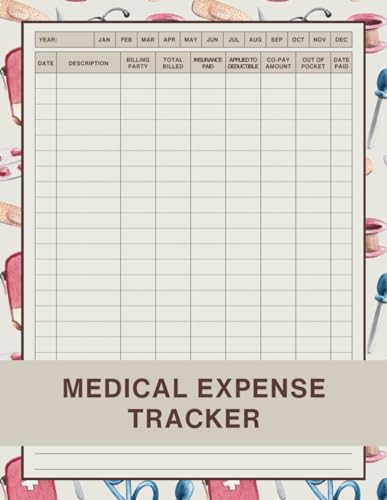
Medical Expense Tracker: A Record Logbook for Keeping Track Your Medical Spending, Bills, and Payment All in One Place | Health Expense Organizer: Media, Tylissa A.: Amazon.com
View on AmazonExample: Say you’re a 35-year-old in Mobile who sees a therapist monthly and takes a preferred-brand medication. A low-premium Bronze plan with a $7,000 deductible might look cheap, but you could pay full price for most visits and the medication until you hit that deductible. A Silver plan with lower copays for mental health visits and better drug coverage might cost $60–$120 more per month but save you thousands if you actually use care.
CTA: Want to see how this plays out with your doctors and prescriptions? The fastest way to know your real price is to compare quotes from 3–5 carriers and check networks side by side.
Alabama-specific subsidies and financial assistance
Alabama does not offer extra state-funded subsidies. But Alabamians can qualify for generous federal savings:
- Premium tax credits (APTC): Lowers your monthly premium when you enroll through HealthCare.gov. Your savings are based on your household size, income, and the cost of the benchmark Silver plan in your county. Thanks to federal law, enhanced subsidies are currently scheduled to remain available through at least 2025.
- Cost-sharing reductions (CSR): Extra savings that lower your deductible, copays, and out-of-pocket maximum if your income is within certain limits. You only get CSR by choosing a Silver plan.
- Medicaid/ALL Kids: No or low-premium options for those who qualify. Many families find their children qualify for ALL Kids even when adults don’t qualify for Medicaid.
Coverage gap alert: Because Alabama has not expanded Medicaid, some adults with incomes below the federal poverty level may not qualify for Medicaid or marketplace subsidies. If this might be you, speak with a navigator or licensed agent to review every possible path, including pregnancy-related Medicaid, disability routes, community health centers, or local assistance programs.
Real-world Alabama scenarios
- You’re 28, single, and healthy in Birmingham: You want mostly catastrophic protection. A Bronze HSA-eligible plan might be your lowest premium option. But double-check urgent care and ER copays, and confirm your preferred primary care clinic is in-network.
- You’re 45 in Huntsville with a couple of brand-name prescriptions: Compare at least two Silver plans and one Gold. Look closely at the plan’s drug tiers and whether your meds are “preferred brand.” A Silver CSR plan (if you qualify) can make those refills far more affordable.
- You’re a family of four in Dothan: Check whether your kids qualify for ALL Kids even if you and your spouse shop on the marketplace. It’s common for children to have highly affordable coverage through ALL Kids while the parents use subsidized marketplace plans.
FAQ: common questions about Alabama health insurance
What’s the cheapest way to get covered in Alabama?
- If you qualify for Medicaid or ALL Kids, that’s usually the lowest-cost option. Otherwise, a subsidized Bronze or Silver plan on HealthCare.gov is typically the cheapest comprehensive coverage. Short-term plans can be cheaper but cover less and often exclude preexisting conditions.
Is there a penalty for not having health insurance in Alabama?
- No state penalty. The federal penalty is $0. Going uninsured is risky though—one ER visit can wipe out your savings.
Can I enroll outside Open Enrollment?
- Yes, if you have a qualifying life event (like losing other coverage or moving). Some lower-income people may also qualify for a special low-income SEP that allows year-round enrollment in HealthCare.gov states. Otherwise, you’ll need to wait for Open Enrollment.
When does my coverage start?
- During Open Enrollment, enroll by mid-December for coverage that typically starts January 1. Enroll later in the window and your coverage usually begins February 1. With Special Enrollment, effective dates depend on your qualifying event and when you apply.
Are adult dental and vision included?
- Not typically. Pediatric dental and vision are essential health benefits, so they’re included for children on marketplace plans. Adults can add separate dental/vision plans.
What about short-term health insurance in Alabama?
- Short-term plans are available but are not ACA-compliant. They often exclude preexisting conditions, maternity, many prescriptions, and mental health care. Duration limits follow federal rules and may change; many policies last a few months up to a year. Read the exclusions carefully.
Will my employer plan make me ineligible for subsidies?
- Usually yes, if the employer plan is considered “affordable” by federal standards and meets minimum value. One wrinkle: there’s a specific test for family coverage (the “family glitch” fix) that may allow dependents to get subsidies even if the employee’s self-only coverage is affordable. Check individual eligibility.
What if my income changes mid-year?
- Report it to HealthCare.gov right away. Your premium tax credit will be adjusted for the rest of the year. At tax time, your subsidy is reconciled based on your actual annual income.
Your next step
- New to this? Start with our plain-English guide: Health Insurance Basics: Plans, Terms, and How to Choose
- Ready to price it out? Compare quotes from 3–5 carriers on HealthCare.gov or with a licensed agent. Checking multiple plans side by side is the fastest way to see your real premium after subsidies and to confirm your doctors and prescriptions are covered.
Friendly reminder: Plan details and eligibility can change year to year, and rules can differ depending on your county and situation. A licensed Alabama agent or navigator can help you confirm networks, drug coverage, and subsidy eligibility before you commit.
Recommended Resources
Never Pay the First Bill: And Other Ways to Fight the Health Care System and Win: Allen, Marshall
Drawing on 15 years of investigating the health care industry, reporter Marshall Allen <strong>shows how companies and individuals have managed to force medical providers to play fair, and shows how y
Medical Expense Tracker: A Record Logbook for Keeping Track Your Medical Spending, Bills, and Payment All in One Place | Health Expense Organizer: Media, Tylissa A.: Amazon.com
<strong>Medical Spending Record</strong>: A Logbook for Keeping Track Your Medical Expenses, Bills, and Payment All in One Place | Health Expense Organizer
Smead Poly Frequency Expandable File Folders Letter Size, 12 Pockets, Flap & Cord Closure, Blue/Black (70863) : Expanding File Jackets And Pockets
<strong>Smead Poly Frequency Expandable File Folders Letter Size, 12 Pockets, Flap & Cord Closure, Red/Black (70866)717</strong> ... Expanding File Folder, 13 Pockets Accordion File Organizer, A4
Related Articles
- Auto Insurance in Alabama: Rates, Requirements & How to Save
- Health Insurance in Alaska: Plans, Costs & How to Enroll
- Health Insurance in Arkansas: Plans, Costs & How to Enroll
- Health Insurance in Delaware: Plans, Costs & How to Enroll
- Health Insurance in Illinois: Plans, Costs & How to Enroll
- Life Insurance in Alabama: What Residents Need to Know
- Health Insurance in Oklahoma: Plans, Costs & How to Enroll
- Health Insurance in Mississippi: Plans, Costs & How to Enroll