
Bundle & Save: What You Need to Know About Insurance Multi-Policy Discounts
You’ve heard the promise: bundle and save. But how much do those discounts for bundling insurance policies really add up to, and when is it actually the best move? Here’s the straight talk on how multi-policy discounts work, what they’re worth, and how to decide whether to bundle or shop separately.
Note: Prices and eligibility vary by state and by insurer. Examples below are illustrative, not guarantees.
What “bundling” really means
Bundling means you buy two or more policies with the same insurer (or companies in the same corporate group) and receive a “multi-policy,” “multi-line,” or “account” discount. The discount is typically a percentage off the premium (your base price for coverage before taxes and fees) on one or more of your policies.
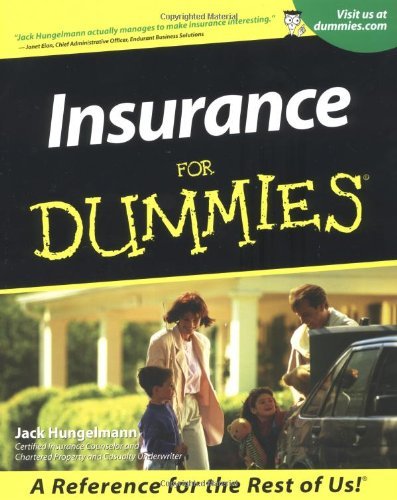
Insurance for Dummies: Hungelmann, Jack
<strong>Manage life, health, and disability risks</strong> ― explore individual and group policies, understand Medicare basics, and evaluate long-term disability and long-term-care insurance ...
Check Price on AmazonCommon combinations eligible for a bundling (multi-policy) discount:
- Home + Auto: The classic bundle. Often yields the largest total savings.
- Renters + Auto: Great for apartment dwellers; still meaningful savings.
- Condo + Auto: Similar to home + auto but tailored for condo coverage.
- Home/Condo + Umbrella: Umbrella liability (extra liability coverage above your home/auto) often requires bundling and can trigger extra discounts.
- Auto + Motorcycle/Boat/RV: Recreational vehicles can qualify for smaller multi-policy discounts when paired with auto.
- Life + Auto/Home: Some carriers offer a modest account discount if you also keep a qualifying life insurance policy with them.
- Life + Long-Term Care or Life + Disability: Usually handled as a combo or rider within life/long-term care products rather than a property & casualty (home/auto) bundle; still, a few multi-line groups count these for a small account discount.
How carriers package and label it:
- Names vary: “Multi-policy,” “Multi-line,” “Account discount,” or “Bundle & Save.”
- Application: Typically a percentage credit applied in the rating system to one or more policies once the second policy is active under the same named insured and address (in most cases).
- Proof: You’ll see the discount listed on each policy declarations page (the policy summary that shows coverages, limits, and premium breakdown) as “multi-policy” or similar.
Typical discounts for bundling insurance policies
You’ll often see ranges because insurers file different discounts by state and product line. Typical ranges (actuals vary by company and state):
- Home + Auto: 10%–25% off auto; 5%–20% off home
- Renters + Auto: 5%–15% off auto; 2%–10% off renters
- Condo + Auto: 7%–20% off auto; 3%–15% off condo
- Auto + Motorcycle/Boat/RV: 2%–10% off each line
- Life + Auto/Home: 1%–5% account discount (when offered)
- Home/Auto + Umbrella: 5%–15% off umbrella and sometimes a small additional discount on home/auto
How savings are calculated:
- The discount is usually a percentage taken off the base premium after your risk rating is set (driving record, claims, credit-based insurance score where allowed, property details), and before taxes/fees.
- It may apply to both policies or just one, depending on the company. Ask which lines get the discount and at what exact percentage.
What influences your discount and total savings:
- Location: Coastal or wildfire-exposed homes may get lower home discounts; competitive auto markets may see higher auto discounts. State regulations can limit or shape discounts.
- Driving record: Clean records typically qualify for better discounts and lower base rates. A major violation can limit eligibility.
- Property risk: Roof age, wiring, distance to fire station/hydrant, and prior claims can shrink home savings.
- Insurer tier: “Preferred” carriers (tightest underwriting) may offer strong bundle discounts but be selective on eligibility. “Standard/nonstandard” carriers may bundle too but at lower percentages.
- Policy limits and deductibles: Higher limits and endorsements (added coverage) change the base premium, so the same percentage discount equals a larger dollar savings. Your deductible (the amount you pay out of pocket before insurance kicks in) doesn’t usually change the percentage, but it affects the base premium.
Real-world style examples
Example 1: Home + Auto, suburban Ohio
- Current separate policies: Auto $1,400/year; Home $1,200/year
- Bundle offer: 15% off auto ($210) + 10% off home ($120) = $330 total savings
- New premiums: Auto $1,190; Home $1,080; Combined $2,270 vs $2,600 before
- But if another auto carrier quotes $1,050 for the same auto coverage, bundling may no longer be best. See “When to bundle vs shop separately.”
Example 2: Renters + Auto, urban Texas
- Auto $1,900/year; Renters $220/year
- Bundle offer: 10% off auto ($190) + 5% off renters ($11) = $201 savings
- New combined cost: $1,919 vs $2,120 before
Example 3: Home + Auto + Umbrella, wildfire zone California (where available)
- Auto $2,200; Home $3,000; Umbrella $350
- Bundle offer: Auto 8% ($176), Home 5% ($150), Umbrella 10% ($35) = $361 savings
- Note: Home discount is smaller due to property risk; the umbrella discount sweetens the total.
These are illustrations. Your numbers will differ based on your home, vehicles, drivers, claims history, and state rules.
Eligibility rules, exclusions, and the trade-offs no one advertises
Common eligibility requirements:
- Same insurer (or affiliated company) for each policy
- Same named insured(s) and usually the same household address for home/renters/auto
- Both policies active concurrently (the discount may start only after the second policy issues)
- Minimum premium or coverage requirements for some lines (for example, umbrella may require higher auto liability limits)
Typical exclusions or limitations:
- Non-owner auto policies or assigned-risk/FR-44/SR-22 filings may not qualify
- Certain homes (e.g., coastal, wildfire, older knob-and-tube wiring) might still qualify but often at reduced discounts
- Specialty risks (short-term rentals, farm/ranch, manufactured homes) may be in separate programs without a bundle discount
- Life insurance sometimes must meet a minimum face amount or policy type to trigger an account discount
Trade-offs to consider:
- Claims handling dynamics: Some insurers coordinate claims across lines. A big home claim can prompt a full account review. The discount can remain, but your base premiums may rise after claims.
- Cross-impact at renewal: If the home side gets a large statewide rate increase, your entire “bundle” can become uncompetitive at once.
- Coverage adequacy: Don’t accept skimpy coverage to unlock a discount. A lower dwelling limit or ACV (actual cash value) roof endorsement might save premium but cost more at claim time.
- Carrier convenience vs. competition: One login and one agent is nice, but it’s not a substitute for a better overall price/coverage mix.
- Discount loss if you unbundle: Drop one policy and the other loses the multi-policy discount. Make sure the remaining policy still makes sense on its own.
- Deductible perks are not guaranteed: Some carriers offer a “single deductible” if one event (e.g., hail) damages home and auto. Others don’t. Ask first—this can be valuable.
When to bundle vs shop separately
Bundling is often a strong move—especially home + auto—but not always. Here’s how to decide.
Bundle makes sense when:
- The combined price with the discount beats the best separate quotes for comparable coverage
- You value one carrier experience, one bill, and possibly coordinated claim handling
- You plan to add an umbrella policy (often easier and cheaper when home and auto are with the same insurer)
Shop separately when:
- Another carrier is significantly cheaper for one line (e.g., auto) even after you include the bundle discount from your home insurer
- One policy type is hard to place (e.g., coastal home) and forces you into a niche program; keep auto in a more competitive market
- State or market changes (catastrophe losses, new rate filings) push one line’s price up sharply
A quick break-even check
Use this mental math to test a bundle:
- Take your best separate quotes for each line and add them together. That’s your non-bundled total.
- Get a bundled quote from one carrier for both lines. Note the exact discount percentages.
- Compare totals apples-to-apples for the same limits/deductibles.
Example:
- Best separate: Auto $1,200 + Home $1,300 = $2,500
- Bundle quote: Auto $1,350 before discount; Home $1,350 before discount
- Stated discounts: 15% off auto ($202.50), 10% off home ($135)
- Bundle total: $1,350 − $202.50 + $1,350 − $135 = $2,362.50
- Savings vs separate = $137.50. If you value the convenience and claims benefits, that may be a win. If service is weaker or coverage is thinner, maybe not.
Tip: If a carrier won’t give you the undiscounted (pre-bundle) premiums, ask them to state the discount percentages and show the “multi-policy” line item on the quote or declarations page.
Stack bundling with other discounts (the right way)
Bundling is one lever. Combine it with others when allowed:

First Alert BRK SC9120B-12 Hardwired Smoke and Carbon Monoxide (CO) Detector with Battery Backup, 12-Pack - Amazon.com
View on Amazon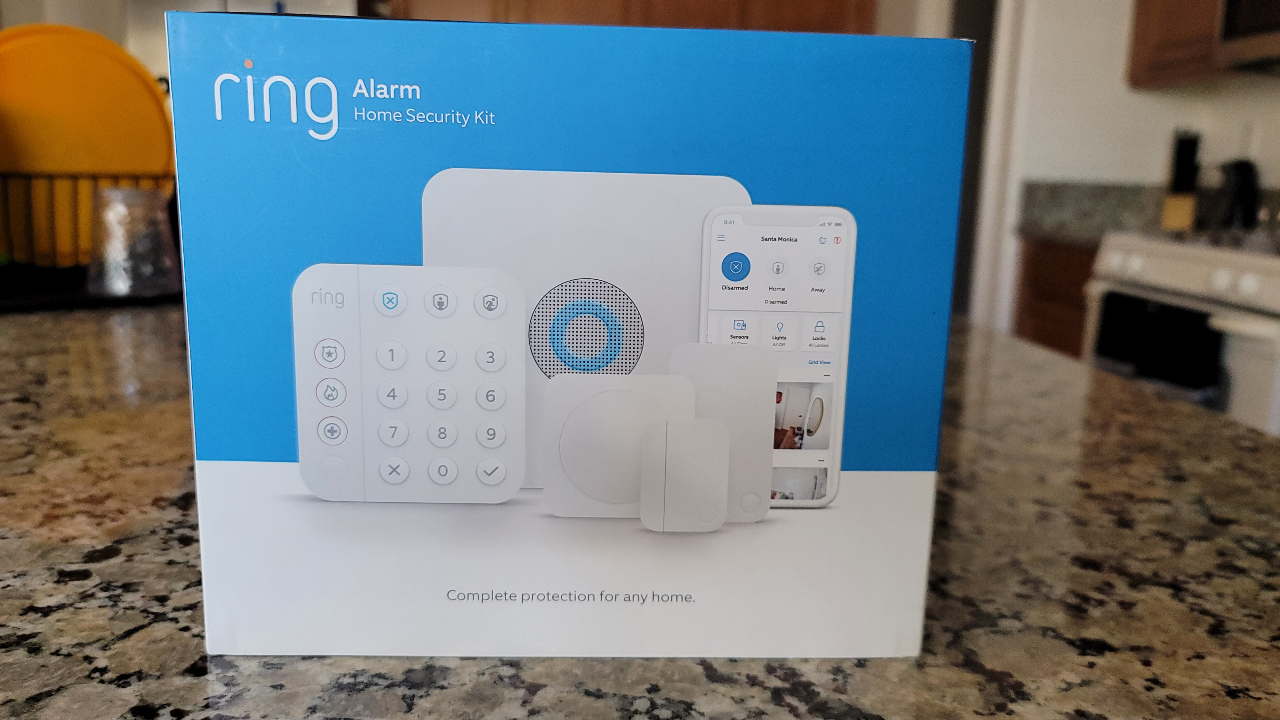
Ring Alarm 8-piece kit (2nd Gen) – home security system
View on Amazon- Good driver/claim-free, telematics, paperless, pay-in-full, autopay, loyalty, new home/protective devices
- Some stacking has caps or reductions—insurers often have a maximum total discount. Ask how stacking works for your quote.
If you’re a safe driver, see practical ways to qualify for and maximize those savings: Insurance Discounts for Safe Drivers: Types, Eligibility & How to Maximize Your Savings
Where state rules and market conditions change the math
- Catastrophe-prone states: Home discounts may be lower, underwriting stricter, and umbrella availability tighter. Your best value may be mixing carriers.
- Highly regulated auto states: The auto portion of the bundle may be tightly filed, so the discount is modest but still worthwhile.
- Rapid market shifts: After major storms or wildfire seasons, home rates can jump. Re-run quotes—even good bundles can age out of competitiveness.
What to look for when comparing bundle quotes
- Exact discount percentages and which policies they apply to
- Coverage match: Same liability limits, deductibles, and endorsements across quotes
- Claims features: Single-deductible events? OEM parts for auto? Water backup on home?
- Service and stability: Financial strength ratings and claim satisfaction matter
- Total cost vs. convenience: A $100 cheaper bundle may not justify switching from a top-tier claims carrier if you’ve had great service
Call-to-action: The fastest way to see your true savings is to compare real quotes from multiple carriers. Start with at least 3–5 companies. You can begin here: Compare Car Insurance: Best Coverage and Price Today
Eligibility, rules, and trade-offs in more detail
- Named insured alignment: Make sure the same names appear on each policy, especially for spouses/partners. Mismatches can block the discount.
- Timing: Discounts usually apply once the second policy is active. If policies renew on different dates, ask about short-term alignments or pro-rated credits.
- Escrowed home insurance: If your mortgage servicer pays your home premium, coordinate the switch early so the lender gets the new bill.
- Umbrella prerequisites: Many insurers require auto liability of at least 250/500/100 or a $300,000 single limit and home liability at $300,000+ to issue umbrella—and to unlock any umbrella-related discounts.
Practical action items and questions to ask
Documents to gather:
- Current declarations pages for all policies (home/renters/auto/umbrella/life)
- Driver info (licenses, dates of violations/claims), VINs, annual mileage
- Home details: year built, roof age, updates (roof, plumbing, electrical, HVAC), distance to hydrant/fire station, any security systems
Timing tips:
- Shop 21–45 days before renewal to avoid last-minute underwriting surprises
- Avoid mid-term cancellations if your current policy has short-rate (early cancellation) penalties or nonrefundable policy fees
- Ask about backdating the bundle discount to the auto or home renewal if the other line issues a few days later (not always possible)
Stacking and savings questions:
- What is the exact multi-policy discount percentage for each line?
- Does the discount apply to both policies or just one?
- What other discounts can stack with this, and are there caps?
- Is there a single-deductible feature for multi-line claims (hail, hurricane)?
- After a claim, will any account-level surcharges apply across policies?
Coverage and endorsement questions:
- Home: Is roof coverage replacement cost or ACV? Do I need water backup or equipment breakdown? Will adding these endorsements change my bundle discount?
- Auto: Are OEM parts, new car replacement, gap coverage, and rental reimbursement available? Any impact on the discount?
- Umbrella: What underlying limits are required? Any discount applied to home/auto for adding umbrella?
Administrative and cancellation questions:
- Are there policy or installment fees, and are they refundable if I switch?
- If I unbundle later, will the remaining policy’s price jump immediately, and by how much?
- How are claims handled across policies—separate adjusters or one point of contact?
Tools that help you estimate and verify savings:
- A simple spreadsheet to compare bundled vs. separate totals, line by line
- Screenshots or PDFs of quotes showing the “multi-policy” line item
- An online quote comparison tool to test 3–5 carriers quickly. Try: Car Insurance Quotes: Compare Rates & Get Personalized Quotes Fast
- If you’re focused on auto savings beyond bundling, use this guide: Cheap Auto Insurance: How to Lower Your Premiums & Get Quotes
Worked comparison: When a lower auto rate beats a bundle
Say you’re a 35-year-old, clean-driving non-smoker in Texas with a 2019 Honda Accord and a $350,000 dwelling coverage home.
Option A (Bundle with Carrier A):
- Auto before discount: $1,600; 15% bundle discount = $240 off; auto after discount $1,360
- Home before discount: $1,800; 10% bundle discount = $180 off; home after discount $1,620
- Total A: $2,980
Option B (Shop separately):
- Auto with Carrier B: $1,250 (no bundle)
- Home with Regional Carrier C: $1,750 (no bundle)
- Total B: $3,000
On raw premium, the bundle saves $20 a year. If Carrier B’s auto policy includes better rental reimbursement and OEM parts but the bundle’s auto doesn’t, you might favor B’s auto and accept the $20 difference. If you prefer one bill and a single deductible for hail claims, you might choose the bundle. There’s no one-size answer—run the numbers and compare coverage.
A quick word on life and long-term care bundling
Life insurance is often in a different silo from home/auto. Some companies still offer a small “account discount” on P&C (property and casualty) policies if you also keep a qualifying life policy. Hybrid life + long-term care products sometimes offer internal pricing efficiencies but don’t typically lower your home/auto premiums. Ask your carrier or agent how life products interact with P&C bundles in your state.
Work with a licensed agent—then verify with quotes
A licensed agent can help you line up coverage apples-to-apples, explain state-specific rules, and surface discounts you might miss. That said, the fastest way to see what you would actually pay is to collect real quotes and compare the totals side by side. Start with 3–5 carriers and keep your coverage selections consistent.
Ready to test your numbers? Get live rates here: Compare Car Insurance: Best Coverage and Price Today
Bottom line: How to turn bundling into real savings
- Get separate and bundled quotes—always compare at least 3–5 carriers
- Match coverage across quotes (limits, deductibles, endorsements)
- Confirm the exact multi-policy discount percentages and which lines they hit
- Stack additional discounts where eligible (telematics, claim-free, autopay)
- Re-shop after big life events (move, teen driver, roof replacement) or market changes
- Don’t trade away essential coverage just to unlock a discount
- Re-check annually. A great bundle today can become mediocre after statewide rate changes
If you’re a safe driver looking for stackable savings, start here: Insurance Discounts for Safe Drivers: Types, Eligibility & How to Maximize Your Savings
And when you’re ready for real numbers, you can grab personalized quotes fast: Car Insurance Quotes: Compare Rates & Get Personalized Quotes Fast
Recommended Resources
Insurance for Dummies: Hungelmann, Jack
<strong>Manage life, health, and disability risks</strong> ― explore individual and group policies, understand Medicare basics, and evaluate long-term disability and long-term-care insurance ...
Ring Alarm 8-piece kit (2nd Gen) – home security system
<strong>24/7 Professional Monitoring</strong> If a break-in or emergency is detected, we’ll request emergency response.² <strong>24/7 Professional Monitoring</strong> · If a break-in or emergency is d
First Alert BRK SC9120B-12 Hardwired Smoke and Carbon Monoxide (CO) Detector with Battery Backup, 12-Pack - Amazon.com
The First Alert SC9120B Hardwired Combination Ionization Smoke and Carbon Monoxide Alarm with Battery Backup <strong>delivers both smoke and carbon monoxide detection in a single unit</strong>. This 1
Related Articles
- Business Insurance Discounts Available: Types, How to Qualify, and Maximize Savings
- Best Auto Insurance Discounts: How to Find, Qualify For, and Maximize Savings
- Insurance Discounts for Safe Drivers: Types, Eligibility & How to Maximize Your Savings
- How to Lower Life Insurance Premiums: A Practical Guide to Discounts & How to Qualify
- How to Save on Life Insurance: Practical Ways to Lower Your Premiums
- How to Lower Car Insurance: 15 Smart Ways to Cut Your Premiums
- How to Save on Travel Insurance: Smart Ways to Cut Premiums Without Losing Essential Coverage
- Common Insurance Myths Debunked — Facts That Save You Money