
Home Insurance in Rhode Island: Coverage, Costs & Best Companies
You just got a renewal notice or a quote for home insurance in Rhode Island and the number feels high. Is that normal on the coast? What exactly is covered, and how do you avoid overpaying without leaving gaps? Here’s what actually matters when choosing a Rhode Island policy—plus how to compare quotes the smart way.
Note: Insurance rates and eligibility vary by insurer and by individual home factors. Use this guide for orientation, then get personalized quotes to see your real price.
Rhode Island homeowners insurance requirements and typical coverage
- Is homeowners insurance required in Rhode Island?
- The state doesn’t require it by law, but your mortgage lender almost certainly will. Even if you own your home outright, carrying homeowners insurance is the practical way to protect your investment—especially with coastal wind and winter weather.
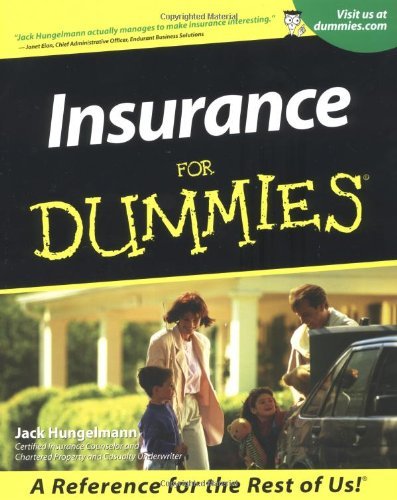
Insurance for Dummies: Hungelmann, Jack
<strong>Manage life, health, and disability risks</strong> ― explore individual and group policies, understand Medicare basics, and evaluate long-term disability and long-term-care insurance ...
Check Price on AmazonWhat does a standard policy cover? Most RI homeowners carry an HO-3 policy (the most common form). Here are the core parts, translated into plain English:
- Dwelling (Coverage A): Pays to rebuild your home’s structure after a covered loss. “Replacement cost” means the cost to rebuild today with similar materials, not your purchase price or market value.
- Other Structures (Coverage B): Sheds, fences, and detached garages—typically 10% of your dwelling limit.
- Personal Property (Coverage C): Your belongings—furniture, clothing, electronics. Often covered at “actual cash value” (what it’s worth today after depreciation) by default; you can usually upgrade to “replacement cost” so you can buy new items without depreciation taken out.
- Loss of Use (Coverage D): Also called “additional living expenses,” pays for housing and extra costs if a covered loss makes your home uninhabitable.
- Personal Liability (Coverage E): Covers you if you’re legally responsible for injuries or property damage to others (for example, a guest slips on your stairs). Many homeowners choose $300,000–$500,000.
- Medical Payments (Coverage F): Small, no-fault medical coverage for guest injuries on your property.
Jargon watch: deductibles
- All-perils deductible: The amount you pay out of pocket on most covered claims before insurance pays (for example, $1,000).
- Hurricane or named-storm deductible: In many RI policies, wind damage from a hurricane or named tropical storm triggers a separate, higher deductible—often a percentage of your dwelling limit (typically 1%–5%). If your Coverage A limit is $400,000 and your hurricane deductible is 2%, you’d pay the first $8,000 of a hurricane-related wind claim.
What’s typically excluded in Rhode Island
- Flood: Rising water from storm surge, flash floods, or river overflow is excluded. Buy a separate flood policy through the National Flood Insurance Program (NFIP) or private flood insurers. There’s usually a 30-day waiting period, so don’t wait for a storm to form.
- Earth movement and coastal erosion: Landslide, sinkhole (unless endorsed), and erosion are typically excluded.
- Sewer or drain backup: Water backing up through sewers/sumps needs an inexpensive “water backup” endorsement—commonly available with limits like $5,000–$25,000.
- Wear and tear: Maintenance issues (like old roofs or long-term leaks) are not covered.
Helpful add-ons for older RI housing stock
- Ordinance or law coverage: Pays for code upgrades during a covered rebuild. With so many pre-1980 homes in Providence, Cranston, Pawtucket, and Newport, consider higher limits (25%–50% of Coverage A vs. the standard 10%).
- Roof replacement cost and matching: Some policies downgrade older roofs to actual cash value. Ask for “replacement cost” on the roof and what happens if matching materials aren’t available.
- Scheduled valuables: Jewelry, fine arts, or musical instruments often need separate “scheduled” coverage for higher limits and broader protection.
If you’re right on the water Some carriers restrict wind coverage close to the shoreline or require a higher percentage hurricane deductible. If you have trouble finding coverage, ask an independent agent about the Rhode Island FAIR Plan (administered by the RI Joint Reinsurance Association), which is a backstop for properties that can’t find insurance on the standard market. Many homeowners use the FAIR Plan for wind and a separate policy for everything else; a licensed agent can help structure this if needed.
Average home insurance costs in Rhode Island by home value and location
Let’s level with you: costs for home insurance in Rhode Island vary widely by location (coastal vs. inland), roof age and type, construction details, your chosen deductibles, and your insurance history. While we can’t promise specific rates, here are typical ranges we see for owner-occupied single-family homes with standard liability limits and a $1,000 all-perils deductible, assuming replacement cost coverage for the dwelling. Your price may be higher or lower.
Condos (interior unit coverage only, master policy covers the building):
- $300–$700 per year inland
- $450–$900 per year near the coast
Single-family home, $250,000 rebuild cost:
- Inland (Cranston, Warwick, Johnston): roughly $1,100–$1,800 per year
- Coastal exposure (Narragansett, Middletown, Tiverton): roughly $1,600–$2,600 per year
Single-family home, $350,000 rebuild cost:
- Inland: roughly $1,400–$2,200 per year
- Coastal: roughly $2,100–$3,200 per year
Single-family home, $500,000+ rebuild cost or historic home:
- Inland: roughly $2,000–$3,200+ per year
- Coastal: roughly $3,000–$5,500+ per year, often with a 2%–5% hurricane deductible
Example scenario: Say your 1,800 sq. ft., 1975 wood-frame home in Cranston has a $350,000 rebuild cost, a $1,000 all-perils deductible, and a 2% hurricane deductible. Typical quotes might land between $1,500 and $2,200 per year depending on roof age, updates to plumbing/electrical, your claims history, and discounts like bundling with auto. Move that same home closer to Narragansett Bay and you’ll likely see a jump due to wind exposure.
A note on pricing factors in RI:
- Distance to coast and elevation: Closer to shore and lower elevation typically mean higher wind and potential flood risk.
- Roof age and material: Newer roofs and impact-resistant shingles can lower the price.
- Construction type: Masonry can sometimes fare better on wind; older knob-and-tube wiring, galvanized plumbing, or oil tanks can increase premiums.
- Deductibles: Higher all-perils deductibles and higher hurricane deductibles usually reduce premiums—but raise your out-of-pocket risk.
- Credit-based insurance score: Many insurers use an insurance-based credit score where permitted. Maintaining strong credit typically helps your rate.
Rhode Island-specific risks: natural disasters, weather, and regional factors
Hurricanes and tropical storms: Wind is typically covered, but your hurricane or named-storm deductible (the percentage deductible applied only when a storm meets the policy’s trigger) can be significant. Review exactly when it applies—some policies use a “hurricane” trigger; others use any “named storm” declared by the National Weather Service.
Nor’easters and coastal storms: These can bring damaging winds and heavy precipitation. Remember: wind-driven rain through a storm-damaged roof is often covered, but storm surge and tidal flooding require a separate flood policy.
Flooding and storm surge: Much of Rhode Island’s coastline is exposed to surge. Even inland areas near rivers and streams can flood. The NFIP and some private carriers offer flood insurance. There’s usually a 30-day waiting period for NFIP policies, so evaluate flood options well before hurricane season.
Winter weather and ice dams: Snow buildup and freeze-thaw cycles can force water under shingles, causing interior damage. Ice dam-related damage is typically covered (minus the deductible), but preventing it with proper insulation and ventilation is key. Consider the water backup endorsement for sump or sewer overflows.
Coastal erosion and earth movement: Not covered by standard home insurance. Flood policies also exclude erosion not caused by flooding. If your property is vulnerable, talk with a local agent about mitigation and what is—and isn’t—insurable.
Older/historic homes: Rhode Island’s historic properties are a treasure, but ornate trim, plaster, and custom work can raise rebuild costs. Ask your insurer how they estimate replacement cost and whether historic features are matched or substituted with modern equivalents.
How to compare home insurance quotes in Rhode Island
Here’s a checklist to make apples-to-apples comparisons—and avoid common pitfalls.
Match key limits
- Dwelling limit (Coverage A): Use a realistic replacement cost estimate. Share square footage, number of stories, foundation type, roof material/age, and interior finishes so the estimator is accurate.
- Personal property (Coverage C): Many policies default to 50%–70% of Coverage A. Consider whether that fits your household.
- Liability (Coverage E): Many homeowners pick $300,000–$500,000. If you have assets or a high income, consider an umbrella policy (additional liability protection) starting around $1M.
Line up deductibles
- Choose an all-perils deductible you can comfortably pay (common options: $1,000–$2,500).
- Review hurricane/named-storm deductible details: Is it 1%, 2%, 5%? What events trigger it? Understand that a 2% deductible on a $500,000 home is $10,000 out-of-pocket for hurricane wind damage.
Look for make-or-break endorsements
- Water backup: Pick a limit that matches your basement or finished space risk.
- Ordinance or law: Consider 25%–50% for older homes.
- Roof coverage: Confirm replacement cost on the roof and whether cosmetic shingle damage is covered or excluded.
- Personal property settlement: Upgrade to replacement cost if available, so depreciation isn’t deducted from your claim check.
- Special limits: Jewelry, watches, firearms, collectibles—schedule items if their value exceeds built-in caps (often $1,500–$5,000 for theft of jewelry).
Review policy fine print that affects RI homeowners
- Wind exclusions or surcharges near the coast
- Named-storm vs. hurricane deductible triggers
- Short-term rental or home-sharing exclusions if you Airbnb
- Dog liability restrictions by breed (varies by insurer)
Assess the company, not just the price
- Financial strength: Look for strong ratings from A.M. Best or similar agencies.
- Claims reputation: Read recent reviews focused on claim handling, not just billing.
- Local experience: Favor carriers familiar with RI coastal risks and winter claims.
Work with both direct carriers and independent agents Independent agents can shop multiple insurers at once—including regional carriers with competitive RI coastal pricing. Direct carriers can be strong if they like your home’s profile. You want 3–5 quotes with the same limits and deductibles for a clean comparison.
Call to action: The fastest way to see what you would actually pay is to compare quotes from 3–5 carriers side-by-side. Share the same info each time and ask each carrier to match limits and deductibles.
Discounts and bundling opportunities for Rhode Island homeowners
- Auto + home bundle: Typically the biggest savings. In many cases, bundling can trim 10%–25% off combined premiums. Always check the total price, not just the home policy in isolation.
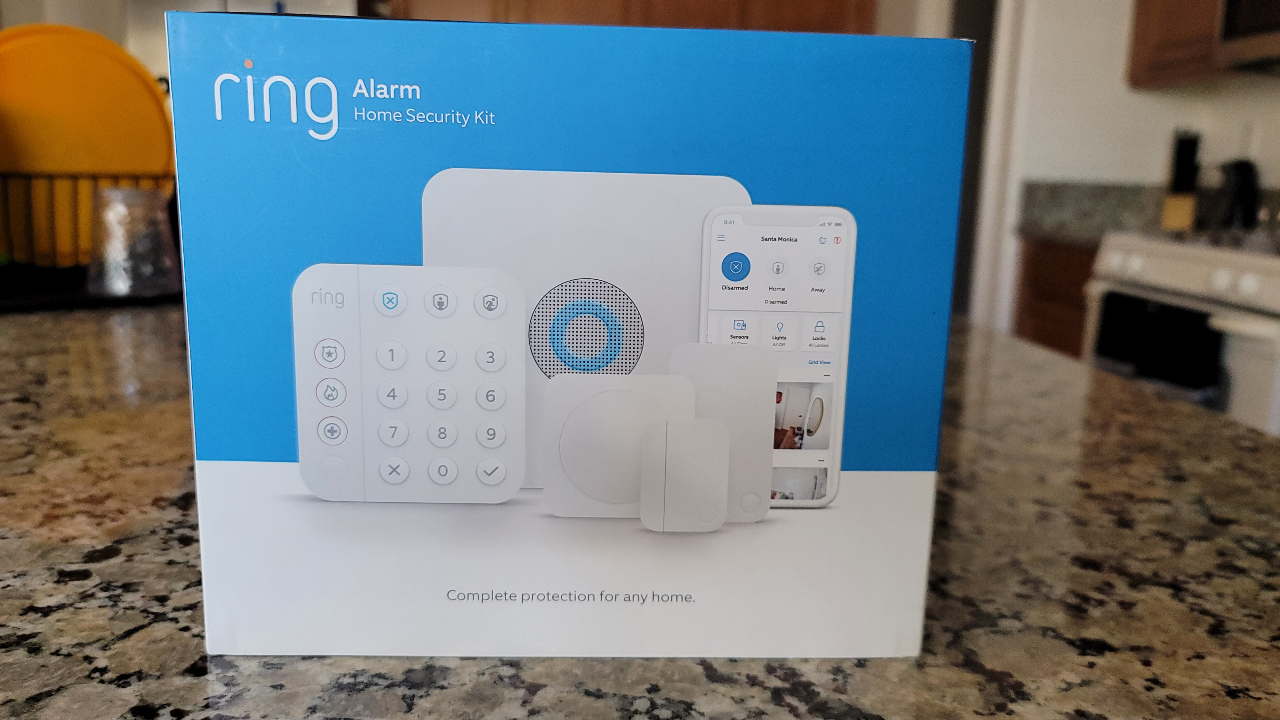
Ring Alarm 8-piece kit (2nd Gen) – home security system
View on Amazon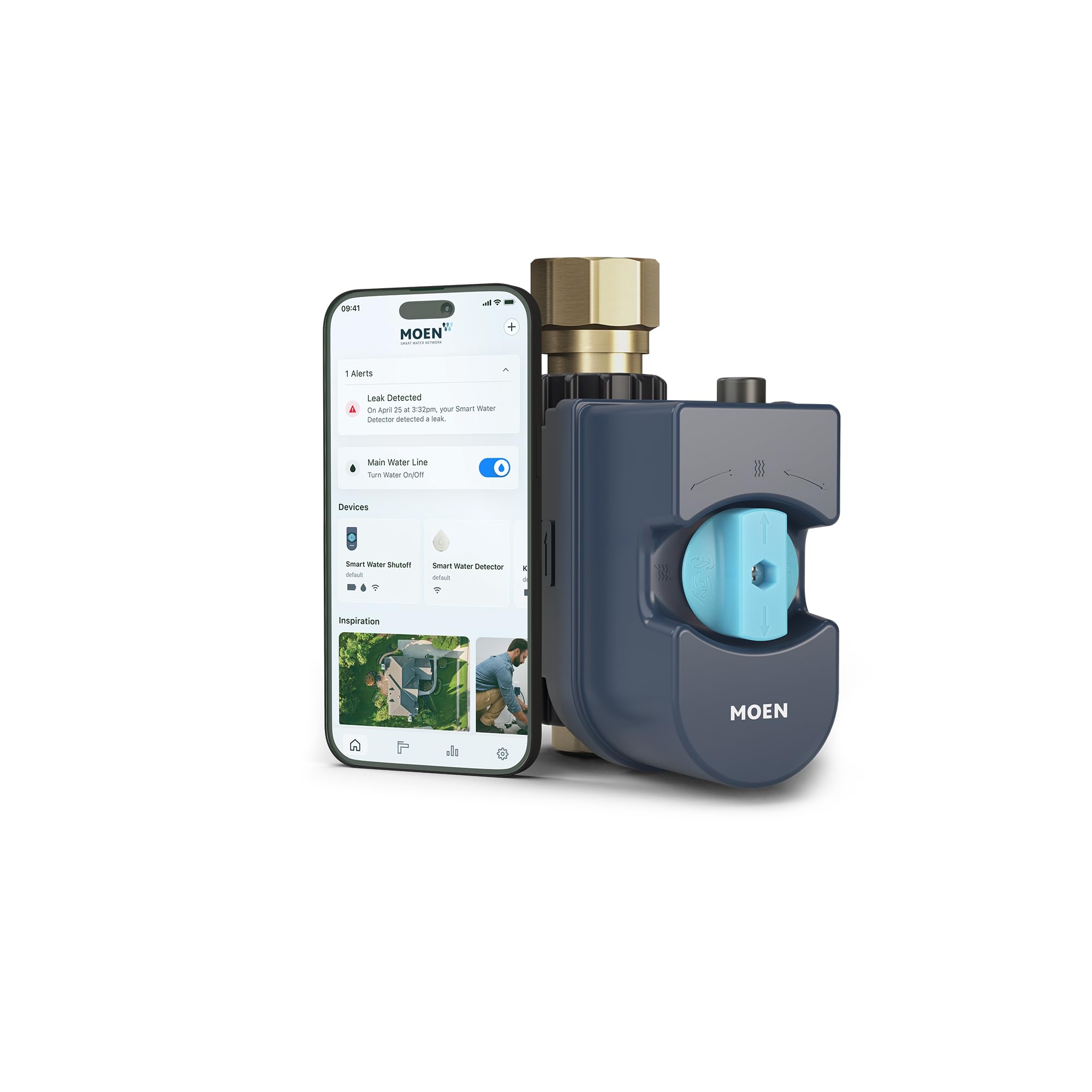
Moen Flo Smart Water Monitor and Automatic Shutoff Sensor, Wi-Fi Water Leak Detector for 3/4-Inch Diameter Pipe, 900-001 - Tub And Shower Faucets - Amazon.com
Moen Flo Smart Water Monitor and Automatic Shutoff Sensor, <strong>Wi-Fi Water Leak Detector for 3/4-Inch Diameter Pipe</strong>, 900-001 - Tub And Shower Faucets - Amazon.com
Check Price on AmazonNew roof and wind mitigation: Insurers may discount impact-resistant shingles, hurricane straps/clips, sealed roof decks, and permanent storm shutters. You may need documentation or an inspection.
Protective devices: Central-station burglar and fire alarms, water leak sensors, automatic water shutoff valves, and monitored smoke/CO detectors can result in credits.
Updates to major systems: Replacing older electrical, plumbing, heating, or adding circuit breakers can help.
Claims-free: Staying claim-free for several years can earn lower rates. Don’t skip necessary claims, but consider paying out-of-pocket for very small losses to protect your long-term pricing.
Loyalty and paperless: Modest credits for staying with one carrier and going paperless or autopay. Still, shop every year or two; loyalty alone doesn’t guarantee the best price.
Group or occupation: Some insurers offer small discounts for certain employers, alumni groups, or professional associations.
Filing a home insurance claim in Rhode Island
When a storm hits, clear steps help you recover faster and avoid surprises.
- Make safety and mitigation your priority
- Prevent further damage if it’s safe—tarp a roof, shut off water, move belongings away from active leaks. Keep receipts; these costs are often covered under the policy’s “reasonable repairs” provision.
- Document everything
- Take photos and video before cleanup. Create a list of damaged items with approximate age, original price, and where purchased. This helps especially if you have replacement cost on personal property.
- Notify your insurer promptly
- Report the claim via app, phone, or website. Share the date/time of loss and describe what happened. Ask whether your hurricane or named-storm deductible applies.
- Understand your deductible(s)
- You’ll pay the all-perils deductible on most claims. For hurricane or named-storm wind damage, the percentage deductible usually applies instead. Clarify with your adjuster early so you know your out-of-pocket exposure.
- Meet the adjuster and get estimates
- Be present if possible. Walk through all damage, including attics and basements. Getting your own licensed contractor’s estimate can help align expectations.
- Use your Loss of Use coverage if needed
- If your home is uninhabitable due to a covered loss, keep receipts for hotel stays, meals above normal, and extra mileage. Loss of Use (additional living expense) covers these up to your policy limit.
- Ask about dispute options
- If you disagree on scope or price, ask about the policy’s appraisal process. You can also consult a licensed public adjuster or attorney, but understand fees and trade-offs.
- Know your consumer resources
- If you hit a dead end, you can contact the Rhode Island Department of Business Regulation (Insurance Division) for consumer assistance on claim handling practices.
FAQ: common questions about Rhode Island homeowners insurance
Is home insurance required in Rhode Island? Not by state law, but lenders require it. It’s also a smart way to protect your investment from wind, fire, theft, and more.
Are hurricanes covered in RI policies? Typically yes for wind damage, but a separate hurricane or named-storm deductible (a percentage of your dwelling limit) often applies. Read your policy to see the percentage and trigger.
Is flood insurance necessary near Narragansett Bay or along rivers? If you’re in a high-risk flood zone or close to the coast, flood insurance is strongly recommended and sometimes required by lenders. Standard home insurance excludes flood.
I live near the water—can I still get coverage? Usually yes, but expect a higher wind deductible or special conditions. If you’re declined by multiple carriers, ask an independent agent about the Rhode Island FAIR Plan as a last-resort option.
How much liability coverage should I carry? Many homeowners choose $300,000–$500,000. If you have assets, consider a personal umbrella policy for an extra $1 million or more in protection.
Does my policy cover short-term rentals (Airbnb/VRBO)? Not by default in many policies. Ask for a home-sharing or short-term rental endorsement—or a landlord/DP policy if renting more regularly.
Do insurers in RI restrict certain dog breeds? Some do. If you have a dog, disclose the breed to avoid claim issues. Consider higher liability limits or an umbrella policy.
Can I lower my premium without losing critical coverage? Options include increasing your all-perils deductible (and possibly your hurricane deductible), bundling with auto, upgrading your roof, adding security/water sensors, and shopping 3–5 carriers. Just make sure the savings don’t come from cutting must-have endorsements like water backup or ordinance and law.
What about condos and renters in Rhode Island? Condo owners need an HO-6 policy for interior walls, flooring, cabinets, and personal property, plus loss assessment coverage for shared property damage. Renters should carry an HO-4 policy to cover belongings and liability; it’s typically inexpensive.
Your next step
You don’t need to be an insurance expert—just focus on the few decisions that move the needle: a realistic rebuild cost, clear deductibles (including hurricane/named-storm), and the right add-ons for RI risks like water backup and ordinance and law.
Call to action: The fastest way to see your true price for home insurance in Rhode Island is to compare quotes from 3–5 carriers with the same limits and deductibles. If you’d like guidance, speak with a licensed local agent who understands coastal wind and winter claims.
This guide offers general information. For advice tailored to your home, talk with a licensed insurance professional.
Recommended Resources
Insurance for Dummies: Hungelmann, Jack
<strong>Manage life, health, and disability risks</strong> ― explore individual and group policies, understand Medicare basics, and evaluate long-term disability and long-term-care insurance ...
Moen Flo Smart Water Monitor and Automatic Shutoff Sensor, Wi-Fi Water Leak Detector for 3/4-Inch Diameter Pipe, 900-001 - Tub And Shower Faucets - Amazon.com
Moen Flo Smart Water Monitor and Automatic Shutoff Sensor, <strong>Wi-Fi Water Leak Detector for 3/4-Inch Diameter Pipe</strong>, 900-001 - Tub And Shower Faucets - Amazon.com
Ring Alarm 8-piece kit (2nd Gen) – home security system
<strong>24/7 Professional Monitoring</strong> If a break-in or emergency is detected, we’ll request emergency response.² <strong>24/7 Professional Monitoring</strong> · If a break-in or emergency is d
Related Articles
- Auto Insurance in Rhode Island: Rates, Requirements & How to Save
- Home Insurance in Massachusetts: Coverage, Costs & Best Companies
- Home Insurance in Maine: Coverage, Costs & Best Companies
- Health Insurance in Rhode Island: Plans, Costs & How to Enroll
- Home Insurance in New Hampshire: Coverage, Costs & Best Companies
- Home Insurance in Vermont: Coverage, Costs & Best Companies
- Home Insurance in Wyoming: Coverage, Costs & Best Companies
- Home Insurance in New Jersey: Coverage, Costs & Best Companies