
Home Insurance in Vermont: Coverage, Costs & Best Companies
You got a quote for home insurance in Vermont and you’re wondering: Is this normal? What does it really cover, and how do I find a better rate? You’re in the right place. This guide breaks down what home insurance in Vermont typically includes, what drives costs across the state, how to compare quotes the right way, and how to file a claim without headaches.
We’ll use plain language, real Vermont examples, and a few pro tips insurers don’t always spell out. Actual rates vary by home and insurer, but the fastest way to see what you would actually pay is to compare quotes from 3–5 carriers.
1) Vermont homeowners insurance requirements and typical coverage
First, a quick reality check: Vermont law doesn’t require homeowners insurance. But if you have a mortgage, your lender will require it to protect their investment. Even if you own your home outright, carrying a policy is typically a smart move—one severe winter event or kitchen fire can set you back far more than a year’s premium.
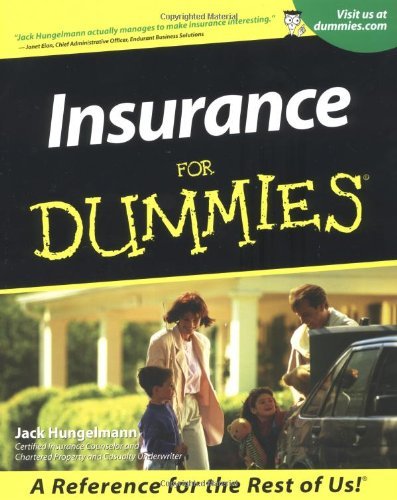
Insurance for Dummies: Hungelmann, Jack
<strong>Manage life, health, and disability risks</strong> ― explore individual and group policies, understand Medicare basics, and evaluate long-term disability and long-term-care insurance ...
Check Price on AmazonMost Vermont homeowners carry an HO-3 (special form) or HO-5 (broader, more comprehensive) policy. Here’s what’s usually included—and what the jargon means in simple terms:
- Dwelling (Coverage A): Pays to repair or rebuild your home’s structure after a covered loss. Aim for “replacement cost” (the cost to rebuild today) rather than market value (what you could sell the home for).
- Other Structures (Coverage B): Covers fences, sheds, detached garages—usually 10% of your dwelling limit by default.
- Personal Property (Coverage C): Covers your belongings. Look for “replacement cost” on contents so you’re not stuck with “actual cash value” (depreciated value) on a 7-year-old couch or skis.
- Loss of Use/ALE (Additional Living Expense): Pays for hotel, short-term rental, and extra living costs if you can’t live at home during covered repairs.
- Personal Liability: Covers you if you’re legally responsible for injuries or property damage to others, on or off your property. Many Vermonters choose $300,000–$500,000; consider more if you have assets to protect.
- Medical Payments to Others: Small no-fault coverage (often $1,000–$5,000) for minor injuries on your property.
Common add-ons Vermont owners consider:
- Water backup and sump overflow: Covers damage from a backed-up drain or sump—very common with finished basements. This is usually an endorsement (add-on), not standard.
- Service line coverage: Helps pay if buried lines (water/sewer) from the street to your house fail—often a few dollars a month.
- Ordinance or law: Pays for required building code upgrades after a loss—important for older homes common across Vermont.
- Extended or guaranteed replacement cost: Adds 25%–50% (varies by insurer) above your dwelling limit if rebuilding costs spike after a major weather event.
- Equipment breakdown: Covers major home systems (HVAC, appliances) from mechanical/electrical failure. Separate from wear-and-tear.
- Short-term rental endorsement: If you host in ski hubs like Stowe or Killington, you likely need specific coverage for short-term rentals.
What’s not covered under standard homeowners insurance:
- Flood: Water rising from outside—like river or lake overflow—requires a separate flood policy (through the National Flood Insurance Program or private flood insurers). If you live near Lake Champlain, the Winooski, or other rivers, it’s worth pricing.
- Earthquake: Low risk in Vermont, but coverage typically requires an endorsement with a separate deductible.
- Wear-and-tear or maintenance: Frozen pipes from lack of heat or long-term roof leaks are often excluded.
Pro tip: Clarify your deductible (what you pay out of pocket before insurance kicks in). In Vermont, many choose $1,000–$2,500 to balance savings and affordability in a claim. Some insurers may have separate wind/hail deductibles, though that’s less common inland compared to coastal New England—still, ask explicitly.
2) Average home insurance costs in Vermont by home value and location
Vermont home insurance rates are typically lower than in many coastal states, but prices vary widely by:
- Where you live (Burlington vs. rural counties, lakefront vs. hillside)
- Home value and rebuild cost (materials, size, style)
- Roof age and type (metal roofs can be a plus; older roofs can raise rates)
- Heating source (wood stoves and solid-fuel appliances may require inspection and can impact pricing)
- Claims history and credit-based insurance score (where allowed)
What do people actually pay? While your quote will be unique, here are illustrative ranges seen in Vermont. These are examples, not guarantees:
- $250,000 replacement cost home in Rutland County, newer roof, no claims: Often $800–$1,200 per year
- $350,000 home near Burlington/South Burlington, 1,800 sq. ft., mid-age roof: Often $1,050–$1,600 per year
- $500,000 home in a ski area (Stowe/Killington), short-term rental endorsement, higher liability: Often $1,500–$2,300+ per year
- Lake Champlain-adjacent home, $400,000 replacement cost, optional flood policy added: Home policy might be $1,200–$1,800; separate flood premium varies widely by elevation and flood zone
What drives your Vermont price the most:
- Rebuild costs: Vermont labor/material costs have risen; a higher Coverage A drives higher premiums.
- Roof and water risk: Insurers price roof age and water damage risks (ice dams, plumbing, sump failure) carefully.
- Distance to fire service: Rural properties far from hydrants or staffed stations can see higher rates.
- Claims: A recent water or wind claim typically raises your rate.
If your quote seems high, ask your agent to review your replacement cost estimate (insurer software can overshoot or miss features) and check for discounts you may have missed. More on discounts below.
3) Vermont-specific risks: natural disasters, weather, and regional factors
Vermont’s beauty comes with some weather quirks insurers watch closely.

Garant GPRR24 Yukon 24-Inch Poly Blade Snow Roof Rake : Patio, Lawn & Garden
View on Amazon- Winter storms and ice dams: Heavy snow and freeze-thaw cycles can push water under shingles and into attics. Most policies cover sudden/accidental interior water damage from ice dams, but not the roof repair if it’s due to wear. Prevention helps: good insulation/ventilation, heated cables in trouble spots, and timely snow raking for heavy storms.
- Burst pipes and freezing: If heat isn’t maintained, frozen pipes can be excluded. Smart thermostats and water shutoff/leak sensors can reduce risk and sometimes earn discounts.
- Wind and severe thunderstorms: Summer storms can bring strong winds and hail. Roof condition matters a lot to insurers here.
- Flooding and spring runoff: River and lake flooding aren’t covered by standard home policies. Many Vermonters near water add flood insurance—worth pricing even outside high-risk zones due to snowmelt and heavy rain events.
- Wildfire and trees: Overall wildfire risk is relatively low, but wind-fallen trees and branches can cause roof and fence damage in any season.
- Older housing stock: Many Vermont homes are pre-1990. Knob-and-tube wiring, old plumbing, and outdated roofs can affect eligibility and premium. Ordinance or law coverage helps with code upgrades if you have a covered loss.
- Wood stoves: Beloved for winter, but insurers will often require professional installation documentation and inspection. Expect questions about clearances and chimney condition.
Regional note: If you’re buying a second home just across the Connecticut River in New Hampshire or down in Massachusetts, coverage options and rates differ by state rules and risk. You can compare those landscapes here:
- Home Insurance in New Hampshire: Coverage, Costs & Best Companies
- Home Insurance in Massachusetts: Coverage, Costs & Best Companies
4) How to compare home insurance quotes in Vermont
Comparing apples-to-apples is the key to choosing confidently. Here’s a simple checklist to use with every quote:
What to match across all quotes:
- Dwelling limit (Coverage A): Based on rebuild cost. Share the same square footage, materials, and features with each insurer. Ask for a copy of their replacement cost report to confirm assumptions (roof type, siding, finishes).
- Personal property coverage: Request replacement cost on contents so you’re not paid depreciated value.
- Liability limit: Start at $300,000; many Vermonters choose $500,000. If you have significant assets or a rental, ask about a personal umbrella policy for extra protection.
- Deductible: $1,000–$2,500 is common. Make sure all quotes use the same amount and ask if there’s a separate wind/hail deductible.
Vermont-specific features to ask about:
- Water backup limits: $5,000 is a common starting point, but many homes with finished basements prefer $10,000–$25,000.
- Service line coverage: Often just a few dollars per month and can pay off big.
- Ordinance or law: 10% is common; older homes may benefit from 25%+.
- Roof settlement: Replacement cost vs. actual cash value (ACV) on older roofs—replacement cost is more protective.
- Extended replacement cost: 25% or 50% buffers help when materials/labor spike after widespread storms.
- Short-term rental or home-sharing endorsement: Required if you list on platforms like Airbnb/VRBO.
How to evaluate companies beyond price:
- Claims reputation: Ask the agent, read recent reviews specific to claims (not just billing). Local contractor networks and quick adjuster response matter in winter.
- Local presence: Carriers with New England experience tend to understand ice, snow load, and wood stoves better.
- Financial strength: AM Best rating of A- or better is a good benchmark.
Smart next step: Gather your details once (age of roof, updates to electric/plumbing/heating, square footage, any wood stoves, distance to hydrant) and compare 3–5 quotes the same day. This keeps coverages aligned and makes differences pop out.
Need personalized help? Speaking with a licensed Vermont agent can be worth it—especially for older homes, rural properties, or rental use. They can also surface discounts you might miss.
Call to action: The fastest way to see your real price is to compare quotes from 3–5 carriers side-by-side. Lock in the same limits and deductibles, then pick the best total value—not just the lowest price.
5) Discounts and bundling opportunities for Vermont homeowners
Discount eligibility varies by insurer, but common ways Vermonters save include:
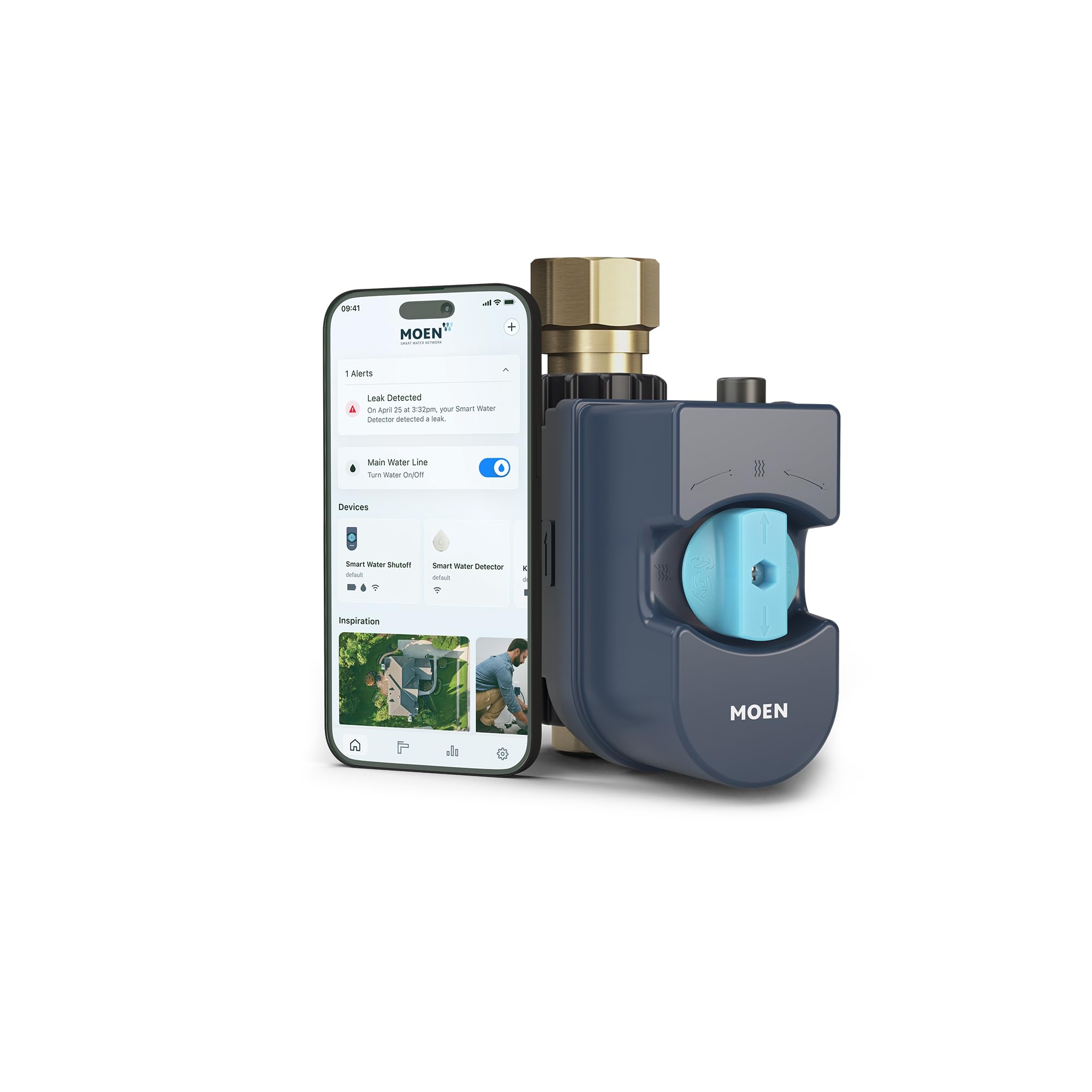
Moen Flo Smart Water Monitor and Automatic Shutoff Sensor, Wi-Fi Water Leak Detector for 3/4-Inch Diameter Pipe, 900-001 - Tub And Shower Faucets - Amazon.com
Moen Flo Smart Water Monitor and Automatic Shutoff Sensor, <strong>Wi-Fi Water Leak Detector for 3/4-Inch Diameter Pipe</strong>, 900-001 - Tub And Shower Faucets - Amazon.com
Check Price on Amazon- Bundle home and auto: Often 10%–25% savings on combined policies. If you’re shopping both, start here. For auto basics and savings ideas specific to the state, see: Auto Insurance in Vermont: Rates, Requirements & How to Save
- Roofing and updates: Newer roofs, updated electrical/plumbing/heating often qualify.
- Protective devices: Monitored burglar/fire alarms, smart leak detectors, and automatic water shutoff systems may earn credits.
- Claim-free: Staying claim-free for 3–5 years can reduce rates.
- Mature homeowner/retiree and loyalty: Some carriers reward tenure and stability.
- Paperless/paid-in-full: Small but easy discounts.
- Wood stove compliance: Proof of professional installation/inspection can help with eligibility and pricing.
Quick tip: Ask the agent to “quote with and without” each endorsement and discount. For example, adding water backup or extended replacement cost sometimes costs less than you think—and can be far more valuable than shaving $100 off by raising your deductible too high.
6) Filing a home insurance claim in Vermont
When something happens, the steps you take in the first 24–48 hours can make a big difference.
- Stay safe and prevent further damage: Shut off water for leaks/bursts, board up broken windows, and keep receipts—these temporary fixes are typically reimbursable under “reasonable repairs.”
- Document everything: Take photos/videos before cleanup. Make a list of damaged items with approximate ages and replacement values.
- Call your insurer or agent promptly: Ask about next steps, your deductible, and whether the event is likely covered. If it’s borderline (like seepage vs. sudden leak), your agent can advise on claim strategy.
- Meet the adjuster: Walk them through the damage, share your contractor estimates, and point out any hidden issues (wet insulation, attic staining from ice dams).
- Track additional living expenses: Keep all receipts for hotels, meals, laundry—ALE can add up quickly in winter if repairs take time.
- Use reputable local contractors: Vermont winters are hard on homes; local pros know how to repair for long-term durability.
If you hit a snag with your claim—say there’s a dispute over coverage or scope—ask for it in writing and escalate within the company. You can also contact the Vermont Department of Financial Regulation’s Consumer Services for guidance. Exact timelines and rights vary by policy, so always review your declarations page and endorsements.
7) FAQ: common questions about Vermont homeowners insurance
What’s the average cost of home insurance in Vermont?
- It depends on your home and location, but many Vermont homeowners pay somewhere between $800 and $1,600 per year for a typical policy. Higher-value homes, lakefront properties, or short-term rentals often cost more. The best way to know your price is to compare 3–5 quotes.
Is flood covered by home insurance in Vermont?
- No. Flood (water rising from outside, like rivers or Lake Champlain) isn’t covered by standard homeowners insurance. Consider a separate flood policy through the NFIP or a private flood insurer if you’re near water or in a flood-prone area.
Do I need homeowners insurance if my house is paid off?
- Not legally—but it’s typically wise. One windstorm or major water loss can cost far more than years of premiums. If you go without, consider at least keeping cash reserves for major repairs and liability exposure.
How much liability coverage should I carry?
- Many Vermont homeowners choose $300,000–$500,000. If you have significant assets or a rental exposure, ask about a personal umbrella policy (extra liability coverage that sits above home and auto).
What about wood stoves—do they affect my policy?
- They can. Insurers often require proof of professional installation, proper clearances, and a safe chimney. A well-documented setup can help with eligibility and pricing.
Are ice dams covered?
- Policies typically cover sudden/accidental interior water damage from ice dams. Roof repairs due to wear or inadequate maintenance may not be covered. Good insulation/venting and quick snow removal reduce risk.
What’s the difference between replacement cost and actual cash value (ACV)?
- Replacement cost pays to repair/replace with new materials, without subtracting depreciation. ACV subtracts for age/wear. Try to get replacement cost on both your home and personal property whenever possible.
I occasionally rent my home to skiers—am I covered?
- Probably not under a standard policy without a short-term rental or home-sharing endorsement. Tell your agent about any Airbnb/VRBO activity to avoid claim denials.
Next step: Ready to see your real numbers? Compare quotes from 3–5 Vermont-savvy insurers using the same coverage limits and deductibles. A licensed agent can help tailor add-ons like water backup, service line, and extended replacement cost so you’re protected without overpaying.
Note: This guide is for general education. For guidance on your specific situation, talk with a licensed Vermont insurance agent.
Recommended Resources
Insurance for Dummies: Hungelmann, Jack
<strong>Manage life, health, and disability risks</strong> ― explore individual and group policies, understand Medicare basics, and evaluate long-term disability and long-term-care insurance ...
Moen Flo Smart Water Monitor and Automatic Shutoff Sensor, Wi-Fi Water Leak Detector for 3/4-Inch Diameter Pipe, 900-001 - Tub And Shower Faucets - Amazon.com
Moen Flo Smart Water Monitor and Automatic Shutoff Sensor, <strong>Wi-Fi Water Leak Detector for 3/4-Inch Diameter Pipe</strong>, 900-001 - Tub And Shower Faucets - Amazon.com
Garant GPRR24 Yukon 24-Inch Poly Blade Snow Roof Rake : Patio, Lawn & Garden
Amazon.com : <strong>Garant GPRR24 Yukon 24-Inch Poly Blade Snow Roof Rake</strong> : Patio, Lawn & Garden
Related Articles
- Auto Insurance in Vermont: Rates, Requirements & How to Save
- Home Insurance in New Hampshire: Coverage, Costs & Best Companies
- Home Insurance in Idaho: Coverage, Costs & Best Companies
- Home Insurance in West Virginia: Coverage, Costs & Best Companies
- Home Insurance in Montana: Coverage, Costs & Best Companies
- Health Insurance in Vermont: Plans, Costs & How to Enroll
- Home Insurance in Wyoming: Coverage, Costs & Best Companies
- Home Insurance in Maine: Coverage, Costs & Best Companies