
Health Insurance in Rhode Island: Plans, Costs & How to Enroll
You’re sorting through health insurance in Rhode Island and the numbers and acronyms start to blur. What’s the marketplace? Do you qualify for Medicaid? Is that premium good for your age? Here’s what actually matters when choosing coverage in the Ocean State—plus how to estimate costs, check eligibility, and enroll without headaches.
Note: Rates and rules change. Always verify details with HealthSource RI (the state’s marketplace) or a licensed agent before you enroll.
Health insurance options in Rhode Island: marketplace, Medicaid, employer, and private
Rhode Island has four main paths to coverage. Most residents land on one of these:
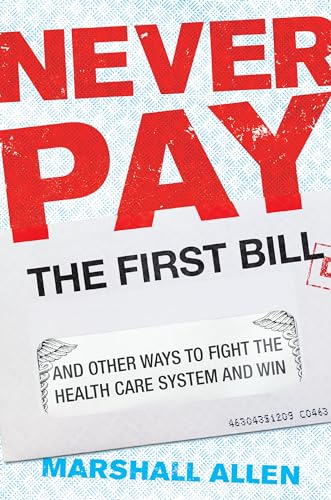
Never Pay the First Bill: And Other Ways to Fight the Health Care System and Win: Allen, Marshall
Drawing on 15 years of investigating the health care industry, reporter Marshall Allen <strong>shows how companies and individuals have managed to force medical providers to play fair, and shows how y
Check Price on AmazonState marketplace (HealthSource RI): This is Rhode Island’s Affordable Care Act (ACA) marketplace for individuals and families. You can compare plans, see if you qualify for federal premium tax credits (monthly discounts on your premium) and cost-sharing reductions (extra help that lowers your deductible—the amount you pay out of pocket before insurance kicks in—and copays). Enrollment is limited to certain times each year unless you have a qualifying life event.
Medicaid/CHIP (RIte Care and more): Rhode Island expanded Medicaid, so many adults with lower incomes qualify. Children and pregnant people typically qualify at higher income levels. Coverage is comprehensive and low cost, often with $0 premiums.
Employer-sponsored insurance (ESI): If your job offers coverage, this is often the most cost-effective route because employers usually pay a share of the premium. If your job-based plan is considered affordable and adequate, you typically won’t qualify for marketplace subsidies.
Private/Direct purchase (off-exchange): You can sometimes buy the same plans directly from insurers. But if you want financial help, you must enroll through HealthSource RI. Off-exchange plans don’t unlock subsidies.
Common plan types you’ll see:
- HMO (Health Maintenance Organization): Lower premiums on average, but you’ll pick a primary care doctor and need referrals to see most specialists. Out-of-network care is generally not covered except for emergencies.
- PPO (Preferred Provider Organization): More flexibility to see specialists without referrals and some out-of-network coverage, but usually higher premiums.
- EPO (Exclusive Provider Organization): Similar to HMOs on network rules (no out-of-network coverage except emergencies), but referrals may not be required. Often a middle ground for price and flexibility.
Average health insurance premiums in Rhode Island by plan type and age
Unsubsidized premiums in Rhode Island are generally competitive compared to national averages, and the state’s reinsurance program (a backstop that helps insurers pay high-cost claims) helps keep sticker prices in check. But your actual cost depends heavily on your age, the metal tier you choose, and whether you qualify for subsidies.
How age rating works: Under the ACA, insurers can charge older adults up to three times what they charge a 21-year-old for the same plan before subsidies. A 60-year-old might see a premium close to 3x a 21-year-old’s rate; a 40-year-old typically pays around 1.3–1.6x the 21-year-old rate, depending on the exact plan.
Metal tiers and what they mean:
- Bronze: Lowest monthly premium but highest out-of-pocket costs when you get care. Good for people who want to protect against big bills and are comfortable paying more when they use services.
- Silver: Middle-of-the-road premiums and costs. If you qualify for cost-sharing reductions, they only apply if you choose a Silver plan—this can dramatically lower your deductible and copays.
- Gold/Platinum: Higher monthly premiums but lower costs when you get care. Often worth a look if you have ongoing prescriptions or regular specialist visits.
A practical (illustrative) example—your numbers will vary:
- Say a 40-year-old in Rhode Island sees these unsubsidized quotes for plans from the same insurer and network:
- Bronze HMO: $350–$450/month
- Silver HMO: $430–$550/month
- Gold HMO: $520–$650/month
- At age 27, expect roughly 15–25% less than the 40-year-old rate for the same plan. At age 60, it can be up to about 80–120% higher.
Now add subsidies: Most Rhode Islanders who enroll through HealthSource RI qualify for federal premium tax credits. These discounts cap your cost for the benchmark Silver plan based on your household income and family size. Many households pay well below the sticker price—some pay $0 for a Bronze plan or a reduced premium for a Silver plan with enhanced cost-sharing.
What really matters is your total annual cost: premium + expected out-of-pocket spending. A plan with a $40 lower premium could cost more overall if the deductible (the amount you pay before insurance starts sharing costs) or out-of-pocket maximum (your annual cap on in-network spending, after which the plan pays 100%) is much higher.
Rhode Island Medicaid eligibility and enrollment
Rhode Island’s Medicaid program includes several options, often branded as RIte Care for children and families. The state expanded Medicaid to adults without dependents.
Who typically qualifies (income limits adjust annually):
- Adults ages 19–64: Generally up to 138% of the federal poverty level (FPL). For rough context, that’s around $20,000 for a single adult or $41,000 for a family of four, based on recent guidelines.
- Children (CHIP) and pregnant people: Higher income thresholds than adults—many families qualify even if adults do not. Benefits often include low or $0 copays.
- Aged, blind, or disabled individuals: Different income and asset rules may apply; some people qualify for Medicaid or Medicare Savings Programs that help pay Medicare costs.
How to apply:
- Online via HealthSource RI: You can complete a single application that screens you for Medicaid and marketplace subsidies.
- By phone or in person: Through the Rhode Island Department of Human Services (DHS) or partner community organizations (navigators and assisters).
Enrollment timing:
- Medicaid has year-round enrollment. If you’re eligible, coverage can start the first day of the month of application (or earlier with retroactive coverage in some situations—ask an assister).
Documents you may need:
- Proof of identity and Rhode Island residency
- Social Security numbers (if available)
- Income verification (recent pay stubs, W-2s, or a self-employment statement)
- Immigration documents, if applicable (many lawfully present immigrants and children may qualify; emergency Medicaid can help with certain urgent needs regardless of status)
Tip: If you’re offered employer coverage but it’s not affordable (costs too much relative to your household income) or doesn’t meet minimum value, you may still qualify for Medicaid or marketplace subsidies. A licensed agent or navigator can help you sort this out.
Rhode Island health insurance marketplace: open enrollment and special periods
Rhode Island runs its own marketplace, HealthSource RI.
Open Enrollment Period (OEP):
- Typically runs from early November into January. Rhode Island often keeps enrollment open through late January, but exact dates can change each year. Enroll by December to start coverage January 1; mid-December to early January enrollments often start February 1. Always check the current year’s deadlines.
Special Enrollment Periods (SEP):
- You can enroll midyear if you have a qualifying life event (QLE). Common QLEs include losing other coverage, moving to Rhode Island, getting married, having a baby, adopting, or a significant change in household income.
- Most SEPs require you to enroll within 60 days of your QLE and may require documentation (for example, a termination letter if you lost employer coverage).
- If you lose Medicaid or CHIP, you generally also get a SEP to enroll in a marketplace plan.
When coverage starts:
- For most SEPs, enroll by the 15th of the month for coverage starting the 1st of the next month. Enroll after the 15th and coverage may start the following month. Births and adoptions typically allow coverage back to the date of the event.
How to compare and choose the best health plan in Rhode Island
Here’s how to make a confident choice without overpaying.
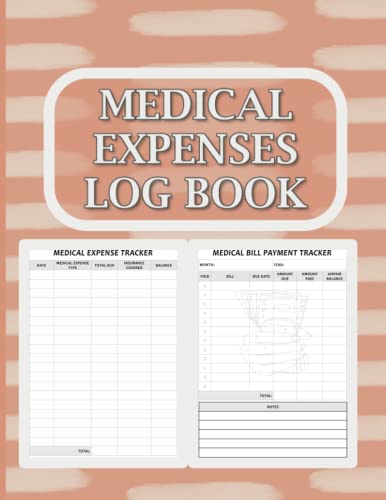
Medical Expenses Log Book: Easily Record Your Medical Spending and Track Your HealthCare Expense: B.A. Creatives, B.A. Creatives: Amazon.com
View on AmazonWhat to look for:
- Your doctors and hospitals: Check that your preferred primary care doctor and key specialists are in network. In Rhode Island, many residents look for access to systems like Lifespan and Care New England. Out-of-network care is usually not covered except in emergencies, especially with HMOs and EPOs.
- Referrals and authorizations: HMOs generally ask you to get a referral from your primary care doctor to see specialists. PPOs usually don’t. If you see specialists often, factor this in.
- Total annual cost, not just the premium: Add the premium to your expected out-of-pocket costs based on typical care you’ll use. Look at the deductible (what you pay before insurance starts sharing costs), copays (flat dollar amounts—for example, $40 for a primary care visit), coinsurance (the percentage you pay after meeting the deductible), and the out-of-pocket maximum (the most you’ll pay in a year for covered, in-network care).
- Prescriptions: Check the plan’s formulary (its list of covered drugs) and see the tier your meds fall into. Preferred generics often have the lowest copays; specialty drugs can be expensive and may require prior authorization.
- Metal tier and CSR eligibility: If your income qualifies you for cost-sharing reductions, choose a Silver plan to unlock lower deductibles and copays. The difference can be thousands of dollars saved on out-of-pocket costs.
- Network type and travel: If you regularly get care in nearby Massachusetts or elsewhere, consider whether the plan’s network works across state lines. PPOs can offer more flexibility out of state but tend to cost more.
- HSA compatibility: High-deductible health plans (HDHPs) that are HSA-eligible let you save pre-tax dollars for medical expenses. Great if you prefer to save on premiums and can budget for higher deductibles.
- Extra benefits: Telehealth, behavioral health providers, maternity and lactation support, and fitness or wellness perks can vary and add value.
A quick Rhode Island example:
- You’re a 35-year-old non-smoker in Providence who sees a primary care doctor twice a year and takes a generic cholesterol medication. You estimate two PCP visits and four generic prescriptions yearly.
- Bronze HMO might be $330–$420/month with a deductible around $7,000–$9,000. Your routine care could be mostly out of pocket until the deductible.
- Silver HMO might be $400–$520/month with a lower deductible and set copays for PCP visits and generics (say $30–$45 for PCP, $5–$20 for generics). If you qualify for CSR, the deductible and copays could be significantly lower.
- Gold HMO might be $500–$620/month with even lower cost-sharing, which can be worth it if you anticipate imaging, specialist care, or brand-name meds.
Smart next step: The fastest way to see what you would actually pay is to compare quotes from 3–5 carriers side by side through the marketplace or a licensed broker. Look at your real doctors, prescriptions, and expected care—not just premiums.
Quick help from a human: A licensed Rhode Island agent or HealthSource RI navigator can review your situation and confirm you’re getting every dollar of savings you qualify for.
Rhode Island-specific subsidies and financial assistance
- Federal premium tax credits (APTC): Available through HealthSource RI based on household income and family size. These lower your monthly premium. Many Rhode Islanders qualify for significant savings—sometimes bringing a Bronze premium close to $0.
- Cost-Sharing Reductions (CSR): Extra help that lowers your deductible and copays if your income falls within certain limits. Only applies to Silver plans. If you’re CSR-eligible, a Silver plan can function like a Gold or even Platinum plan in terms of out-of-pocket costs.
- State reinsurance program: Rhode Island uses a reinsurance program to help insurers pay very high-cost claims. This doesn’t show up as a line-item discount but helps keep list prices (before subsidies) lower than they otherwise would be.
- RIte Share (premium assistance): If your family qualifies and you have access to employer coverage, the state may help pay your share of the premium if it’s cost-effective. Ask a navigator about RIte Share screening.
- Hospital financial assistance: If you’re uninsured and need care, most hospital systems offer financial assistance/charity care programs based on income. This isn’t insurance, but it can reduce or forgive certain bills.
Important: Enhanced federal subsidies under recent federal laws have been extended in some years, but end dates and amounts can change. Always check the current year’s savings with HealthSource RI.
Rhode Island health insurance marketplace: how to enroll
- Create an account at HealthSource RI, enter your household details, and estimate your 12-month income. The system will show your eligibility for Medicaid, APTC, and CSR.
- Upload any requested documents (income, residency, immigration status, if applicable). Respond quickly—deadlines matter.
- Pick a plan that fits your doctors and prescriptions. Double-check networks and drug tiers.
- Make your first premium payment (binder payment) on time to activate coverage.

Medical Records Organizer Binder
View on AmazonPrefer guidance? A licensed agent or navigator can do an apples-to-apples comparison for you at no extra cost.
FAQ: common questions about Rhode Island health insurance
Does Rhode Island have an individual mandate? Yes. Rhode Island has a state requirement to have qualifying health coverage. If you go without coverage and don’t qualify for an exemption, you may owe a penalty when you file your state taxes. A licensed tax professional or HealthSource RI can explain how exemptions work.
Can I keep my doctor at Lifespan or Care New England? Usually—if they’re in network. Networks vary by insurer and plan. Always use the insurer’s provider directory and confirm with your doctor’s office before you enroll.
Are dental and vision included? Marketplace medical plans for adults typically do not include comprehensive adult dental or routine adult vision by default, though many insurers sell separate dental and vision plans. Pediatric dental and vision are included as essential health benefits for children on marketplace plans.
COBRA vs. marketplace—what’s smarter in Rhode Island? COBRA lets you keep your exact former employer plan for a limited time, but you pay the full premium plus a small admin fee. Depending on your income, a subsidized marketplace plan via HealthSource RI is often more affordable. You get a Special Enrollment Period when you lose job-based coverage.
What if I move to or from a neighboring state midyear? Moving to Rhode Island, Massachusetts, or Connecticut typically triggers a Special Enrollment Period so you can change plans. If you’re relocating and comparing rules across borders, these guides can help:
- Massachusetts: Health Insurance in Massachusetts: Plans, Costs & How to Enroll (/health-insurance/health-insurance-in-massachusetts-plans-costs-how-to-enroll)
- Connecticut: Health Insurance in Connecticut: Plans, Costs & How to Enroll (/health-insurance/health-insurance-in-connecticut-plans-costs-enroll)
How long can my young adult stay on my plan? Under the ACA, children can stay on a parent’s plan until age 26, even if they don’t live at home or are not financially dependent.
When will my coverage start if I enroll today? During Open Enrollment, enroll by the posted mid-month deadline to start coverage on the 1st of the next month; later enrollments typically start the following month. During a Special Enrollment Period, the effective date rules are similar. Birth and adoption are special cases where coverage can start on the event date.
I’m self-employed. What should I watch? Confirm your expected annual income carefully (after business expenses) because it sets your subsidy. Update your application if income changes, so you don’t owe money back at tax time or miss savings.
Will using a subsidy affect my immigration status? Generally, premium tax credits and Medicaid for children/pregnant people are not considered in public charge determinations. Immigration rules are complex—get advice from an accredited legal services provider if you’re unsure.
Your next step
- Get personalized quotes through HealthSource RI or a licensed Rhode Island broker. The fastest way to see what you’d actually pay is to compare 3–5 plans side by side with your real doctors and prescriptions.
- Have questions? A licensed agent or marketplace navigator can help you check network details, confirm eligibility for Medicaid or RIte Share, and pick a plan that fits your budget.
Friendly reminder: This guide is general education, not legal or tax advice. For personalized recommendations, speak with a licensed Rhode Island insurance agent or an official HealthSource RI assister.
Ready to compare? Take 10 minutes to line up your doctors, meds, and budget, then review a few top options. You’ll know within minutes whether a Bronze with a rainy-day fund, a CSR-boosted Silver, or a lower out-of-pocket Gold fits you best.
Recommended Resources
Never Pay the First Bill: And Other Ways to Fight the Health Care System and Win: Allen, Marshall
Drawing on 15 years of investigating the health care industry, reporter Marshall Allen <strong>shows how companies and individuals have managed to force medical providers to play fair, and shows how y
Medical Records Organizer Binder
Amazon.com: medical records organizer binder
Medical Expenses Log Book: Easily Record Your Medical Spending and Track Your HealthCare Expense: B.A. Creatives, B.A. Creatives: Amazon.com
Our log book <strong>provides space to record your policy number, coverage details, and other important information related to your health insurance</strong>. Healthcare Providers' Contact Inform
Related Articles
- Health Insurance in Maine: Plans, Costs & How to Enroll
- Health Insurance in Connecticut: Plans, Costs & How to Enroll
- Auto Insurance in Rhode Island: Rates, Requirements & How to Save
- Health Insurance in Massachusetts: Plans, Costs & How to Enroll
- Home Insurance in Rhode Island: Coverage, Costs & Best Companies
- Health Insurance in Nebraska: Plans, Costs & How to Enroll
- Health Insurance in Delaware: Plans, Costs & How to Enroll
- Health Insurance in New Jersey: Plans, Costs & How to Enroll