
Home Insurance in Maine: Coverage, Costs & Best Companies
You’re buying or renewing a policy and want straight answers: What does home insurance in Maine actually cover, what does it cost, and how do you pick a good company without overpaying? Here’s the clear, Maine-specific guide you can use to make the right call.
Note: Rates and coverage vary by insurer and by individual factors like your home’s age and construction, your claims history, and your exact ZIP code. Consider this a roadmap, then verify details with quotes.
1) Maine homeowners insurance requirements and typical coverage
First, the basics. There’s no state law requiring home insurance in Maine. But if you have a mortgage, your lender will require it. Even if you own your home outright, a solid policy protects your biggest asset from sudden, expensive losses.
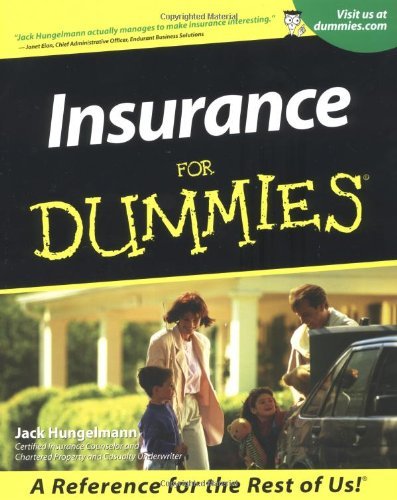
Insurance for Dummies: Hungelmann, Jack
<strong>Manage life, health, and disability risks</strong> ― explore individual and group policies, understand Medicare basics, and evaluate long-term disability and long-term-care insurance ...
Check Price on AmazonA standard HO-3 policy (the most common type of home insurance in Maine) typically includes:
- Dwelling coverage (Coverage A): Pays to rebuild or repair your home if it’s damaged by a covered peril (like fire or wind). Choose a limit equal to your home’s replacement cost—the amount to rebuild with similar materials at today’s prices, not the market value.
- Other structures (Coverage B): Covers detached structures—garages, sheds, fences—usually 10% of your dwelling limit. You can raise this if you have a big barn or workshop.
- Personal property (Coverage C): Covers your belongings if they’re stolen or damaged. You can choose actual cash value (depreciated value) or replacement cost (what it costs to buy new today). Replacement cost usually costs a bit more but is worth it for most people.
- Loss of use (Coverage D): Pays for temporary living expenses if your home is uninhabitable after a covered loss—hotel bills, short-term rentals, extra meals.
- Personal liability: Covers you if you’re legally responsible for injuries or property damage to others (for example, a guest slips on your steps). Many Mainers carry $300,000–$500,000. Consider a $1 million umbrella policy if you have assets to protect.
- Medical payments to others: Small coverage (often $1,000–$5,000) for minor injuries to guests, regardless of fault.
- Deductible: The amount you pay out of pocket before insurance pays. A typical deductible is $1,000. Some coastal policies may have a separate wind or hurricane deductible (often a percentage of your dwelling limit); ask specifically about this if you live near the coast.
What’s covered and what’s not
- Covered perils typically include fire, wind, hail, lightning, theft, and burst pipes (sudden and accidental).
- Exclusions often include flood (you’ll need a separate policy), earth movement (like earthquakes or landslides), wear and tear, and maintenance issues (like long-term leaks or rot).
- Water backup from sewers or sump pumps is usually excluded unless you add a water backup endorsement (extra coverage you can buy).
Want a refresher on the building blocks of a home policy? See our explainer: What Does Home Insurance Cover?
Maine-specific add-ons to consider
- Service line coverage: Pays to repair underground lines you own—water, sewer, electric—if they fail. Helpful in older neighborhoods.
- Water backup/sump overflow: Critical for basements and coastal or river-adjacent homes.
- Ordinance or law: Pays the extra cost to bring your home up to current code after a covered loss—especially valuable for older homes common in Maine.
- Equipment breakdown: Covers major home systems (boilers, heat pumps).
- Heating oil tank and line endorsement: Many Maine homes heat with oil; leaks are often excluded unless you buy special coverage. Ask about this if you have an above-ground or buried tank.
- Scheduled personal property: Extra coverage for high-value items like jewelry, artwork, or firearms.
2) Average home insurance costs in Maine by home value and location
Good news: home insurance in Maine is typically lower than the national average. However, your specific price hinges on home value, location, age and roof condition, heating system, distance to a fire station/hydrant, and your claims and credit-based insurance score (Maine allows the use of credit in most cases, subject to regulations).
You’ll see meaningful variation by region:
- Coastal counties (York, Cumberland, Hancock, Washington): Higher due to wind exposure and salt air; some carriers use separate wind/hurricane deductibles near the shore.
- Urban centers (Portland, South Portland, Lewiston, Bangor): Moderate, influenced by fire protection class and construction density.
- Rural and northern areas (Aroostook, Piscataquis, Franklin): Often lower for wind/hail, but distances from fire services and older homes with wood stoves can raise rates.
Typical annual premium ranges in Maine (illustrative, not quotes):
- Small home or condo ($200,000–$300,000 dwelling): roughly $650–$1,200 inland; $900–$1,600 coastal.
- Mid-sized home ($300,000–$500,000 dwelling): roughly $900–$1,700 inland; $1,200–$2,200 coastal.
- Higher-value or historic home ($600,000+ dwelling): widely variable; $1,500–$3,500+ depending on age, construction, and distance to the coast.
Real-world examples
- Portland 1920s Cape near Back Cove, $400,000 dwelling, $1,000 deductible, replacement cost on contents: It’s common to see quotes cluster in the $1,300–$1,900 range across major carriers.
- Bangor 1998 Colonial, $350,000 dwelling, finished basement with sump pump: Quotes often land around $1,000–$1,400, with a $50–$150 bump for adding $10,000–$25,000 in water backup coverage.
- York coastal cottage, $500,000 dwelling, 2% wind deductible: Many quotes fall in the $1,800–$2,600 range; shopping multiple carriers matters here.
Your number may land above or below these ranges. The fastest way to see what you’d actually pay is to compare quotes from 3–5 carriers side by side.
3) Maine-specific risks: natural disasters, weather, and regional factors
Home insurance in Maine is shaped by four big themes: wind, winter, water, and older housing.

Honeywell CHW3610W1001 Wi-Fi Water Leak And ...
View on Amazon- Nor’easters and coastal wind: Strong winds can damage roofs and siding, especially near open water. Ask if your policy has a separate wind or named-storm deductible (a percentage of your dwelling limit).
- Heavy snow and ice dams: Freeze-thaw cycles push water under shingles, causing leaks. Sudden damage is often covered, but long-term maintenance issues are not. Good attic insulation and ventilation help prevent claims (and keep premiums lower over time).
- Burst or frozen pipes: Covered when sudden and accidental, but you must maintain heat. If a home is unoccupied or a seasonal camp, your policy may require winterization steps—read those conditions carefully.
- Flooding and storm surge: Standard home insurance excludes flood. If you’re in a coastal or riverine area—or a place with spring snowmelt risk—consider an NFIP or private flood policy. Even outside mapped flood zones, basement water backup is a common add-on.
- Wildfire and lightning: Northern and rural areas have some wildfire and lightning exposure. Clearing brush and trimming trees helps.
- Wood stoves and solid-fuel heating: Many carriers require inspections or specific clearances around stoves. Expect questions about your venting, hearth, and when it was installed.
- Oil heat and older systems: Heating oil tanks and lines can leak—typically excluded unless you buy an endorsement. Older electrical (like knob-and-tube) or certain plumbing types may also narrow your carrier options.
Tip: If you’re near tidal water, ask your agent how your exact distance from the shoreline and elevation affect wind deductibles and flood needs. Two houses a quarter-mile apart can have very different insurance outcomes.
4) How to compare home insurance quotes in Maine
Comparing apples to apples is the key. As you gather 3–5 quotes, keep these settings consistent so the numbers actually mean something:
- Dwelling coverage limit: Use a realistic replacement cost (what it takes to rebuild at today’s labor and material prices). Many carriers offer a replacement cost estimator; verify big line items like square footage, stories, and special features.
- Personal property: Choose replacement cost on contents (reimburses you for new items, not depreciated). It’s a modest price difference with a big claim-time impact.
- Deductibles: Compare the same all-perils deductible (e.g., $1,000) and note any separate wind or hurricane deductible percentage. A 2% wind deductible on a $400,000 home means you’d pay $8,000 out of pocket for wind damage before insurance pays.
- Liability: $300,000 is common; many households opt for $500,000 for a small additional premium.
- Key endorsements:
- Water backup (at least $10,000–$25,000 if you have a basement)
- Ordinance or law (20%–50% of dwelling limit is common for older homes)
- Service line coverage
- Equipment breakdown (especially for boilers and heat pumps)
- Heating oil tank/line endorsement if applicable
What to look for beyond price
- Claims reputation and local presence: Ask how claims are handled and where adjusters are based. Maine storms can affect many homes at once—speed matters.
- Roof age and materials: Carriers weigh roof condition heavily. A newer roof or impact-resistant shingles can earn discounts.
- Policy form and settlement: Confirm dwelling and roof coverage are full replacement cost (not actual cash value), and that your personal property is replacement cost.
- Underwriting fit: Wood stoves, older wiring, or proximity to the coast can narrow your choices. An independent agent who knows Maine carriers can steer you to the markets most likely to price you fairly.
CTA: The smartest next step is to pull quotes from 3–5 carriers with identical settings. It takes 10–15 minutes and can save hundreds per year.
5) Discounts and bundling opportunities for Maine homeowners
You’ll usually see a better price by stacking a few savings. Common discounts include:
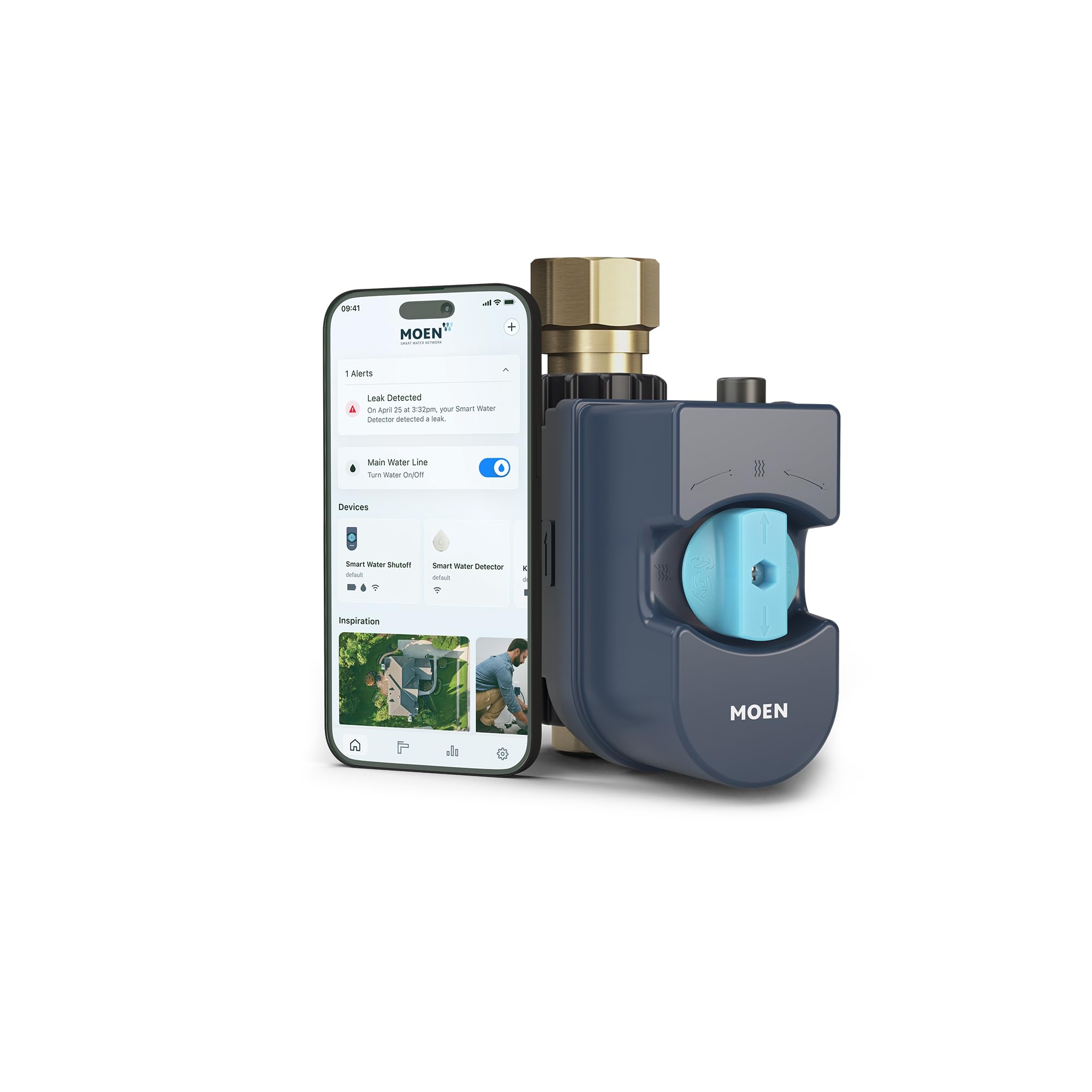
Moen Flo Smart Water Monitor and Automatic Shutoff Sensor, Wi-Fi Water Leak Detector for 3/4-Inch Diameter Pipe, 900-001 - Tub And Shower Faucets - Amazon.com
Moen Flo Smart Water Monitor and Automatic Shutoff Sensor, <strong>Wi-Fi Water Leak Detector for 3/4-Inch Diameter Pipe</strong>, 900-001 - Tub And Shower Faucets - Amazon.com
Check Price on Amazon- Home + auto bundle: Often 10%–25% off combined policies. If you’re evaluating bundles, check our state guide: Auto Insurance in Maine: Rates, Requirements & How to Save
- Protective devices: Monitored smoke/CO alarms, burglar alarms, water leak sensors, and automatic shutoff valves.
- New roof or updates: Recent roof, electrical, plumbing, or heating upgrades can help—tell your insurer.
- Claims-free: Better pricing if you’ve avoided claims for several years.
- Paperless, automatic payments, and paid-in-full: Small but easy wins.
- New home or new purchase: Many carriers offer a “new buyer” credit.
- Mature homeowner: Some carriers offer a discount at certain ages.
Maine-specific savings tips
- Heating system documentation: If you’ve replaced an older boiler or removed an underground oil tank, share proof. It can open more carrier options and lower rates.
- Wood stove compliance: Provide installation certificates or inspection reports; non-compliant stoves can trigger surcharges.
- Wind mitigation: If you’re coastal and have upgrades like hurricane clips or impact-resistant windows, ask if your carrier recognizes them.
6) Filing a home insurance claim in Maine
When something goes wrong, a calm checklist helps. Here’s how to keep your claim on track:
- Protect people and property: Make temporary repairs to prevent further damage—board broken windows, shut off water, tarps on roofs. Keep receipts; these are often reimbursable under loss mitigation.
- Document everything: Take photos or video before and after temporary repairs. List damaged items with model numbers and approximate prices. Save receipts for hotels or extra meals if you’re displaced.
- Contact your insurer or agent promptly: Most policies require prompt notice. Ask about your deductible (the out-of-pocket amount before insurance pays), whether a separate wind/hurricane deductible applies, and how to submit proof of loss.
- Meet the adjuster: Walk them through damage, provide your documentation, and ask for the next steps and timelines.
- Get local contractor estimates: In Maine’s busy seasons, reputable contractors book up fast. If you need code upgrades, confirm you have ordinance or law coverage and how it applies.
- Keep communication in writing: Summarize phone calls by email. If something stalls, politely escalate with your adjuster or a supervisor.
- Know your resources: If you hit a snag you can’t resolve, you can contact the Maine Bureau of Insurance for guidance. They can’t give legal advice, but they can help with consumer complaints.
Common claim-time surprises to avoid
- Separate wind or hurricane deductibles: Confirm the dollar amount early. If your dwelling limit is $500,000 and you have a 2% wind deductible, that’s $10,000 out of pocket on wind claims.
- Actual cash value on older roofs or personal property: If you opted for ACV, your payout is reduced for depreciation. Replacement cost endorsements help avoid this.
- Water backup vs. flood: Water that backs up through sewers or sump pumps is different from flood (rising water from outside). Make sure you have the right coverage for your situation.
7) FAQ: common questions about Maine homeowners insurance
Is home insurance required in Maine?
- Not by state law. But your mortgage lender will require it. Even without a loan, carrying a policy is a smart financial safety net.
How much does home insurance in Maine cost?
- It varies widely. Many homeowners see $900–$1,700 for mid-sized inland homes and higher near the coast. Your exact rate depends on location, home features, and your profile.
Does home insurance cover flood or storm surge?
- No. Standard home insurance excludes flood. Consider NFIP or private flood insurance if you’re coastal, near rivers, or in spring melt areas.
Are ice dams covered?
- Sudden, accidental damage from ice dams is typically covered, but ongoing maintenance issues are not. Good insulation and air sealing can prevent problems and keep claim histories clean.
What about wood stoves and pellet stoves?
- Many Maine homes use them. Insurers often require proper installation, clearances, and sometimes an inspection. Non-compliant stoves can raise rates or cause declines.
Do I need ordinance or law coverage?
- If your home isn’t brand-new, yes—especially for older Portland, Lewiston, and coastal homes. It pays the extra cost to meet current building codes after a covered loss.
What liability limit should I pick?
- $300,000 is common; $500,000 is inexpensive and provides better protection. Consider a personal umbrella policy if you have significant assets or rentals.
Is short-term rental activity covered?
- Often not under a standard policy without endorsements. If you use your home or a portion of it for Airbnb/VRBO, tell your insurer. You may need a specific endorsement or a landlord/rental policy.
Do seasonal camps and lake homes need different coverage?
- Seasonal or secondary homes may have different eligibility rules, security requirements, and rates. Ask about occupancy requirements, winterization, and whether the policy includes replacement cost.
Will my credit affect my rate in Maine?
- In most cases, yes—Maine allows credit-based insurance scores with consumer protections. Strong credit typically helps your rate.
How do I pick the best home insurance company in Maine?
- Focus on financial strength, clear policy language, fair wind deductibles if coastal, claims reputation, and a good fit for your home’s specifics (wood stoves, oil heat, older wiring). Consider both regional mutuals and national carriers; an independent agent can show you options.
Best home insurance companies in Maine: what to look for
Rather than chasing brand names, zero in on qualities that matter in Maine:
- Strong financial ratings (e.g., from independent rating agencies) and a history of paying claims fairly.
- Competitive coastal guidelines if you’re in York, Cumberland, Hancock, or Washington counties—ask about wind/hurricane deductibles and roof age requirements.
- Generous ordinance or law, replacement cost on contents, and optional water backup and service line endorsements.
- Local claims support and access to trusted Maine contractors after storms.
- Discounts that match your setup: home + auto bundle, new roof, device-based water leak prevention, and mature homeowner credits.
A quick plan to get a great rate without cutting corners
- Set your coverage targets: dwelling limit at true replacement cost, $300,000–$500,000 liability, replacement cost on contents, and add water backup, ordinance or law, and service line if they fit.
- Gather details: roof age/material, heating system type, distances to fire station/hydrant, photos of updates.
- Compare 3–5 quotes with identical deductibles and endorsements. Tweak one variable at a time (e.g., raise the deductible from $1,000 to $2,500) to see the impact.
- If coastal, request versions with a flat wind deductible vs. a percentage, if available, and compare the trade-offs.
- Ask about every discount you plausibly qualify for—not all are applied automatically.
Ready to see your actual price? Compare 3–5 quotes with the same settings. It’s the fastest, fairest way to find value.
Brief note: For advice tailored to your home, talk with a licensed Maine agent. They can weigh local factors—like your exact distance to tidal water or a volunteer vs. paid fire department—that algorithms sometimes miss.
Looking for your next step?
- Get quotes from multiple carriers with the same coverage settings.
- If you bundle with auto, revisit your car policy at the same time to unlock the best combined deal. Our Maine auto guide can help: Auto Insurance in Maine: Rates, Requirements & How to Save
- Ask each carrier to show you both a $1,000 and $2,500 deductible and price out water backup at $10,000, $25,000, and $50,000 so you can pick your comfort level.
You’ve got this. With a few smart comparisons, home insurance in Maine can be both strong and sensibly priced.
Recommended Resources
Insurance for Dummies: Hungelmann, Jack
<strong>Manage life, health, and disability risks</strong> ― explore individual and group policies, understand Medicare basics, and evaluate long-term disability and long-term-care insurance ...
Honeywell CHW3610W1001 Wi-Fi Water Leak And ...
Check each product page for other buying options. Price and other details may vary based on product size and color · <strong>Water Leak Detector 5 Pack with 105dB Adjustable Alarm, Water Alarm with Du
Moen Flo Smart Water Monitor and Automatic Shutoff Sensor, Wi-Fi Water Leak Detector for 3/4-Inch Diameter Pipe, 900-001 - Tub And Shower Faucets - Amazon.com
Moen Flo Smart Water Monitor and Automatic Shutoff Sensor, <strong>Wi-Fi Water Leak Detector for 3/4-Inch Diameter Pipe</strong>, 900-001 - Tub And Shower Faucets - Amazon.com
Related Articles
- Auto Insurance in Maine: Rates, Requirements & How to Save
- Health Insurance in Maine: Plans, Costs & How to Enroll
- Home Insurance in New Hampshire: Coverage, Costs & Best Companies
- Home Insurance in Oregon: Coverage, Costs & Best Companies
- Home Insurance in Massachusetts: Coverage, Costs & Best Companies
- Home Insurance in Michigan: Coverage, Costs & Best Companies
- Home Insurance in Vermont: Coverage, Costs & Best Companies
- Home Insurance in Missouri: Coverage, Costs & Best Companies