
Home Insurance in Massachusetts: Coverage, Costs & Best Companies
You’re shopping for home insurance in Massachusetts and the numbers feel all over the place. Is that normal? What does a good policy actually include for a New England home that faces nor’easters, ice, and the occasional hurricane threat? Here’s what really matters, how much people typically pay, and smart ways to compare quotes so you don’t overpay—or end up underinsured.
Home insurance in Massachusetts: what’s required and what’s typical
First, is homeowners insurance required in Massachusetts? The state doesn’t mandate it, but if you have a mortgage, your lender almost certainly will. Even if you own your home outright, carrying homeowners insurance is usually a smart move to protect your biggest asset.
A standard Massachusetts homeowners policy is usually an HO‑3 (special form) or HO‑5 (broader form). Here’s what that includes, in plain English:
- Dwelling (Coverage A): This pays to rebuild the structure of your home after a covered loss (like a fire or windstorm). Aim for replacement cost—the amount to rebuild at today’s prices—not market value.
- Other Structures (Coverage B): Fences, sheds, and detached garages—typically 10% of Coverage A.
- Personal Property (Coverage C): Your stuff: furniture, clothes, electronics. You can choose replacement cost (what it costs to buy new) or actual cash value (depreciated value). Replacement cost is usually worth the small extra premium.
- Loss of Use/Additional Living Expense (Coverage D): Pays for temporary housing and extra costs if a covered loss makes your home unlivable.
- Personal Liability (Coverage E): Covers injuries or property damage you’re legally responsible for, on or off your property. Many Massachusetts homeowners pick $300,000–$500,000. Consider an umbrella policy for higher protection.
- Medical Payments (Coverage F): Small limits ($1,000–$5,000) for minor injuries to guests, regardless of fault.
Common Massachusetts add‑ons (endorsements):
- Water/sewer backup: Covers damage if a sump pump fails or a drain backs up. Without this, those losses are usually excluded.
- Service line coverage: Pays to repair underground lines (water, sewer, power) on your property.
- Equipment breakdown: Covers major home systems (HVAC, appliances) for sudden mechanical or electrical failure.
- Ordinance or law: Older New England homes often need code upgrades after a loss. This adds extra coverage (often 10%–50% of Coverage A) for those required improvements.
- Scheduled personal property: Jewelry, fine art, instruments—raise the limits and remove some deductibles for high‑value items.
- Flood insurance: Flood (rising water from outside) is not covered by homeowners insurance. Consider an NFIP or private flood policy, especially if you’re near the coast or a river.
- Earthquake endorsement: Earthquakes are rare but possible. This is inexpensive coverage in most cases.
Want a deeper dive on what each section pays for? See our explainer: What Does Home Insurance Cover? (/home-insurance/what-does-home-insurance-cover)
About deductibles: In Massachusetts, many coastal and near‑coastal homes have a separate hurricane or windstorm deductible, often 1%–5% of your dwelling limit (Coverage A). For a $600,000 home with a 2% hurricane deductible, you’d pay the first $12,000 on a covered hurricane loss before insurance kicks in. Policies spell out the trigger (for example, when the National Weather Service issues a hurricane watch/warning or when a storm meets certain wind speed criteria). Ask your agent exactly how yours works.
Condo owners (HO‑6): Your policy covers interior finishes, personal property, and liability. Review your condo master policy to set the right “building items” coverage and loss assessment coverage.
Renters (HO‑4): Covers your personal property, loss of use, and liability; the landlord’s building isn’t your responsibility.
Average home insurance costs in Massachusetts by home value and location
Rates vary widely based on your home’s replacement cost, age, roof condition, distance to the coast, local fire protection, claims history, and more. But here are ballpark ranges you might see in Massachusetts as of 2026. These are educational examples—not quotes—and your rate will likely differ.
- $400,000 inland colonial in Worcester County, 2,000 sq. ft., 2005 roof, $1,000 deductible: typically $1,400–$2,000 per year
- $550,000 Boston‑area suburb (Newton, Arlington, Quincy), 1,800 sq. ft. older home, ordinance or law at 25%: typically $1,700–$2,700 per year
- $700,000 Cape Cod home within a mile of the coast, hurricane deductible 2%: typically $2,800–$5,000+ per year
- $900,000 North Shore property (Marblehead, Gloucester) with a newer roof and wind‑mitigation features: typically $2,400–$4,500 per year
- Condo (HO‑6) in Boston, $50,000 personal property, $25,000 building items, $500 deductible: typically $350–$800 per year
A few pricing realities in Massachusetts:
- Replacement cost drives pricing: Carriers look at what it costs to rebuild (materials + labor), not what your home could sell for. With construction costs elevated in recent years, expect higher Coverage A limits than you might guess.
- The coast premium: Homes on Cape Cod, the Islands, and the North and South Shores often have higher rates, separate wind/hurricane deductibles, and sometimes stricter underwriting.
- Older housing stock: Many Massachusetts homes are 70–100+ years old. That can nudge premiums up because of wiring, plumbing, and code upgrades.
- Claims history matters: Prior wind, water, or liability claims can increase your rate for several years, even if they occurred at another property.
Massachusetts‑specific risks: weather and regional factors
Massachusetts weather is a mix of four‑season beauty and real risk. Here’s how that affects coverage:
- Nor’easters and winter storms: Heavy snow and ice can cause roof collapse and ice dams (when melting snow refreezes at the eaves and forces water under shingles). Ice dam damage to the interior is typically covered, but fixing the ice or the roof’s wear and tear itself often isn’t. Pro tip: Ask whether your policy includes replacement cost for the roof and if any special wind/hail deductible applies.
- Hurricanes and tropical storms: Less frequent than in the Southeast, but coastal MA can still see damaging wind and storm surge. Wind is typically covered (subject to the hurricane/wind deductible). Flood from storm surge is not—consider separate flood insurance.
- Flooding and heavy rain: Riverine and street flooding can happen inland, too. If your home is in a FEMA flood zone or you’ve seen past high water on your street, get a flood quote. NFIP policies usually have a 30‑day waiting period unless tied to a new mortgage.
- Tornadoes and microbursts: Western and Central MA occasionally see severe wind events. These are generally covered as wind under the standard policy.
- Earthquakes: Low probability but possible. If you want the endorsement, it’s usually inexpensive with a higher deductible.
If you’re in a high‑risk coastal area and struggle to find coverage, you may be eligible for the Massachusetts FAIR Plan (the Massachusetts Property Insurance Underwriting Association). It’s a market of last resort—often more expensive and with tighter terms—but it can provide basic coverage when standard carriers decline. An independent agent can help you check availability and compare FAIR Plan against private options.
Insurer moratoriums: When a named storm approaches, insurers often pause new policies and changes. Don’t wait until a storm is on the map to shop.
How to compare home insurance quotes in Massachusetts
The fastest way to see what you would actually pay is to compare quotes from 3–5 carriers. Here’s how to make an apples‑to‑apples comparison that fits Massachusetts homes:
- Match your dwelling limit to a rebuild estimate: Use your insurer’s replacement cost calculator and provide accurate details (square footage, roof age, finishes). Don’t underinsure—coinsurance penalties can apply.
- Know your deductibles: Compare a flat deductible (e.g., $1,000) versus percentage hurricane/wind deductibles (1%–5% of Coverage A). Ask what triggers the hurricane deductible.
- Roof coverage terms: Replacement cost value (RCV) for roofs typically pays more than actual cash value (ACV). Confirm the form, especially on older roofs.
- Water coverage specifics: Does the quote include water/sewer backup (and at what limit)? Any sublimits for mold or hidden seepage?
- Ordinance or law: For older homes, 25% or even 50% limits can be worth it. Ask what percentage is included by default.
- Personal property settlement: Replacement cost on contents is usually a small add‑on but a big help after a loss.
- Sublimits on valuables: Jewelry, watches, and firearms often have low caps (e.g., $1,500–$2,500). Schedule high‑value items.
- Liability limits and umbrella: Many homeowners choose $300k–$500k liability; umbrella policies add $1M+ of extra liability over home and auto.
- Financial strength and coastal appetite: Check the insurer’s AM Best rating and whether they write freely in your ZIP code.
- Compare endorsements line by line: Service line, equipment breakdown, matching of undamaged siding/roof, and special wind coverage can vary by carrier.
Want a broader shopping playbook? See our Home Insurance Guide 2026 — Compare Quotes, Coverage & Costs (/home-insurance/home-insurance-guide-2026).
Call‑to‑action: Ready to see real numbers for your address? Take 10 minutes to compare quotes from 3–5 carriers or work with an independent Massachusetts agent who can shop multiple companies at once. It’s the most reliable way to pinpoint your price.
Best companies for Massachusetts homeowners: how to choose
Availability and pricing shift by town, distance to the coast, and even roof age. In many parts of Massachusetts, both regional and national carriers are competitive. Here’s how to identify the “best” company for your situation:
- For coastal properties: Look for carriers comfortable with wind exposure and clear hurricane deductible terms. Some may require a newer roof or certain shingle types.
- For higher‑value homes: Seek carriers that offer extended replacement cost (e.g., +25% or +50%) and high ordinance‑or‑law limits, with strong claims reputations for complex rebuilds.
- For older homes: Prioritize generous ordinance‑or‑law coverage, replacement cost on roofs, and coverage for matching undamaged materials when repairs are made.
- For condos: Make sure the carrier understands your master policy and offers loss assessment coverage at limits your HOA recommends.
Regional standouts often include New England‑focused insurers and national brands with strong service records. The “best” for you will depend on underwriting fit and price in your specific ZIP code, so gather multiple quotes.
Discounts and bundling opportunities for Massachusetts homeowners
Discounts vary by insurer, but here are common savings in Massachusetts:

Govee WiFi Water Leak Detector 3 Packs, Leak Alert with Remotely Email/APP Push and Sound Alarm, Smart Water Sensor with 100dB Adjustable Alarm, Suit for Home and Basement - Amazon.com
View on Amazon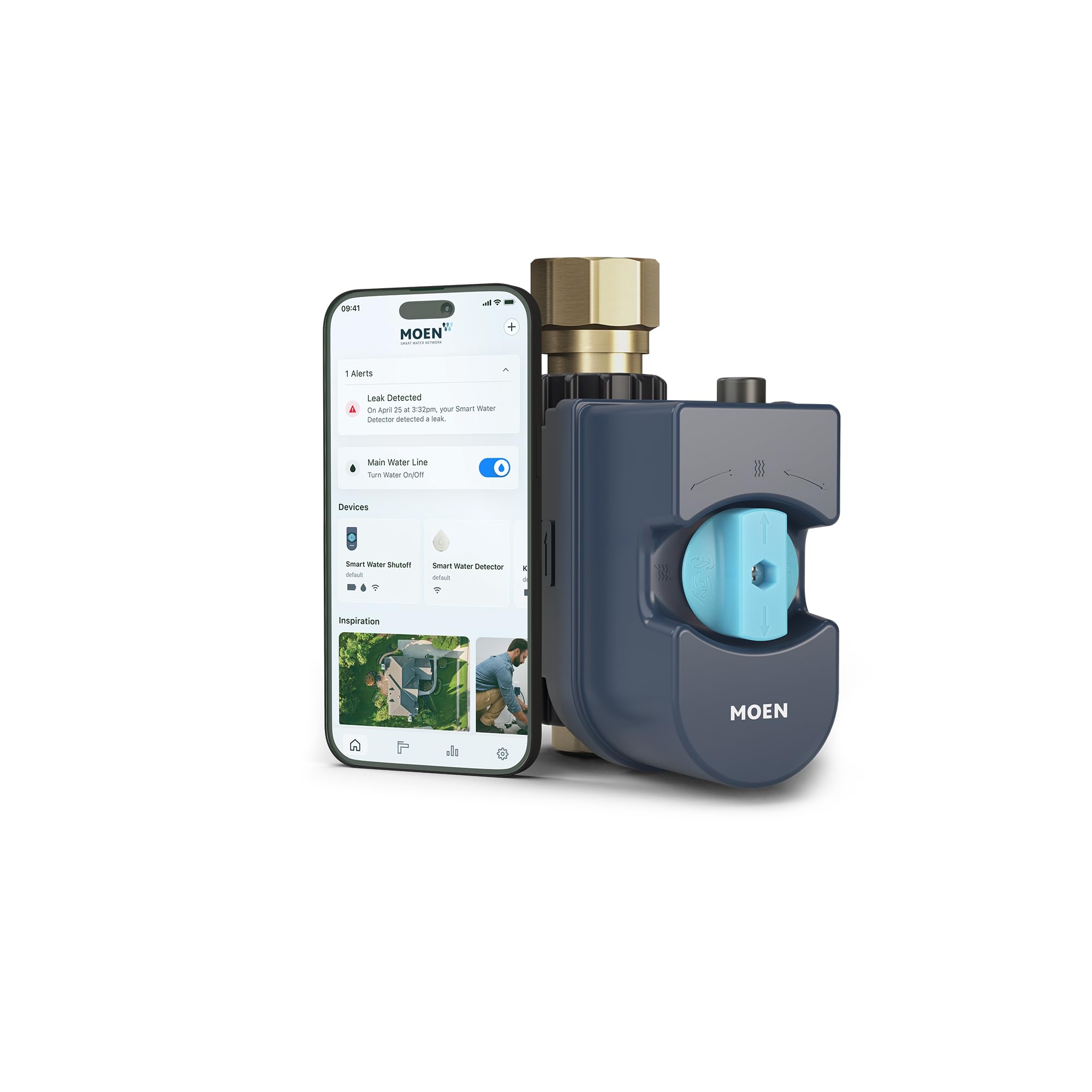
Moen Flo Smart Water Monitor and Automatic Shutoff Sensor, Wi-Fi Water Leak Detector for 3/4-Inch Diameter Pipe, 900-001 - Tub And Shower Faucets - Amazon.com
Moen Flo Smart Water Monitor and Automatic Shutoff Sensor, <strong>Wi-Fi Water Leak Detector for 3/4-Inch Diameter Pipe</strong>, 900-001 - Tub And Shower Faucets - Amazon.com
Check Price on Amazon- Bundle home and auto: Often the biggest single discount. If you’re already shopping auto, compare the combined price. See our Massachusetts auto guide for savings ideas: Auto Insurance in Massachusetts: Rates, Requirements & How to Save (/auto-insurance/auto-insurance-in-massachusetts-rates-requirements-save)
- Protective devices: Central station fire and burglar alarms, water‑leak sensors, and automatic water shutoff devices.
- New roof or updates: Credits for newer roofs, updated plumbing/electrical/heating, and wind‑resistant features.
- Claim‑free: Staying loss‑free typically improves pricing over time.
- Paperless, autopay, or paid‑in‑full: Small but easy discounts.
- New home or new purchase: Discount for recent construction or recently buying the home.
- Mature homeowner: Some carriers offer a discount for homeowners over a certain age.
Tip: When comparing, ask each carrier to apply every discount you legitimately qualify for—and verify them on the declarations page of your final policy.
Filing a home insurance claim in Massachusetts
A smooth claim starts before there’s ever a loss. Keep a home inventory (photos or a spreadsheet), store receipts for big purchases, and know your deductibles.
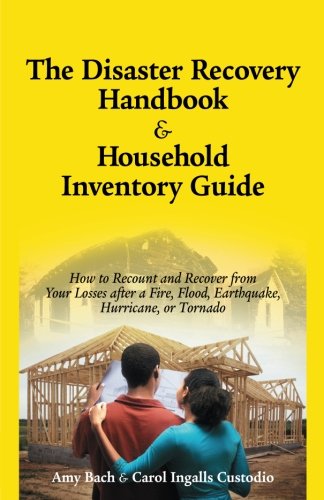
The Disaster Recovery Handbook & Household Inventory Guide
Amazon.com: The Disaster Recovery Handbook & Household Inventory Guide: 9780978504304: Bach, Amy, Custodio, Carol Ingalls: Books
Check Price on AmazonIf something happens:
- Safety first and mitigate damage
- Turn off water or power if needed, arrange emergency repairs to prevent further damage (like tarping a roof). Keep receipts—mitigation is typically reimbursed.
- Document everything
- Photos and video of the damage from multiple angles. Note dates, times, and what happened. Keep damaged items until the adjuster sees them, when practical.
- Notify your insurer quickly
- Most policies require prompt notice. Your insurer will assign a claims number and adjuster.
- Understand your coverages and deductibles
- Ask your adjuster to walk through what’s covered, your hurricane/wind deductible if applicable, and how additional living expense (ALE) works if you can’t stay in the home.
- Estimates and repairs
- You can typically choose your contractor. Consider getting multiple estimates. Be cautious with “assignment of benefits” agreements—read before you sign.
- Payments and recoverable depreciation
- If you carry replacement cost, your insurer may first pay actual cash value (ACV) and release the rest (recoverable depreciation) after repairs are completed and documented.
- If you hit a snag
- You can request a claim review or appraisal per the policy, or contact the Massachusetts Division of Insurance for help with complaints. Independent public adjusters and attorneys are options for complex disputes.
FAQ: common questions about Massachusetts homeowners insurance
Is homeowners insurance required in Massachusetts? Not by the state, but mortgage lenders require it. Even without a mortgage, most owners carry it to protect against catastrophic loss.
What’s the average cost of home insurance in Massachusetts? Statewide averages typically land around the mid‑to‑upper four figures annually, but your price depends on rebuild cost, location (especially coastal proximity), roof age, and coverage choices. The only reliable way to know your price is to compare 3–5 quotes for your address.
Do I need flood insurance in Massachusetts? Homeowners insurance does not cover flood. If you’re near the coast, a river, or in a FEMA flood zone, a separate NFIP or private flood policy is usually wise. Lenders may require it if your home is in a high‑risk zone.
What is the Massachusetts FAIR Plan? It’s the state’s market of last resort (Massachusetts Property Insurance Underwriting Association). If standard insurers decline your home because of coastal exposure or other risk factors, the FAIR Plan may offer basic coverage—often at higher cost and with more restrictions. An independent agent can compare it against private options.
Are hurricane deductibles common in Massachusetts? Yes, especially in coastal and near‑coastal areas. They’re usually a percentage (1%–5%) of your dwelling limit and only apply when specific trigger conditions are met (defined in your policy). Ask how your policy defines a “hurricane” or “named storm.”
Does my credit affect my homeowners rate in Massachusetts? Insurers’ use of credit information is regulated and practices vary. Some carriers do not use credit in homeowners pricing in Massachusetts, while others may use it within state rules. Ask your agent how each carrier treats it so you can compare fairly.
Will insurance cover ice dams? Typically, interior water damage from an ice dam is covered, but removing the ice or addressing general wear and tear on the roof usually isn’t. Preventive steps (insulation, ventilation, roof rakes) help and may earn discounts.
How much liability coverage should I carry? Many homeowners pick $300,000–$500,000. If you have significant assets or higher risk factors (pool, trampoline, frequent entertaining), consider a $1M+ umbrella policy for extra protection.
Can coastal homeowners still find private insurance? Often, yes—though terms may include a separate wind/hurricane deductible and roof requirements. If private options aren’t available, the FAIR Plan can be a fallback.
Your next step
- Get your rebuild number right: Gather square footage, year built, roof age, major updates, and any special features. That helps produce accurate quotes.
- Compare 3–5 carriers side by side: Same Coverage A, same deductibles, same endorsements. Small differences can hide big premium swings.
- Ask a licensed Massachusetts agent for guidance: A pro can explain hurricane deductible triggers, ordinance‑or‑law needs for older homes, and ways to trim costs without gutting coverage.
Call‑to‑action: The fastest way to see what you would actually pay is to compare quotes from 3–5 carriers. Start that process today—then fine‑tune coverage with a licensed agent so your Massachusetts home is protected the way you expect.
Recommended Resources
Moen Flo Smart Water Monitor and Automatic Shutoff Sensor, Wi-Fi Water Leak Detector for 3/4-Inch Diameter Pipe, 900-001 - Tub And Shower Faucets - Amazon.com
Moen Flo Smart Water Monitor and Automatic Shutoff Sensor, <strong>Wi-Fi Water Leak Detector for 3/4-Inch Diameter Pipe</strong>, 900-001 - Tub And Shower Faucets - Amazon.com
Govee WiFi Water Leak Detector 3 Packs, Leak Alert with Remotely Email/APP Push and Sound Alarm, Smart Water Sensor with 100dB Adjustable Alarm, Suit for Home and Basement - Amazon.com
Govee WiFi Water Leak Detector 3 Packs, <strong>Leak Alert with Remotely Email/APP Push and Sound Alarm, Smart Water Sensor with 100dB Adjustable Alarm, Suit for Home and Basement</strong> - Amazon.co
The Disaster Recovery Handbook & Household Inventory Guide
Amazon.com: The Disaster Recovery Handbook & Household Inventory Guide: 9780978504304: Bach, Amy, Custodio, Carol Ingalls: Books
Related Articles
- Auto Insurance in Massachusetts: Rates, Requirements & How to Save
- Home Insurance in New Hampshire: Coverage, Costs & Best Companies
- Home Insurance in Maine: Coverage, Costs & Best Companies
- Home Insurance in Connecticut: Coverage, Costs & Best Companies
- Home Insurance in Rhode Island: Coverage, Costs & Best Companies
- Renters Insurance in Massachusetts: What Tenants Need to Know
- Home Insurance in New Jersey: Coverage, Costs & Best Companies
- Home Insurance in Vermont: Coverage, Costs & Best Companies