
Home Insurance in New Jersey: Coverage, Costs & Best Companies
You’re shopping for home insurance in New Jersey and seeing a wide range of prices. Is that normal? Short answer: yes. Rates vary a lot in the Garden State depending on where you live (coastal vs. inland), what your home is made of, and which add‑ons you pick. This guide walks you through what’s required, what coverage actually does, typical costs by county and home value, and how to compare quotes the smart way.
Pro tip: The fastest way to see what you’d actually pay is to compare quotes from 3–5 carriers. You’ll spot outliers fast and usually uncover a better bundle or discount.
New Jersey homeowners insurance requirements and typical coverage
Unlike auto insurance, homeowners insurance isn’t required by New Jersey law. But if you have a mortgage, your lender will require it. Even if you own your home outright, going without coverage puts your finances at serious risk.
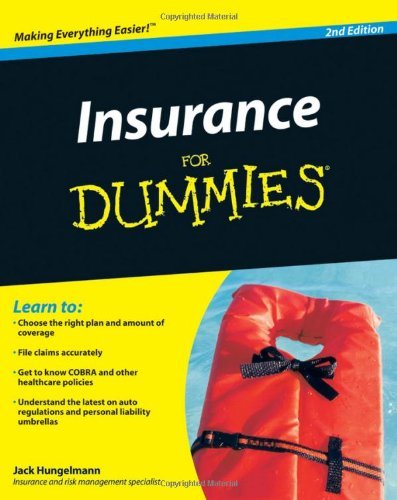
Insurance For Dummies?: Hungelmann, Jack
Whether you’re a homeowner or ... need on: ... Author Jack Hungelmann <strong>uses his twenty-five years of experience in the insurance industry to make buying insurance as simple as possible</strong>
Check Price on AmazonMost NJ homeowners carry an HO‑3 policy (the standard single‑family home policy). Here’s what that typically includes, in plain English:
- Dwelling coverage (Coverage A): Pays to rebuild or repair the structure of your home after a covered loss like fire or wind. Choose a limit equal to your home’s rebuild cost (not market price). Rebuild cost is what it would take today to reconstruct your house with similar materials and labor.
- Other structures (Coverage B): Sheds, fences, detached garages—usually 10% of your dwelling limit by default.
- Personal property (Coverage C): Your stuff—furniture, clothing, electronics. Often set around 50%–70% of dwelling coverage. You’ll pick replacement cost coverage (pays brand‑new price) or actual cash value (depreciated value). Replacement cost is the consumer‑friendly choice in most cases and usually costs a bit more.
- Loss of use/Additional living expenses (ALE) (Coverage D): Pays for hotel, rent, meals if a covered claim makes your home unlivable.
- Personal liability (Coverage E): Covers injuries or property damage you’re legally responsible for—say a guest slips on your steps. Common limits: $300,000–$500,000. Consider an umbrella policy if you have higher assets.
- Medical payments to others (Coverage F): Small limits (e.g., $1,000–$5,000) for minor injuries to guests, regardless of fault.
- Deductible: The amount you pay out of pocket on a claim before insurance pays. Typical deductibles in NJ range from $1,000 to $2,500, though percentage deductibles may apply on wind/hurricane in coastal areas.
Common add‑ons New Jersey homeowners consider:
- Water backup and sump overflow: Covers damage if a drain backs up or a sump pump fails—very relevant for older NJ basements.
- Ordinance or law: Pays the extra costs to bring your home up to current code after a covered loss. Older housing stock in NJ makes this valuable.
- Service line: Covers underground utility lines on your property (water, sewer, electric) that aren’t covered by standard policies.
- Equipment breakdown: Covers sudden mechanical or electrical breakdown of major systems (HVAC, appliances).
- Scheduled personal property: Extra coverage for jewelry, watches, art, or collectibles beyond standard sub‑limits.
What’s not covered (unless you buy separate coverage):
- Flood: Standard home insurance doesn’t cover flood. You’ll need a separate policy through the NFIP or private flood insurance.
- Earthquake: Low risk in NJ, but coverage can be added by endorsement with many carriers.
- Wear and tear: Maintenance issues, rot, and neglect aren’t covered.
Want a deeper dive into policy parts? See our explainer: What Does Home Insurance Cover?
Average home insurance costs in New Jersey by home value and location
New Jersey’s average homeowners premium typically lands near or just below the national average, but coastal counties can be notably higher due to wind and storm exposure. Rates vary by carrier, home construction, roof age, claims history, and your chosen deductibles and endorsements.
Ballpark annual premium ranges you might see in NJ (for policies with replacement cost on dwelling and personal property, and a $1,000–$2,500 deductible):
- Condo (HO‑6) in Hudson or Essex County: $350–$900, depending on building age, interior upgrades, and how robust the HOA master policy is.
- Single‑family inland (e.g., Morris, Somerset, Hunterdon) with $350,000–$450,000 rebuild cost: $1,000–$1,900.
- Single‑family near shore but not oceanfront (e.g., Monmouth, Ocean) with $400,000–$600,000 rebuild cost: $1,600–$3,000+.
- Coastal/high wind exposure (e.g., barrier islands in Ocean, Atlantic, Cape May) with $500,000–$800,000 rebuild cost: $2,300–$4,500+ with separate hurricane or named‑storm deductibles.
By home value (really, rebuild cost):
- $250,000–$350,000: $900–$1,600 inland; $1,300–$2,400 near coast.
- $400,000–$600,000: $1,200–$2,200 inland; $1,800–$3,500 coastal.
- $700,000–$1,000,000+: $1,700–$3,200 inland; $2,500–$5,000+ coastal/high‑value carriers.
Real‑world scenarios (illustrative only—rates vary):
- Say you own a 1975 colonial in Bridgewater (Somerset County) with a $450,000 rebuild cost, new roof, no prior claims. You might see $1,300–$1,900 annually across top carriers, depending on water backup and service line add‑ons.
- A 1920s bungalow two blocks from the bay in Point Pleasant (Ocean County) with a $500,000 rebuild cost and an older roof may quote $2,200–$3,600, plus a 2% named‑storm deductible.
- A Hoboken condo with a strong master policy where you need $50,000 dwelling improvements coverage and $50,000 personal property might run $450–$750.
Important cost drivers in NJ:
- Distance to the coast and wind exposure
- Roof age and materials (newer roofs typically get better pricing)
- Foundation/basement and water mitigation features (sump pump, backflow valves)
- Older oil tanks (underground tanks can limit carrier options or increase cost)
- Building age and local code requirements (ordinance or law can matter a lot)
- Claim history (yours and the property’s)
These are typical ranges as of 2026 and subject to change. Carrier filings and weather losses can shift pricing quickly.
New Jersey‑specific risks: natural disasters, weather, and regional factors
- Nor’easters and hurricanes: Wind is usually covered on standard policies, but many coastal NJ policies carry a separate hurricane or named‑storm deductible (a percentage of your dwelling limit, e.g., 1%–5%). Flood from storm surge is excluded—you need separate flood insurance for that.
- Coastal flooding: The biggest gap we see. If you’re in a moderate‑to‑high risk FEMA flood zone, consider NFIP or private flood. Even outside high‑risk zones, heavy rains can overwhelm drainage systems.
- Winter weather and frozen pipes: Insulate vulnerable plumbing and maintain heat when away. Claims often stem from burst pipes and ice dams. Ask about roof coverage terms—some policies pay actual cash value (depreciated) on older roofs unless you add replacement cost.
- Sewer backup and sump overflow: Older towns with combined sewers (common in parts of Hudson, Essex, Union) are more prone to backups during heavy rain. Add a water backup endorsement and consider a backwater valve.
- Older electrical and plumbing: Knob‑and‑tube wiring, galvanized pipes, or fuses can limit your carrier options or require upgrades. Disclose these during quoting.
- Underground oil tanks: Many pre‑1990s NJ homes used heating oil. Undisclosed underground tanks can derail underwriting and claims. If your home had oil heat, get documentation of tank removal or testing.

The Basement Watchdog Emergency Battery Backup Sump Pump - Up to 2,000 GPH - 24/7 Monitoring Controller (BWE) - Sump Pump Battery Backup - Amazon.com
View on AmazonHow to compare home insurance quotes in New Jersey
Here is what actually matters when choosing:
- Match your dwelling limit to rebuild cost, not market value. Ask for a replacement cost estimate based on square footage, materials, and local labor. In NJ, rebuild costs are often higher than expected due to labor and code requirements.
- Check wind/hurricane deductibles. If you live within a few miles of the coast, you may see a 1%–5% named‑storm or hurricane deductible (a separate deductible that applies only to those events). Model what that means out‑of‑pocket: on a $600,000 dwelling limit, a 2% wind deductible is $12,000.
- Choose replacement cost for personal property if you can. It typically costs more but pays to replace items new, not depreciated.
- Review roof coverage terms. Some carriers use a roof surface schedule or actual cash value on older roofs for wind/hail; you may be able to buy back full replacement cost.
- Right‑size liability. Many NJ homeowners pick $300,000–$500,000; consider an umbrella policy if you have significant assets or a pool.
- Add the right endorsements: water backup, service line, and ordinance or law are frequently worth it in NJ.
- Vet the carrier: claims reputation, financial strength (look for strong AM Best ratings), and coastal experience.
- Compare apples to apples. When you quote 3–5 carriers, keep coverage limits, deductibles, and endorsements consistent so you can truly compare prices.
If you’re new to buying, our broad Home Insurance Guide 2026 — Compare Quotes, Coverage & Costs lays out the full shopping process.
Best homeowners insurance companies in New Jersey (commonly chosen)
There’s no one “best” company for everyone. That said, these carriers are widely used in NJ, each with strengths. Always compare quotes.
- State Farm: Broad availability, strong claims track record, good bundling. Competitive inland; coastal eligibility varies.
- NJM Insurance Group (NJM): New Jersey‑based, often praised for service and rates. Good option for many single‑family homes; underwriting rules apply.
- Travelers: Flexible endorsements (water backup, equipment breakdown, green home), competitive for older but updated homes.
- Chubb: Strong for high‑value homes needing higher limits, extended replacement cost, and risk consulting.
- Plymouth Rock and UPC‑affiliated offerings: Regional options; availability and appetite can change—worth a quote.
- Liberty Mutual/GEICO‑partnered carriers: Broad appetite; check roof and water coverage terms.
- USAA: Excellent for military members and families; membership restrictions apply.
Tip: If you also drive in NJ, bundling home and auto can produce meaningful savings. Exploring auto options? Start here: Auto Insurance in New Jersey: Rates, Requirements & How to Save
Discounts and bundling opportunities for New Jersey homeowners
- Multi‑policy (home + auto): Often the biggest discount in NJ.
- Protective devices: Central fire/burglar alarms, monitored water leak sensors, smart shut‑off valves.
- New roof/updates: Credits for newer roofs, updated electrical (breakers), plumbing, and HVAC.
- Claims‑free and loyalty: Staying claim‑free for several years can help—though always report real losses.
- Higher deductibles: Raising your all‑perils deductible from $1,000 to $2,500 can reduce premiums, but make sure you’re comfortable self‑insuring small losses.
- Paid‑in‑full/auto‑pay and e‑documents: Small but easy savings.
- First‑time homebuyer or newly built home: Some carriers offer new purchase or new construction credits.
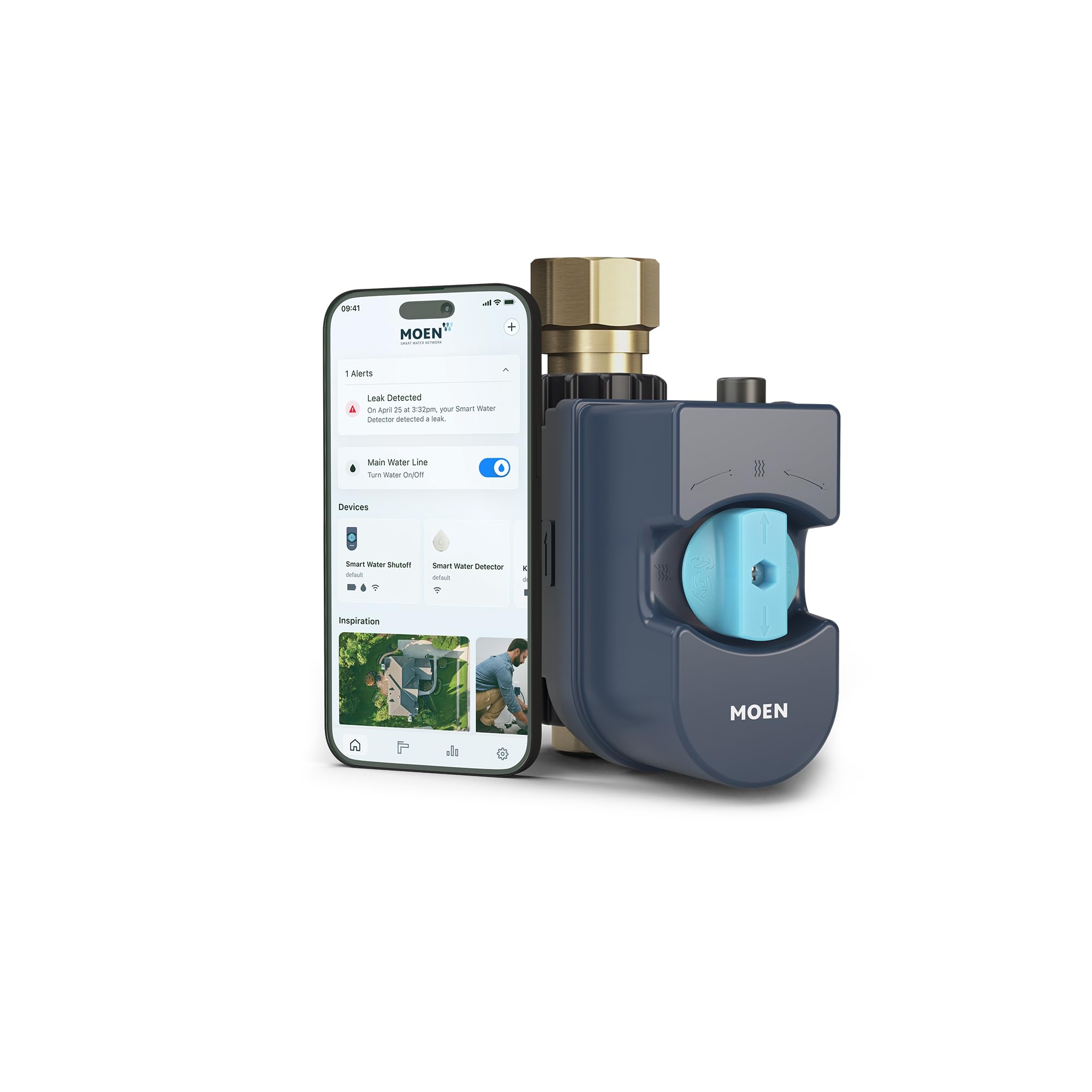
Moen Flo Smart Water Monitor and Automatic Shutoff Sensor, Wi-Fi Water Leak Detector for 3/4-Inch Diameter Pipe, 900-001 - Tub And Shower Faucets - Amazon.com
View on AmazonNot every discount is available from every carrier, and the biggest savings usually come from bundling.
Filing a home insurance claim in New Jersey
When something happens, here’s a calm, step‑by‑step approach:
- Protect people first, then prevent further damage. Shut off water, board windows, tarp the roof—reasonable emergency repairs are covered in most policies.
- Document everything. Take photos/videos before cleanup. Save receipts for costs like tarps, hotel stays, or meals if you can’t live at home (ALE—additional living expenses).
- Report the claim promptly. Most policies require timely notice. Have your policy number and a description of what happened.
- Meet the adjuster. Walk them through damage and prior repairs. Share estimates from licensed NJ contractors if you have them.
- Understand your deductibles. You’ll typically have one all‑perils deductible; coastal policies may also have a hurricane/named‑storm deductible that applies only in specific events.
- Review your settlement. Confirm whether your home and belongings are covered on replacement cost or actual cash value. For replacement cost, many carriers first pay ACV, then release the depreciation after you complete repairs or replace items—watch deadlines.
- Keep records and communicate in writing. If issues arise, escalate with the carrier’s claims supervisor. New Jersey’s Department of Banking and Insurance oversees claim handling—if you need help, your policy and the carrier’s complaint process outline next steps.
Consider speaking with a licensed public adjuster or contractor for complex or large losses, but vet fees and contracts carefully.
How to get quotes for home insurance in New Jersey (smart next step)
- Gather details: Square footage, roof age/material, updates (roof/electrical/plumbing/HVAC), foundation/basement, distance to coast, and any prior claims.
- Decide on must‑have endorsements: water backup, service line, ordinance or law, and personal property replacement cost are common adds in NJ.
- Quote at least 3–5 carriers on the same coverage specs. This shows a clear price spread and lets you negotiate or tweak deductibles strategically.
- Ask about wind/hurricane deductibles specifically if you’re anywhere near the shore.
- Review the carrier’s roof coverage terms and whether they’re offering full replacement cost on older roofs.
Ready to compare? Take 10 minutes to line up a few options. The fastest way to see your real price is to compare quotes from multiple carriers side by side.
FAQ: common questions about New Jersey homeowners insurance
- Is home insurance required in New Jersey? Not by state law. But mortgage lenders typically require it until your loan is paid off.
- Does home insurance cover flood in NJ? No. Standard policies exclude flood. Consider an NFIP or private flood policy—especially near rivers, bays, or the shore.
- Are hurricanes covered? Wind damage from hurricanes is typically covered, but a separate hurricane or named‑storm deductible may apply. Flood/surge remains excluded without a flood policy.
- What’s the average cost of home insurance in NJ? Many homeowners see $1,000–$2,000 inland and $1,600–$4,000+ near the coast for standard single‑family homes, but rates vary widely by rebuild cost, roof age, and carrier.
- I live in a condo—what do I need? An HO‑6 condo policy covers your interior, belongings, loss of use, and liability. Review your HOA master policy to set the right dwelling (improvements & betterments) limit.
- I have a dog or a pool—will that affect coverage? It can. Certain dog breeds, trampolines, and unfenced pools can impact eligibility or pricing. Disclose them during quoting.
- What if I can’t find coverage? The New Jersey FAIR Plan (through the New Jersey Insurance Underwriting Association) offers last‑resort coverage for those who can’t get a standard policy. It’s basic and often pricier—use it as a bridge while you improve eligibility.
- How much liability coverage should I carry? Many NJ homeowners choose $300,000–$500,000. If you have significant assets or higher risk (pool, rental exposure), ask about a $1M+ umbrella policy.
A quick note on getting personal advice
Insurance is personal. Coverage choices and pricing depend on your home’s details and your risk tolerance. A licensed agent can help you size dwelling limits, select endorsements, and compare carriers—especially if you’re coastal or have unique features like an older oil tank.
Your next step
Take 10 minutes to gather your home details, then compare quotes from 3–5 carriers. You’ll quickly find the sweet spot between coverage and price, and you’ll see if bundling with your auto unlocks extra savings. If you’re buying your first place, this resource can help: Best Home Insurance for New Homeowners: Top Picks, Costs, and What to Look For
Recommended Resources
Insurance For Dummies?: Hungelmann, Jack
Whether you’re a homeowner or ... need on: ... Author Jack Hungelmann <strong>uses his twenty-five years of experience in the insurance industry to make buying insurance as simple as possible</strong>
Moen Flo Smart Water Monitor and Automatic Shutoff Sensor, Wi-Fi Water Leak Detector for 3/4-Inch Diameter Pipe, 900-001 - Tub And Shower Faucets - Amazon.com
Moen Flo Smart Water Monitor and Automatic Shutoff Sensor, <strong>Wi-Fi Water Leak Detector for 3/4-Inch Diameter Pipe</strong>, 900-001 - Tub And Shower Faucets - Amazon.com
The Basement Watchdog Emergency Battery Backup Sump Pump - Up to 2,000 GPH - 24/7 Monitoring Controller (BWE) - Sump Pump Battery Backup - Amazon.com
PumpSpy Dual Pump Install Kit - ... Dual Pump System To 1-1/2" Line · <strong>The Basement Watchdog Combo Preassembled Primary & Battery Backup Sump Pump System w/Monitoring Controller (CITE-
Related Articles
- Home Insurance in New York: Coverage, Costs & Best Companies
- Auto Insurance in New Jersey: Rates, Requirements & How to Save
- Home Insurance in New Hampshire: Coverage, Costs & Best Companies
- Home Insurance in New Mexico: Coverage, Costs & Best Companies
- Home Insurance in Vermont: Coverage, Costs & Best Companies
- Home Insurance in Wyoming: Coverage, Costs & Best Companies
- Home Insurance in Maryland: Coverage, Costs & Best Companies
- Home Insurance in Georgia: Coverage, Costs & Best Companies