
Home Insurance in New Hampshire: Coverage, Costs & Best Companies
You’re shopping for home insurance in New Hampshire and wondering what it should cover, what it typically costs, and which companies are actually good here. Here is what really matters for Granite State homeowners, plus clear steps to compare quotes and save—without cutting corners you’ll regret later.
New Hampshire homeowners insurance requirements and typical coverage
First, the basics: New Hampshire does not legally require homeowners insurance. But if you have a mortgage, your lender will typically require it. Even if you own your home outright, carrying a solid policy is the smart way to protect your biggest asset.
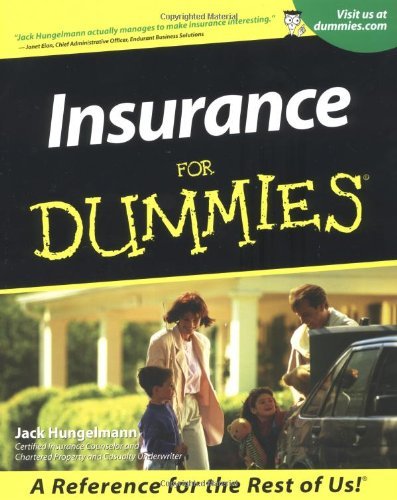
Insurance for Dummies: Hungelmann, Jack
<strong>Manage life, health, and disability risks</strong> ― explore individual and group policies, understand Medicare basics, and evaluate long-term disability and long-term-care insurance ...
Check Price on AmazonHere’s what a standard policy usually includes (and what the jargon actually means):
- Dwelling (Coverage A): Pays to rebuild or repair your home if it’s damaged by a covered peril, like fire or wind. Set this to your home’s replacement cost (what it costs to rebuild today), not market value.
- Other Structures (Coverage B): Sheds, fences, detached garages—often 10% of dwelling by default.
- Personal Property (Coverage C): Your stuff—furniture, clothing, electronics. You choose either actual cash value (ACV, what items are worth today after depreciation) or replacement cost (RCV, what it costs to buy new). RCV usually costs a bit more and is worth it in most cases.
- Loss of Use (Coverage D): Pays for additional living expenses if you can’t live at home during repairs (hotel, short-term rentals, meals above normal).
- Personal Liability (Coverage E): Protects you if you’re found legally responsible for someone’s injury or property damage. In most cases, aim for at least $300,000–$500,000. Consider a $1M umbrella policy if you have assets to protect.
- Medical Payments (Coverage F): Small, no-fault medical coverage for guests hurt on your property.
Policy types you’ll see:
- HO-3: The most common policy form for single-family homes. It covers your home on an “open peril” basis (everything except exclusions) and your belongings for “named perils” (specific listed causes like fire, theft, wind).
- HO-5: A broader form that often gives open-peril coverage for both the home and contents and higher default limits for valuables. It typically costs more but is worth a look if you want wider protection.
New Hampshire add-ons worth considering:
- Water backup and sump overflow: Covers damage if your sump pump fails or a drain backs up (not the same as flood). Very relevant with basements and spring thaw.
- Service line coverage: Pays to repair buried water, sewer, or power lines you’re responsible for on your property.
- Equipment breakdown: Covers sudden mechanical/electrical breakdowns of systems like HVAC, well pumps, and appliances.
- Ordinance or law: Pays extra to bring older parts of your home up to current building code after a covered loss. Helpful in New England’s older housing stock.
- Scheduled personal property: Extra coverage for jewelry, cameras, art, or sports equipment with low deductibles.
- Oil tank and oil spill liability: If you have oil heat, ask specifically about coverage for leaks or spills—cleanup can be costly in New Hampshire.
- Wind or hurricane deductible: On the Seacoast, some carriers may apply a separate wind/hurricane deductible (often 1%–5% of Coverage A). Know if your quote includes this.
Want a deeper dive into what each part covers and common exclusions? See What Does Home Insurance Cover? (/home-insurance/what-does-home-insurance-cover)
Average home insurance costs in New Hampshire by home value and location
Rates vary by home age and construction, distance to a fire hydrant, claim history, credit (in most cases), and where in New Hampshire you live. Seacoast wind exposure, distance from a staffed fire station, and basement water risk can all move the needle.
Typical annual premium ranges you’ll see for well-maintained homes with a clean claims history (illustrative 2026 market estimates—not a quote):
By home value (replacement cost):
- $200,000–$250,000: $600–$1,050 per year
- $300,000–$350,000: $800–$1,350 per year
- $450,000–$550,000: $1,150–$2,000 per year
- $700,000–$900,000: $1,800–$3,200+ per year
By location (all else equal):
- Concord, Keene, Laconia: Often among the more affordable ranges
- Manchester, Nashua: Slightly higher on average due to urban exposure
- Seacoast (Portsmouth, Hampton, Rye): Tends higher because of wind/hurricane risk and higher rebuild costs
- Lakes Region/White Mountains: Can vary—snow load and distance to fire protection matter
Real-world examples (for context only; your rate will differ):
- A 1,600 sq. ft. 1995-built colonial in Concord with a new roof and no claims might land around $900–$1,200 annually with $300,000 dwelling coverage and a $1,000 deductible.
- A 2,100 sq. ft. 1980-built home in Manchester with $450,000 dwelling coverage, finished basement, and water backup endorsement might see $1,300–$1,900.
- A 2,400 sq. ft. 2005-built home in Portsmouth with $600,000 dwelling coverage and a 2% wind deductible could run $1,800–$2,700.
Insurers price each home differently. The fastest way to see what you would actually pay is to compare quotes from 3–5 carriers on the same day.
New Hampshire-specific risks: natural disasters, weather, and regional factors
New Hampshire’s biggest property exposures are winter storms and wind—plus basement water issues. Here’s how those show up on policies:

The Basement Watchdog Emergency Battery Backup Sump Pump - Up to 2,000 GPH - 24/7 Monitoring Controller (BWE) - Sump Pump Battery Backup - Amazon.com
View on Amazon- Nor’easters, windstorms, and hurricanes: Wind is covered on standard policies, but Seacoast homes may have a separate wind or hurricane deductible (a percentage of the dwelling limit). Ask if your policy uses a named-storm or hurricane trigger.
- Ice dams: Heavy snow followed by freeze–thaw cycles can push water under shingles and into walls/ceilings. Ice dam damage is typically covered, but preventing it (heat cables, proper insulation/venting) may earn discounts and avoids hassle.
- Roof collapse from snow load: Usually covered if sudden and accidental. Insurers may ask about roof age and pitch.
- Freezing pipes: Covered if you maintain heat or properly shut off and winterize. If you leave for more than a day or two in deep winter, set the thermostat and consider smart water shutoff devices.
- Flooding: Groundwater seepage and overland flooding are not covered by homeowners policies. If you’re near rivers like the Merrimack, Connecticut, or Pemigewasset—or in a low-lying area—consider a separate flood policy through the NFIP or private flood insurers.
- Hail and lightning: Less frequent than in the Plains but still a consideration. Both are standard covered perils.
- Earthquakes: New Hampshire does have low to moderate seismic activity. Standard policies exclude earthquake, but you can add an endorsement or buy a separate policy.
- Wells and septic systems: Common in rural NH. Damage from wear and tear is excluded, but sudden covered perils (like lightning hitting a well pump) can be covered. Service line coverage can help with buried lines.
- Heating oil systems: Ask about tank leak coverage and liability for cleanup—important with basement tanks and older lines.
How to compare home insurance quotes in New Hampshire
Here is a straightforward, apples-to-apples way to shop:
- Get your rebuild cost right
- Ask each insurer for a replacement cost estimate based on your square footage, construction type, and features. In many New Hampshire markets, rebuild costs often fall somewhere around $180–$280 per square foot, but this varies by location and labor/material trends.
- Bring details: year built, roof age/material, heating type (oil, gas, electric, wood stove), updates to plumbing/electrical/HVAC, foundation type, finished basement, distance to hydrant.
- Standardize your coverage selections
- Dwelling: The full rebuild estimate.
- Personal property: Choose replacement cost, not ACV, in most cases.
- Liability: $300,000–$500,000 is a common target; consider more if you have higher assets.
- Deductible: $1,000 or $2,500 are common. Higher deductibles lower premiums but increase out-of-pocket costs at claim time.
- Add-ons: Water backup (e.g., $10k–$25k), service line, equipment breakdown, ordinance or law (often 25%–50% of Coverage A), and any wind/hurricane deductible details.
- Verify key exclusions and sublimits
- Jewelry, firearms, silverware, and collectibles usually have low theft sublimits unless scheduled.
- Mold and fungi coverage often has low caps; you can sometimes buy up.
- Short-term rental/airbnb use is not automatically covered—ask before listing.
- Evaluate the company behind the quote
- Look for financial strength (A.M. Best rating A- or better, typically).
- Claims reputation matters—read recent regional reviews, not just national marketing.
- New England experience helps; regional carriers often understand older homes and winter losses well.
- Use an independent agent plus at least one direct writer
- Independent agents can quote multiple regional carriers (e.g., New England-focused companies) and national names.
- Also price-check a direct writer so you don’t miss a competitive outlier.
For a broader shopping checklist, see our Home Insurance Guide 2026 — Compare Quotes, Coverage & Costs (/home-insurance/home-insurance-guide-2026).
Best home insurance companies in New Hampshire (what to know)
We don’t crown a single “best” company—fit depends on your home, location, and credit-based insurance score (where used). But here are company types you’ll commonly see competing in New Hampshire:
- Regional/New England specialists: Amica, Concord Group, Vermont Mutual, The Hanover, MMG, and Main Street America often price well on older, well-kept homes and may offer thoughtful endorsements like service line and equipment breakdown. Availability and appetite vary by town.
- Large national carriers: Travelers, State Farm, Allstate, Nationwide, Liberty Mutual, and Farmers provide broad availability, online tools, and bundling options; pricing can swing widely house to house.
- Specialty/Coastal carriers: In some Seacoast ZIP codes, you might see companies that price specifically for wind exposure or apply separate wind deductibles.
Tip: Ask each company to quote both HO-3 and HO-5 (if offered), and to include line-item prices for each endorsement so you can compare.
Next step: The fastest way to see your real price is to compare quotes from 3–5 carriers side by side with the same coverage settings. It typically takes 10–20 minutes and can save hundreds per year.
Discounts and bundling opportunities for New Hampshire homeowners
You’ll typically find savings opportunities tied to maintenance, safety, and loyalty. Common discounts include:
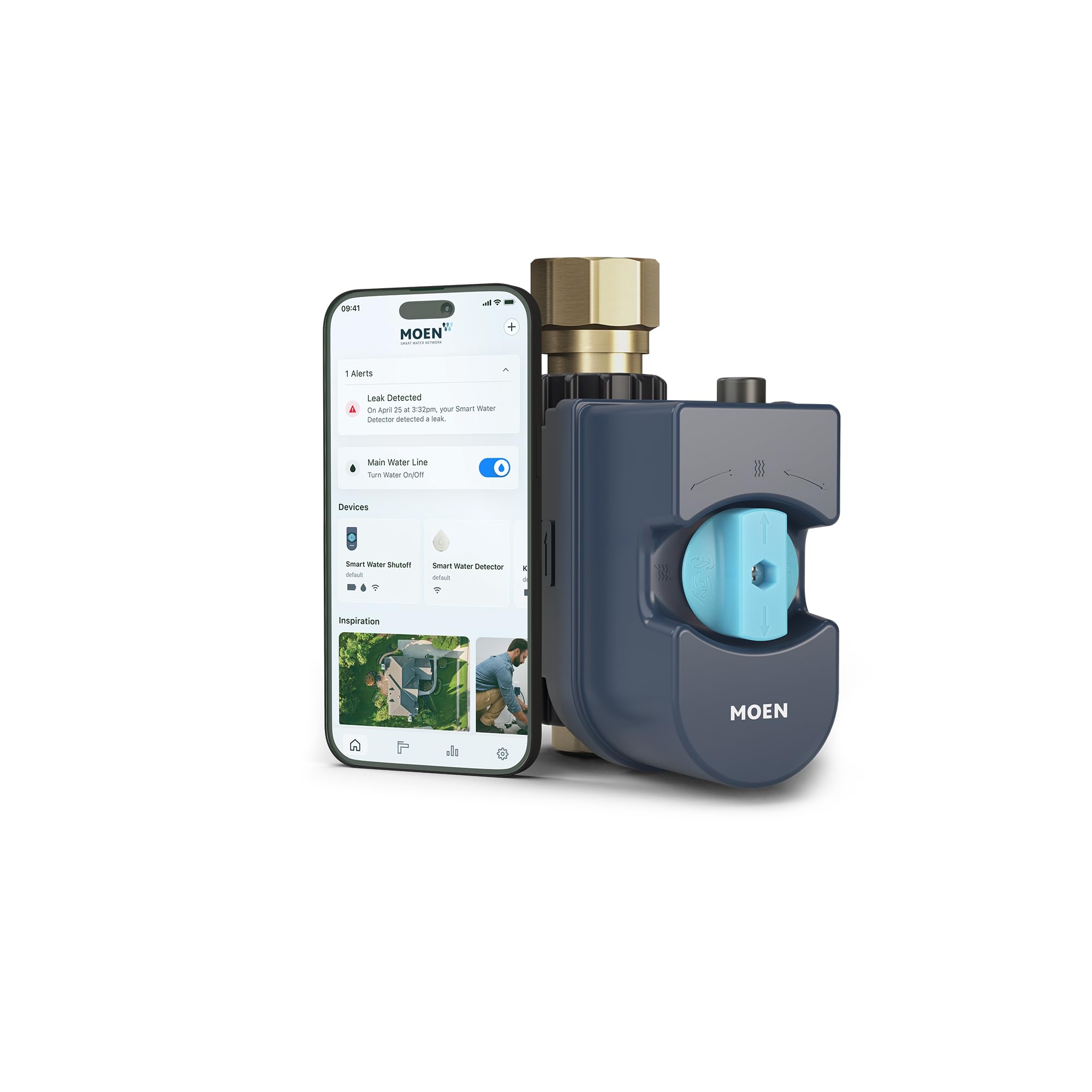
Moen Flo Smart Water Monitor and Automatic Shutoff Sensor, Wi-Fi Water Leak Detector for 3/4-Inch Diameter Pipe, 900-001 - Tub And Shower Faucets - Amazon.com
View on Amazon- Home + Auto bundle: Often 10%–25% savings across both policies, depending on the carrier. If you’re considering bundling, you can also review our state-specific auto guide: Auto Insurance in New Hampshire: Rates, Requirements & How to Save (/auto-insurance/auto-insurance-in-new-hampshire-rates-requirements-save).
- New roof or roof upgrades: Impact-resistant shingles or recent replacements can help.
- Protective devices: Monitored alarms, water leak sensors/shutoff valves, and automatic sprinklers.
- Claims-free and loyalty: Staying claim-free for 3–5 years can reduce premiums.
- New homebuyer/new policy: Discounts for new purchases or switching from another carrier.
- Paperless billing, autopay, and paid-in-full: Small but easy savings.
- Mature homeowner: Some carriers offer price breaks for older homeowners.
Pro tips:
- Ask how far you are from a fire hydrant and station. In rural NH, distance can add cost; verifying the correct protection class with your agent can prevent overcharges.
- If you have a wood stove, ensure it’s professionally installed and certified; some carriers require inspection for discounts (and to avoid surcharges).
Filing a home insurance claim in New Hampshire
When something happens, here’s a practical way to avoid delays and denials:
- Mitigate further damage
- Shut off the water, board up broken windows, move belongings out of harm’s way. Keep receipts—reasonable emergency repairs are typically reimbursable.
- Document everything
- Take photos and videos before cleanup. Make a quick inventory of damaged items (brand, model, approximate purchase date and cost).
- Notify your insurer promptly
- Many policies require prompt notice. Ask about preferred vendors and whether the loss might trigger a separate wind/hurricane deductible in Seacoast areas.
- Understand your coverage and deductibles
- Ask your adjuster to confirm whether you have replacement cost on dwelling and contents, and how recoverable depreciation works (you often get the holdback after you complete repairs and submit invoices).
- Choose contractors wisely
- You can use the insurer’s network or pick your own licensed contractor. Get estimates in writing; avoid signing over your benefits.
- Track additional living expenses (ALE)
- Keep receipts for hotels, temporary rentals, meals above normal, pet boarding, storage—whatever applies. ALE is audited.
If you hit a roadblock (coverage dispute, delays), you can request a supervisor review. For consumer help, you can also contact the New Hampshire Insurance Department for guidance on next steps.
FAQ: common questions about New Hampshire homeowners insurance
Is home insurance required in New Hampshire?
- Not by state law. But lenders typically require it until you pay off the mortgage. Even without a loan, most homeowners carry coverage to protect their investment.
Does homeowners insurance cover ice dams and roof collapse from snow?
- Ice dam damage and sudden roof collapse from snow load are typically covered, subject to your deductible. Preventive maintenance (insulation, ventilation, roof rakes) reduces risk and avoids claims.
Do I need flood insurance in New Hampshire?
- If you’re in a FEMA high-risk flood zone (often near the Merrimack or Connecticut River or coastal areas), your lender will usually require flood insurance. Even outside high-risk zones, spring runoff and heavy rain can flood basements—consider an NFIP or private flood policy.
What about sump pump failures and sewer backups?
- Those are not covered by default. Add a water backup and sump overflow endorsement (you pick the limit, like $10k–$25k or more).
Are there hurricane or wind deductibles on the Seacoast?
- Some carriers apply a separate percentage deductible for wind or named storms in coastal ZIP codes. Ask each insurer how it triggers and what percentage applies.
I use my home as a short-term rental occasionally. Am I covered?
- Standard policies usually exclude business activity and short-term rental risks. Ask about a home-sharing endorsement or a landlord/short-term rental policy.
Does HO-6 condo insurance work differently?
- Yes. Your condo association’s master policy covers the building’s structure as defined in the bylaws. Your HO-6 covers interior finishes, personal property, loss assessment, and liability. Bring your condo docs when you quote so the agent can match coverage correctly.
Are certain dog breeds excluded from liability coverage?
- Some insurers restrict breeds or require underwriting review. If you have a restricted breed or a dog with a bite history, disclose it so you’re not denied later.
Will my well, septic system, or oil tank be covered if they fail?
- Wear and tear is excluded. Sudden damage from a covered peril (like lightning to a well pump) may be covered. Ask about service line coverage and oil tank/oil spill endorsements.
I’m a first-time homebuyer in NH—anything special to watch for?
- Verify replacement cost, ask for water backup coverage, and review wind/hurricane deductibles if you’re near the coast. For a focused checklist, see Best Home Insurance for New Homeowners: Top Picks, Costs, and What to Look For (/home-insurance/best-home-insurance-new-homeowners-top-picks-costs).
A quick note: This guide is educational. Your home and policy details drive your actual price and coverage. Speaking with a licensed agent who can review your situation is always a good idea.
Next step: Get personalized quotes from 3–5 New Hampshire-friendly carriers, match the coverage settings, and see your real options in minutes. If a quote looks unusually low, double-check deductibles and exclusions—especially wind and water.
Recommended Resources
Insurance for Dummies: Hungelmann, Jack
<strong>Manage life, health, and disability risks</strong> ― explore individual and group policies, understand Medicare basics, and evaluate long-term disability and long-term-care insurance ...
Moen Flo Smart Water Monitor and Automatic Shutoff Sensor, Wi-Fi Water Leak Detector for 3/4-Inch Diameter Pipe, 900-001 - Tub And Shower Faucets - Amazon.com
Moen Flo Smart Water Monitor and Automatic Shutoff Sensor, <strong>Wi-Fi Water Leak Detector for 3/4-Inch Diameter Pipe</strong>, 900-001 - Tub And Shower Faucets - Amazon.com
The Basement Watchdog Emergency Battery Backup Sump Pump - Up to 2,000 GPH - 24/7 Monitoring Controller (BWE) - Sump Pump Battery Backup - Amazon.com
PumpSpy Dual Pump Install Kit - ... Dual Pump System To 1-1/2" Line · <strong>The Basement Watchdog Combo Preassembled Primary & Battery Backup Sump Pump System w/Monitoring Controller (CITE-
Related Articles
- Home Insurance in New Mexico: Coverage, Costs & Best Companies
- Auto Insurance in New Hampshire: Rates, Requirements & How to Save
- Home Insurance in Massachusetts: Coverage, Costs & Best Companies
- Home Insurance in Maine: Coverage, Costs & Best Companies
- Home Insurance in Vermont: Coverage, Costs & Best Companies
- Health Insurance in New Hampshire: Plans, Costs & How to Enroll
- Home Insurance in New Jersey: Coverage, Costs & Best Companies
- Home Insurance in North Carolina: Coverage, Costs & Best Companies