
Home Insurance in West Virginia: Coverage, Costs & Best Companies
You’re shopping for home insurance in West Virginia and want straight answers: What does a standard policy actually cover here? What’s a normal price? And which companies are worth your time?
Here’s the no-drama guide to West Virginia homeowners insurance—what’s required, typical coverage, ballpark costs by location, WV-specific risks (hello, river flooding and landslides), how to compare quotes, and how to file a claim without losing your weekend.
West Virginia homeowners insurance requirements and typical coverage
There’s no state law requiring homeowners insurance in West Virginia. But if you have a mortgage, your lender will require it to protect the home (their collateral). Even if you own your home outright, coverage is typically a smart move—one bad storm or kitchen fire can cost far more than years of premiums.
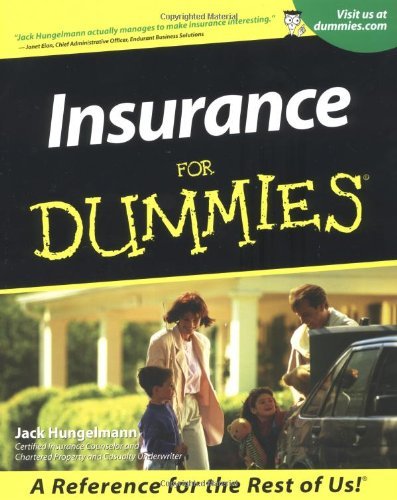
Insurance for Dummies: Hungelmann, Jack
<strong>Manage life, health, and disability risks</strong> ― explore individual and group policies, understand Medicare basics, and evaluate long-term disability and long-term-care insurance ...
Check Price on AmazonA standard homeowners policy (often called an HO-3) typically includes:
- Dwelling coverage: Pays to repair or rebuild your home if it’s damaged by a covered peril (like fire, wind, hail). Choose a limit equal to the home’s replacement cost—the amount to rebuild with similar materials and labor today. Replacement cost is not the same as market value; land value and local demand don’t matter for rebuilding.
- Other structures: Covers things not attached to the home (detached garage, shed, fence). Usually 10% of the dwelling limit by default.
- Personal property: Covers your belongings (furniture, electronics, clothing). Default limits often start at 50%–70% of your dwelling limit. You can choose actual cash value (depreciated payout) or replacement cost (no depreciation taken). Replacement cost typically costs a bit more but is the better safety net for most people.
- Loss of use (additional living expense): Pays for temporary housing and extra costs if a covered loss makes your home unlivable.
- Personal liability: Covers you if you’re responsible for injuries or property damage to others (for example, a guest slips on your steps). Limits usually start at $100,000; many West Virginia homeowners choose $300,000–$500,000 because the extra cost is usually modest.
- Medical payments to others: Small no-fault coverage for minor injuries to guests (commonly $1,000–$5,000).
What’s not covered in a standard policy:
- Flood (rising water from outside): Not covered. You need separate flood insurance—typically through the National Flood Insurance Program (NFIP) or a private flood insurer. If you live near rivers like the Kanawha, Elk, Ohio, or Monongahela, get a flood quote even if your lender doesn’t require it.
- Earth movement: Earthquakes, landslides, and sinkholes are typically excluded. Some insurers offer endorsements (add-ons) for earthquake or sinkhole in select areas; landslide/land movement is harder to insure but may be available through specialty markets.
- Maintenance or wear and tear: Roof age, rot, and slow leaks aren’t covered. Insurance is for sudden and accidental damage, not deferred maintenance.
Optional add-ons West Virginians commonly consider:
- Water backup: Covers damage if a sump pump fails or a sewer/drain backs up into your home. Limits typically range from $5,000 to $25,000 (higher available with some carriers).
- Extended or guaranteed replacement cost: Gives you extra cushion (often 25%+) above your dwelling limit if rebuild costs spike after a widespread storm.
- Equipment breakdown: Covers big home systems (HVAC, major appliances) for mechanical/electrical breakdown—different from wear-and-tear warranties.
- Scheduled personal property: Extra protection for high-value items like jewelry or firearms, often with no deductible.
- Mine subsidence (where available): Helps cover ground movement damage tied to old underground mines—a known risk in parts of WV. Ask your agent whether this endorsement is available in your county.
Average home insurance costs in West Virginia by home value and location
Rates vary by carrier, coverage choices, home features, and your claims history. That said, West Virginia homeowners typically see annual premiums that are around or slightly below the national average for standard coverage, depending on the county and proximity to severe weather and flood exposures.
Ballpark ranges we commonly see in West Virginia (for owner-occupied, single-family homes with a standard deductible), as of recent market conditions:
- $200,000 replacement cost home: Approximately $900–$1,400 per year
- $350,000 replacement cost home: Approximately $1,200–$1,900 per year
- $500,000 replacement cost home: Approximately $1,800–$2,800 per year
Your exact price can land outside these ranges. Roof age and material, distance to a fire station/hydrant, prior claims, dog breed, pools/trampolines, and credit-based insurance scores (where allowed) all influence your rate.
What West Virginians in different regions tend to see:
- Charleston and Kanawha Valley: Often mid-range premiums; hail and severe thunderstorm claims can move rates up, while proximity to hydrants and fire service can help.
- Huntington and the Tri-State area: Similar to Charleston, with some neighborhoods seeing higher rates due to older housing stock and roof condition.
- Morgantown and the I-79 corridor: Often competitive, especially for newer construction and communities near professional fire protection.
- Eastern Panhandle (Martinsburg, Berkeley/Jefferson counties): Exposure to severe convective storms and occasional wind events can add cost; newer builds may offset.
- Southern coalfields (Beckley, Bluefield, Logan): Terrain-related risks (land movement) and older roofs can push rates higher on some homes.
- Northern Panhandle (Wheeling) and Ohio River towns: River flood exposure drives whether you’ll also carry separate flood insurance; homeowners rates can be moderate if the home is outside high-risk flood zones.
Tip: The fastest way to see what you would actually pay is to compare quotes from 3–5 carriers on the same day. Home insurance pricing changes frequently, and different companies rate West Virginia risks differently.
West Virginia-specific risks: natural disasters, weather, and regional factors
West Virginia’s top hazards that matter for homeowners insurance:
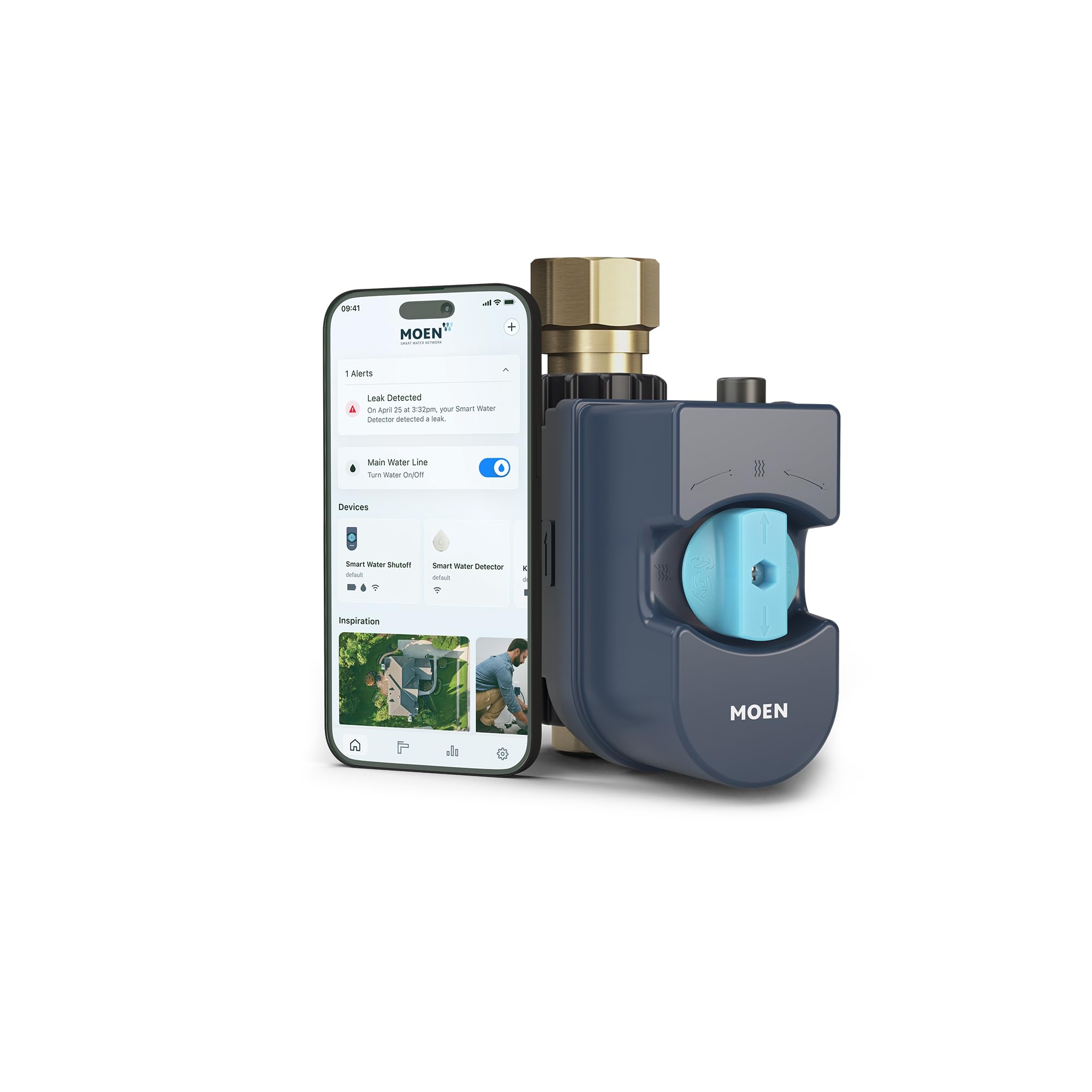
Moen Flo Smart Water Monitor and Automatic Shutoff Sensor, Wi-Fi Water Leak Detector for 3/4-Inch Diameter Pipe, 900-001 - Tub And Shower Faucets - Amazon.com
Moen Flo Smart Water Monitor and Automatic Shutoff Sensor, <strong>Wi-Fi Water Leak Detector for 3/4-Inch Diameter Pipe</strong>, 900-001 - Tub And Shower Faucets - Amazon.com
Check Price on Amazon- Flooding: River and creek flooding is the big one. Standard homeowners insurance excludes flood. If your home is near the Kanawha, Elk, Ohio, Monongahela, or in a hollow that quickly channels runoff, get a flood quote. Premiums for low-to-moderate risk zones are often lower than people expect, but costs vary based on elevation and flood modeling.
- Severe thunderstorms, wind, and hail: Most carriers cover these perils, but some in WV use separate wind/hail deductibles (a fixed amount or a percentage of your dwelling limit). Ask whether your policy has a separate wind/hail or named-storm deductible.
- Winter storms and ice: Freeze-related pipe bursts are common. Insurers expect “reasonable care” (for example, keep heat on during cold snaps). Install leak sensors and consider smart shutoff valves for extra protection.
- Landslides/land movement: Steep terrain, heavy rains, and old mine activity can trigger slope movement. Standard policies exclude earth movement. Specialty markets may offer limited coverage; availability and pricing vary widely.
- Mine subsidence: In some counties, old underground mines can cause ground shifting. Optional mine subsidence coverage may be available—ask an agent familiar with your area.
- Wildfire: Generally lower risk than western states, but forested ridgelines and drought conditions can create localized exposures. Maintain defensible space by clearing leaves and brush.
How to compare home insurance quotes in West Virginia
Shopping tip: Pick your coverage first, then compare price. A cheap policy with thin coverage can cost you more after a loss.
What to look for when comparing quotes:
- Rebuild limit accuracy: Confirm your dwelling limit reflects current local construction costs. Ask the agent what square-foot rebuild cost they assumed. If your home is 2,000 sq. ft. and they used $140 per sq. ft., that’s a $280,000 limit. In many WV markets, materials and labor may push that higher—don’t underinsure.
- Replacement cost vs. actual cash value: Replacement cost on both the dwelling and personal property is typically worth the upgrade. ACV subtracts depreciation and can leave you short.
- Deductibles: A higher deductible lowers the premium. Many WV homeowners choose $1,000–$2,500 deductibles. Make sure any wind/hail or named-storm deductible isn’t a surprise percentage (like 2% of your dwelling limit).
- Water backup coverage: Common claim, especially with older basements. Decide on a realistic limit for cleanup and damaged finishes.
- Liability limit: Consider $300,000–$500,000, especially if you have a pool, trampoline, or frequent guests. An umbrella policy can add $1M+ of extra liability protection at a relatively low cost.
- Special items: Jewelry, firearms, collectibles—schedule them if their value exceeds sub-limits (often $1,500–$2,500 for theft of jewelry).
- Claim service and contractor networks: Ask how they handle local contractors and whether they offer managed repair options. Read recent customer feedback for claim responsiveness.
How to get apples-to-apples quotes in WV:
- Decide your target coverage (dwelling limit, personal property, liability, deductibles, key endorsements). Write it down.
- Get at least three quotes the same day using the same coverage. Rates move; timing matters.
- Share your roof age, updates (roof, plumbing, electrical), and distance to a hydrant—these can reduce your price.
- Ask for two versions: one with your current deductible and one slightly higher, to see the savings tradeoff.
- Bundle your auto if the savings are real. Many West Virginians can shave 10%–25% off home when bundling, depending on the carrier and profile. If you’re reviewing your auto policy too, it may help to start here: Auto Insurance in West Virginia: Rates, Requirements & How to Save
Looking for a quick path? The fastest way to see what you’d actually pay is to compare quotes from 3–5 carriers. We can help you pull side-by-side quotes and highlight where one policy is thinner than another.
Discounts and bundling opportunities for West Virginia homeowners
Most insurers in WV offer some mix of these savings. Actual discounts vary by company and eligibility:
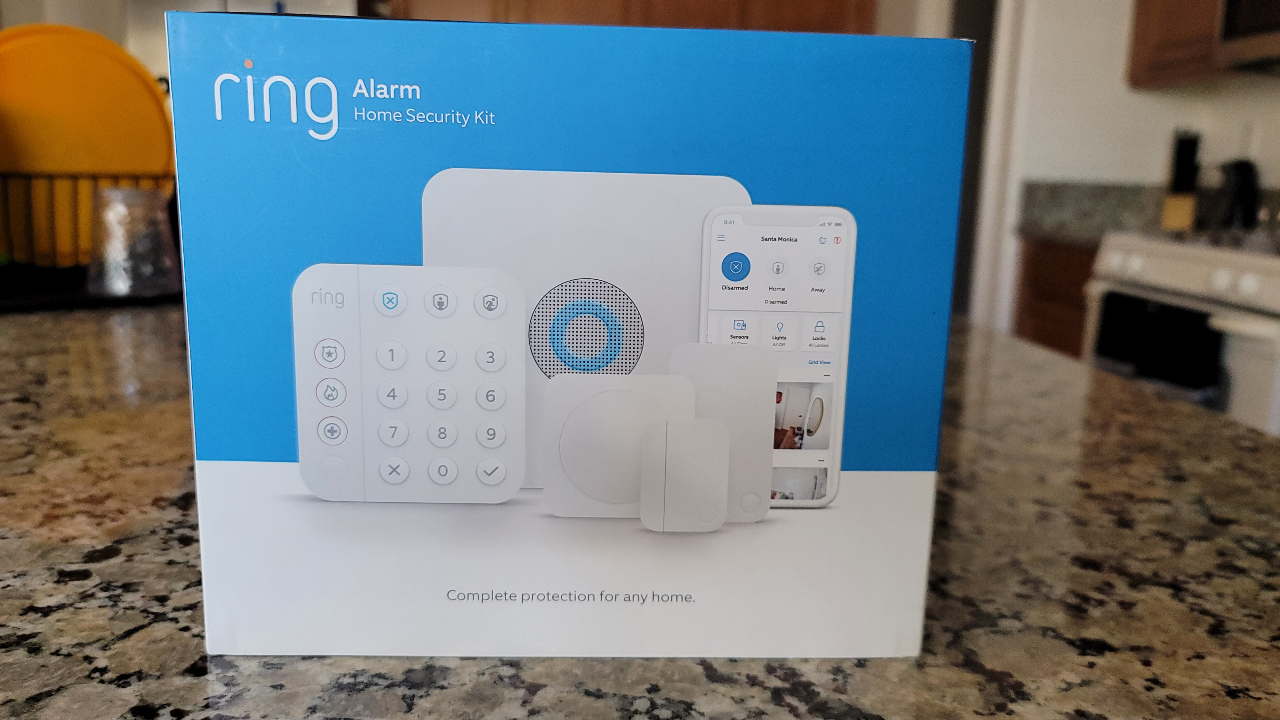
Ring Alarm 8-piece kit (2nd Gen) – home security system
View on Amazon- Auto + home bundle: Often the biggest single discount. Make sure both policies still have strong coverage; don’t trade away replacement cost to save a few bucks.
- Newer roof: Class IV impact-resistant shingles can earn a wind/hail discount with some carriers. Provide documentation (permit, contractor invoice).
- Protective devices: Central station fire/burglar alarms, monitored water leak sensors, and automatic sprinkler systems can shave costs.
- Recent updates: Plumbing, electrical, HVAC updates reduce loss risk. Tell your insurer the year and scope of upgrades.
- Claims-free: Being loss-free for 3–5 years can earn preferred pricing with some companies.
- Pay-in-full or auto-pay: Small but easy savings.
- New home or new purchase: Some carriers reward recent construction or new buyers.
Pro tip: Ask the agent to list every discount applied and any you might qualify for later (for example, adding a monitored alarm). Keep that list for renewal shopping.
Filing a home insurance claim in West Virginia
If you have a loss, good documentation and quick action speed things up.
Step-by-step:
- Protect the property: Stop further damage (shut off water, board up, tarp roof). Keep receipts—these are typically reimbursable.
- Document everything: Take photos/video of damage and the cause (hail on deck, burst pipe, etc.). For belongings, list items with brand/model and approximate age.
- Contact your insurer: File the claim by phone or app. Ask for your claim number, next steps, and any forms needed.
- Meet the adjuster: Walk them through the damage and provide your documentation. Get their contact info and timelines for the estimate.
- Review the estimate: If something’s missing, ask for a supplement. If you have replacement cost coverage, you may receive an initial ACV payment and the rest after repairs.
- Choose contractors: Use licensed, insured West Virginia contractors. Beware of door-to-door storm chasers demanding large upfront payments.
Know your rights: West Virginia has rules requiring fair and prompt claim handling. Insurers must communicate decisions in writing and explain denials. Timelines can vary by claim type and complexity; check your policy and, if needed, contact the West Virginia Offices of the Insurance Commissioner for help.
When to file (and when not to):
- Consider your deductible and claim history. Multiple small claims can raise your premium. For borderline losses near your deductible, it may be smarter to self-pay.
- For larger losses (roof replacement, major water), file promptly and keep all receipts and correspondence.
Best home insurance companies in West Virginia: how to pick a winner for your home
Rather than chasing a single “best” company, match the carrier to your home and risk profile. Here’s how to sort the field:
- Strong option if you prioritize bundling: Carriers that write both home and auto competitively in WV can deliver meaningful bundle savings and a unified claims experience.
- Good fit for newer construction or renovated homes: Some companies heavily reward newer roofs, updated wiring, and modern plumbing—great for post-2010 builds or recently flipped homes.
- Regional or mutual carriers: In parts of WV, regional and mutual insurers (member-owned) can offer competitive rates and local claims knowledge. Ask agents which regionals are active in your county.
- Specialty or surplus carriers: If you have unique risks—log homes, steep-slope properties with prior land movement, multiple losses—you may need a specialty market. Expect higher deductibles and more exclusions; read carefully.
- FAIR Plan (last resort): If you’ve been declined by the standard market, West Virginia’s FAIR Plan (a last-resort property program) may provide basic coverage. It’s usually more expensive and less comprehensive, so keep shopping the standard market as your situation changes.
What to ask any WV insurer before you buy:
- Do you offer replacement cost on dwelling and personal property? Any caps or sub-limits I should know about?
- What is my wind/hail or named-storm deductible, and is it a percentage or flat amount?
- How do you handle roof claims on older shingles—ACV or replacement cost?
- What water backup limits are available for basements in my ZIP code?
- Can I add mine subsidence or earthquake coverage here?
- What contractor networks do you use, and can I choose my own?
Real-world examples
- Example 1: A 1,800-sq.-ft. home in Morgantown, 2012 roof, $350,000 replacement cost, $1,000 deductible, replacement cost on contents, $10,000 water backup. Quotes might span roughly $1,300–$1,900 per year depending on the carrier and credits for updates and alarms.
- Example 2: A 2,400-sq.-ft. home near the Kanawha River outside the high-risk flood zone, $400,000 replacement cost, $2,500 deductible, impact-resistant roof. Homeowners could fall in the $1,400–$2,200 range, with separate low-to-moderate flood premiums if added. Rates vary by elevation and roof documentation.
- Example 3: A 1950s home in Bluefield with older roof and knob-and-tube electrical not yet updated may see higher premiums or require an electrical upgrade to qualify with preferred carriers.
Note: These are illustrative ranges. Actual costs vary by insurer, home features, claims history, and your credit-based insurance score (where permitted).
FAQ: common questions about West Virginia homeowners insurance
- Is homeowners insurance required in West Virginia? Not by law. But lenders require it for mortgages, and it’s strongly recommended to protect your largest asset.
- Does home insurance cover flooding? No. Flood (rising water from outside) requires a separate policy through NFIP or a private flood insurer.
- Do I need earthquake or mine subsidence coverage? Earthquake risk is low but not zero; optional coverage may be available. In counties with old underground mines, ask about mine subsidence endorsements.
- What liability limit should I carry? Many homeowners choose $300,000–$500,000. Consider an umbrella policy for additional protection if you have teenage drivers, a pool, rental properties, or significant assets.
- Will breed restrictions affect coverage? Some insurers restrict certain dog breeds or require underwriting approval. Disclose all dogs to avoid claim issues.
- Are trampolines and pools an issue? Often, yes. You may need safety measures (fencing, locking ladders) or pay a higher premium. Some carriers may not accept them.
- Can I insure a log home or historic property? Yes, but you may need a specialty-friendly carrier and accurate replacement cost modeling. Expect higher premiums and careful underwriting.
- What if I can’t find coverage? An independent agent can shop multiple markets. If you’re declined, ask about the state’s FAIR Plan as a backstop while you work toward qualifying for a standard policy.
Your next step
Ready to see your real numbers? The fastest way to find the best value for home insurance in West Virginia is to compare quotes from 3–5 carriers with identical coverage settings. We can help you gather side-by-side quotes, flag thin spots in coverage, and surface genuine discounts (not just teaser rates).
Prefer a human touch? Talk with a licensed West Virginia agent—especially if you’re in a higher-risk area, have an older roof, or need guidance on flood, water backup, or mine subsidence options.
Callout for savers: If you haven’t shopped your auto in a while, bundling can deliver noticeable savings. Start here if you want to review auto options alongside home: Auto Insurance in West Virginia: Rates, Requirements & How to Save
Recommended Resources
Insurance for Dummies: Hungelmann, Jack
<strong>Manage life, health, and disability risks</strong> ― explore individual and group policies, understand Medicare basics, and evaluate long-term disability and long-term-care insurance ...
Moen Flo Smart Water Monitor and Automatic Shutoff Sensor, Wi-Fi Water Leak Detector for 3/4-Inch Diameter Pipe, 900-001 - Tub And Shower Faucets - Amazon.com
Moen Flo Smart Water Monitor and Automatic Shutoff Sensor, <strong>Wi-Fi Water Leak Detector for 3/4-Inch Diameter Pipe</strong>, 900-001 - Tub And Shower Faucets - Amazon.com
Ring Alarm 8-piece kit (2nd Gen) – home security system
<strong>24/7 Professional Monitoring</strong> If a break-in or emergency is detected, we’ll request emergency response.² <strong>24/7 Professional Monitoring</strong> · If a break-in or emergency is d
Related Articles
- Auto Insurance in West Virginia: Rates, Requirements & How to Save
- Home Insurance in Wyoming: Coverage, Costs & Best Companies
- Home Insurance in Vermont: Coverage, Costs & Best Companies
- Home Insurance in Virginia: Coverage, Costs & Best Companies
- Home Insurance in Montana: Coverage, Costs & Best Companies
- Home Insurance in Idaho: Coverage, Costs & Best Companies
- Home Insurance in Washington: Coverage, Costs & Best Companies
- Health Insurance in West Virginia: Plans, Costs & How to Enroll