
Home Insurance in Washington: Coverage, Costs & Best Companies
You’re shopping for home insurance in Washington and the numbers vary all over the place. What’s actually covered, what’s a fair price in your part of the state, and which companies are worth a look? Here’s the clear, Washington-focused guide to help you decide with confidence.
Note: Insurance pricing and availability change frequently. Examples below are illustrative; your actual rate will vary based on your home, location, and personal profile.
Washington homeowners insurance requirements and typical coverage
There’s no state law that requires home insurance in Washington. But if you have a mortgage, your lender will require it. Even if you’ve paid off the home, a policy protects your biggest asset from the unexpected.
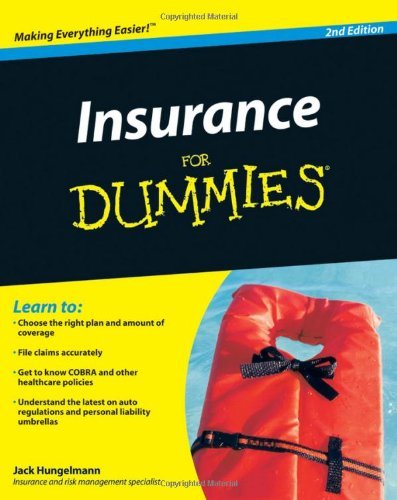
Insurance For Dummies?: Hungelmann, Jack
Whether you’re a homeowner or ... need on: ... Author Jack Hungelmann <strong>uses his twenty-five years of experience in the insurance industry to make buying insurance as simple as possible</strong>
Check Price on AmazonA standard Washington homeowners policy (often called an HO-3) typically includes:
- Dwelling (Coverage A): Pays to repair or rebuild your home after a covered loss. Aim for enough to cover full reconstruction costs, not the market value.
- Other Structures (Coverage B): Fences, sheds, detached garages — usually 10% of Coverage A.
- Personal Property (Coverage C): Your stuff — furniture, electronics, clothing. You can choose actual cash value (ACV, which deducts for depreciation) or replacement cost (RCV, which pays to replace with new items at today’s prices). Most people prefer RCV.
- Loss of Use (Coverage D): Additional living expenses (ALE) if you can’t live at home during repairs — hotel, short-term rental, extra meals.
- Personal Liability (Coverage E): If you’re responsible for injury or property damage to others — legal defense and settlements.
- Medical Payments to Others (Coverage F): Small medical bills regardless of fault for guests injured on your property.
A few Washington add-ons to consider:
- Water backup: Covers damage if a sump pump fails or a sewer line backs up. Standard policies usually exclude this.
- Equipment breakdown: For major systems like HVAC and appliances due to mechanical failure.
- Service line: Buried utility lines (water/sewer) from the street to your house.
- Extended replacement cost: 25%–50% extra dwelling coverage if construction prices surge after a catastrophe.
- Ordinance or law: Pays for building code upgrades during repairs — helpful for older Seattle, Tacoma, and Spokane homes.
What’s not covered unless you add it:
- Flood: Rising water from storm surge, rivers, or heavy rain is typically excluded. Buy a separate flood policy through the NFIP or private market if you’re exposed.
- Earthquake: Standard policies exclude earth movement. In Washington, quake coverage is available as an endorsement or separate policy.
- Landslides/mudslides: Typically excluded; some specialty carriers may offer limited options.
Want to go deeper on what each section of a policy does? See our explainer: What Does Home Insurance Cover?
Average home insurance costs in Washington by home value and location
Good news: Home insurance in Washington is often lower than the national average, though rates have been rising statewide due to inflation in building materials and increasing wildfire exposure. For a standard HO-3 with replacement cost on dwelling and personal property, $1,000 deductible (the amount you pay out of pocket before insurance kicks in), and $300,000 liability limits, many homeowners see annual premiums in roughly these ranges:
By home value (Coverage A — illustrative ranges):
- $300,000 home: $750–$1,200 per year ($63–$100/month)
- $500,000 home: $1,050–$1,700 per year ($88–$142/month)
- $750,000 home: $1,400–$2,300+ per year ($117–$192+/month)
By location (similar coverage profile; actual results vary by building details, fire protection class, and claims history):
- Seattle and Eastside suburbs (Bellevue, Kirkland): $1,100–$1,800+
- Tacoma and Pierce County: $1,000–$1,650
- Spokane/Spokane Valley: $950–$1,600 (wildfire exposure can push higher)
- Bellingham/Whatcom County: $1,050–$1,700
- Vancouver/Clark County: $1,000–$1,600
- Yakima/Tri-Cities/Walla Walla: $900–$1,500
- Wenatchee/Chelan/Leavenworth: $1,100–$1,900 (wildfire and rebuilding costs)
- Coastal counties (Grays Harbor, Pacific): $1,000–$1,600 (wind and access challenges)
- Island/San Juan counties: $1,200–$2,100 (higher rebuild costs and limited contractors)
What moves your price in Washington:
- Wildfire exposure and distance to a responding fire station/hydrant
- Roof age and material (Class A fire-rated roofs often help)
- Year built and updates to wiring, plumbing, and heating
- Claims history and any prior water losses
- Coverage choices (higher deductibles usually lower premiums)
- Credit-based insurance score (insurers may consider this, subject to state rules)
Quick example: A 35-year-old homeowner in Tacoma with a 1975 home insured for $500,000, Class A composition roof, $1,000 deductible, and RCV on personal property might typically see $95–$140 per month across well-known carriers. The same profile in Wenatchee with similar home details could run $110–$165 per month because of wildfire risk. Actual quotes will vary by insurer.
Washington-specific risks: natural disasters, weather, and regional factors
Washington’s risk profile is unique. Here’s how the big ones typically interact with home policies:
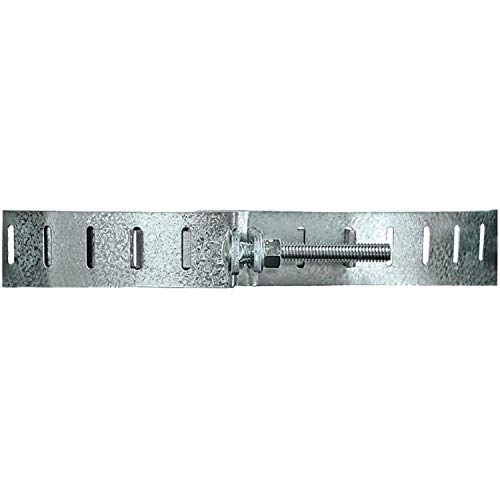
HoldRite QuickStrap for 120 Gallon Water Heater, Galvanized Steel, QS-120 : Automotive
View on AmazonEarthquakes: The Cascadia Subduction Zone and Seattle Fault are real concerns. Standard home insurance excludes earth movement. You can add earthquake coverage as an endorsement or buy a standalone policy from specialty carriers. Expect a separate percentage deductible (often 10%–25% of Coverage A). Consider retrofits like bolting and cripple-wall bracing — they can protect your home and may reduce quake premiums.
Wildfires: Eastern Washington, the Cascades, and some Puget Sound foothill communities face growing wildfire seasons. Standard home insurance covers fire and smoke damage. Insurers are looking closely at defensible space, roof class, vent screening, and proximity to burnable vegetation. Some offer credits for mitigation steps.
Windstorms: Strong wind events are common, especially near the coast and on islands. Home policies typically cover wind damage to roofs and siding. Percentage wind deductibles are less common in Washington than in hurricane states, but check your policy.
Flooding: Rivers like the Skagit, Snohomish, and Chehalis can overflow; urban flooding can happen with heavy rain. Flood is excluded on standard policies. Consider NFIP or private flood insurance if you’re near a floodplain or have a basement that’s taken on water before.
Landslides and mudslides: Often excluded as earth movement. If your home is on or below a steep slope, talk with a licensed agent about options; specialty markets sometimes offer limited coverage.
Volcanic ash: Loss from volcanic ash is typically covered as a form of airborne particulate damage, while lava flow or lava-caused earth movement is not. Keep receipts for professional cleanup.
Winter weather and ice dams: Snow load and ice dams can occur in mountain and plateau regions. Proper attic insulation and ice/water shield under your shingles can prevent losses (and premium hikes later).
How to compare home insurance quotes in Washington
The fastest way to see what you’d actually pay is to compare quotes from 3–5 carriers with the same inputs. Here’s how to do it right:
- Gather core details
- Square footage, year built, roof age/material, electrical/plumbing/heating updates
- Distance to a fire hydrant and fire station
- Any prior claims in the past 5 years
- Your desired deductible and liability limit
- Set consistent coverage targets
- Dwelling: Replacement cost estimate for a full rebuild (insurers use their own calculators)
- Personal property: Replacement cost on contents if available
- Liability: Many Washington homeowners choose $300,000–$500,000; consider $1 million if you have higher assets or a pool/trampoline
- Endorsements: Water backup ($5,000–$25,000), service line, equipment breakdown, extended replacement cost (+25%–50%)
- Score each quote on total value, not just price
- Deductible options and whether wind/hail or wildfire have special deductibles
- Replacement cost vs. actual cash value on both dwelling and contents
- Loss of use (ALE) limit and time cap
- Sub-limits on jewelry, bikes, tools, fine arts
- Claims service reputation and financial strength (AM Best rating)
- Ask Washington-specific questions
- Any wildfire mitigation discounts for defensible space, ember-resistant vents, or Class A roofs?
- Ordinance or law coverage limit — especially for older homes that may need code upgrades
- Availability and price of earthquake coverage (endorsement vs. standalone)
Example comparison: You’re in Spokane with a 1998 2,000 sq. ft. home insured for $450,000. You compare five carriers with a $1,000 deductible and $10,000 water backup. Quotes span $980 to $1,420 per year. The cheapest option uses ACV on personal property and only 10% ordinance or law; another $1,140 quote includes RCV on contents and 25% ordinance or law. In most cases, the latter is a better value for long-term protection.
Helpful walkthrough: Our statewide buyer’s guide explains coverages, quotes, and timing: Home Insurance Guide 2026 — Compare Quotes, Coverage & Costs
Call to action: Ready to see real numbers? Compare personalized quotes from 3–5 carriers side-by-side. It’s the fastest way to pinpoint your best mix of price and protection.
Discounts and bundling opportunities for Washington homeowners
Carriers active in Washington often offer these savings. Availability and amounts vary by insurer and by your home’s profile.
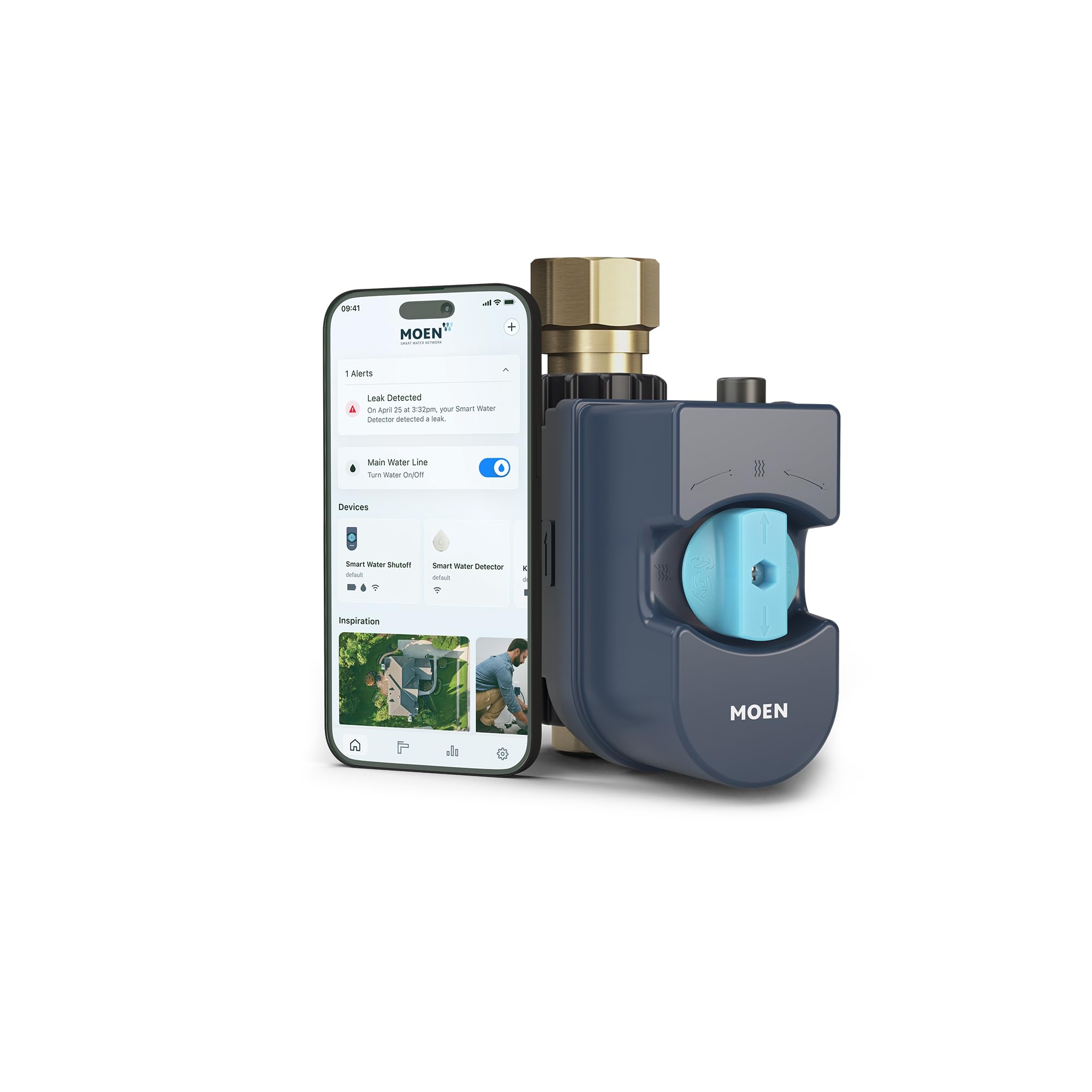
Moen Flo Smart Water Monitor and Automatic Shutoff Sensor, Wi-Fi Water Leak Detector for 3/4-Inch Diameter Pipe, 900-001 - Tub And Shower Faucets - Amazon.com
Moen Flo Smart Water Monitor and Automatic Shutoff Sensor, <strong>Wi-Fi Water Leak Detector for 3/4-Inch Diameter Pipe</strong>, 900-001 - Tub And Shower Faucets - Amazon.com
Check Price on Amazon- Multi-policy (bundle): Home + auto can shave 10%–25% off combined premiums in many cases. If you’re due to shop your auto policy too, start here. Washington drivers can also review this: Auto Insurance in Washington: Rates, Requirements & How to Save
- Protective devices: Central-station fire/burglar alarms, monitored water leak sensors, and smart shutoff valves can help.
- Roofing and updates: New Class A roof, upgraded electrical (modern breaker panel), updated plumbing (PEX/copper replacing old galvanized).
- Claims-free: Staying loss-free typically lowers your renewal premiums over time.
- Newer home credit: Homes built within the last 10–15 years often cost less to insure.
- Wildfire mitigation: Defensible space, screened attic/soffit vents, non-combustible siding, and cleared gutters may earn credits in higher-risk ZIP codes.
- Seismic retrofits (for earthquake policies): Bolting and bracing can reduce earthquake premiums with some specialty carriers.
- Paid-in-full, e-docs, or autopay: Small but easy discounts.
Tip: Ask your agent to run a “what-if” — one quote with a $1,000 deductible and another at $2,500. In many Washington ZIP codes, moving to $2,500 lowers premiums meaningfully. Only choose it if you can comfortably handle that out-of-pocket amount.
Filing a home insurance claim in Washington
When something happens, quick documentation and clear communication make a big difference.
- Make the home safe and prevent further damage
- Shut off water, cover roof openings with a tarp, board windows if needed.
- Keep receipts — reasonable emergency repairs are typically reimbursed.
- Document everything
- Take photos/video before cleanup if possible.
- Create a simple inventory list for damaged items (what, when purchased, estimated cost).
- Notify your insurer or agent promptly
- Provide the date/time, cause of loss, and visible damage.
- Ask about your deductible and whether the claim could impact your premium.
- Meet the adjuster and get estimates
- Walk them through the damage; share contractor estimates if you have them.
- Understand settlement terms: actual cash value (ACV) is paid first, and you typically receive the depreciation holdback once repairs are completed under replacement cost (RCV) terms.
- Use your loss of use benefits if needed
- If the home is uninhabitable, ask your adjuster about Additional Living Expenses for temporary housing and extra costs.
Washington maintains consumer-friendly standards for claims handling and timelines. If you feel stuck, you can escalate concerns directly with your insurer, your agent, or the Washington Office of the Insurance Commissioner for assistance. Check your policy for any specific deadlines around documentation and repair completion.
Best home insurance companies in Washington: how to choose
“Best” depends on your home, your risk profile, and which discounts you can actually use. Focus on fit and financial strength rather than a brand name alone. Here’s how to shortlist:
What to look for
- Financial strength: AM Best rating of A- or better
- Wildfire underwriting appetite if you’re near the WUI (wildland-urban interface)
- Strong options for water backup, service line, and extended replacement cost
- Replacement cost on personal property and robust loss of use limits
- Clear path to earthquake coverage (endorsement or a partnered specialty carrier)
- Responsive claims reputation in Washington
Carriers many Washington homeowners consider (availability varies by ZIP code)
- Regional/local: PEMCO, Mutual of Enumclaw, Oregon Mutual (serves parts of WA)
- National: State Farm, Allstate, Farmers, Nationwide, Travelers, Liberty Mutual/Safeco
- Military: USAA (for eligible members and families)
- Earthquake specialists: GeoVera, Palomar (standalone or through partner agents)
Pro tip: Ask your agent which carriers are actively writing in your neighborhood and how they treat wildfire mitigation and older-home code upgrades. The answer can change from year to year.
FAQ: common questions about Washington homeowners insurance
Is home insurance required in Washington? Not by law. But your lender will require it if you have a mortgage. Even without a mortgage, coverage protects you from major out-of-pocket losses.
Do I need earthquake insurance in Washington? If you live in the Puget Sound region, along the Cascades, or near known faults, consider it seriously. Earthquake is not included in standard policies; buy an endorsement or standalone policy. Deductibles are usually a percentage of your dwelling limit.
Is flood insurance necessary in Washington? If you’re in a Special Flood Hazard Area (SFHA), your lender will require flood insurance. Even outside mapped zones, heavy rain and urban drainage issues can cause flooding. Standard home insurance excludes flood; consider NFIP or private flood coverage.
Does homeowners insurance cover landslides or mudslides? Typically no — earth movement is excluded. Some specialty markets may offer limited options. If your home sits on or below a steep slope, speak with a licensed agent.
How much liability coverage should I carry? Many Washington homeowners choose $300,000–$500,000. If you have higher assets, a pool, short-term rentals, or frequent entertaining, consider $1 million and/or a separate umbrella policy.
What deductible should I pick? A higher deductible lowers your premium but raises your out-of-pocket cost during a claim. In many WA ZIP codes, $1,000–$2,500 is common. Choose an amount you could comfortably pay tomorrow.
Will wildfire risk make me uninsurable? In most cases, no — but underwriting is tighter in higher-risk areas. Mitigation (defensible space, ember-resistant vents, Class A roof) helps with both eligibility and price.
Can I bundle home and auto in Washington for a discount? Yes. Many carriers offer meaningful savings for bundling. If you haven’t shopped your auto in a while, it’s smart to do both together.
Your next step
- Get 3–5 quotes with the same coverage settings. That’s the fastest way to see your real price and which company fits your home best.
- Ask for Washington-specific endorsements: water backup, ordinance or law, extended replacement cost, and a path to earthquake protection.
- Not sure where to start? A licensed Washington agent can help you calibrate dwelling limits to local rebuild costs and surface discounts you might miss.
Friendly nudge: Compare personalized quotes now while details are fresh. Ten minutes here can save you hundreds over the next year — and get you better protection when it counts.
Recommended Resources
Insurance For Dummies?: Hungelmann, Jack
Whether you’re a homeowner or ... need on: ... Author Jack Hungelmann <strong>uses his twenty-five years of experience in the insurance industry to make buying insurance as simple as possible</strong>
Moen Flo Smart Water Monitor and Automatic Shutoff Sensor, Wi-Fi Water Leak Detector for 3/4-Inch Diameter Pipe, 900-001 - Tub And Shower Faucets - Amazon.com
Moen Flo Smart Water Monitor and Automatic Shutoff Sensor, <strong>Wi-Fi Water Leak Detector for 3/4-Inch Diameter Pipe</strong>, 900-001 - Tub And Shower Faucets - Amazon.com
HoldRite QuickStrap for 120 Gallon Water Heater, Galvanized Steel, QS-120 : Automotive
HOLDRITE WATER HEATER RESTRAINT STRAPS: Water heater earthquake/seismic restraint kits <strong>secure your water heater in the event of seismic activity</strong> · WHAT IS INCLUDED: The QuickStrap sys
Related Articles
- Auto Insurance in Washington: Rates, Requirements & How to Save
- Health Insurance in Washington: Plans, Costs & How to Enroll
- Home Insurance in Wisconsin: Coverage, Costs & Best Companies
- Home Insurance in Idaho: Coverage, Costs & Best Companies
- Home Insurance in Maryland: Coverage, Costs & Best Companies
- Home Insurance in Oregon: Coverage, Costs & Best Companies
- Home Insurance in Wyoming: Coverage, Costs & Best Companies
- Home Insurance in West Virginia: Coverage, Costs & Best Companies