
Auto Insurance in West Virginia: Rates, Requirements & How to Save
You’re shopping for auto insurance in West Virginia and want straight answers: What coverage do you actually need, what do most drivers pay, and how can you lower the bill without leaving yourself exposed? You’re in the right place. This guide breaks down West Virginia car insurance requirements in plain English, shows typical rate ranges, and gives you a practical game plan to compare quotes and save.
Quick note on rates: examples here are typical ranges, not guarantees. What you pay will depend on your age, vehicle, driving history, credit (where allowed), location, and the coverages and deductibles you choose.
Auto insurance in West Virginia: requirements and minimum coverage
West Virginia is an at-fault (tort) state. That means the driver who causes a crash is responsible for the damages. The state requires you to carry liability insurance (coverage that pays for others if you cause a crash) and uninsured motorist coverage (coverage that protects you if you’re hit by an uninsured driver).
Insurance for Dummies: Hungelmann, Jack
<strong>Manage life, health, and disability risks</strong> ― explore individual and group policies, understand Medicare basics, and evaluate long-term disability and long-term-care insurance ...
Check Price on AmazonHere are the minimum required limits, often written as numbers like 25/50/25:
- Bodily injury liability: $25,000 per person and $50,000 per accident. This pays for injuries you cause to others. Limits are per person and per accident.
- Property damage liability: $25,000 per accident. This pays for damage you cause to another person’s car or property.
- Uninsured motorist (UM) bodily injury: $25,000 per person and $50,000 per accident. This protects you and your passengers if an uninsured driver injures you.
- Uninsured motorist (UM) property damage: typically $25,000 per accident, often with a deductible (the amount you pay out of pocket before insurance pays) around $300. Deductibles and limits can vary by insurer.
Underinsured motorist (UIM) coverage, which protects you when the at-fault driver’s insurance isn’t enough to cover your injuries, must be offered by insurers in West Virginia. You can accept it or reject it in writing. Typically, it’s smart to add UIM because medical bills climb fast.
What the minimum actually covers — and what it doesn’t
The state minimum only pays others if you’re at fault, and it only protects you against uninsured drivers to limited amounts. It does not pay to repair or replace your own car after a crash you cause — that’s collision coverage (insurance that pays to repair or replace your car after a collision, minus your deductible). It also doesn’t cover non-crash damage like hail, theft, or deer strikes — that’s comprehensive coverage (insurance that covers non-collision damage like weather, fire, theft, vandalism, or hitting an animal, minus your deductible).
In most cases, 25/50/25 liability is not enough to protect your assets if there’s a serious crash. Many West Virginia drivers choose higher limits such as 100/300/100 to better protect savings, a home, or future wages from lawsuits.
Coverage most West Virginia drivers should consider
- Collision coverage: Covers your car after a crash you cause. Required by lenders if you have a loan or lease.
- Comprehensive coverage: Covers non-crash damage (hail, deer, theft, flood, fire). West Virginia ranks high for animal-collision claims, so comprehensive is often worth it even on older vehicles.
- Medical payments (MedPay): Pays medical bills for you and your passengers regardless of fault. It’s optional and can help with deductibles and copays.
- Underinsured motorist (UIM): Fills the gap if the other driver’s liability limits are too low to cover your injuries.
- Rental reimbursement: Helps pay for a rental while your car is in the shop after a covered loss.
- Gap coverage: If you owe more on a loan/lease than your car is worth, gap pays the “gap” if it’s totaled.
Average car insurance rates in West Virginia by age, vehicle, and driving record
These examples show typical ranges for West Virginia as of 2024. Your actual rate will vary by insurer and personal details.
Typical monthly premiums by coverage level
- Minimum required coverage: roughly $45–$80 per month for a clean driver in many West Virginia ZIP codes.
- Full coverage (commonly liability 100/300/100 plus collision and comprehensive with $500–$1,000 deductibles): roughly $120–$200 per month for a clean driver.
Rural areas may be on the lower end; more populated counties like Kanawha (Charleston), Monongalia (Morgantown), and Berkeley (Martinsburg) may be higher due to more traffic and higher repair costs.
By age (clean driving record, typical sedans)
- Teen driver on their own policy: $300–$500+ per month for full coverage. Adding a teen to a parent’s policy is usually cheaper.
- Early 20s: $170–$280 per month for full coverage; $70–$120 for minimum.
- 30s–50s: $120–$200 per month for full coverage; $45–$90 for minimum.
- 60s–70s: $130–$220 per month for full coverage; $50–$95 for minimum, with some increase at older ages.
By driving record (mid-30s, typical sedan)
- Clean record: $120–$200 per month full coverage.
- One at-fault accident: often +20% to +40% for 3–5 years.
- Speeding ticket (15 mph over): often +10% to +25% for 3 years.
- DUI: can more than double rates and may require an SR-22 filing (a certificate your insurer files with the state to prove you carry required insurance).
By vehicle
- Safe, non-luxury sedan (e.g., Toyota Camry): generally inexpensive to insure.
- Compact SUV (e.g., Subaru Forester): slightly more than sedans, often still affordable.
- Pickup (e.g., Ford F-150): varies by trim and usage; repair costs and theft rates can influence premiums.
- Sports or luxury vehicles: significantly higher due to repair costs and higher claim severity.
Real-world examples
- Say you’re a 35-year-old driver in Charleston with a clean record and a 2018 Honda CR-V. Full coverage with 100/300/100 limits and $500 deductibles might land around $145–$185 per month with a mainstream insurer, depending on discounts.
- A 22-year-old in Morgantown driving a 2016 Corolla with minimum coverage could see $75–$110 per month. The same driver with full coverage might pay $180–$260 per month.
Again, these are illustrative ranges. The fastest way to see what you would actually pay is to compare quotes from 3–5 carriers on the same day.
Factors that affect West Virginia auto insurance premiums
- Location: Rural ZIP codes in West Virginia may see lower rates; urbanized areas tend to have more claims and higher repair costs. Garaging your car off-street or in a garage can help.
- Driving record and mileage: Fewer tickets and accidents means better pricing. Lower annual miles typically reduce premiums.
- Vehicle type and cost to repair: Safety ratings, parts prices, and theft rates matter. Advanced driver-assistance features can help prevent crashes, but they can also be expensive to repair.
- Coverage selections and deductibles: Higher liability limits cost more, but protect better. Choosing a higher deductible (the amount you pay before insurance pays) on collision and comprehensive typically lowers premiums.
- Credit-based insurance score: In West Virginia, insurers can use credit-based insurance scores (a measure of how likely you are to file claims based on credit information) subject to state rules. Improving your credit generally helps over time.
- Claims history: Recent at-fault claims or frequent small claims can raise rates. Consider paying out of pocket for very minor damage if it’s below or near your deductible.
- Weather and wildlife: West Virginia drivers see hail, flooding in some areas, and very frequent deer collisions — all of which can increase comprehensive claims.
How to compare and get the cheapest auto insurance in West Virginia
The goal isn’t just the lowest price — it’s the right protection at a good price. Here’s how to shop smart.
What to look for when comparing quotes
- Liability limits: Aim for at least 100/300/100 if you own a home, have savings, or simply want stronger protection. The cost jump from state minimum to higher limits is often smaller than people think.
- Uninsured/Underinsured Motorist (UM/UIM): Match these to your liability limits when possible. They protect you and your family.
- Deductibles: Pick deductibles you can comfortably cover today (commonly $500–$1,000). Higher deductibles lower premiums but raise your out-of-pocket if you file a claim.
- Medical payments (MedPay): Even a small amount (e.g., $2,000–$5,000) can help with immediate medical bills after a crash.
- Telematics programs: Usage-based insurance tracks driving via an app or device and can reduce rates for consistent safe driving.
- Repair network and OEM parts: If you care about using original manufacturer parts or a specific shop, check each insurer’s policy.
- Claims reputation and local support: Look at customer reviews in West Virginia and ask body shops which insurers are easier to work with.
Step-by-step to get strong coverage at a lower price
- Gather your info: Driver’s license numbers, VINs, current coverages, average annual miles, and any tickets/claims.
- Decide your target coverage: For many, that’s 100/300/100 liability, UM/UIM to match, comprehensive/collision with a $500–$1,000 deductible, and MedPay.
- Get 3–5 quotes on the same day: Use at least one regional carrier and a few national brands. Quote the same limits and deductibles so you’re comparing apples to apples.
- Layer in discounts: Ask specifically about telematics, multi-policy (bundle with home or renters), good student, paperless, pay-in-full, and anti-theft device discounts.
- Check the fine print: Confirm towing, rental reimbursement, and glass coverage terms. Verify how claims are handled in West Virginia and whether you can choose your repair shop.
- Re-shop every 6–12 months or after life changes: Moving, adding a driver, improving credit, or paying off a loan can change your best option.
Call-to-action: Ready to see your number? The fastest way to find the cheapest auto insurance in West Virginia for your situation is to compare personalized quotes from 3–5 carriers. A licensed agent can help fine-tune coverages so you don’t overpay for protection you don’t need.
West Virginia-specific discounts and savings opportunities
Most insurers offer a similar base set of discounts, but availability and the size of the discount vary by company and, in some cases, by county.
- Safe driver and telematics: Enrolling in a usage-based program and maintaining consistent safe driving can produce sizeable savings over time.
- Multi-policy and multi-vehicle: Bundling home, condo, or renters with auto typically knocks 10%–25% off one or both policies.
- Good student and distant student: For full-time students with good grades or those who attend school far from home without a car.
- Defensive driving or mature driver courses: Many companies offer a discount if you complete an approved course, especially for drivers age 55+. Ask your insurer for program specifics.
- Anti-theft and safety features: Alarms, immobilizers, and advanced safety tech can help, especially on comprehensive coverage.
- Pay-in-full, paperless, auto-pay: Administrative discounts that add up.
- Low mileage: If you drive significantly less than average, ask about a low-mileage or pay-per-mile option.
Pro tip: When you get quotes, specifically ask the agent or the online tool, “Which discounts am I eligible for, and what would it take to qualify for more?” It’s common to leave money on the table because a discount isn’t automatically applied.
Filing a claim in West Virginia: what to expect
If you’re in a crash in West Virginia, here’s a simple roadmap.
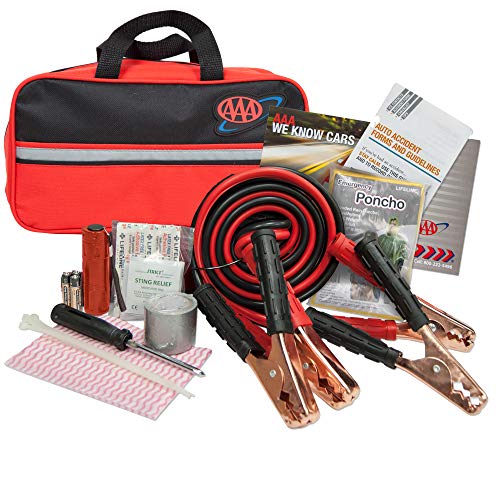
Lifeline AAA Premium Road Kit, 42 Piece Emergency Car Kit with Jumper Cables, Flashlight and First Aid Kit,4330AAA,Black : Everything Else
View on Amazon
Garmin Dash Cam 57, 1440p and 140-degree FOV, Monitor Your Vehicle While Away w/New Connected Features, Voice Control, Compact and Discreet, Includes Memory Card : Electronics
View on Amazon- Safety first: Move to a safe spot, check for injuries, and call 911 if anyone is hurt or vehicles are disabled.
- Document the scene: Exchange information, take photos of damage, the scene, and road conditions, and collect witness contacts if available.
- Police report: If there are injuries, a fatality, or significant property damage (often $1,000 or more), you generally need to contact law enforcement. If an officer doesn’t respond, ask your insurer how to file a report.
- Notify your insurer promptly: Most policies require you to report potential claims quickly. This preserves your rights and speeds up repairs.
- Get an estimate and choose a shop: Your insurer may suggest preferred shops, but you can typically choose your own. Ask about parts (OEM vs. aftermarket) and warranty on repairs.
- Pay your deductible: For collision or comprehensive claims, you’ll pay your deductible, and the insurer covers the rest up to your policy limits.
State-specific notes:
- Comparative negligence: West Virginia follows a modified comparative negligence rule. If you’re 50% or less at fault, you can typically recover damages reduced by your percentage of fault. If you’re more than 50% at fault, you generally can’t recover from the other party.
- Statute of limitations: You typically have two years from the accident date to file a lawsuit for bodily injury or property damage.
- Uninsured motorist claims: If you’re hit by an uninsured driver or a hit-and-run, your UM coverage can step in. Report hit-and-runs to police promptly.
- Deer and wildlife: Hitting an animal is usually a comprehensive claim, not collision. If you can safely avoid the animal, that’s best — but never swerve into oncoming traffic.
FAQ: common questions about West Virginia car insurance
Q: Is West Virginia a no-fault state? A: No. West Virginia is an at-fault state. The driver who causes a crash is responsible for damages, and claims are typically handled through the at-fault driver’s liability insurance.
Q: What is the minimum car insurance required in West Virginia? A: At least 25/50/25 liability and uninsured motorist coverage at the same bodily injury limits (25/50) plus UM property damage. Optional underinsured motorist (UIM) must be offered and can be declined in writing.
Q: How much does auto insurance in West Virginia cost on average? A: For many clean-driving adults, minimum coverage might run $45–$80 per month, and full coverage $120–$200 per month, depending on your ZIP code, vehicle, and discounts. Rates vary by person and insurer.
Q: Does my credit affect my premium in West Virginia? A: In most cases, yes. Insurers in West Virginia can use credit-based insurance scores subject to state rules. Improving credit over time usually helps lower rates.
Q: Do I need SR-22 insurance in West Virginia after a DUI or lapse? A: Some violations, like a DUI or driving without insurance, may require an SR-22 filing (proof of financial responsibility) to reinstate your license. The filing itself is inexpensive, but the violation can significantly raise your premium. Your insurer or a licensed agent can confirm requirements for your situation.
Q: Should I carry more than the minimum coverage? A: Typically yes, especially if you have assets to protect. Medical costs and vehicle prices are high, and 25/50/25 can be exhausted quickly. Many drivers choose 100/300/100 plus UM/UIM and comprehensive/collision.
Q: What if I only drive a few thousand miles a year? A: Ask about low-mileage discounts or usage-based programs. In some cases, pay-per-mile insurance can make sense for very low-mileage drivers.
Q: Are deer collisions common in West Virginia — and is that covered? A: Yes, deer claims are common. Hitting an animal is generally a comprehensive claim, subject to your comprehensive deductible. If you swerve and hit another car or a tree, that’s usually a collision claim.
Q: What happens if I’m caught driving without insurance? A: Penalties can include fines, license and registration suspension, and fees to reinstate — and you may need an SR-22. Keeping continuous coverage helps you avoid penalties and usually keeps rates lower.
—
Need help tailoring coverage to your situation? A quick conversation with a licensed agent can surface discounts you’re missing and ensure your UM/UIM and liability limits are set right for your budget.
Next step: Compare quotes from 3–5 insurers with the same limits and deductibles. It’s the fastest way to see what you would actually pay for auto insurance in West Virginia — and to find the best mix of price and protection.
Recommended Resources
Insurance for Dummies: Hungelmann, Jack
<strong>Manage life, health, and disability risks</strong> ― explore individual and group policies, understand Medicare basics, and evaluate long-term disability and long-term-care insurance ...
Garmin Dash Cam 57, 1440p and 140-degree FOV, Monitor Your Vehicle While Away w/New Connected Features, Voice Control, Compact and Discreet, Includes Memory Card : Electronics
Buy Garmin Dash Cam 57, 1440p and 140-degree FOV, Monitor Your Vehicle While Away w/New Connected Features, Voice Control, Compact and Discreet, Includes Memory Card: On-Dash Cameras - Amazon.com ✓ FR
Lifeline AAA Premium Road Kit, 42 Piece Emergency Car Kit with Jumper Cables, Flashlight and First Aid Kit,4330AAA,Black : Everything Else
Amazon.com: <strong>Lifeline AAA Premium Road Kit</strong>, 42 Piece Emergency Car Kit with Jumper Cables, Flashlight and First Aid Kit,4330AAA,Black : Everything Else
Related Articles
- Home Insurance in West Virginia: Coverage, Costs & Best Companies
- Auto Insurance in Virginia: Rates, Requirements & How to Save
- Auto Insurance in Vermont: Rates, Requirements & How to Save
- Auto Insurance in Wyoming: Rates, Requirements & How to Save
- Health Insurance in West Virginia: Plans, Costs & How to Enroll
- Auto Insurance in Montana: Rates, Requirements & How to Save
- Auto Insurance in Washington: Rates, Requirements & How to Save
- Auto Insurance in South Dakota: Rates, Requirements & How to Save