
Home Insurance in Virginia: Coverage, Costs & Best Companies
You want straight answers on home insurance in Virginia: what it actually covers, what a fair price looks like along the coast vs. inland, and how to pick a company that will show up when a nor’easter or hurricane does. Let’s walk through what matters in Virginia—so you can buy confidently and skip the headaches later.
1) Virginia homeowners insurance requirements and typical coverage
There’s no state law that requires home insurance in Virginia, but your mortgage lender almost certainly will. Even if your home is paid off, a policy protects your biggest asset from fire, wind, theft, and lawsuits.
Insurance for Dummies: Hungelmann, Jack
<strong>Manage life, health, and disability risks</strong> ― explore individual and group policies, understand Medicare basics, and evaluate long-term disability and long-term-care insurance ...
Check Price on AmazonMost Virginians carry an HO-3 policy (the standard homeowners policy). Here’s what’s typically included, with the jargon translated:
- Dwelling (Coverage A): Pays to rebuild your home itself after a covered loss. The limit should match your home’s rebuild cost (the labor and materials to reconstruct), which is different from market value.
- Other Structures (Coverage B): Covers things not attached to the house—fences, sheds, detached garages—often 10% of Coverage A by default.
- Personal Property (Coverage C): Your stuff—furniture, clothes, electronics. You can choose actual cash value (today’s depreciated value) or replacement cost (what it takes to buy new today). Replacement cost is usually worth the small extra premium.
- Loss of Use (Coverage D): Pays for temporary living costs if you can’t stay home after a covered claim—hotel, short-term rentals, extra food costs.
- Personal Liability (Coverage E): Protects you if you’re sued for injuries or property damage you accidentally cause—think a guest slips on your steps. Many homeowners carry $300,000–$500,000; higher limits are usually just a few dollars more per month.
- Medical Payments to Others (Med Pay): Small no-fault coverage (often $1,000–$5,000) for minor injuries to guests, regardless of who’s at fault.
Popular endorsements (add-ons) in Virginia:
- Water backup: Covers damage if a drain, sewer, or sump pump backs up. Not included by default.
- Ordinance or law: Pays the extra to bring older homes up to current building code after a covered loss—important for historic areas like Richmond or coastal retrofits.
- Extended or guaranteed replacement cost: Adds a cushion (often 25%–50%) above your dwelling limit if rebuilding runs higher than expected.
- Service line coverage: Pays to repair underground pipes and wiring on your property.
- Equipment breakdown: Covers sudden failure of systems like HVAC or major appliances, different from a home warranty.
- Scheduled personal property: Higher-value items—jewelry, art, firearms—can be specifically listed for full coverage.
Two big things a standard policy does not cover:
- Flood: Rising groundwater is excluded. You’ll need a separate flood policy from the NFIP or a private insurer, especially important in Hampton Roads and riverfront areas.
- Earthquake: Virginia has a modest seismic risk; quake coverage is available as a separate endorsement or policy.
Want a broader refresher on the building blocks of a homeowners policy? See What Does Home Insurance Cover? (/home-insurance/what-does-home-insurance-cover)
2) Average home insurance costs in Virginia by home value and location
Rates vary widely based on where you live, your home’s rebuild cost, roof age, prior claims, and your insurance score (a credit-based factor many carriers use in most states). Virginia’s statewide premiums are typically lower than hurricane-heavy states like Florida, but coastal ZIP codes still see higher wind-related pricing.
Here are illustrative ranges (not quotes) we see for home insurance in Virginia. Your actual premium will vary by carrier and your details.
By home value (rebuild cost), typical annual ranges:
- $200,000 home: $900–$1,400 inland; $1,200–$1,800 coastal
- $300,000 home: $1,100–$1,700 inland; $1,500–$2,400 coastal
- $500,000 home: $1,800–$2,800 inland; $2,500–$4,000 coastal/high wind
By area, typical annual ranges for a well-maintained, claim-free home with a standard deductible:
- Virginia Beach / Norfolk / Chesapeake (Tidewater): $1,600–$2,800+
- Hampton / Newport News: $1,500–$2,600
- Richmond metro: $1,200–$1,900
- Northern Virginia (Fairfax, Arlington, Loudoun): $1,400–$2,400 (higher rebuild costs drive rates)
- Roanoke / New River Valley / Shenandoah: $1,000–$1,600
Examples to ground it:
- A 1975 ranch in Richmond with $350,000 dwelling coverage, a $1,000 deductible (the amount you pay out of pocket before insurance kicks in), and no prior claims might see $1,300–$1,700 per year across multiple carriers.
- A 2018 colonial in Loudoun County with a $600,000 rebuild cost and replacement cost on contents might land in the $1,900–$2,700 range.
- A Virginia Beach home with $400,000 dwelling coverage and a 2% hurricane deductible (more on this below) might run $2,200–$3,400 depending on roof age and wind exposure.
Again, these are directional. The fastest way to see what you would actually pay is to compare quotes from 3–5 carriers side by side.
3) Virginia-specific risks: natural disasters, weather, and regional factors
Virginia weather is a mixed bag, and your policy should reflect the risks where you live.
- Hurricanes and tropical storms: Coastal and Tidewater areas face wind, hail, and storm surge. Many policies include a separate hurricane or named-storm deductible—often 1%–5% of your dwelling limit, applied only when a storm meeting your policy’s definition affects Virginia. Read the trigger language; “named storm” vs. “hurricane” can change when the higher deductible applies.
- Nor’easters and severe thunderstorms: Wind-driven rain and prolonged power outages are common. Damage from wind is usually covered; flood from rising water is not.
- Flooding: Along the coast, tidal rivers, and low-lying inland areas, flood risk is a real concern. Consider a flood policy even outside FEMA Special Flood Hazard Areas; a significant share of flood claims occur in moderate-risk zones.
- Winter weather and ice: Heavy, wet snow, ice dams, and burst pipes show up most winters. Insurers expect you to maintain heat and reasonable care; failure to do so can complicate claims.
- Tornadoes and hail: Less frequent than the Plains states, but Virginia sees severe convective storms each spring and summer. Roof condition and materials (impact-resistant shingles) matter for underwriting and pricing.
- Earthquakes: Rare but possible, especially near the Central Virginia Seismic Zone. Earthquake endorsements are affordable for many inland homes.
- Older homes and code upgrades: Richmond’s historic housing and coastal retrofits can trigger expensive code requirements after a loss—ordinance or law coverage helps bridge that gap.
Coastal nuances to watch for:
- Separate wind or hail deductibles for coastal ZIPs.
- Roof age and type are heavily scrutinized; a newer, well-installed roof can materially lower your premium.
- Some carriers limit new business close to the shoreline; you may need a coastal-savvy insurer or the Virginia FAIR Plan as a last resort if you’ve been nonrenewed or declined. The FAIR Plan offers basic coverage; many homeowners still prefer a standard market policy if available.
4) How to compare home insurance quotes in Virginia
Here is what actually matters when choosing a policy—and how to compare apples to apples.
- Match coverage limits first, then compare price. Set the same dwelling limit, personal property, loss of use, liability, and deductibles across quotes before judging price.
- Confirm replacement cost on contents. Replacement cost coverage pays to buy new items today; actual cash value deducts for age and wear.
- Check your wind/hurricane deductible. Is it a flat dollar amount or a percentage of Coverage A? A 2% hurricane deductible on a $400,000 home equals $8,000 out of pocket for a qualifying wind claim.
- Look for water protections. Water backup and sump discharge coverage is inexpensive and saves a lot of grief. Ask about mold sublimits.
- Evaluate endorsements that fit Virginia homes. Ordinance or law for older homes, service line for tree-lined neighborhoods, and extended replacement cost for rebuild cost volatility.
- Understand how roof claims are settled. Some carriers offer actual cash value for older roofs—meaning you won’t get full replacement—unless you buy a better endorsement.
- Vet financial strength and claims reputation. AM Best ratings and consumer reviews matter; so does a carrier’s coastal underwriting experience.
What to look for in the “best” companies in Virginia:
- Coastal capability: Comfortable writing in Tidewater with clear hurricane deductible language and options.
- Competitive inland pricing: Balanced rates for Richmond, Northern Virginia, and Shenandoah markets.
- Strong bundling credits: Home + auto discounts can materially change the math.
- Flexible endorsements: Good menu for water backup, service line, equipment breakdown, and extended replacement cost.
- Responsive claims: 24/7 reporting, local adjusters after major storms, and clear communication on depreciation/holdbacks.
If you want a step-by-step walkthrough before you shop, our Home Insurance Guide 2026 — Compare Quotes, Coverage & Costs (/home-insurance/home-insurance-guide-2026) explains how to choose limits and line up quotes the right way.
Call-to-action: The fastest way to see what you’d actually pay for home insurance in Virginia is to compare quotes from 3–5 carriers. Get personalized quotes with identical limits and deductibles, then use the checklist above to pick the strongest value—not just the lowest price.
5) Discounts and bundling opportunities for Virginia homeowners
You shouldn’t leave easy savings on the table. Ask about:

SimpliSafe 10 Piece Wireless Home Security System with Outdoor Camera- Optional 24/7 Professional Monitoring - No Contract - Compatible with Alexa and Google Assistant : Electronics
View on Amazon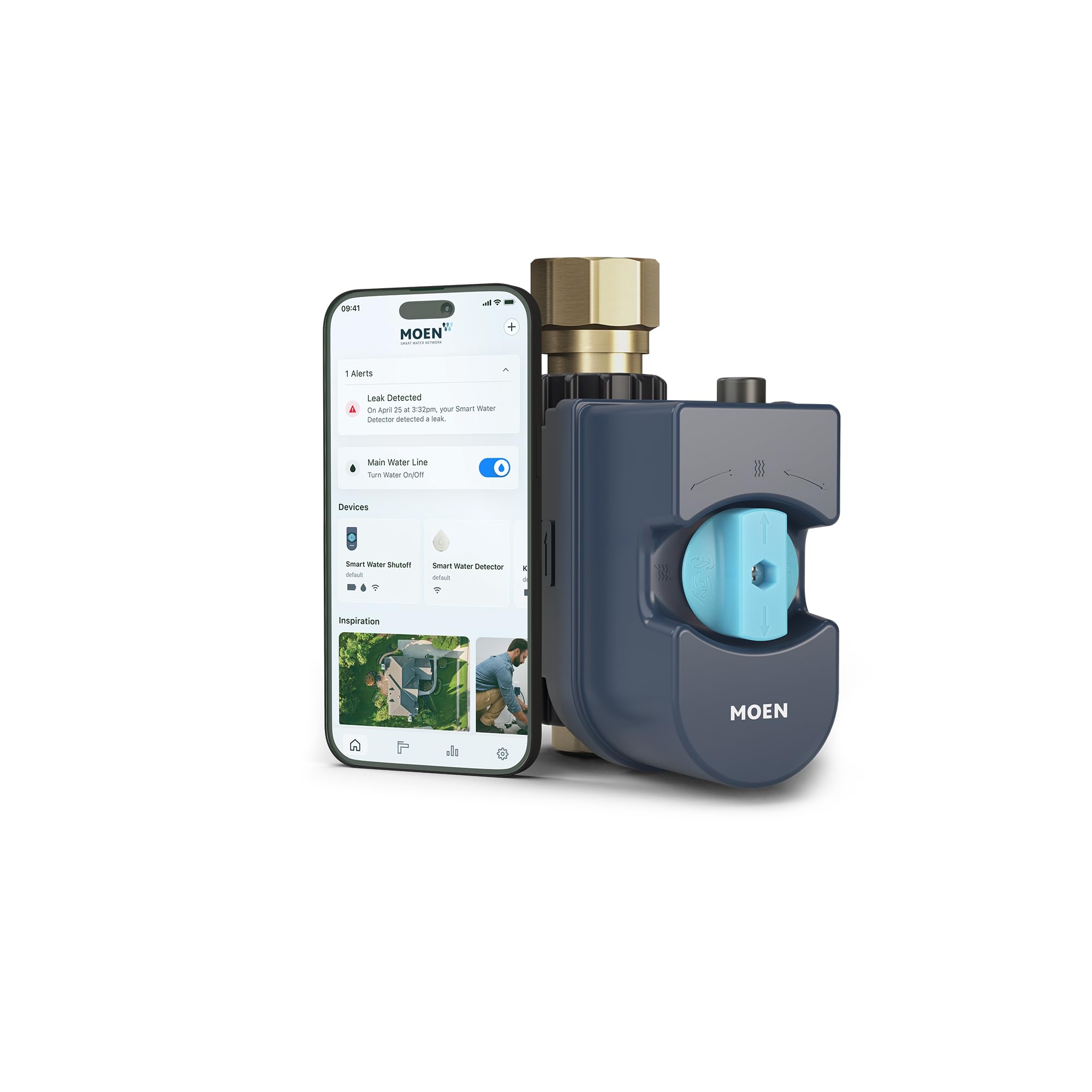
Moen Flo Smart Water Monitor and Automatic Shutoff Sensor, Wi-Fi Water Leak Detector for 3/4-Inch Diameter Pipe, 900-001 - Tub And Shower Faucets - Amazon.com
View on Amazon- Multi-policy (bundling): Home + auto is the big one. In many Virginia ZIP codes, bundling delivers the largest single discount. If you’re shopping auto too, see Auto Insurance in Virginia: Rates, Requirements & How to Save (/auto-insurance/auto-insurance-in-virginia-rates-requirements-save).
- Protective devices: Central station fire/burglar alarms, monitored smoke detectors, smart water shutoff valves.
- Newer or updated roof: Impact-resistant shingles and roof age under 10–15 years commonly help.
- New home or renovation credits: Newer systems (wiring, plumbing, HVAC) reduce risk.
- Claims-free and loyalty: Staying claim-free and with the same carrier may reduce premiums over time.
- Pay-in-full and auto-pay: Small but easy wins.
- FORTIFIED Roof or wind mitigation: While not as formalized as in Florida, some carriers credit roofs built or retrofitted to stronger wind standards. Bring documentation.
- Gated community or HOA maintenance: Occasionally recognized by certain carriers.
Pro tip: If a big bundling credit masks a weak home policy (poor roof coverage, restrictive water terms), don’t force it. A great home policy with a different carrier can still be the smarter long-run value.
6) Filing a home insurance claim in Virginia
When you need the policy to work, speed and documentation are your friends.
Secure safety and prevent further damage. Shut off water, board windows, tarp the roof. Keep receipts—these “reasonable repairs” are typically covered.
Report the claim promptly. Call your carrier or use their app/portal. Note your claim number and the deductible that will apply. If a hurricane or named storm triggered a special deductible, the adjuster will confirm.
Document everything. Take photos and video of all damage before cleanup. Make a list of damaged items with model/serial numbers where possible.
Get repair estimates. Reputable, licensed Virginia contractors only. Beware of door-to-door storm chasers and be cautious with any “assignment of benefits” contracts that hand over your claim rights.
Understand payment stages. Many policies pay actual cash value first, then release the “recoverable depreciation” after you complete repairs—especially for roofs and big-ticket items.
Track additional living expenses. Keep itemized receipts for hotels, short-term rentals, meals above your normal spend, pet boarding—Loss of Use can reimburse these if your home is uninhabitable due to a covered loss.
Flood vs. wind: If you have separate flood insurance, open that claim too. Wind damage (covered by home insurance) and flood (covered by flood insurance) are handled separately.
Escalate if needed. If you hit a roadblock, ask for a claim supervisor. You can also consult a licensed Virginia public adjuster (verify licensing with the Virginia Bureau of Insurance) or seek guidance from the Bureau on consumer rights.
Time-sensitive tip for storms: Carriers often set up catastrophe response centers after major events in Hampton Roads and along the coast. Visiting one can speed inspections and payments.
7) FAQ: common questions about Virginia homeowners insurance
Is home insurance required in Virginia? Not by state law. Lenders require it if you have a mortgage. Even without a loan, going uninsured can be financially devastating.
Do I need flood insurance? If you’re in a FEMA high-risk flood zone or near tidal rivers/streams, strongly consider it. Many flood claims occur outside high-risk zones; pricing is often reasonable for moderate-risk areas.
How do hurricane or named-storm deductibles work? They’re usually a percentage (1%–5%) of your dwelling limit and only apply when the policy’s definition of a named storm or hurricane affects Virginia. Read the trigger language in your declarations and endorsements.
What liability limit should I choose? Many homeowners choose $300,000–$500,000. If you have higher assets or a pool/trampoline, consider higher limits or an umbrella policy for extra liability (an add-on policy that sits over home and auto).
Will my roof be covered at full replacement? It depends. Some policies pay replacement cost for newer roofs but only actual cash value for older ones unless you add an endorsement. Ask specifically how your roof would be settled today.
Are short-term rentals (Airbnb/VRBO) covered? Standard homeowners policies typically exclude business activities. You may need an endorsement or a landlord/short-term rental policy—tell your agent if you host.
How much dwelling coverage do I need? Enough to rebuild your home with today’s labor and material costs, not the home’s purchase price. Your insurer’s replacement cost estimator is a starting point; review it for accuracy.
What if I’m nonrenewed or can’t find coverage on the coast? A knowledgeable independent agent can help you find coastal-friendly carriers. As a last resort, the Virginia FAIR Plan offers basic property coverage for homeowners who can’t secure a policy in the standard market.
Will a security system lower my rate? Often yes, especially if it’s centrally monitored for fire and burglary. Smart water shutoffs can also earn credits with some carriers.
A quick word on “best companies” in Virginia
The “best” carrier is the one that prices your specific home fairly and stands up in a claim. In Virginia, we like to see:
- Strong inland and coastal appetites, with transparent hurricane deductible options
- Replacement cost on personal property and fair roof settlement terms
- Robust water backup and service line endorsements
- Solid bundling credits without sacrificing coverage quality
- High financial strength ratings and responsive claim service after severe weather
A practical approach: get at least one quote from a coastal-savvy carrier (especially in Tidewater), one from a large national with strong bundling, and one from an independent agent who can shop regional mutuals. Compare coverage apples-to-apples.
Your next step
You’re now dangerous in the best way—clear on coverage, deductibles, and Virginia’s weather realities. The smartest move from here is to see real numbers for your address.
- Compare quotes from 3–5 carriers with the same limits and deductibles
- Ask for replacement cost on contents, water backup, and ordinance or law
- Review wind/hurricane deductible language before you bind
Helpful resource if you want a quick checklist before you start: Home Insurance Guide 2026 — Compare Quotes, Coverage & Costs (/home-insurance/home-insurance-guide-2026).
Call-to-action: Get personalized quotes now. It takes about 10 minutes, and seeing side-by-side options is the fastest way to find stronger coverage for a fair price.
Note: For tailored advice about your home, roof, flood zone, and coverage limits, speak with a licensed Virginia insurance agent. Rates and eligibility vary by carrier, location, home features, and your insurance history.
Recommended Resources
Insurance for Dummies: Hungelmann, Jack
<strong>Manage life, health, and disability risks</strong> ― explore individual and group policies, understand Medicare basics, and evaluate long-term disability and long-term-care insurance ...
Moen Flo Smart Water Monitor and Automatic Shutoff Sensor, Wi-Fi Water Leak Detector for 3/4-Inch Diameter Pipe, 900-001 - Tub And Shower Faucets - Amazon.com
Moen Flo Smart Water Monitor and Automatic Shutoff Sensor, <strong>Wi-Fi Water Leak Detector for 3/4-Inch Diameter Pipe</strong>, 900-001 - Tub And Shower Faucets - Amazon.com
SimpliSafe 10 Piece Wireless Home Security System with Outdoor Camera- Optional 24/7 Professional Monitoring - No Contract - Compatible with Alexa and Google Assistant : Electronics
Amazon.com: SimpliSafe 10 Piece Wireless Home Security System with Outdoor Camera- Optional 24/7 Professional Monitoring - No Contract - <strong>Compatible with Alexa and Google Assistant</strong> : E
Related Articles
- Auto Insurance in Virginia: Rates, Requirements & How to Save
- Home Insurance in West Virginia: Coverage, Costs & Best Companies
- Home Insurance in North Carolina: Coverage, Costs & Best Companies
- Health Insurance in Virginia: Plans, Costs & How to Enroll
- Home Insurance in Vermont: Coverage, Costs & Best Companies
- Home Insurance in Maryland: Coverage, Costs & Best Companies
- Home Insurance in Rhode Island: Coverage, Costs & Best Companies
- Home Insurance in Nevada: Coverage, Costs & Best Companies