
Health Insurance in West Virginia: Plans, Costs & How to Enroll
You’re shopping for health insurance in West Virginia and the numbers feel all over the place. Which plans are actually worth it? How much should a 40-year-old pay here? And when can you enroll without a penalty? Here’s what actually matters, explained in plain English—so you can choose confidently and avoid the fine print gotchas.
Note: This guide focuses on the individual and family market (the plans you buy on your own). If you get coverage through an employer, some of the tips still apply.
Health insurance options in West Virginia
West Virginians typically have four paths to coverage. The right one depends on your income, household size, and whether you have access to an employer plan.
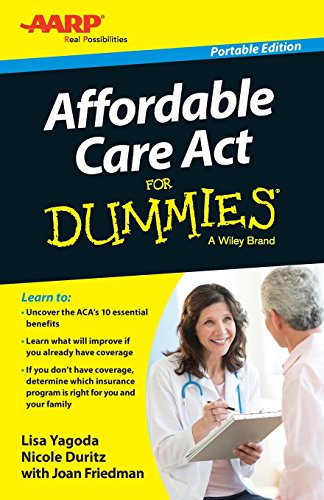
Affordable Care Act For Dummies (For Dummies Series)
<strong>This easy-to-read guide sets out the key consumer protections the ACA has put in place to help you get the most out of your health coverage and get financial help with some of the costs</stron
Check Price on Amazon- Marketplace (ACA) plans: These are Affordable Care Act–compliant plans you can shop for on HealthCare.gov. They cover the 10 essential health benefits (a federally defined list that includes hospital, prescription, maternity, mental health, and more), cap your out-of-pocket costs each year, and can qualify for federal financial help.
- Medicaid: No- or low-cost coverage based on income and household size. West Virginia expanded Medicaid, so many adults qualify up to 138% of the federal poverty level (FPL). Children and pregnant people can often qualify at higher income levels.
- Employer-sponsored plans: If your employer offers coverage that’s considered affordable and meets minimum standards, you typically won’t qualify for marketplace subsidies (discounts). You can still compare costs, but most people stick with employer coverage if it’s available and reasonably priced.
- Private/off-exchange and short-term plans: Off-exchange ACA plans can look the same as marketplace plans, just purchased directly from an insurer. Short-term policies are different—they’re cheaper but usually don’t cover pre-existing conditions and can exclude key benefits. They’re a temporary safety net, not a long-term solution.
Who sells marketplace plans in WV? In most counties you’ll typically see a small lineup (often two insurers). Networks are commonly HMO (you pick a primary doctor and need referrals) or EPO (no referrals, but no out-of-network coverage except emergencies). PPOs (broader networks, some out-of-network coverage) are less common and usually cost more.
If you’re also reviewing your protection in the Mountain State, see our West Virginia guides for home and auto coverage:
- Home Insurance in West Virginia: Coverage, Costs & Best Companies
- Auto Insurance in West Virginia: Rates, Requirements & How to Save
Average health insurance premiums in West Virginia by plan type and age
Let’s set expectations. Unsubsidized (before any discounts) premiums in West Virginia tend to be higher than the national average. Your actual price depends on county, age, tobacco status, plan type, and whether you qualify for subsidies.
Here’s a ballpark look at monthly premiums for a 40-year-old buying their own coverage in WV (unsubsidized):
- Bronze plans (lower monthly premium, higher deductible): typically $450–$650
- Silver plans (middle ground; the only plans with extra cost-sharing help if you qualify): typically $600–$850
- Gold plans (higher monthly premium, lower out-of-pocket costs): typically $750–$1,050
Age-based pricing follows a federal curve. Rough multipliers versus a 40-year-old’s price:
- 21-year-old: about 0.64x
- 30-year-old: about 0.95x
- 50-year-old: about 1.56x
- 60-year-old: about 2.14x
Example: If a 40-year-old silver plan is $700 before subsidies, a 21-year-old might pay around $450 and a 60-year-old around $1,500—again, before any financial help.
The good news: Many West Virginians qualify for sizable subsidies (discounts) that can reduce the monthly cost dramatically. Since 2021, enhanced federal subsidies have made plans more affordable for both lower- and middle-income households, and those enhancements are currently available through 2025.
Quick definitions you’ll see:
- Deductible: What you pay out of pocket each year before the plan starts sharing costs.
- Copay: A flat dollar amount you pay for a service, like $40 for a primary care visit.
- Coinsurance: A percentage of the cost you pay after you meet your deductible, like 20%.
- Out-of-pocket maximum (OOP max): The most you’ll pay in a year for covered, in-network care; the plan covers 100% after you hit this cap.
West Virginia Medicaid eligibility and enrollment
West Virginia has expanded Medicaid, which means more adults qualify based on income.
Who typically qualifies:
- Adults (19–64): Up to 138% of the federal poverty level (FPL). That’s roughly $20,800/year for a single adult or about $43,000/year for a family of four (using recent FPL guidelines; exact amounts update annually).
- Children: Kids often qualify at higher income levels than adults through Medicaid or WVCHIP (the state’s Children’s Health Insurance Program). Many middle-income families are surprised their kids qualify at low or no cost.
- Pregnant people: Often covered at higher income thresholds during pregnancy and a postpartum period.
- People with disabilities and seniors: May qualify through different pathways and programs, sometimes with asset tests.
How to enroll: You can apply for Medicaid or WVCHIP year-round online, by phone, or in person. If you’re unsure which program you may qualify for, applying through HealthCare.gov during open enrollment will also screen you for Medicaid and CHIP automatically.
Tip: If your income fluctuates (seasonal work, overtime, etc.), apply anyway. Even if you don’t qualify today, you might later in the year—and Medicaid and CHIP can start as soon as the month you qualify.
West Virginia health insurance marketplace: open enrollment and special periods
West Virginia uses HealthCare.gov. Here are the key windows:
- Open Enrollment (OEP): Typically November 1 to January 15. Enroll by December 15 for coverage starting January 1. If you enroll December 16–January 15, coverage typically starts February 1.
- Special Enrollment Periods (SEP): You can enroll or change plans mid-year if you have a qualifying life event, like losing other coverage, moving to WV, getting married, having a baby, or your income changing enough to newly qualify for help. Deadlines are usually 60 days from the event.
- Low-income SEP: If your household income is at or below 150% FPL and you qualify for premium tax credits, HealthCare.gov generally allows you to enroll at any time of year.
- American Indian/Alaska Native enrollees: If you’re eligible for marketplace coverage, you can switch plans up to once per month.
What you’ll see on HealthCare.gov in WV: A handful of insurers, often HMO/EPO networks, with multiple “metal tiers.” Metal tiers are shorthand for how you split costs with the insurer:
- Bronze: Lower premiums, higher deductibles. Good for “I rarely go to the doctor and want catastrophic protection.”
- Silver: Middle premiums, middle deductibles. If you qualify for cost-sharing reductions (extra help explained below), you must choose a silver plan to get them.
- Gold: Higher premiums, lower out-of-pocket costs. Good for people who use care regularly.
How to compare and choose the best health plan in West Virginia
Here’s the quickest way to compare plans without getting lost in the weeds.
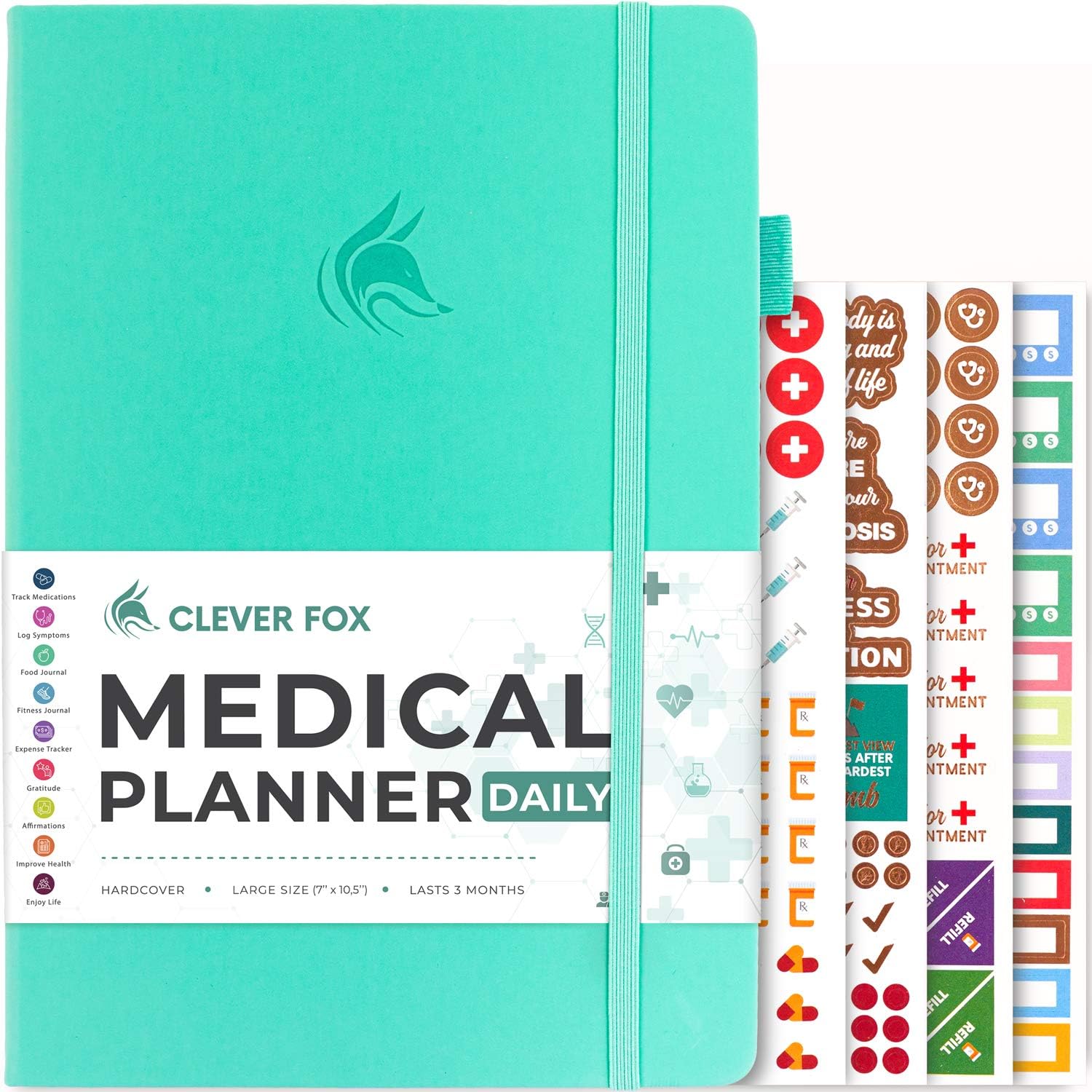
Clever Fox Medical Planner Daily – Health Diary Notebook, Wellness Journal & Self-Care Logbook, Lasts 3 Months, 7x10.5″ (Light Pink)
AN EASY WAY TO MONITOR YOUR HEALTH: Clever Fox Daily Medical Planner is <strong>an easy-to-use daily medical notebook</strong>, helpful for anyone dealing with a chronic condition or caring for sick,
Check Price on Amazon- Confirm your doctors and hospitals are in-network
- Network type matters. HMO (primary care gatekeeper and referrals) and EPO (no referrals but no out-of-network coverage except emergencies) are common in WV.
- Call your doctor’s office or use the insurer’s provider lookup to confirm the exact plan name is in-network. Rural West Virginia often has narrower networks—double-check before you buy.
- Price the plan you’ll actually use
- Look beyond the monthly premium. Check the deductible (what you pay first), copays/coinsurance (your share after deductible), and the out-of-pocket maximum (your annual cap). If you have ongoing prescriptions or specialist visits, a slightly higher premium with lower copays can be cheaper overall.
- Check your prescriptions
- Every plan has a formulary (the plan’s approved drug list) with tiers that determine copays. Make sure your meds are covered and note any prior authorization or step therapy rules.
- Estimate your total yearly cost
- Use last year’s medical usage as a guide. Add up expected premiums plus likely out-of-pocket costs. Example: If you usually see a specialist quarterly and take two brand-name meds, a gold plan’s higher premium could still beat a bronze plan once you add up visits and pharmacy costs.
- Use subsidies strategically
- Premium Tax Credits (PTCs): These lower your monthly payment. The amount depends on your household income and the “benchmark” silver plan in your county.
- Cost-Sharing Reductions (CSRs): Extra discounts that lower your deductible, copays, and out-of-pocket maximum if your income is roughly 100%–250% FPL. Important: CSRs only apply if you select a silver plan.
- Mind the fine print
- Referral requirements, out-of-network rules, and prior authorization can affect access and costs. If you travel out of state often, check how the plan treats non-emergency care outside the service area.
- Tobacco rating
- West Virginia allows tobacco surcharges. If you use tobacco, your premium can be higher. Some insurers offer cessation programs—enrolling may help long-term.
CTA — Smart next step: The fastest way to see what you would actually pay is to compare quotes from 3–5 carriers side by side. A licensed, no-cost broker can do this quickly and help you confirm your doctors and meds are covered.
Real-world WV examples
- Single 35-year-old in Charleston making $38,000: Likely qualifies for a monthly subsidy that can put several silver options below $100–$150/month, and may unlock CSRs that reduce deductibles and copays. Your exact net premium depends on the benchmark plan price in your county.
- Family of four in Morgantown earning $85,000: Still often eligible for a premium tax credit under current rules. You might see multiple silver and some gold plans priced in a similar net range after subsidies—compare OOP max and drug coverage to pick the best value.
- 62-year-old couple in Beckley making $65,000: Enhanced subsidies can cap what you pay for the benchmark plan around 8.5% of income. That can make comprehensive silver or even gold coverage much more affordable than the sticker (unsubsidized) price suggests.
These are illustrations, not quotes—actual costs vary by county, insurer, and age.
West Virginia–specific subsidies and financial assistance
What help is available right now:
- Federal Premium Tax Credits (PTCs): Reduce your monthly premium based on income and family size. Thanks to current federal law, households above 400% FPL may still receive help if the benchmark plan would otherwise cost more than about 8.5% of income.
- Cost-Sharing Reductions (CSRs): If you qualify and choose a silver plan, your deductible and out-of-pocket maximum can drop substantially. This is a big deal for frequent care or ongoing prescriptions.
- Medicaid and WVCHIP: Free or very low-cost coverage for those who qualify. Enrollment is open year-round.
Does West Virginia add extra state subsidies? As of now, West Virginia does not typically offer additional, state-funded premium subsidies on top of federal help. Your primary financial assistance will come from federal PTCs/CSRs and the state’s Medicaid/CHIP programs if eligible.
If you were denied employer coverage due to the “family glitch” in the past, know that federal rules have been updated so more dependents can now qualify for marketplace subsidies when employer family coverage is unaffordable.
West Virginia marketplace enrollment checklist
- Gather your info: Social Security numbers (or document numbers for lawfully present immigrants), employer and income info, and a list of current doctors and prescriptions.
- Estimate your income: Use your best guess for the calendar year. You can update it later if circumstances change.
- Compare at least 3 plans: One bronze (for low premium), one silver (to check CSR value), and one gold (to compare out-of-pocket savings if you use care regularly).
- Confirm networks and drugs: Use insurer tools or call providers and pharmacies.
- Set up autopay and read your ID card: Make the first payment on time so coverage activates.

Smead Two-Way Handy Organizer File, 21 Pockets, Alphabetic (A-Z) and Monthly (Jan-Dec), Flap and Elastic Cord Closure, Blue/Black (70506) : Expanding File Jackets And Pockets
View on AmazonNote: A licensed agent or navigator can help you enroll and compare plans at no cost to you. It’s their job to translate the fine print.
FAQ: Common questions about health insurance in West Virginia
- Is there a penalty if I go uninsured? There’s no West Virginia state penalty, and the federal individual mandate penalty is no longer enforced. That said, going without coverage can be financially risky.
- Can I enroll in Medicaid anytime? Yes. Medicaid and WVCHIP accept applications year-round. Marketplace plans generally require open enrollment or a qualifying life event.
- What if I miss open enrollment? You’ll need a qualifying life event (like losing other coverage, moving, marriage, birth/adoption, or a significant income change) to get a Special Enrollment Period. If your income is at or below 150% FPL and you qualify for subsidies, you may enroll anytime via HealthCare.gov.
- Are short-term plans allowed in WV? Short-term plans are available but are not ACA-compliant. They often exclude pre-existing conditions, maternity, mental health, or prescriptions, and cap benefits. They’re best used as temporary stopgaps, not long-term coverage.
- Can I get dental and vision? Most ACA medical plans include pediatric dental/vision. Adult dental/vision is usually separate—either standalone plans or add-ons.
- Do my college student kids need their own plan? Often no. Children can stay on a parent’s plan until age 26. If they go to school out of state, check network coverage in that area.
- What if my doctors aren’t in any marketplace network? Consider off-exchange ACA plans from the same insurers (sometimes network options differ), or evaluate whether paying more for an out-of-network–friendly PPO (if available) is worth it. Verify before you buy.
- COBRA vs. marketplace: If you’ve lost employer coverage, compare COBRA (continuing your old plan, usually for up to 18 months, at full cost) to marketplace options with subsidies. Many people find marketplace plans more affordable, but it varies.
Your next step
Health coverage is personal. The same plan can be perfect for your neighbor and wrong for you. The smartest move is to price out 3–5 options with your doctors and prescriptions in mind, then choose the plan with the best total value—not just the lowest premium.
CTA — Compare your options: Get personalized quotes and see your eligible subsidies in minutes. A licensed, no-cost advisor can help you check networks, estimate total yearly costs, and complete enrollment.
If you have unique health needs, take five minutes to speak with a licensed agent or navigator. They’ll tailor options to your situation and can often spot savings opportunities you might miss.
Recommended Resources
Affordable Care Act For Dummies (For Dummies Series)
<strong>This easy-to-read guide sets out the key consumer protections the ACA has put in place to help you get the most out of your health coverage and get financial help with some of the costs</stron
Clever Fox Medical Planner Daily – Health Diary Notebook, Wellness Journal & Self-Care Logbook, Lasts 3 Months, 7x10.5″ (Light Pink)
AN EASY WAY TO MONITOR YOUR HEALTH: Clever Fox Daily Medical Planner is <strong>an easy-to-use daily medical notebook</strong>, helpful for anyone dealing with a chronic condition or caring for sick,
Smead Two-Way Handy Organizer File, 21 Pockets, Alphabetic (A-Z) and Monthly (Jan-Dec), Flap and Elastic Cord Closure, Blue/Black (70506) : Expanding File Jackets And Pockets
<strong>ABC life 26 Pockets Accordian File Organizer Keeper/Expanding Filling Box Letter A4 Size/Expandable File Folder/Plastic Accordion Document Paper Bill Receipt Organizer with A-Z Alphabetical Ta
Related Articles
- Health Insurance in Virginia: Plans, Costs & How to Enroll
- Auto Insurance in West Virginia: Rates, Requirements & How to Save
- Health Insurance in Washington: Plans, Costs & How to Enroll
- Health Insurance in Vermont: Plans, Costs & How to Enroll
- Health Insurance in Wyoming: Plans, Costs & How to Enroll
- Health Insurance in Montana: Plans, Costs & How to Enroll
- Health Insurance in Delaware: Plans, Costs & How to Enroll
- Home Insurance in West Virginia: Coverage, Costs & Best Companies