
Home Insurance in Idaho: Coverage, Costs & Best Companies
You’re shopping for home insurance in Idaho and want straight answers: What does a solid policy actually cover? Are your quotes high or normal? And how do you find the best fit without overpaying? Here’s what actually matters when choosing home insurance in Idaho, plus typical costs, Idaho-specific risks, and how to compare quotes the smart way.
Tip: The fastest way to see what you would actually pay for home insurance in Idaho is to compare quotes from 3–5 carriers using the same coverages and deductibles. More on that below.
Home Insurance in Idaho: Requirements and Typical Coverage
Let’s start with the basics. Idaho doesn’t require homeowners insurance by law, but your mortgage lender almost certainly does. Even if you’ve paid off your home, carrying coverage protects your savings from large, unexpected losses like fire, wind, or a liability claim.
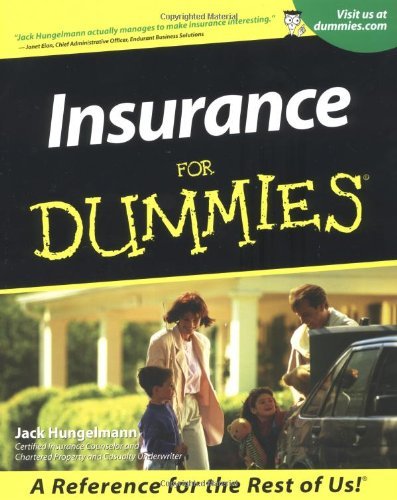
Insurance for Dummies: Hungelmann, Jack
<strong>Manage life, health, and disability risks</strong> ― explore individual and group policies, understand Medicare basics, and evaluate long-term disability and long-term-care insurance ...
Check Price on AmazonMost Idaho homeowners carry an HO-3 policy (the standard homeowners policy). Here’s what that typically includes:
- Dwelling (Coverage A): Pays to repair or rebuild your house if it’s damaged by a covered peril (like fire, wind, or hail). Your “dwelling limit” should reflect the cost to rebuild your home today, not its market value.
- Other Structures (Coverage B): Covers things like sheds, fences, and detached garages—often 10% of your dwelling limit by default.
- Personal Property (Coverage C): Covers your belongings (furniture, clothing, electronics). You can choose Actual Cash Value (ACV—pays today’s value after depreciation) or Replacement Cost (RCV—pays to buy new replacements without depreciation). Replacement Cost typically costs more but pays more at claim time.
- Loss of Use (Coverage D): Also called Additional Living Expenses (ALE), this helps with temporary housing and extra living costs if a covered claim makes your home uninhabitable.
- Personal Liability (Coverage E): Protects you if someone is injured or their property is damaged and you’re legally responsible. Common limits are $300,000–$500,000 in Idaho; higher assets may call for an umbrella policy (extra liability coverage above home/auto).
- Medical Payments (Coverage F): Small coverage (often $1,000–$5,000) for injuries to guests in your home, regardless of fault.
Key policy choices that affect your premium and protection:
- Deductible: The amount you pay out of pocket before insurance kicks in. In Idaho you’ll commonly see $1,000–$2,500 deductibles; higher deductibles usually lower your premium.
- Roof coverage: Some insurers pay roof claims at ACV (depreciated) unless you buy an endorsement for RCV. Ask how your specific roof would be covered today.
- Extended/Guaranteed Replacement Cost: An optional increase (often +25–50% or more) above your dwelling limit to handle inflation and contractor cost spikes after a catastrophe.
- Ordinance or Law: Helps pay for code upgrades when you rebuild (e.g., electrical or structural updates now required by code). 10% is common; higher can be wise in older homes or mountain towns with strict codes.
- Water Backup: Covers damage from a backed-up drain or sump (not the same as flood). This is usually an optional add-on and very popular in Idaho basements.
- Service Line: Covers buried utility lines (water, sewer, power) from the street to your home if they fail.
- Equipment Breakdown: Extends coverage for sudden mechanical/electrical breakdown of systems like HVAC.
For a deeper dive into what standard homeowners insurance covers and excludes, see our explainer: What Does Home Insurance Cover?
Average Home Insurance Costs in Idaho by Home Value and Location
Idaho is still one of the more affordable states for home insurance compared to wildfire-prone coastal states—but rates have been rising due to rebuild cost inflation and more frequent severe-weather claims. Your price depends on dozens of factors: location, home age and roof condition, distance to a fire station, wildfire risk, water damage history, your claims record, and credit-based insurance score (where allowed).
Typical annual premium ranges you might see in Idaho (illustrative only; your quotes will vary):
By dwelling coverage amount (Coverage A):
- $250,000 home: roughly $650–$1,200 per year
- $350,000 home: roughly $800–$1,500 per year
- $500,000 home: roughly $1,100–$2,100 per year
By location and risk profile:
- Boise/Meridian/Nampa (suburban, good fire protection): often $800–$1,400 for a 3-bed, 1,800 sq. ft. home with a $350,000 dwelling limit and $1,000 deductible, no recent claims.
- Coeur d’Alene/Sandpoint and the Panhandle (more forested/wildfire exposure): often $900–$1,600 for a similar profile; homes in the wildland–urban interface may see higher premiums or stricter underwriting.
- Idaho Falls/Pocatello/Twin Falls (lower catastrophe frequency, cold/snow risk): often $750–$1,300 for similar coverage.
- Mountain/resort areas like McCall, Ketchum/Sun Valley (higher rebuild costs, seasonal access, snow load): often $1,300–$2,400+ depending on materials and roof.
What moves your rate up or down in Idaho:
- Roof age and type: Newer or impact-resistant roofs usually get discounts; older roofs can trigger ACV-only coverage or surcharges.
- Wildfire score: Defensible space, metal or Class A fire-rated roofing, and proximity to hydrants/fire stations matter.
- Plumbing/electrical updates: Upgrades cut water-fire risk and can lower premiums.
- Claims history: Prior water or fire claims can increase rates or limit options.
- Dogs, pools, and trampolines: Some insurers have breed or equipment restrictions that affect eligibility or price.
Because carriers assess risk differently, two insurers can price the same Boise home hundreds of dollars apart. That’s why comparing multiple quotes for home insurance in Idaho is so valuable.
Idaho-Specific Risks: Natural Disasters, Weather, and Regional Factors
Idaho’s beauty comes with a few hazards. Here’s how they’re usually treated by homeowners insurance—and what you can do about them.
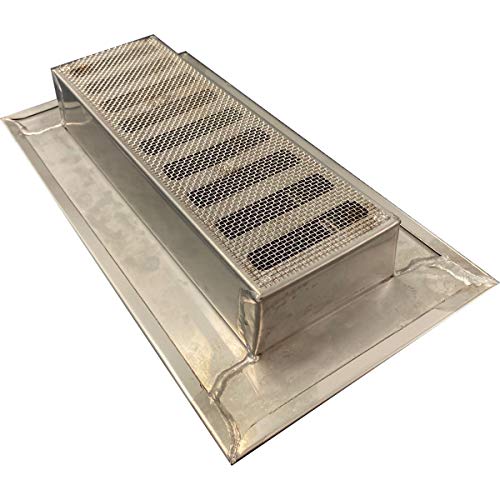
Copperlab Ember Resistant Stainless Steel Foundation Vent
View on AmazonWildfire and smoke
- Coverage: Fire and smoke are typically covered perils on standard policies. Some carriers may set higher deductibles or underwriting limits in high-risk zones.
- What to do: Create defensible space (clear brush, trim trees), install ember-resistant vents and a Class A roof, and consider a 5-foot noncombustible perimeter around your home. Some insurers offer wildfire mitigation discounts or home hardening support.
Flooding
- Coverage: Flood (rising water from outside your home) is excluded from homeowners insurance. You’ll need separate flood insurance, often through the National Flood Insurance Program (NFIP) or private flood insurers.
- Where it matters: Along rivers like the Boise, Payette, and Snake; near lakes and creeks; and in areas with poor drainage or rapid snowmelt.
- Timing tip: NFIP policies usually have a 30-day waiting period unless required by a new loan, so don’t wait for spring runoff to buy coverage.
Earthquakes and ground movement
- Coverage: Earthquake is typically excluded. You can often add an earthquake endorsement or buy a separate policy. Deductibles are commonly a percentage of your dwelling limit (e.g., 10–20%).
- Idaho risk snapshot: Central and eastern Idaho (Challis, Tetons) have notable seismic activity. If you’ve built on a slope or near fault lines, ask about coverage options.
Winter weather and frozen pipes
- Coverage: Sudden pipe bursts are usually covered, but gradual leaks are often excluded. If you leave the home unheated in winter, some claims can be denied.
- What to do: Insulate pipes, keep the heat on, and install leak detectors/automatic shut-off valves.
Wind, hail, and thunderstorms
- Coverage: Typically covered. In some areas insurers may apply special wind/hail deductibles or roof surfacing schedules—ask how yours works.
Landslide/mudflow
- Coverage: Usually excluded. Limited options may be available through specialty markets; consider drainage, retaining walls, and proper grading.
How to Compare Home Insurance Quotes in Idaho
Shopping for home insurance in Idaho is easier when you line up the basics and compare apples-to-apples. Here’s the checklist I’d use if we were reviewing your quotes together.
- Dial in your dwelling limit (Coverage A)
- Aim for the true rebuild cost of your home today (materials, local labor, debris removal), not the purchase price.
- Use the insurer’s replacement cost estimator, but sanity-check it with a local builder’s per-square-foot range. Complex roofs, custom finishes, and mountain access can push costs higher.
- Ask about Extended Replacement Cost (e.g., +25% or +50%) to buffer post-disaster cost spikes.
- Pick the right deductible
- Deductible = the amount you pay out of pocket before insurance pays. A $2,500 deductible can cut premiums versus $1,000, but make sure you’re comfortable covering that in an emergency.
- Choose Replacement Cost vs. ACV on belongings and your roof
- Replacement Cost (RCV) pays to buy new items. ACV subtracts depreciation. RCV costs more but avoids surprise shortfalls after a loss.
- Specifically confirm whether your roof is RCV or ACV and whether there’s a “roof schedule” that reduces payout by age/material.
- Get the right endorsements
- Water Backup (very common need in Idaho basements)
- Service Line (underground water/sewer/electric to your house)
- Ordinance or Law (higher limits for older homes)
- Equipment Breakdown (HVAC and major systems)
- Matching siding/roof (helps if only part of a surface is damaged)
- Pick a solid liability limit
- $300,000–$500,000 is typical in Idaho. Consider a $1M–$2M umbrella if you have higher assets, a pool, short-term rentals, or frequent entertaining.
- Evaluate claims service and wildfire stance
- Look for 24/7 claims reporting, temporary housing support (ALE), and clear timelines.
- Ask how the insurer handles active wildfire moratoriums, inspections, and mitigation credits in your area.
- Bundle and compare at least 3–5 carriers
- Bundling home and auto can unlock meaningful savings and smoother claims coordination. If you’re considering a bundle, it’s worth a look at our Idaho auto guide: Auto Insurance in Idaho: Rates, Requirements & How to Save
- When you compare, match coverage limits, deductibles, and endorsements so price differences are real—not just missing coverage.
Want a broader checklist? Our step-by-step overview is here: Home Insurance Guide 2026 — Compare Quotes, Coverage & Costs
Call-to-action: Ready to see your real price? The smartest next step is to compare home insurance quotes in Idaho from 3–5 carriers using the same coverage limits and deductibles. It usually takes about 10 minutes and reveals which insurer prices your home’s wildfire, roof, and rebuild factors most competitively.
Discounts and Bundling Opportunities for Idaho Homeowners
Most carriers offer a mix of discounts. Not all apply to every home, but it’s worth asking about each:
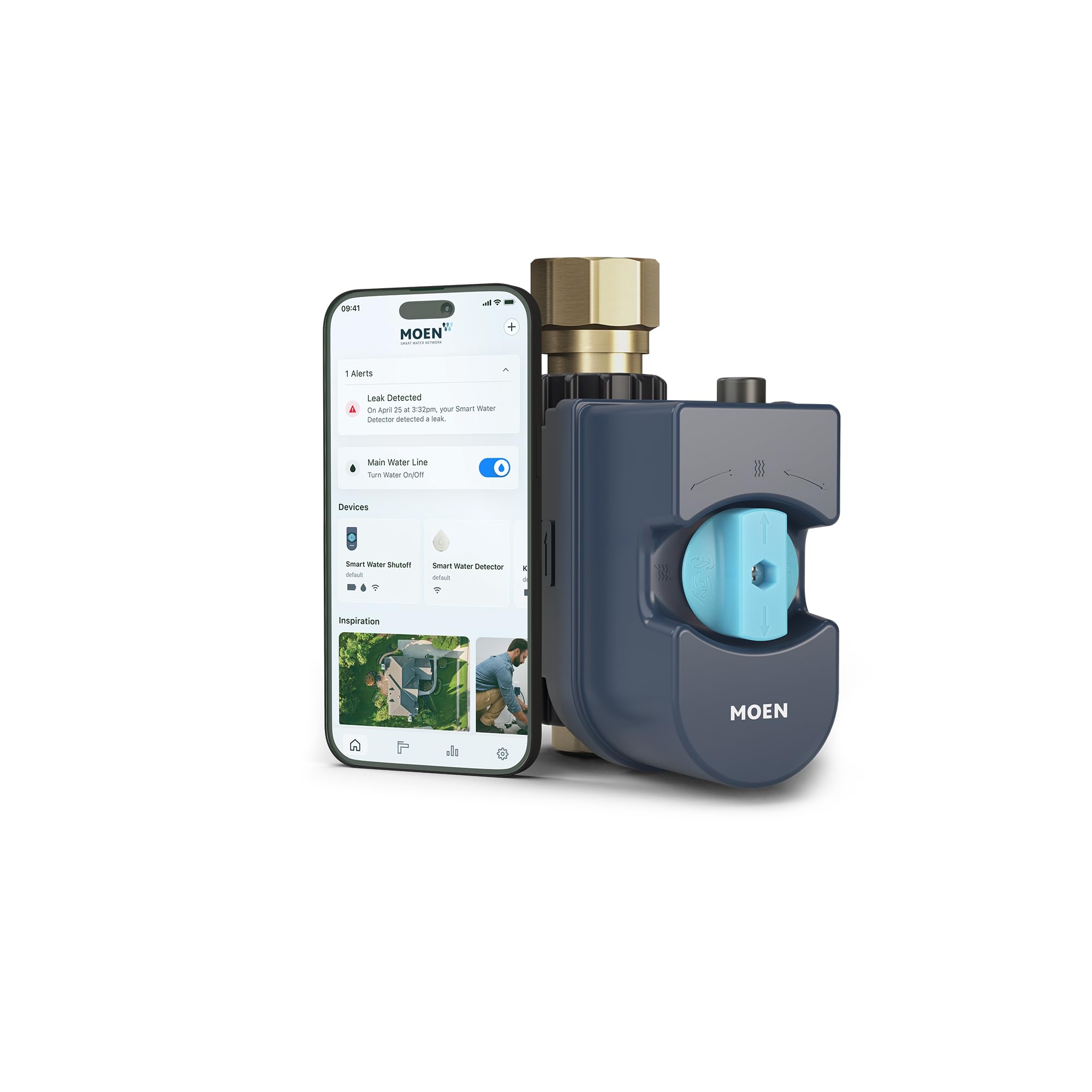
Moen Flo Smart Water Monitor and Automatic Shutoff Sensor, Wi-Fi Water Leak Detector for 3/4-Inch Diameter Pipe, 900-001 - Tub And Shower Faucets - Amazon.com
View on Amazon- Home + Auto Bundle: Often the biggest savings. Pairing policies can save 10–25% in many cases and simplifies claims handling.
- New Roof or Impact-Resistant Roofing: Newer roofs or Class 4 impact-rated shingles often score a discount and better roof coverage.
- Protective Devices: Monitored smoke/CO alarms, burglar systems, water leak sensors, automatic shut-off valves.
- Newer Home/Updates: Homes built or renovated in the last 10–20 years can be cheaper to insure, especially with updated plumbing/electrical.
- Claims-Free: No recent property claims can improve your pricing tier.
- Wildfire Mitigation/Firewise: Defensible space, noncombustible landscaping, ember-resistant vents, and Class A roofs may qualify.
- Payment/Paperless: Paying in full, auto-pay, and e-docs sometimes stack small savings.
- HOA/Gated Community: Modest discounts with some carriers.
If you’re bundling, it can help to review your auto at the same time: Auto Insurance in Idaho: Rates, Requirements & How to Save
Filing a Home Insurance Claim in Idaho
You buy insurance for claim day. Here’s how to set yourself up for fewer headaches and a faster resolution.
- Stay safe and prevent further damage
- Turn off water/electricity if needed. Board up broken windows. Keep receipts for emergency repairs—your policy usually reimburses reasonable temporary fixes.
- Document everything
- Take photos/videos of damage before cleanup. Make a list of affected items with approximate age and cost.
- Notify your insurer promptly
- Most policies require prompt notice. Ask about next steps, temporary housing (ALE), and preferred contractors if you want referrals.
- Understand ACV vs. RCV payments
- Many property claims pay in stages: an initial Actual Cash Value (depreciated) payment, then a “recoverable depreciation” payment after you repair/replace and submit receipts—bringing you up to Replacement Cost, if you have RCV coverage.
- Meet the adjuster prepared
- Be present if possible. Share your documentation, contractor estimates, and any building code requirements that may trigger Ordinance or Law coverage.
- Keep track of Additional Living Expenses
- Save receipts for hotels, short-term rentals, extra mileage, pet boarding, and increased meal costs. ALE typically covers the difference between your normal expenses and temporary increases, up to your limit.
- If there’s a dispute
- Request a detailed explanation in writing. Many policies include an appraisal clause (a formal process to resolve value disputes). For unresolved issues, you can contact the Idaho Department of Insurance for guidance on filing a complaint.
- Avoid common pitfalls
- Don’t sign an Assignment of Benefits (AOB) without understanding it—it can hand control of the claim to a contractor.
- Get multiple bids from licensed, insured contractors, especially for large losses.
- Be cautious of door-to-door solicitations after storms.
FAQ: Common Questions About Idaho Homeowners Insurance
Is homeowners insurance required in Idaho?
- Not by state law, but your lender typically requires it. Even without a mortgage, coverage protects your savings from major losses.
Does home insurance cover wildfire and smoke in Idaho?
- Typically yes, fire and smoke are covered perils. In higher-risk areas, some insurers may require mitigation or adjust deductibles. Always confirm your policy’s stance on wildfire and roof coverage.
Do I need flood insurance in Boise, Coeur d’Alene, or along the Snake River?
- If you’re in a FEMA Special Flood Hazard Area and have a mortgage, your lender will likely require flood insurance. Even outside high-risk zones, spring runoff and flash floods can happen. NFIP policies usually have a 30-day waiting period.
What about earthquake coverage in Idaho?
- Earthquake is usually excluded. You can often add an endorsement or buy a separate policy. Deductibles are commonly 10–20% of the dwelling limit.
How much liability coverage should I carry?
- Many Idaho homeowners choose $300,000–$500,000. If you have significant assets, a pool, short-term rentals, or teen drivers, consider a $1M–$2M umbrella policy.
Are home insurance rates going up in Idaho?
- Many carriers have raised rates due to construction inflation and more weather-related losses. You can often offset increases by comparing multiple quotes, updating your deductible, bundling, and documenting upgrades like a new roof or plumbing.
Does homeowners insurance cover short-term rentals (Airbnb/VRBO) in Idaho?
- Standard policies often exclude business activity or limit coverage when the home is rented. Ask about a home-sharing endorsement or a landlord/short-term rental policy tailored to your use.
Will my dog, pool, or trampoline affect my insurance?
- Some carriers restrict certain dog breeds or require safety measures for pools and trampolines (fencing, locked gates, safety nets). Disclose these to avoid claim issues later.
What’s the best homeowners insurance company in Idaho?
- “Best” depends on your home’s location and profile. Focus on carriers that price your wildfire/roof risk fairly, offer the endorsements you want (water backup, service line, extended replacement), and have strong claims support. Compare at least 3–5 quotes.
A quick note on getting help
Home insurance can be very specific to your house and neighborhood. A licensed Idaho agent can help fine-tune your dwelling limit, roof coverage, and endorsements, and can shop multiple insurers on your behalf.
Call-to-action: Ready to check real numbers for your address? Compare quotes from 3–5 Idaho home insurers using the same coverage limits and deductible. It’s the fastest path to the right coverage at a fair price—without sacrificing the protections that matter.
Recommended Resources
Insurance for Dummies: Hungelmann, Jack
<strong>Manage life, health, and disability risks</strong> ― explore individual and group policies, understand Medicare basics, and evaluate long-term disability and long-term-care insurance ...
Moen Flo Smart Water Monitor and Automatic Shutoff Sensor, Wi-Fi Water Leak Detector for 3/4-Inch Diameter Pipe, 900-001 - Tub And Shower Faucets - Amazon.com
Moen Flo Smart Water Monitor and Automatic Shutoff Sensor, <strong>Wi-Fi Water Leak Detector for 3/4-Inch Diameter Pipe</strong>, 900-001 - Tub And Shower Faucets - Amazon.com
Copperlab Ember Resistant Stainless Steel Foundation Vent
* <strong>Screened ember resistant foundation and basement vent</strong> * Made of 26 gauge 316 stainless steel * Mesh patterned screen (diamond or square depending on production availability) 1/8&quo
Related Articles
- Auto Insurance in Idaho: Rates, Requirements & How to Save
- Life Insurance in Idaho: What Residents Need to Know
- Home Insurance in Wyoming: Coverage, Costs & Best Companies
- Health Insurance in Idaho: Plans, Costs & How to Enroll
- Home Insurance in Indiana: Coverage, Costs & Best Companies
- Home Insurance in Vermont: Coverage, Costs & Best Companies
- Home Insurance in Montana: Coverage, Costs & Best Companies
- Renters Insurance in Idaho: What It Covers, What It Costs, and How to Choose the Right Policy