
Auto Insurance in Vermont: Rates, Requirements & How to Save
You’re shopping for auto insurance in Vermont and want straight answers: What coverage do you actually need, what do people typically pay, and how do you avoid overpaying? You’re in the right place. Vermont is generally one of the more affordable states for car insurance, but your costs still depend on your age, driving history, vehicle, and the coverage you choose. Below, we’ll break down Vermont’s requirements, realistic price ranges, and smart ways to save—without cutting the protections that matter.
Pro tip: the fastest way to see your real price is to compare quotes from 3–5 insurers. Rates vary widely for the same driver, and the lowest carrier for your neighbor may not be the lowest for you.
Vermont auto insurance requirements and minimum coverage
Vermont is an at-fault (tort) state, which means the driver who causes a crash is responsible for the other party’s injuries and property damage. To register and operate a vehicle in Vermont, you must carry at least:
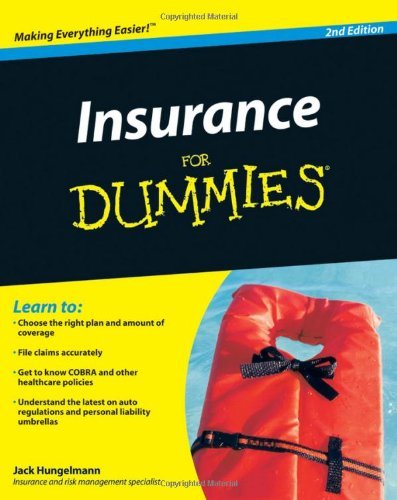
Insurance For Dummies?: Hungelmann, Jack
Whether you’re a homeowner or ... need on: ... Author Jack Hungelmann <strong>uses his twenty-five years of experience in the insurance industry to make buying insurance as simple as possible</strong>
Check Price on Amazon- Bodily injury liability: $25,000 per person / $50,000 per accident (often written as 25/50)
- Property damage liability: $10,000 per accident (10)
- Uninsured/Underinsured Motorist (UM/UIM) bodily injury: $50,000 per person / $100,000 per accident
- Uninsured Motorist property damage: $10,000 per accident
What these mean in plain English:
- Liability coverage pays others if you cause a crash. It does not fix your car.
- Uninsured/Underinsured Motorist (UM/UIM) helps you and your passengers if you’re hit by a driver who has no insurance or too little. Vermont requires robust UM/UIM because it protects you—not just other people.
Optional but commonly valuable:
- Collision coverage: pays to repair or replace your car after a crash, regardless of fault (after your deductible—the amount you pay out of pocket before insurance kicks in).
- Comprehensive coverage: pays for non-crash damage such as theft, hail, vandalism, falling trees, and animal collisions (deer hits are common in Vermont). Also subject to a deductible.
- Medical payments (MedPay): helps cover medical bills for you and your passengers, no matter who’s at fault. MedPay is optional in Vermont but can be inexpensive peace of mind.
- Rental reimbursement: pays for a rental car while yours is in the shop after a covered claim.
- Roadside assistance: towing, jump starts, lockouts—especially handy in winter.
Why most drivers choose higher limits
- Vermont’s property damage minimum of $10,000 is low. A newer SUV or a modest fender-bender that turns into a multi-vehicle incident can easily exceed that. Many drivers step up to at least 50/100/50 or 100/300/100 for broader protection. Your cost difference is often smaller than you’d expect.
Average car insurance rates in Vermont by age, vehicle, and driving record
Every insurer prices risk differently, but Vermont typically lands on the lower end of the national spectrum. Below are realistic, ballpark ranges to help you calibrate. Your quotes may be outside these ranges depending on your exact profile, garaging ZIP, coverage, and discounts.
- Minimum coverage (just the state-required liability/UM): often $300–$600 per year for many safe drivers.
- Full coverage (liability + comprehensive + collision): commonly $1,000–$1,600 per year for middle-aged drivers with clean records and average deductibles.
Examples to make it concrete (illustrative, not guarantees):
- 35-year-old non-smoker in Burlington, driving a 2018 Subaru Outback, clean record, 100/300/100 liability with $500 deductibles: full coverage might land around $1,100–$1,400 per year with common discounts.
- 22-year-old in Rutland with a 2015 Honda Civic, minimum coverage, clean record: often $700–$1,300 per year. Add comprehensive and collision, and it may jump to $1,600–$2,500.
- 45-year-old in Montpelier with one at-fault accident in the last 3 years, full coverage: expect a 25%–50% bump versus clean-record pricing until the accident ages off.
- 65-year-old in Brattleboro, low annual mileage, clean record, full coverage: many see $900–$1,300, helped by lower miles and longevity discounts.
- 30-year-old in Bennington with a recent DUI: rates can more than double for several years, and you may need an SR-22 filing (proof of future financial responsibility) to reinstate or maintain your license.
Vehicle type matters too:
- Compact sedan or small crossover (e.g., Subaru Crosstrek): usually cheaper to insure compared to luxury or high-horsepower models.
- Pickup trucks: parts and repair can push rates higher, especially for newer models.
- EVs: mixed bag—higher repair costs can increase premiums, but some carriers offer EV or green-vehicle discounts.
Remember: the only way to know your number is to compare quotes. Two insurers can differ by hundreds of dollars for the same driver.
Factors that affect Vermont auto insurance premiums
Insurers weigh lots of data. Here’s what typically influences your price in Vermont:
- Driving record: tickets, at-fault accidents, and DUIs matter most. Safe drivers usually pay the least.
- Age and experience: younger drivers usually pay more; rates often stabilize in your 30s–50s, then may edge up again later in life based on claim statistics.
- Vehicle make/model and repair costs: safety ratings, theft rates, and parts prices all affect premiums.
- Coverage and deductibles: higher limits cost more; raising your deductibles often lowers your premium (make sure you can afford the out-of-pocket if you have a claim).
- Annual mileage and commute: fewer miles driven generally means lower risk and lower rates.
- Garaging location: urban areas like parts of Chittenden County can run higher than rural ZIPs due to traffic density, theft, and claim frequency.
- Prior insurance and lapses: a coverage lapse can significantly increase your quotes.
- Credit-based insurance score: insurers in Vermont may use a credit-based score as one rating factor, subject to state rules. Building strong credit can help over time.
- Discounts and telematics: bundling, safe-driver programs, and usage-based apps that track braking, speed, and time of day can reduce premiums if you drive safely.
Seasonal realities in Vermont
- Winter weather and deer collisions drive claims. Comprehensive coverage can be a financial lifesaver for non-crash losses, and collision covers you for sliding into a guardrail. Consider roadside assistance during snow season.
How to compare and get the cheapest auto insurance in Vermont
If you only get one quote, you’re guessing. Here’s a smarter, Vermont-focused approach.
What to gather first
- Current policy declarations page (shows coverage, limits, deductibles, and discounts)
- Driver info: license numbers, dates of any violations or claims
- Vehicle details: VIN, mileage, usage (commute, pleasure, business)
- Lender or lease requirements (if you finance, your lender typically requires comprehensive and collision)
How to compare apples-to-apples
- Match liability limits across quotes. Start with at least 50/100/50 in your comparisons so you’re not tricked by a bare-minimum quote.
- Keep deductibles consistent (e.g., $500 comp/$500 collision) so savings are real, not just higher out-of-pocket risk.
- Ask how each carrier handles OEM parts (original manufacturer parts), glass claims, and roadside—details that can matter in Vermont winters.
Smart steps to lower your bill without gutting coverage
- Increase your deductible from $500 to $1,000 if you have the savings cushion; the premium reduction can be meaningful.
- Bundle home or renters with auto. In Vermont, multi-policy discounts are often 10%–25% depending on the carrier.
- Enroll in telematics if you’re a calm, daylight driver. Many Vermonters earn 10%–30% off after a monitoring period, but results vary.
- Re-rate at renewal. Vermont’s competitive market means the best deal can change year to year even with a clean record.
- Drop small extras you don’t use—but keep the big protections. Example: If you can live without rental reimbursement, consider removing it, but keep UM/UIM strong.
CTA: Ready to see your real number? Compare quotes from 3–5 carriers with the same limits and deductibles. It’s the quickest way to find which insurer prices you best.
Vermont-specific discounts and savings opportunities
You’ll find the usual national discounts in Vermont, plus a few that fit local driving conditions. Availability varies by insurer—always ask directly.
- Multi-policy (auto + home/renters/condo): often the biggest single discount.
- Multi-vehicle: insuring two or more cars with the same insurer.
- Good driver/claims-free: clean records save the most.
- Good student: full-time students with B average or better.
- Defensive driving or accident-prevention course: completing a Vermont-approved course may qualify for a discount, especially for mature drivers. Ask if it must be refreshed every 2–3 years.
- Low mileage: if you work from home or have a short commute, press your agent for a mileage tier that reflects it.
- Telematics/safe-driving program: usage-based monitoring can reward gentle braking and daytime driving.
- Vehicle safety features: anti-lock brakes, airbags, advanced driver assistance systems.
- Pay-in-full, auto-pay, and paperless statements: small but easy wins.
- Affinity and occupation: some carriers give breaks for certain employers, alumni groups, or professions.
Winter-savvy tips
- Ask about glass coverage options or separate glass deductibles—windshield chips and cracks are common in cold months.
- If you mount dedicated snow tires, some insurers informally consider this in telematics or risk assessments; while not always an explicit “winter tire discount,” it can support safe-driving scores.
Filing a claim in Vermont: what to expect
After a crash, safety first. Move to a safe location, check for injuries, and call 911 if needed. Then:

VIOFO Dash Cam A119 V3 2K 2560x1440P Quad HD+ 60FPS Front Car Dash Camera, 5MP STARVIS Sensor, 140-Degree Wide Angle, GPS Included, Buffered Parking Mode, True HDR, Motion Detection, Time Lapse : Electronics
View on Amazon- Document everything
- Exchange info: names, phone numbers, license plates, insurance details.
- Take photos: scene, vehicle damage, road conditions, any deer or hazards.
- Get witness info if available.
- Notify your insurer promptly
- Provide a simple, factual description. You’ll get a claim number and be assigned an adjuster (the person who evaluates the claim and estimates repairs).
- Fault and Vermont’s negligence rules
- Vermont follows a modified comparative negligence standard. If you’re 50% or less at fault, you can typically recover damages reduced by your percentage of fault. If you’re more than 50% at fault, you generally can’t recover from the other driver. Your liability coverage addresses the other party’s losses if you caused the crash.
- Repairs and estimates
- You can usually choose your repair shop. Insurers may have preferred shops with streamlined billing and lifetime workmanship guarantees, but it’s your call.
- Ask about OEM vs. aftermarket parts policies if you drive a newer car.
- Rentals and total losses
- If you carry rental reimbursement, your policy may cover a rental up to daily and total limits while your car is in the shop for a covered loss.
- If your car is totaled, the insurer pays actual cash value (what your car is worth today, not what you paid new), minus your deductible if it’s your claim.
- What if the other driver is uninsured?
- Your UM/UIM coverage steps in for injuries (and in Vermont, $10,000 UM property damage coverage may help with vehicle damage; if you carry collision, that usually handles the car repairs minus your deductible).
Time limits
- Insurance policies require prompt notice of a claim. For injury lawsuits, Vermont’s statute of limitations is typically measured in years, not months, but legal timelines can change—speak with a licensed attorney for legal advice.
Planning to drive beyond Vermont?
New England drivers often commute or road-trip across borders. Requirements and norms can differ.
- Curious how neighboring states compare on rules and savings strategies? See our guides for Auto Insurance in New Hampshire: Rates, Requirements & How to Save, Auto Insurance in Maine: Rates, Requirements & How to Save, and Auto Insurance in Massachusetts: Rates, Requirements & How to Save.
FAQ: common questions about Vermont car insurance
Is car insurance required in Vermont?
- Yes. Vermont requires liability and UM/UIM coverage to register and drive. Lenders also typically require comprehensive and collision if you finance or lease your vehicle.
What are the Vermont minimum limits again?
- 25/50/10 for liability and at least 50/100 for UM/UIM bodily injury plus $10,000 UM property damage. Many drivers choose higher limits for better protection.
Does Vermont have no-fault insurance or PIP?
- No. Vermont is an at-fault state and does not require Personal Injury Protection (PIP). Medical payments (MedPay) is optional and can help with medical bills regardless of fault.
How much does auto insurance in Vermont cost?
- Many safe drivers see $300–$600 per year for minimum coverage and $1,000–$1,600 for full coverage. Your price depends on your profile, vehicle, and discounts.
Can my credit affect my rate in Vermont?
- Insurers may use a credit-based insurance score as one of many rating factors, within state rules. It doesn’t reflect your income—just certain credit behaviors tied to claims risk.
What is an SR-22 in Vermont—and when would I need it?
- An SR-22 is a certificate of financial responsibility that certain drivers must file (through an insurer) after serious violations like DUI or driving without insurance. It proves you carry at least the required coverage for a set period.
Do I need more than the minimum coverage?
- In most cases, yes. Consider at least 50/100/50 or 100/300/100 liability, keep UM/UIM strong, and add comprehensive/collision if your car would be hard to replace out-of-pocket.
Are electronic insurance ID cards accepted in Vermont?
- In most cases, yes—law enforcement typically accepts digital proof on your phone. It’s still smart to keep a paper copy in the glove box in case your phone dies.
How do winter conditions affect my policy?
- Consider comprehensive (for animal strikes and storm damage), collision (for slide-offs), roadside assistance, and strong glass coverage. Ask about separate glass deductibles and preferred glass vendors.
What deductible should I choose?
- Pick a deductible you can comfortably pay tomorrow. Many drivers pick $500 or $1,000 for a good balance of premium savings and out-of-pocket risk.
Your next step: shop smart and protect what matters
You’ve got the Vermont-specific basics: required limits, realistic prices, and where you can safely trim vs. where you shouldn’t. The best move now is simple and fast—compare quotes from 3–5 carriers with identical limits and deductibles. That’s how you find the insurer that prices your exact risk profile best.
If you want help sorting through quotes or deciding on limits, a licensed agent can translate the fine print and tailor coverage to your budget. Just remember: rates change, life changes, and your policy should keep up. Set a reminder to re-shop every 12 months.
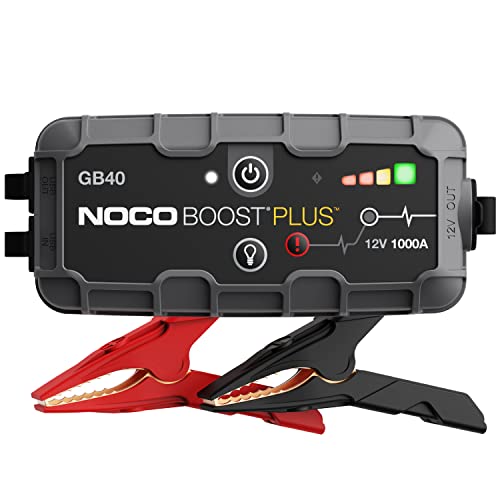
NOCO Boost GB40: 1000A UltraSafe Jump Starter – 12V ...
View on AmazonRecommended Resources
Insurance For Dummies?: Hungelmann, Jack
Whether you’re a homeowner or ... need on: ... Author Jack Hungelmann <strong>uses his twenty-five years of experience in the insurance industry to make buying insurance as simple as possible</strong>
VIOFO Dash Cam A119 V3 2K 2560x1440P Quad HD+ 60FPS Front Car Dash Camera, 5MP STARVIS Sensor, 140-Degree Wide Angle, GPS Included, Buffered Parking Mode, True HDR, Motion Detection, Time Lapse : Electronics
Amazon.com: VIOFO Dash Cam A119 V3 2K 2560x1440P Quad HD+ 60FPS Front Car Dash Camera, 5MP STARVIS Sensor, 140-Degree Wide Angle, <strong>GPS Included</strong>, Buffered Parking Mode, True HDR, Motion
NOCO Boost GB40: 1000A UltraSafe Jump Starter – 12V ...
Find portable jump starters for emergency preparedness. Browse options with intelligent protection systems and extended battery life.
Related Articles
- Home Insurance in Vermont: Coverage, Costs & Best Companies
- Auto Insurance in Virginia: Rates, Requirements & How to Save
- Health Insurance in Vermont: Plans, Costs & How to Enroll
- Auto Insurance in West Virginia: Rates, Requirements & How to Save
- Auto Insurance in Maine: Rates, Requirements & How to Save
- Auto Insurance in Montana: Rates, Requirements & How to Save
- Auto Insurance in New Hampshire: Rates, Requirements & How to Save
- Auto Insurance in Connecticut: Rates, Requirements & How to Save