
Home Insurance in Utah: Coverage, Costs & Best Companies
You’re shopping for home insurance in Utah and the quotes are all over the place. What actually matters, what’s normal for our state, and how do you avoid paying for fluff you don’t need? Here’s a clear, Utah‑specific guide to coverage, costs, and the smartest ways to compare.
Utah homeowners insurance requirements and typical coverage
First, a quick reality check: Utah doesn’t require homeowners insurance by state law. But if you have a mortgage, your lender will require it to protect the home (their collateral). Even if your home is paid off, going without insurance in Utah is a big risk—wildfire, wind, winter storms, and earthquakes are real factors here.
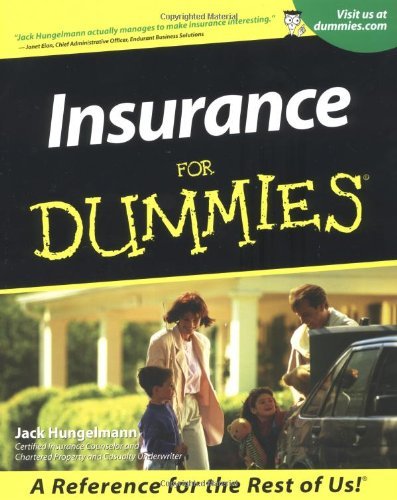
Insurance for Dummies: Hungelmann, Jack
<strong>Manage life, health, and disability risks</strong> ― explore individual and group policies, understand Medicare basics, and evaluate long-term disability and long-term-care insurance ...
Check Price on AmazonMost Utah homeowners carry an HO‑3 policy (the standard homeowners policy). Here’s what that typically includes, in plain English:
- Dwelling (Coverage A): Rebuilds the structure of your home if it’s damaged by a covered peril (fire, wind, hail, theft, etc.). Aim for replacement cost coverage (the cost to rebuild at today’s prices), not market value.
- Other Structures (Coverage B): Fences, sheds, detached garages—usually 10% of your dwelling limit, adjustable if you have more structures.
- Personal Property (Coverage C): Your stuff—furniture, electronics, clothing. Replacement cost coverage (pays to buy new) is better than actual cash value (ACV, which deducts for depreciation). High‑value items like jewelry often need a scheduled endorsement (itemized add‑on) to be fully covered.
- Loss of Use (Coverage D): Pays for temporary living expenses if your home is unlivable after a covered loss—hotel, meals, laundry.
- Personal Liability (Coverage E): Covers you if you’re legally responsible for injuries or property damage to others. Many Utah homeowners choose $300,000–$500,000. If you have assets to protect, consider a $1M umbrella policy (extra liability coverage that sits on top of home and auto).
- Medical Payments (Coverage F): Small medical bills for guests injured on your property, regardless of fault—often $1,000–$5,000.
Two choices that move the needle on price and protection:
- Deductible: The amount you pay out of pocket before insurance kicks in. In Utah, $1,000–$2,500 is common; higher deductibles typically lower your premium. Some carriers offer separate wind/hail deductibles, but that’s less common here than in heavy hail states.
- Roof coverage type: Replacement cost vs. ACV on the roof can significantly change your premium and future payout. Utah’s sun and wind age roofs; ACV can leave you short after a storm.
Add‑ons (endorsements) worth considering in Utah:
- Extended replacement cost or guaranteed replacement cost: Adds a buffer (often 10%–50%) if rebuilding costs spike after a catastrophe.
- Water backup: Covers damage from backed‑up sewers or drains—this is a common, not automatically included loss.
- Service line: Pays to repair underground utility lines (water, sewer, power) from the street to your home.
- Equipment breakdown: Covers sudden failure of systems like HVAC or major appliances (separate from wear and tear).
- Ordinance or law: Extra funds to bring your older home up to current building codes after a covered loss—important in cities with strict code updates.
- Earthquake insurance: Earth movement is excluded on standard policies. Utah sits on the Wasatch Fault; more on this below.
Average home insurance costs in Utah by home value and location
Let’s set expectations. Utah is typically cheaper than national average for home insurance, but not by a mile. Your rate depends on home age, roof type, fire protections, proximity to wildfire zones, your claims history, and your credit-based insurance score (Utah allows insurers to use it). Actual premiums vary by carrier and specifics, but here are ballpark ranges many Utah homeowners see in 2024 for a policy with $1,000–$2,000 deductible, dwelling replacement cost, and standard liability limits:
By dwelling amount:
- $250,000 dwelling: roughly $700–$1,200 per year
- $350,000 dwelling: roughly $900–$1,500 per year
- $500,000 dwelling: roughly $1,200–$2,100 per year
- $750,000 dwelling: roughly $1,800–$3,200 per year
By location (same general coverage, 2000–2500 sq. ft. home, newer roof):
- Salt Lake City / Millcreek / South Salt Lake: about $900–$1,600
- Sandy / Draper / South Jordan: about $900–$1,600
- West Jordan / Taylorsville / Kearns: about $850–$1,450
- Ogden / Layton / Clearfield: about $800–$1,400
- Provo / Orem / Lehi: about $850–$1,500
- Park City / Summit County: about $1,400–$3,000+ (higher rebuild costs, winter exposure, and wildfire interface)
- St. George / Washington / Hurricane: about $900–$1,700 (wind and flash‑flood risk can influence pricing)
- Logan / Cache County: about $750–$1,300
- Moab / Grand County and rural southeast: about $1,000–$1,900 (limited fire services in some areas and distance to hydrants matter)
Example scenarios (not quotes):
- South Jordan newish build: 2,400 sq. ft., 2010 roof, $450,000 dwelling, $1,500 deductible, RCV on roof. Many carriers might land in the $1,100–$1,700 range depending on your credit tier and discounts.
- Park City older cabin near wildland interface: 1,800 sq. ft., metal roof, $600,000 dwelling, $2,500 deductible, extended replacement cost. Expect wider ranges, say $1,900–$3,400+, driven by wildfire and rebuild costs.
- St. George stucco home: 2,100 sq. ft., tile roof, $400,000 dwelling, $1,000 deductible. Roughly $900–$1,500, with water backup and service line endorsements adding modestly to the premium.
The fastest way to see what you would actually pay is to compare quotes from 3–5 carriers. Carriers price risk differently across Utah zip codes, roof ages, and wildfire proximity, so it pays to shop.
Utah‑specific risks: natural disasters, weather, and regional factors
Utah’s beauty comes with risks insurers pay close attention to. Here’s how they affect home insurance in Utah and what you can do about them.

Ready America 72 Hour Deluxe Emergency Kit, 4-Person ...
View on Amazon- Earthquakes (Wasatch Front): Standard home insurance excludes earth movement. If your home is along the Wasatch Front (Salt Lake, Davis, Weber, Utah counties), seriously consider separate earthquake insurance—either a standalone policy or an endorsement if your carrier offers it. Expect higher deductibles (often 10%–25% of the dwelling limit) and coverage options for dwelling, personal property, and loss of use.
- Wildfire (Wasatch range, Summit County, southern Utah): Homes near canyons or wildland–urban interface face higher rates and stricter underwriting. Clearing defensible space, using Class A fire‑rated roofing, and ember‑resistant vents can help eligibility and sometimes earn discounts. Wildfire mitigation photos may be required.
- Winter storms and wind: Snow load, ice dams, and strong downslope winds (remember the 2020 event) can cause roof and siding damage. Good attic insulation/ventilation, ice‑and‑water shield underlayment, and prompt snow removal reduce losses.
- Hail: Less frequent than the High Plains, but hail does hit Utah. Know whether your policy covers your roof at replacement cost or ACV. Impact‑resistant roofs can qualify for discounts with some carriers.
- Flooding and flash floods: Flood is excluded from standard policies. If you’re in a FEMA high‑risk flood zone or near desert wash areas (southern Utah, canyon communities), consider an NFIP or private flood policy. Flash floods can surprise even outside mapped zones—review topography and local history.
- Water/sewer backup: Not a natural disaster, but common—and not automatically included. This endorsement is inexpensive relative to the headaches it covers.
If you’re curious how similar risks play out next door, wildfire and hail dynamics are a big deal across the Mountain West. Our guide to Home Insurance in Colorado: Coverage, Costs & Best Companies shows how carriers approach that risk in a nearby market.
How to compare home insurance quotes in Utah
When you compare quotes for home insurance in Utah, line them up apples‑to‑apples. Here’s a simple checklist.
What to look for:
- Dwelling limit: Use a realistic replacement cost estimate (not purchase price). Ask your agent to walk you through the rebuild cost tool assumptions (sq. ft., finishes, code upgrades). Consider extended or guaranteed replacement cost.
- Roof coverage: Replacement cost on roof vs. ACV; any cosmetic damage exclusions on metal roofs.
- Deductibles: Standard and any separate wind/hail or named‑storm deductibles (rare in Utah, but check). Note percentage deductibles on earthquake policies.
- Liability: $300,000–$500,000 is common; higher if you have assets, a trampoline, pool, or frequent guests. Consider an umbrella.
- Endorsements: Water backup, service line, ordinance or law, equipment breakdown, special personal property (jewelry, bikes, skis), short‑term rental if you host.
- Loss settlement for personal property: Replacement cost is worth it in most cases.
- Claims service: Look for 24/7 claims, in‑state adjuster presence during catastrophes, and strong customer satisfaction scores.
Smart shopping steps:
- Gather your details: Year built, square footage, roof type/age, updates (roof, plumbing, electrical, HVAC), distance to hydrant/station, and any safety features (monitored alarm, water leak sensors).
- Decide on deductibles: Pick the highest you can comfortably handle out‑of‑pocket. Many Utah homeowners land at $1,000–$2,500.
- Request the same coverages from each carrier: That means identical dwelling limits, liability, and endorsements so the price differences reflect underwriting—not missing coverage.
- Ask about wildfire mitigation credits: Provide photos of cleared vegetation, Class A roof, metal mesh vents, and accessible defensible space.
- Compare total value, not just price: Consider roof settlement terms, extended replacement cost, and claims reputation.
Who writes competitively in Utah?
- You’ll see strong showings from national carriers (State Farm, Farmers, Allstate, Travelers, Nationwide, Liberty Mutual), regionals (Bear River Mutual, American Family, COUNTRY Financial, Auto‑Owners), and USAA for military families. Competitiveness changes by zip, home age, and your profile, so don’t assume last year’s winner is this year’s best for you.
CTA: Want a fast reality check? Comparing quotes from 3–5 carriers with the same limits is the quickest way to see your true price range in Utah. A licensed agent can help you match coverage apples‑to‑apples and spot gaps.
Discounts and bundling opportunities for Utah homeowners
Utah carriers offer a familiar set of discounts. Ask specifically about:
- Multi‑policy (bundling): Home + auto is usually the biggest money saver—often 10%–25% combined, depending on the carrier.
- Newer roof or impact‑resistant shingles: Proof of materials or a roofing certificate may be required.
- Protective devices: Monitored burglar/fire alarms, water leak sensors, and automatic shut‑off valves.
- Claims‑free: Better pricing if you’ve been loss‑free for 3–5 years.
- Newer home or significant updates: Electrical, plumbing, HVAC, and roof updates can help.
- Responsible payment or paperless: Modest but easy wins.
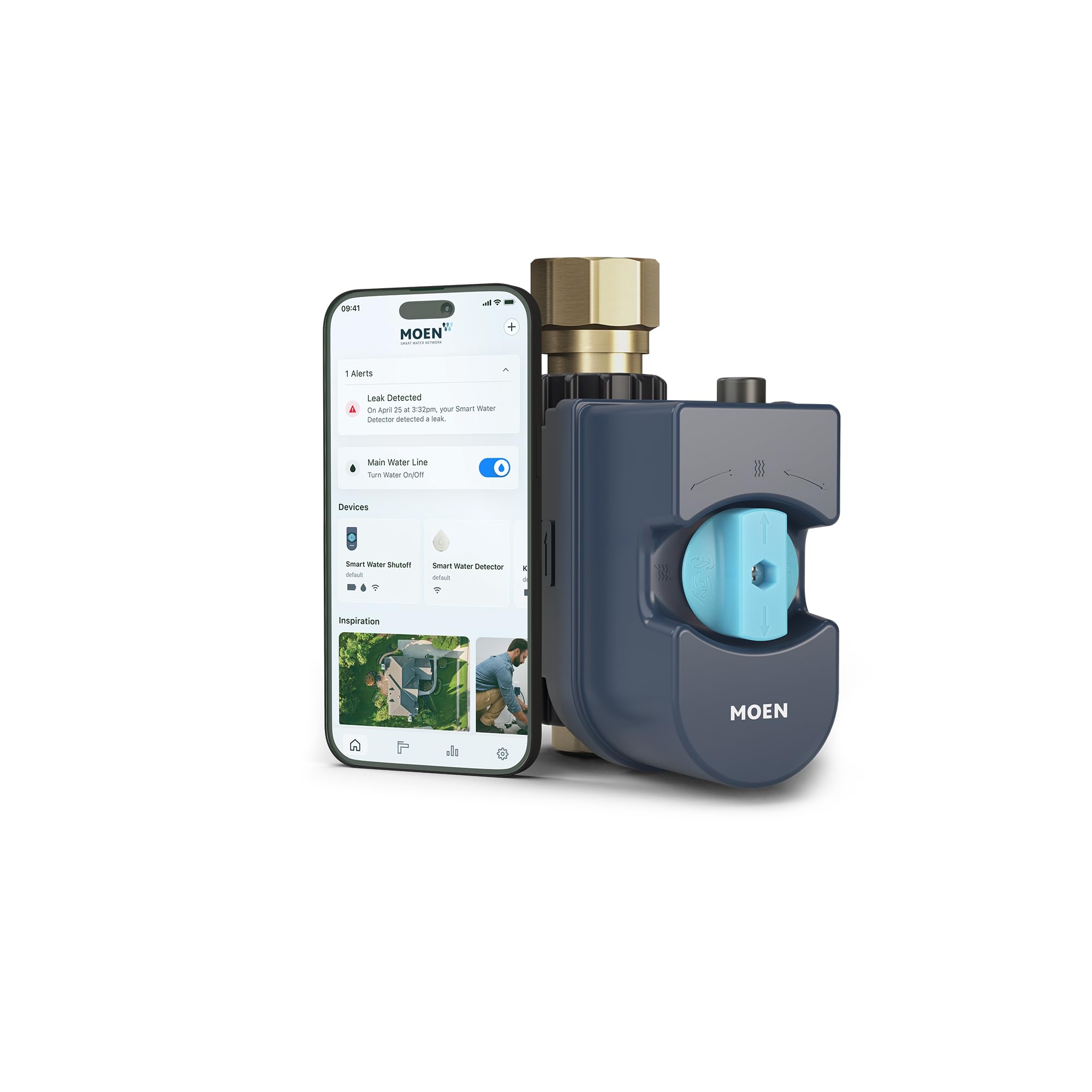
Moen Flo Smart Water Monitor and Automatic Shutoff Sensor, Wi-Fi Water Leak Detector for 3/4-Inch Diameter Pipe, 900-001 - Tub And Shower Faucets - Amazon.com
Moen Flo Smart Water Monitor and Automatic Shutoff Sensor, <strong>Wi-Fi Water Leak Detector for 3/4-Inch Diameter Pipe</strong>, 900-001 - Tub And Shower Faucets - Amazon.com
Check Price on AmazonIf you’re bundling, it helps to check auto rates at the same time. Utah auto pricing has shifted the past few years, so you want a carrier that’s competitive on both lines. To explore your auto options, see our guide to Auto Insurance in Utah: Rates, Requirements & How to Save.
Filing a home insurance claim in Utah
When something bad happens, process matters. Here’s a Utah‑ready playbook.
- Make it safe and prevent further damage: Turn off water, board windows, tarp the roof. Keep receipts—mitigation costs are typically covered.
- Document everything: Take photos/video before cleanup. Create a simple room‑by‑room inventory of damaged items with approximate values.
- Contact your carrier or agent promptly: Most policies require “prompt notice.” Provide the basics: date/time, cause, areas affected, and any emergency repairs completed.
- Meet the adjuster: Walk the property together. Point out hidden damage (attic, crawlspace, behind baseboards after water). Ask about next steps and timelines.
- Review your settlement: Confirm whether the payout is ACV first (common). With replacement cost coverage, you’ll typically receive additional funds after you submit receipts for completed repairs.
- Disagree? Escalate professionally: Ask for a reinspection, provide contractor estimates, or use the policy’s appraisal process. You can also consult a public adjuster or attorney for complex claims.
Utah expects insurers to handle claims promptly and fairly. Timelines vary by carrier and claim complexity, but many will acknowledge your claim within a few business days and issue decisions once they have your proof of loss and estimates. Catastrophe events can slow things down—keep communication in writing and maintain a simple log of calls and emails.
Pro tip: For wind or hail losses, some Utah carriers have preferred contractor networks. You’re not usually required to use them, but ask if doing so affects workmanship guarantees or supplemental payments.
FAQ: common questions about Utah homeowners insurance
- Is home insurance required in Utah? Not by state law. But if you have a mortgage, your lender will require it. Even without a mortgage, going bare is risky in Utah given wildfire and earthquake exposures.
- Are earthquakes covered? No—earth movement is excluded. You need separate earthquake insurance (standalone or endorsement if available). Expect higher deductibles (10%–25%) and limited coverage for external masonry.
- Do I need flood insurance? Standard policies exclude flood. If you’re in a mapped high‑risk flood zone or near desert washes (common in southern Utah), consider an NFIP or private flood policy. Lenders will require it in high‑risk zones.
- How much is home insurance in Utah? Many homeowners see $900–$1,600 per year for mid‑priced homes in the Wasatch Front, but Park City and rural wildfire areas can be higher. Your price depends on your home’s specifics, location, roof, claims history, and credit tier.
- Which companies are cheapest? It changes by zip code and profile. In many Utah areas, Bear River Mutual, Travelers, State Farm, American Family, and USAA (if eligible) can be competitive—but you’ll want to compare 3–5 quotes.
- Does my credit affect my rate? Typically yes. Utah allows credit‑based insurance scores, which can move your rate up or down. Improving on‑time payments and reducing revolving balances can help over time.
- Condo or townhome—what’s different? Review the HOA master policy type (bare walls vs. all‑in). Your HO‑6 policy should cover interior finishes, personal property, loss of use, and your portion of HOA loss assessments.
- Short‑term rentals: If you AirBnB a room or the whole home, tell your insurer. You may need a home‑sharing endorsement or landlord/short‑term rental policy to avoid claim denials.
Your next step
You’ve got the Utah‑specific context. Now make the numbers real for your address. The smartest move is to compare home insurance quotes from 3–5 carriers with identical limits and deductibles. That’s how you’ll see your actual price range and which company values your home’s specifics—roof, location, and updates—most favorably.
If you want help tailoring coverage or weighing earthquake and wildfire add‑ons, talk with a licensed agent. They can model different deductibles, show how endorsements change your premium, and point out savings you might miss.
CTA: Ready to see your real options? Take five minutes to line up quotes with the same coverage—and keep one flexible deductible in your back pocket to test the price difference. It’s the quickest path to a confident decision.
Recommended Resources
Insurance for Dummies: Hungelmann, Jack
<strong>Manage life, health, and disability risks</strong> ― explore individual and group policies, understand Medicare basics, and evaluate long-term disability and long-term-care insurance ...
Moen Flo Smart Water Monitor and Automatic Shutoff Sensor, Wi-Fi Water Leak Detector for 3/4-Inch Diameter Pipe, 900-001 - Tub And Shower Faucets - Amazon.com
Moen Flo Smart Water Monitor and Automatic Shutoff Sensor, <strong>Wi-Fi Water Leak Detector for 3/4-Inch Diameter Pipe</strong>, 900-001 - Tub And Shower Faucets - Amazon.com
Ready America 72 Hour Deluxe Emergency Kit, 4-Person ...
Prepare for the unexpected with comprehensive earthquake emergency kits. <strong>Explore options for 2-4 people with essential supplies like food, water, and first aid</strong>.
Related Articles
- Home Insurance in Wyoming: Coverage, Costs & Best Companies
- Auto Insurance in Utah: Rates, Requirements & How to Save
- Home Insurance in Vermont: Coverage, Costs & Best Companies
- Home Insurance in Idaho: Coverage, Costs & Best Companies
- Home Insurance in Tennessee: Coverage, Costs & Best Companies
- Health Insurance in Utah: Plans, Costs & How to Enroll
- Home Insurance in Nebraska: Coverage, Costs & Best Companies
- Home Insurance in Illinois: Coverage, Costs & Best Companies