
Auto Insurance in Utah: Rates, Requirements & How to Save
You’re shopping for auto insurance in Utah and the quotes don’t all match. Which one is right for you, and how do you know you’re not overpaying? Utah is a no-fault state, which changes how medical bills get paid after a crash, and that affects both your coverage needs and your price. Here’s what actually matters when choosing a policy in Utah—and how to get a fair rate without cutting critical protection.
Utah auto insurance requirements and minimum coverage
Utah requires every driver to carry liability insurance and Personal Injury Protection (PIP). Here’s the minimum you must have (as of 2024; laws can change):
- Bodily Injury Liability: $25,000 per person and $65,000 per accident (covers injuries you cause to others)
- Property Damage Liability: $15,000 per accident (covers damage you cause to others’ property)
- Personal Injury Protection (PIP): at least $3,000 per person (pays your and your passengers’ medical bills after a crash, regardless of fault)
Jargon decoder:
- Liability coverage: Pays for others’ injuries and property damage when you’re at fault. It doesn’t repair your car.
- PIP: Personal Injury Protection—your first layer of medical coverage after a crash, no matter who caused it. PIP typically pays medical bills and may provide limited benefits for lost wages or essential services, depending on the policy.
What about Uninsured/Underinsured Motorist (UM/UIM)?
- Insurers in Utah must offer UM/UIM (covers you if the at-fault driver has no insurance or not enough). You can reject it in writing, but most drivers should keep it because it fills a big gap if you’re hit by an underinsured driver.
Other coverage you might need (not required by law):
- Collision: Repairs or replaces your car after a crash with another vehicle or object, regardless of fault; subject to a deductible (the amount you pay out of pocket before insurance pays).
- Comprehensive: Covers non-crash damage (theft, vandalism, hail, animal strikes, falling objects), also with a deductible.
- Rental reimbursement: Helps pay for a rental car while yours is in the shop for a covered claim.
- Roadside assistance: Towing, jump-starts, lockouts.
- Gap insurance: Covers the difference between your car’s value and your loan/lease balance if the car is totaled. Often smart for new or leased vehicles.
Note: Lenders and leasing companies typically require collision and comprehensive if you finance or lease.
A quick word on limits: Utah allows a combined single limit (CSL) policy of $80,000 in place of split limits (25/65/15). Many drivers choose higher limits like 100/300/100 or a $300,000 CSL to better protect savings and home equity. Even a minor injury can exceed state minimums quickly.
Proof of insurance: Utah uses electronic verification. Driving without insurance can lead to fines, license suspension, and vehicle impoundment, depending on the situation.
Average car insurance rates in Utah by age, vehicle, and driving record
Rates vary by driver, vehicle, and ZIP code—so use these figures as directional ranges, not promises. The fastest way to see what you would actually pay is to compare quotes from 3–5 carriers for the same coverage and deductibles.
Typical Utah ranges (for illustrative purposes):
- Good driver, 30-year-old, full coverage: about $1,200–$1,900 per year
- Minimum coverage for a 30-year-old: about $500–$900 per year
- Teen driver added to a parent’s policy: often +$1,500–$3,500 per year (teens alone can see $3,000–$6,000+)
- After an at-fault accident: commonly +20% to +50%
- After a DUI: commonly +50% to +100% or more, plus an SR‑22 filing (an insurer’s certificate proving you have coverage)
Examples to make it concrete (your results will vary):
- You’re 35, married, clean record, in West Jordan, driving a 2018 Honda CR‑V with 100/300/100 liability and $500 deductibles. You might see full-coverage quotes from roughly $1,250 to $1,850 per year across carriers.
- You’re 22, single, in Logan, driving a 2016 Subaru Impreza with minimum coverage. Quotes might range $800 to $1,400 per year, with big swings based on credit-based insurance scores and prior insurance history.
- You’re 45, in St. George, with a recent at-fault crash and a paid-off 2015 Toyota Camry. If you carry full coverage, you might see $1,600 to $2,400 until the accident ages off.
- You’re 19, a student in Provo, added to a parent policy with telematics (a usage-based program that tracks driving). A strong telematics score can sometimes trim hundreds off teen surcharges.
Vehicle matters, too:
- Family sedans and small SUVs often rate lower than luxury or performance cars.
- Newer models with advanced safety features can get discounts, but higher repair costs may offset some savings.
Factors that affect Utah auto insurance premiums
Here’s what actually moves your price in Utah:
- Location: Urban areas like Salt Lake County typically cost more than rural counties due to higher claim frequency and repair costs.
- Driving history: Tickets, at-fault crashes, and especially DUIs can dramatically raise rates. A DUI in Utah often triggers an SR‑22 requirement (your insurer files proof of insurance with the state), usually for about three years.
- Age and experience: Teens and new drivers pay more because claim rates are higher in those groups.
- Vehicle type and value: Expensive or high-horsepower models cost more to fix or replace; parts and theft risk matter, too.
- Coverage choices: Higher liability limits raise premiums; raising deductibles on collision and comprehensive can lower premiums.
- Annual mileage: Fewer miles can mean lower risk and lower rates, especially if you qualify for a low-mileage or pay-per-mile program.
- Credit-based insurance score: In Utah, insurers may use a credit-based insurance score to help predict risk. Better scores typically see lower premiums (this is not a credit check for a loan, and it doesn’t impact your credit score).
- Prior insurance and lapses: Continuous coverage can save money. A lapse (going uninsured) can push your rate up.
- Claims patterns where you live: Hail, windshields damaged by road debris, and deer collisions can influence comprehensive rates in certain corridors.
- Telematics program participation: Safe driving tracked by an app or device can lead to sizable savings for some drivers.
How to compare and get the cheapest auto insurance in Utah
The cheapest policy isn’t the one with the lowest monthly payment—it’s the one that gives you enough protection without paying for things you don’t need. Here’s a step-by-step way to compare smartly.
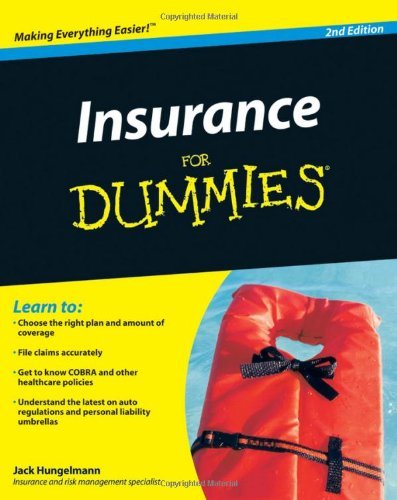
Insurance For Dummies?: Hungelmann, Jack
Whether you’re a homeowner or ... need on: ... Author Jack Hungelmann <strong>uses his twenty-five years of experience in the insurance industry to make buying insurance as simple as possible</strong>
Check Price on Amazon- Set your coverage targets before shopping
- Start with at least 50/100/50 liability; many households choose 100/300/100 or higher. If you own a home or have savings, go higher. Consider a personal umbrella policy for an extra layer of liability protection.
- Keep UM/UIM (Uninsured/Underinsured Motorist) at the same limits as your liability whenever possible. It protects you from drivers with little or no insurance.
- Utah PIP is required at a $3,000 minimum. Ask about options to increase PIP benefits if your health plan has high deductibles or limited rehab coverage.
- Decide on collision/comprehensive if your car is newer, financed, or you can’t easily afford to replace it.
- Set deductibles you can truly afford today (common choices: $500–$1,000). A higher deductible lowers your premium but raises your out-of-pocket costs after a claim.
- Gather accurate info for quotes
- Vehicle VINs, annual mileage, safety features, and garaging ZIPs.
- Driver details: dates of birth, license numbers, driving history, and continuous insurance timeline.
- Desired start date and any lender/lease requirements.
- Compare at least 3–5 carriers, apples-to-apples
- Same limits, deductibles, and drivers on each quote.
- Consider regional Utah carriers alongside national brands; smaller insurers can be very competitive in certain ZIPs.
- Evaluate more than price What to look for:
- Claims reputation: Look for strong customer satisfaction and responsive claims handling.
- Financial strength: A.M. Best ratings help you gauge an insurer’s ability to pay claims.
- Repair options and parts: Ask about OEM parts on newer vehicles and whether you can choose your body shop.
- Glass coverage: Utah roads can be tough on windshields. Some carriers offer separate or zero-deductible glass coverage—worth asking about.
- Accident forgiveness/vanishing deductible: Can buffer your rate after your first at-fault claim.
- Medical coordination: Understand how PIP interacts with your health insurance.
- Hunt for discounts you actually qualify for
- Bundle home/condo/renters with auto.
- Telematics/usage-based programs if you’re a consistently safe driver.
- Good student and distant-student (for teens away at college without a car).
- Defensive driving or mature driver courses (verify Utah-approved classes with your insurer).
- Pay-in-full, paperless billing, autopay, and early shopping.
- Adjust thoughtfully
- If the total still feels high, try raising your collision/comprehensive deductibles moderately, but don’t cut liability or UM/UIM below what would protect your assets.
- Consider minimum coverage only if you drive an older, low-value car you could afford to replace and don’t have significant assets at risk—and recognize that it’s a trade-off.
Helpful next step: The fastest way to see what you would actually pay is to compare personalized quotes from 3–5 carriers. Spend 10 minutes entering accurate info once, and let the numbers decide.
Utah-specific discounts and savings opportunities
While discount names vary by insurer, here are opportunities we frequently see in Utah:
- Telematics/driver behavior programs: Particularly valuable for teen and young adult drivers in places like Provo, Logan, and Ogden.
- Multi-policy and multi-vehicle: Bundling usually trims 10%–25% off one or both policies, depending on the carrier.
- Good student and driver training: Utah families with high school or college drivers can save when teens maintain a B average and complete approved driver training.
- Low-mileage or commuter discounts: If you work from home or have a short commute, ask about mileage tiers or pay-per-mile options.
- Safety and anti-theft features: Discounts for vehicles with automatic emergency braking, lane assist, or active anti-theft systems.
- Military and affinity: If you’re active-duty, a veteran, or a member of certain professional associations, ask about special pricing.
Insider tip: Because Utah is a no-fault state with a required PIP component, clarify how your PIP benefits are structured, and whether increasing PIP or adding optional medical payments would meaningfully help your household based on your health plan deductibles.
Filing a claim in Utah: what to expect
Step-by-step after a crash:
- Safety first: Move to a safe spot if possible, check for injuries, and call 911 if needed.
- Exchange info: Names, contact details, driver’s license numbers, plates, and insurance details.
- Document: Take photos of all vehicles, road conditions, and the scene. Get witness info if available.
- Report: Notify your insurer promptly. Many policies require “prompt notice” to preserve coverage.
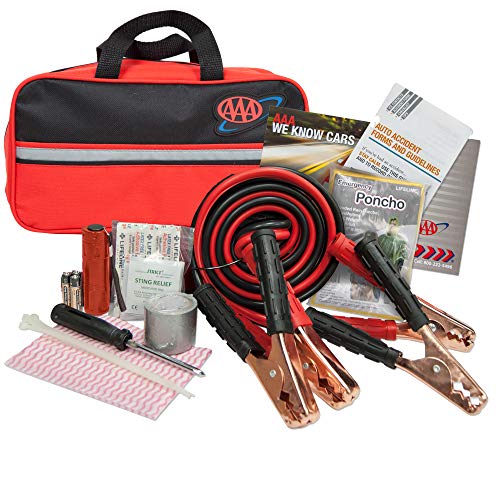
Lifeline AAA Premium Road Kit, 42 Piece Emergency Car Kit with Jumper Cables, Flashlight and First Aid Kit,4330AAA,Black : Everything Else
View on Amazon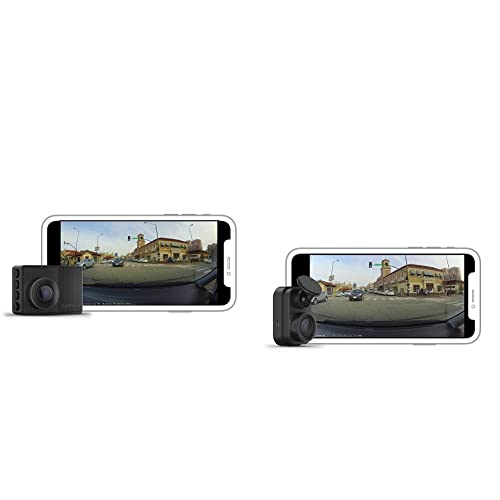
Garmin Dash Cam Mini 2, Tiny Size, 1080p and 140-degree FOV, Monitor Your Vehicle While Away w/ New Connected Features, Voice Control (Renewed) : Electronics
Amazon.com: Garmin Dash Cam Mini 2, <strong>Tiny Size, 1080p and 140-degree FOV, Monitor Your Vehicle While Away w/ New Connected Features, Voice Control</strong> (Renewed) : Electronics
Check Price on AmazonHow Utah’s no-fault rules work:
- Your PIP pays first for covered medical bills up to your limit (minimum $3,000) regardless of fault.
- You can pursue pain-and-suffering damages from the at-fault driver only if your medical expenses exceed $3,000 or you suffer certain serious injuries (such as permanent disfigurement, permanent disability, dismemberment, or death). This is called Utah’s “no-fault threshold.”
Property damage and fixing your car:
- If you carry collision, your insurer can repair your car minus your deductible—fast and regardless of fault—then recover from the at-fault insurer later (called subrogation).
- If you don’t carry collision, you’ll typically pursue the at-fault driver’s property damage liability. That can take longer because fault must be investigated.
- Comprehensive claims (hail, theft, animal strikes) are generally not fault-based and only require your comprehensive deductible.
Choosing a repair shop and parts:
- You generally can choose your repair shop. Ask your insurer about parts (OEM vs. aftermarket) and whether your policy includes any OEM parts endorsement for newer vehicles.
Timeline and records:
- Keep receipts for everything (towing, rental, medical, etc.).
- Stay in touch with your adjuster and respond quickly to requests for information to keep the claim moving.
Legal deadlines exist for filing injury or property claims. If injuries are involved, consider speaking with a licensed attorney to protect your rights.
FAQ: common questions about Utah car insurance
Is Utah a no-fault state?
- Yes. Utah is a no-fault state for medical coverage. Your PIP pays first for medical bills, regardless of who caused the crash. You can pursue non-economic damages from the at-fault driver only if you meet the no-fault threshold (medical costs over $3,000 or specific serious injuries).
What is the minimum car insurance required in Utah?
- 25/65/15 liability and $3,000 PIP. Insurers must offer UM/UIM, but you can reject it in writing (we typically recommend keeping it).
Do I need more than the minimum?
- Usually, yes. Medical costs and vehicle repair bills can outpace state minimums quickly. Consider at least 50/100/50—or better, 100/300/100—with UM/UIM matched to your liability limits.
How can I lower my rate without losing important coverage?
- Bundle home/renters, enroll in telematics, increase deductibles moderately, keep a clean driving record, and shop 3–5 insurers. Don’t skimp on liability or UM/UIM—raise deductibles on collision/comprehensive instead if needed.
Will a not-at-fault accident raise my rate?
- It depends on the insurer and claim details. Some carriers surcharge only at-fault accidents; others may raise rates after multiple not-at-fault claims. Ask about accident forgiveness.
What is an SR‑22 in Utah and when is it required?
- An SR‑22 is a certificate your insurer files with the state to prove you carry the required insurance. It’s typically required after serious violations like a DUI or driving without insurance. In many cases it must be maintained for about three years.
Can I use out-of-state insurance if I’m living in Utah?
- If your vehicle is primarily garaged in Utah, you generally need a Utah-compliant policy. Registering the car in Utah usually requires in-state insurance.
What if I drive for Uber, Lyft, or deliver food?
- Personal auto policies often exclude “livery” or ride-hailing. Ask your insurer about a rideshare endorsement or consider a rideshare/commercial policy to avoid coverage gaps.
Do I need extra glass coverage in Utah?
- Utah highways can be tough on windshields due to road debris and winter conditions. Some carriers offer full or reduced-deductible glass options. It’s often an inexpensive add-on.
—
Need help sorting through quotes? A licensed agent can help you right-size coverage for your situation and explain how PIP, UM/UIM, and deductibles work with your budget.
Ready to see your real price? Compare personalized quotes from 3–5 insurers using the same coverage settings. In most cases, that’s the fastest way to find a better deal on auto insurance in Utah without leaving coverage holes.
Recommended Resources
Insurance For Dummies?: Hungelmann, Jack
Whether you’re a homeowner or ... need on: ... Author Jack Hungelmann <strong>uses his twenty-five years of experience in the insurance industry to make buying insurance as simple as possible</strong>
Garmin Dash Cam Mini 2, Tiny Size, 1080p and 140-degree FOV, Monitor Your Vehicle While Away w/ New Connected Features, Voice Control (Renewed) : Electronics
Amazon.com: Garmin Dash Cam Mini 2, <strong>Tiny Size, 1080p and 140-degree FOV, Monitor Your Vehicle While Away w/ New Connected Features, Voice Control</strong> (Renewed) : Electronics
Lifeline AAA Premium Road Kit, 42 Piece Emergency Car Kit with Jumper Cables, Flashlight and First Aid Kit,4330AAA,Black : Everything Else
Amazon.com: <strong>Lifeline AAA Premium Road Kit</strong>, 42 Piece Emergency Car Kit with Jumper Cables, Flashlight and First Aid Kit,4330AAA,Black : Everything Else
Related Articles
- Auto Insurance in Wyoming: Rates, Requirements & How to Save
- Auto Insurance in Vermont: Rates, Requirements & How to Save
- Health Insurance in Utah: Plans, Costs & How to Enroll
- Auto Insurance in Nebraska: Rates, Requirements & How to Save
- Auto Insurance in Idaho: Rates, Requirements & How to Save
- Auto Insurance in Oklahoma: Rates, Requirements & How to Save
- Auto Insurance in Tennessee: Rates, Requirements & How to Save
- Auto Insurance in South Dakota: Rates, Requirements & How to Save