
Home Insurance in Tennessee: Coverage, Costs & Best Companies
You’re shopping for home insurance in Tennessee and the numbers feel all over the place. What actually matters, what’s typical for our state, and how do you avoid overpaying while staying properly covered? Here’s the straight talk on Tennessee homeowners insurance—how policies work, what they cost, the risks unique to the Volunteer State, and the smartest way to compare quotes.
Tennessee homeowners insurance requirements and typical coverage
There’s no state law requiring homeowners to carry insurance, but if you have a mortgage your lender will require it. Even if you own your home outright, going without coverage is a big financial gamble given Tennessee’s severe storm and tornado risk.
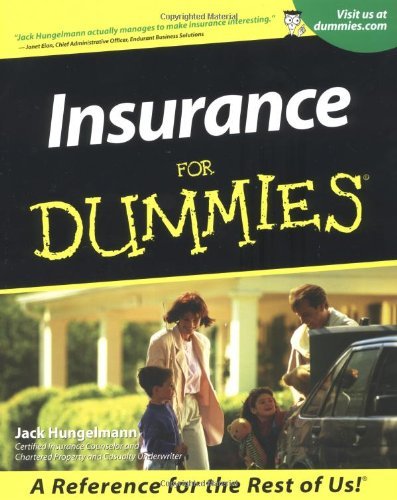
Insurance for Dummies: Hungelmann, Jack
<strong>Manage life, health, and disability risks</strong> ― explore individual and group policies, understand Medicare basics, and evaluate long-term disability and long-term-care insurance ...
Check Price on AmazonMost Tennessee homeowners buy an HO-3 policy (the standard home policy). Here’s what it typically includes:
- Dwelling (Coverage A): Pays to repair or rebuild the structure of your home if it’s damaged by a covered peril (like fire, wind, hail). Aim for the replacement cost of your home—not the market price—so the insurer can rebuild at today’s materials and labor costs.
- Other Structures (Coverage B): Sheds, fences, detached garages—often 10% of Coverage A by default.
- Personal Property (Coverage C): Your belongings (furniture, clothes, electronics). You can opt for replacement cost coverage (pays to replace with new) instead of actual cash value (pays depreciated value). Replacement cost usually costs a bit more but protects you better.
- Loss of Use (Coverage D): Also called additional living expense. Covers hotel, short-term rentals, and extra costs if you can’t live at home during repairs after a covered loss.
- Personal Liability (Coverage E): If you’re found legally responsible for injuring someone or damaging their property. Many Tennessee homeowners choose $300,000 to $500,000. Consider more if you have significant assets or a pool/trampoline.
- Medical Payments to Others (Coverage F): Pays small medical bills for guests hurt on your property, typically $1,000 to $5,000, regardless of fault.
- Deductible: The amount you pay out of pocket before insurance kicks in. Common options in Tennessee are $1,000 to $2,500. Higher deductibles lower your premium but increase what you’ll pay when something happens.
Common add-ons (endorsements) worth considering in Tennessee:
- Water Backup of Sewer/Drain: Covers damage from a backed-up drain or sump pump overflow (usually excluded without this add-on).
- Ordinance or Law (Building Code) Coverage: Pays the extra cost to bring repairs up to current codes. Handy in cities like Nashville or Franklin where codes are actively updated.
- Scheduled Personal Property: Extra coverage for jewelry, watches, fine art, or collectibles beyond standard limits.
- Service Line Coverage: Pays to repair underground water, sewer, or electrical lines you’re responsible for on your property.
- Equipment Breakdown: Covers sudden mechanical or electrical breakdown of systems like HVAC.
What’s not covered by default:
- Flood: Standard home insurance doesn’t cover flood (rising water from outside). You can buy a separate policy through the National Flood Insurance Program (NFIP) or private insurers. This is relevant statewide because flash flooding and river flooding are common.
- Earthquake: Also excluded, but an earthquake endorsement or a separate policy is usually available.
- Sinkholes: Often excluded under a standard policy. In Tennessee, many insurers offer optional sinkhole coverage—ask specifically if this risk concerns you.
Average home insurance costs in Tennessee by home value and location
Rates vary widely based on your home’s age, roof type, local fire protection, claims history, credit-based insurance score, and the exact coverage you select. That said, Tennessee premiums are typically higher than the national average because of severe convective storms (tornadoes, hail, wind) and increasing rebuild costs.
Here are ballpark ranges for homeowners with a clean claims history, good credit, and a standard HO-3 policy with replacement cost on the dwelling and belongings. These are hypothetical examples for educational purposes—actual quotes will differ by insurer and individual profile.
By dwelling coverage amount (replacement cost):
- $200,000 coverage: roughly $1,400 to $2,300 per year in many areas
- $350,000 coverage: roughly $2,000 to $3,200 per year
- $500,000 coverage: roughly $2,800 to $4,500+ per year
By Tennessee region and city (for a newer roof, frame construction, $350,000 dwelling coverage, $1,500 deductible):
- Nashville–Davidson/Middle TN suburbs (Franklin, Murfreesboro, Hendersonville): about $2,100 to $3,200
- Memphis–Shelby County/West TN: about $2,300 to $3,500 (higher in some neighborhoods due to storm and theft risk)
- Knoxville and surrounding counties: about $1,800 to $2,900
- Chattanooga/Hamilton County: about $1,900 to $3,000
- Tri-Cities (Johnson City, Kingsport, Bristol): about $1,700 to $2,700
- Rural areas without nearby fire hydrants or staffed stations may see higher rates due to fire protection class
Real-world scenario: Say you have a 2,000-square-foot, 1998-built home in Murfreesboro with a 5-year-old architectural shingle roof, $350,000 dwelling coverage, $1,000 deductible, replacement cost on contents, and $500,000 liability. Typical quotes might cluster between $2,000 and $2,900 annually, but you could see outliers higher or lower depending on the insurer’s rating model, your personal history, and the exact endorsements.
Key cost drivers in Tennessee:
- Roof age and type: Many carriers price aggressively for new roofs and may limit coverage or pay actual cash value (depreciated amount) for older roofs unless you pay for replacement cost.
- Wind/hail exposure: Tornado alley overlaps much of the state; some insurers use separate wind/hail deductibles.
- Claims and credit-based insurance score: Prior weather or water claims and lower credit-based scores typically push rates higher.
- Construction costs: Labor and materials inflation has increased replacement cost estimates.
Tennessee-specific risks: natural disasters, weather, and regional factors
Tennessee sees a little of everything weather-wise. Here’s how that translates to coverage choices:
- Tornadoes, straight-line winds, and hail: Covered perils under standard policies. Watch for separate wind/hail deductibles expressed as a flat dollar amount or a percentage of your dwelling coverage. A 1% wind/hail deductible on a $350,000 home equals $3,500 per wind/hail claim.
- Flood and flash flood: Not covered by standard home insurance. If you live near the Cumberland or Tennessee Rivers or in flash-flood-prone valleys, strongly consider flood insurance through NFIP or a private carrier. Even outside high-risk zones, heavy thunderstorms can overwhelm drainage systems.
- Earthquake: West Tennessee sits near the New Madrid Seismic Zone. An earthquake endorsement or standalone policy typically carries a percentage deductible (often 10%–20% of Coverage A). Costs vary based on location and construction type.
- Sinkholes and karst terrain: Parts of Middle and East Tennessee have limestone geology that can create sinkholes. Standard policies often exclude sinkhole collapse; ask about optional sinkhole coverage availability and what triggers a claim.
- Wildfire: The 2016 Great Smoky Mountains fires were a wake-up call. If you’re in a wooded area, keep defensible space around the home and verify your policy includes replacement cost and adequate loss of use.
- Winter storms and ice: Burst pipes and ice damming are common cold-weather claims. Add water backup coverage and keep your deductible at a level you can comfortably pay.
Smart add-ons many Tennessee homeowners buy:
- Water backup (often $5,000–$25,000 limits available)
- Service line ($10,000–$25,000 typical limits)
- Ordinance or law (commonly 10%–25% of Coverage A; consider more for older homes)
- Replacement cost on personal property
- Extended or guaranteed replacement cost for the dwelling (adds 10%–50% cushion above Coverage A if rebuild costs spike)
Best home insurance companies in Tennessee: what to know
The “best” company depends on your home, location, and budget. In Tennessee, you’ll typically find options from large national carriers and strong regional or mutual companies. These names frequently appear on Tennessee quote comparisons:
- State Farm, Allstate, Nationwide, Travelers, and Farmers: Broad availability, robust digital tools. Policy forms and roof coverage vary, so read the fine print.
- USAA: Excellent for active duty military, veterans, and eligible family members. Membership required.
- Tennessee Farmers Mutual (Farm Bureau Insurance of Tennessee): Popular in-state option accessed through agents.
- Erie Insurance, Auto-Owners, and Shelter: Often competitive through independent agents; availability varies by county.
- Safeco (a Liberty Mutual company): Wide network of independent agents and optional add-ons.
What to look for in a “best” fit:
- Strong roof coverage: Prefer replacement cost on roof surfaces, not actual cash value. Confirm how age and shingle type affect payouts.
- Clear wind/hail deductible: Know whether it’s separate and if it’s a flat amount or a percentage.
- Consistent claims handling: Look for 24/7 claims reporting, local adjuster availability after severe weather, and solid customer satisfaction scores.
- Endorsement flexibility: Ability to add water backup, service line, and extended replacement cost at reasonable prices.
- Financial strength: AM Best ratings of A- or better are a common benchmark.
How to compare home insurance quotes in Tennessee
Here is what actually matters when choosing among Tennessee quotes:
- Set the right dwelling coverage
- Use your home’s estimated replacement cost, not the purchase price. Ask for a replacement cost estimator and review assumptions (square footage, quality grade, roof type, exterior finish).
- Consider extended replacement cost (e.g., +25% above Coverage A) to offset inflation and demand surges after big storms.
- Match key endorsements across quotes
- Replacement cost on personal property vs. actual cash value
- Water backup limit (try for at least $10,000 if you have a basement or below-grade plumbing)
- Ordinance or law (aim for 10%–25% on older homes)
- Service line coverage if you have older underground lines
- Compare deductibles apples-to-apples
- Standard deductible (e.g., $1,000) and any separate wind/hail deductible. A lower premium with a 2% wind deductible can mean thousands more out of pocket after a storm.
- Scrutinize roof language
- Some TN policies shift older roofs to actual cash value or use a roof surfacing payment schedule. Ask how your specific roof would be covered tomorrow if hail hits.
- Check liability basics
- At least $300,000; consider $500,000 or an umbrella policy if you have higher risk factors (pool, trampoline, frequent entertaining).
- Look beyond price
- Ask about claim response times after severe weather, local contractor networks, and how supplements are handled during repairs.
- Shop with 3–5 carriers
- Independent agents can pull multiple quotes at once, or you can compare online. The fastest way to see what you would actually pay is to compare quotes from 3–5 carriers with identical coverage settings.
Call-to-action: Ready to see real numbers for your home? Compare side-by-side quotes from 3–5 Tennessee-friendly carriers with the same coverage details and deductible. It’s the quickest way to find the right balance of protection and price.
Discounts and bundling opportunities for Tennessee homeowners
Most insurers stack multiple ways to save. Common discounts include:
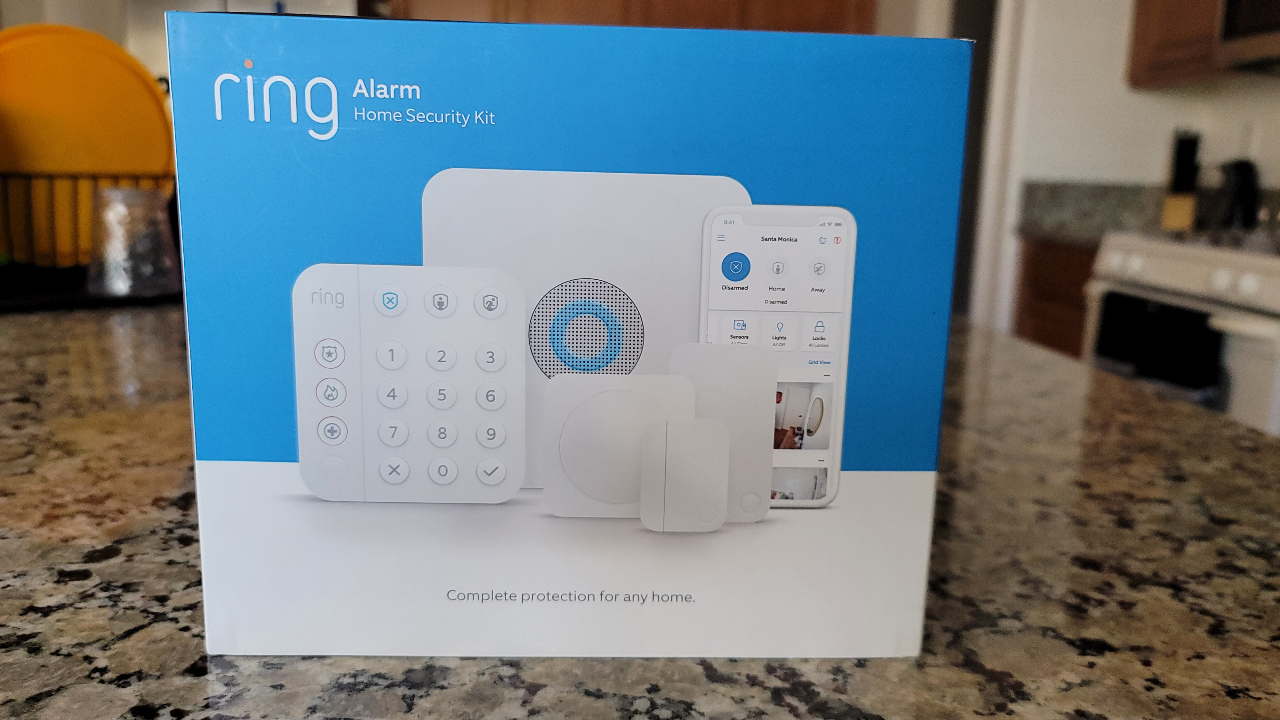
Ring Alarm 8-piece kit (2nd Gen) – home security system
View on Amazon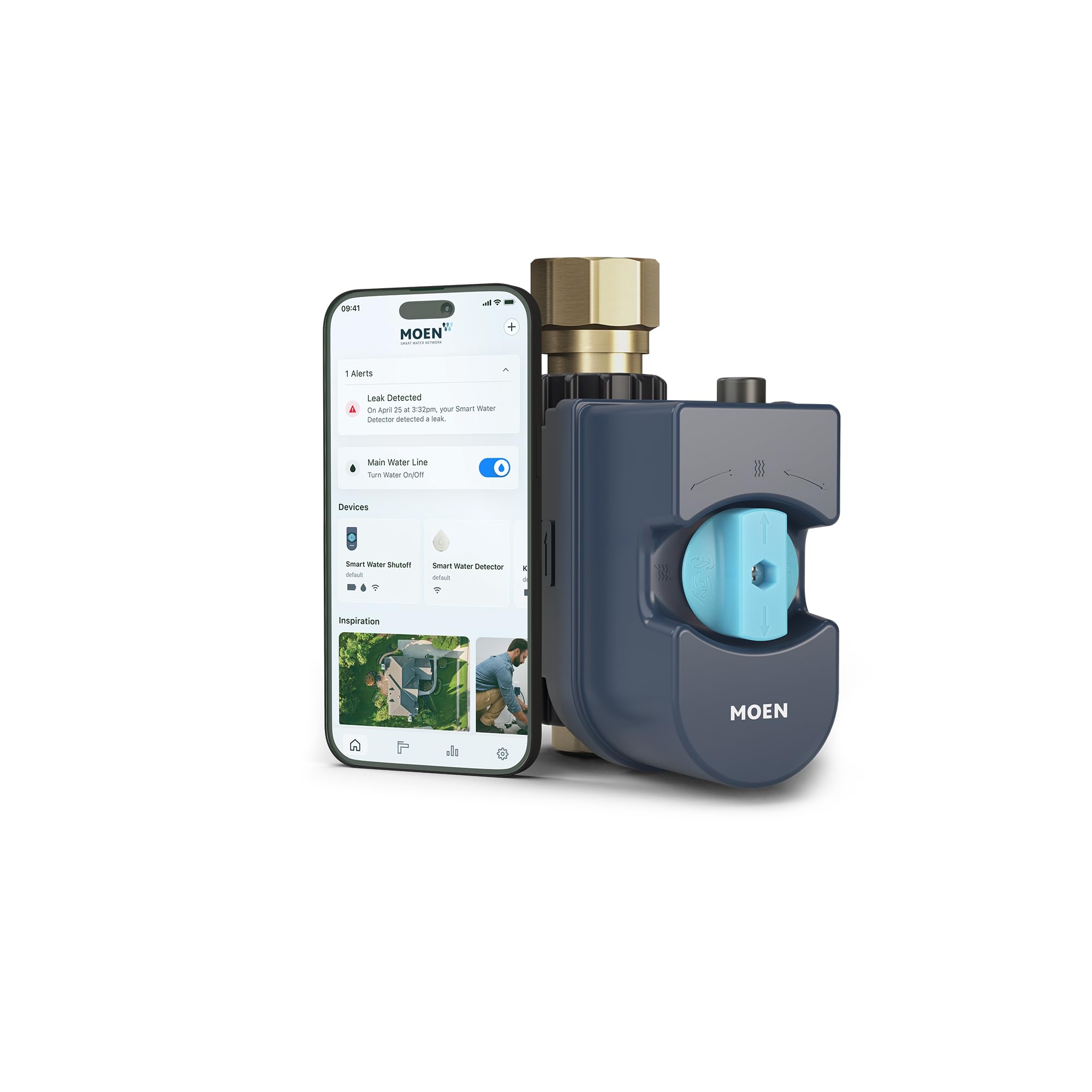
Moen Flo Smart Water Monitor and Automatic Shutoff Sensor, Wi-Fi Water Leak Detector for 3/4-Inch Diameter Pipe, 900-001 - Tub And Shower Faucets - Amazon.com
View on Amazon- Bundle home and auto: Often the biggest savings. If you’re considering a bundle, cross-check your car rates too. Our Tennessee auto guide can help you evaluate options: Auto Insurance in Tennessee: Rates, Requirements & How to Save
- New roof or impact-resistant shingles: Many carriers offer meaningful credits for Class 3 or Class 4 IR shingles.
- Protective devices: Monitored fire/burglar alarms, smart sensors, and water leak detectors.
- Claims-free: Staying loss-free for several years can unlock lower rates.
- Newer home or recent updates: Electrical, plumbing, heating, and roof upgrades can reduce risk.
- Pay-in-full, auto-pay, paperless: Usually small but easy wins.
- First-time homebuyer or loyalty: Varies by insurer.
Tip: Ask your agent to run the exact same quote with and without each discount (especially roof-related and bundle credits) so you can see the real impact on your premium.
If you own property across state lines, you may benefit from multi-state discounts with the same carrier:
- Second home or cabin in the mountains? See: Home Insurance in North Carolina: Coverage, Costs & Best Companies
- Lake house near the Georgia border? See: Home Insurance in Georgia: Coverage, Costs & Best Companies
Filing a home insurance claim in Tennessee
When a storm hits, here’s a practical playbook that fits most Tennessee policies:
- Stay safe and prevent further damage
- Turn off utilities if needed. Board up broken windows or tarp the roof to prevent new water intrusion. Keep receipts—these emergency costs are typically reimbursable.
- Document everything
- Take photos and video of all damage before cleanup. Create a room-by-room list of affected items with approximate purchase dates and costs.
- Notify your insurer promptly
- Most policies require prompt notice of loss. Provide the date of loss, cause, and a general description. Ask about next steps and whether an in-person inspection is needed.
- Meet the adjuster
- Walk the adjuster through all damage, including hidden areas like attics or crawlspaces. If contractors provide estimates, share them. For big losses, consider a second contractor bid.
- Review the settlement
- Many Tennessee policies pay actual cash value (depreciated amount) first, then release recoverable depreciation after repairs are complete and invoices are submitted. Confirm timelines and documentation requirements.
- Be cautious after storms
- Watch for door-to-door “storm chasers” pushing quick contracts. Verify any contractor’s license and insurance, and avoid signing over your claim proceeds. You can always consult the Tennessee Department of Commerce & Insurance for consumer resources.
If your claim is denied or underpaid, you can request a reconsideration, provide additional documentation, or escalate through your insurer’s appeal process. For major disputes, a licensed public adjuster or attorney can advise you; fees and availability vary in Tennessee.
FAQ: common questions about Tennessee homeowners insurance
Is homeowners insurance required in Tennessee?
- Not by state law, but your mortgage lender will require it. Even without a mortgage, carrying coverage is typically a smart financial move.
Does homeowners insurance cover tornadoes and wind in Tennessee?
- Yes, wind and hail are standard covered perils. Some policies have a separate wind/hail deductible, so check how yours works.
Is flood covered by home insurance?
- No. You’ll need a separate flood policy through NFIP or a private insurer. Even homes outside high-risk zones have seen flood claims after heavy storms.
What about earthquakes and sinkholes?
- Both are usually excluded by default. You can typically add an earthquake endorsement or buy a standalone policy. Many insurers in Tennessee offer optional sinkhole coverage—ask your agent how it’s defined and triggered.
How much liability coverage should I carry?
- Many homeowners choose $300,000–$500,000. If you have higher risk factors (pool, trampoline, frequent guests) or sizable assets, consider an umbrella policy for extra protection.
What deductible is common in Tennessee?
- $1,000–$2,500 is typical, but some carriers also apply a separate 1%–2% wind/hail deductible. Confirm both before you buy.
Do dog breeds, pools, or trampolines affect coverage?
- Sometimes. Certain breeds or features may trigger exclusions or surcharges depending on the insurer. Disclose them up front so there are no surprises at claim time.
Does credit affect my premium in Tennessee?
- Many insurers use a credit-based insurance score, which can impact your rate. Maintaining good credit typically helps.
How can I lower my Tennessee home insurance cost without cutting coverage?
- Shop 3–5 carriers, bundle home and auto, add protective devices, upgrade your roof, raise your deductible within your comfort zone, and keep your claims history clean when possible.
Your next step
The fastest way to find your real price for home insurance in Tennessee is to compare quotes from 3–5 carriers using the same coverage, deductibles, and endorsements. If you’re not sure how to set coverage levels, a licensed local agent can walk you through replacement cost estimates and Tennessee-specific add-ons like wind/hail deductibles, water backup, and earthquake options.
Need help fine-tuning your bundle? Cross-check your auto policy too—home+auto discounts can be substantial, and rates vary widely by insurer.
Note: This guide is for general education. Actual coverage, eligibility, and pricing vary by insurer and individual circumstances. Consider speaking with a licensed Tennessee agent for personalized advice.
Recommended Resources
Insurance for Dummies: Hungelmann, Jack
<strong>Manage life, health, and disability risks</strong> ― explore individual and group policies, understand Medicare basics, and evaluate long-term disability and long-term-care insurance ...
Moen Flo Smart Water Monitor and Automatic Shutoff Sensor, Wi-Fi Water Leak Detector for 3/4-Inch Diameter Pipe, 900-001 - Tub And Shower Faucets - Amazon.com
Moen Flo Smart Water Monitor and Automatic Shutoff Sensor, <strong>Wi-Fi Water Leak Detector for 3/4-Inch Diameter Pipe</strong>, 900-001 - Tub And Shower Faucets - Amazon.com
Ring Alarm 8-piece kit (2nd Gen) – home security system
<strong>24/7 Professional Monitoring</strong> If a break-in or emergency is detected, we’ll request emergency response.² <strong>24/7 Professional Monitoring</strong> · If a break-in or emergency is d
Related Articles
- Auto Insurance in Tennessee: Rates, Requirements & How to Save
- Renters Insurance in Tennessee: What It Covers, Costs, and How to Choose
- Health Insurance in Tennessee: Plans, Costs & How to Enroll
- Home Insurance in Kentucky: Coverage, Costs & Best Companies
- Home Insurance in Texas: Coverage, Costs & Best Companies
- Home Insurance in Georgia: Coverage, Costs & Best Companies
- Home Insurance in New Hampshire: Coverage, Costs & Best Companies
- Home Insurance in Connecticut: Coverage, Costs & Best Companies