
Auto Insurance in South Carolina: Rates, Requirements & How to Save
You’re shopping for auto insurance in South Carolina and the quotes seem all over the place. What’s actually required, what’s a smart amount of coverage, and how do you avoid overpaying? Here’s the plain‑English guide to what matters in South Carolina, with real examples and clear next steps to help you save.
Auto insurance in South Carolina: requirements and minimum coverage
South Carolina is an at‑fault (tort) state. That means the driver found responsible for a crash uses their liability coverage (insurance that pays others when you cause injuries or damage) to cover the other party’s losses, up to your limits.
Insurance for Dummies: Hungelmann, Jack
<strong>Manage life, health, and disability risks</strong> ― explore individual and group policies, understand Medicare basics, and evaluate long-term disability and long-term-care insurance ...
Check Price on AmazonSouth Carolina requires you to carry at least:
- Bodily injury liability: $25,000 per person / $50,000 per accident (often written as 25/50). This pays for the other party’s medical bills if you’re at fault.
- Property damage liability: $25,000 per accident (the “25” in 25/50/25). This pays to repair someone else’s car or property you damage.
- Uninsured motorist (UM) coverage: 25/50/25 to match the minimum liability. UM pays you and your passengers if an uninsured driver hits you. There’s typically a $200 deductible (the amount you pay out of pocket before insurance applies) on UM property damage.
Insurers must also offer underinsured motorist (UIM) coverage in South Carolina. UIM helps if the at‑fault driver has insurance, but not enough. You’re not required to buy UIM, but it’s usually smart given medical and repair costs today.
Optional coverages to consider:
- Collision: Pays to repair your car after a crash, regardless of fault, minus your deductible.
- Comprehensive: Pays for non‑collision events like theft, vandalism, hail, hurricane damage, falling objects, or flood, minus your deductible.
- Medical Payments (MedPay): Helps with medical bills for you and your passengers regardless of fault. Not required, but often affordable.
- Rental reimbursement: Pays for a rental car while your vehicle is in the shop after a covered loss.
- Roadside assistance: Towing, jump starts, lockouts—handy but optional.
If you lease or finance your car, your lender will typically require collision and comprehensive, and may require specific deductibles. Many lenders also strongly suggest gap coverage (covers the “gap” between what you owe on your loan/lease and your car’s actual cash value if it’s totaled).
What we recommend in most cases: Higher liability limits than the minimum. A common, more protective setup is 100/300/100 or even 250/500/100 if you have a home or savings to protect. UM/UIM at the same limits as your liability is also a smart move in South Carolina, where uninsured and underinsured crashes still occur.
Average car insurance rates in South Carolina by age, vehicle, and driving record
Every insurer prices risk differently, and rates vary by ZIP code, vehicle, and your history. That said, here are typical ranges many South Carolina drivers see to help you reality‑check quotes. These are illustrative—not a guarantee of any individual price.
- Minimum coverage (25/50/25 with required UM): Often $65–$120 per month for a clean driver in their 30s or 40s.
- Full coverage (higher liability like 100/300/100 plus comprehensive and collision with $500–$1,000 deductibles): Often $140–$240 per month for a clean driver in their 30s or 40s.
By age (clean record, full coverage, common vehicles):
- Teen on a family policy: Frequently $220–$400 per month added to the family plan. Solo policies for teens are usually much higher.
- Early 20s: Often $180–$320 per month.
- 30s–50s: Often $130–$230 per month.
- 60s: Often $120–$210 per month, depending on miles driven and vehicle.
By vehicle (clean 40‑year‑old driver, full coverage):
- Safe, modest sedan (e.g., Toyota Camry): Often $130–$200 per month.
- Compact SUV (e.g., Honda CR‑V): Often $135–$210 per month.
- New luxury or performance car (e.g., BMW 3 Series, Dodge Charger): Often $200–$350+ per month.
- Electric vehicle (e.g., Tesla Model 3): Often $180–$320 per month, driven by repair costs and parts availability.
By driving record (30‑something, full coverage, same car):
- Clean record: $140–$220 per month is common.
- One speeding ticket (10–15 mph over): +15% to +25% for 3 years, often $165–$270.
- At‑fault accident: +25% to +45%, often $180–$320.
- DUI: +60% to +100% (or more). Many carriers will still write a policy, but expect significantly higher premiums.
Where does South Carolina rank? Typically a bit above the U.S. average, especially in coastal ZIP codes and higher‑traffic metro areas. Weather exposure (hail and hurricanes), medical and repair inflation, and crash frequency all play a role.
Factors that affect South Carolina auto insurance premiums
Think of price as a recipe—South Carolina insurers weigh several ingredients:
- Location: Coastal counties and high‑theft or dense traffic areas tend to see higher premiums due to more claims and weather exposure. Garage parking and a vehicle anti‑theft device can help.
- Driving history and points: Tickets and accidents matter. South Carolina uses a point system—violations can impact your rate for multiple years.
- Coverage and deductibles: Higher liability limits cost more but protect more. Choosing a higher comprehensive/collision deductible (say $1,000 instead of $500) often lowers your premium.
- Vehicle type and repair costs: Newer, luxury, performance, and electric cars often cost more to insure, primarily due to parts and labor costs.
- Annual mileage and use: Long commutes mean more time at risk. If you work from home, ask about low‑mileage rating or a pay‑per‑mile option.
- Credit‑based insurance score: South Carolina allows insurers to use credit‑based factors. Improving your credit profile can help over time.
- Prior insurance and lapses: A lapse in coverage can trigger surcharges. Keep continuous insurance, even if you switch carriers.
- Telematics (usage‑based insurance): Many companies offer smartphone or plug‑in programs that track behaviors like hard braking, time of day, and mileage. Safe drivers often see 10%–30% savings at renewal, though programs vary.
- Required filings (SR‑22): If the state requires an SR‑22 (a financial responsibility form your insurer files with the DMV after certain violations), expect a filing fee and higher rates for a few years.
How to compare and get the cheapest auto insurance in South Carolina
The biggest savings usually come from comparison shopping the right way—not just chasing the lowest number.
Step‑by‑step:
- Set your target coverage. If you own a home or have savings, aim for at least 100/300/100 liability and match UM/UIM. Add comprehensive and collision if your car isn’t easily replaceable out of pocket.
- Pick realistic deductibles. A $1,000 deductible can trim costs, but make sure you could actually pay it after a loss. If $1,000 would sting, $500 might be the safer call.
- Collect quotes from 3–5 carriers on the same coverage. Apples‑to‑apples matters—identical limits, deductibles, and drivers on each quote.
- Ask about discounts specifically. Good student, multi‑vehicle, homeowner, defensive driving, telematics, paperless, pay‑in‑full—stack what you legitimately qualify for.
- Consider telematics trials. If you drive mostly daytime, avoid harsh braking, and keep mileage low, usage‑based programs can be a quiet win.
- Re‑shop at major life events. Moving ZIP codes, adding a teen, paying off a loan, or a ticket aging off your record are good times to re‑quote.
- Don’t skip claims service. Price matters, but so does how the company treats you after a crash. Check repair options, rental coverage, and customer reviews.
Example: Say you’re a 35‑year‑old driver in Columbia with a clean record and a 2019 Honda Accord. You want 100/300/100, UM/UIM to match, comprehensive and collision with $500 deductibles, rental reimbursement, and roadside. In South Carolina, you might typically see a spread like $145, $168, $182, and $214 per month from four different carriers—same coverage, very different prices. The fastest way to see what you would actually pay is to compare quotes from 3–5 carriers.
Call‑to‑action: Ready to see real numbers for your exact car and ZIP code? Get personalized quotes now—side‑by‑side and on the same coverage—to find your best value.
Comparing across borders too? If you’re looking at rates because you might move, these neighboring state guides can help:
- Auto Insurance in North Carolina: Rates, Requirements & How to Save
- Auto Insurance in Georgia: Rates, Requirements & How to Save
South Carolina‑specific discounts and savings opportunities
Insurers file discounts with the state, but eligibility and amounts vary by company. Ask directly about:
- Defensive driving or mature driver courses: Many insurers in South Carolina offer a discount for completing an approved defensive driving class, especially for drivers age 55+.
- Good student and distant‑student: Full‑time students with a B average (or better) may save. If your college student is 100+ miles away without a car, that can help too.
- Multi‑policy (bundling): Pair auto with homeowners, renters, or condo insurance to unlock meaningful discounts.
- Multi‑vehicle: Insuring more than one car on the same policy typically reduces the per‑vehicle price.
- Telematics/usage‑based: Safe driving can earn 10%–30% at renewal, depending on the program.
- Anti‑theft and VIN etching: Factory immobilizers, alarms, or add‑on tracking devices can help. Ask how your insurer recognizes the equipment.
- Low mileage/commuter: If you drive well under the state average, push for a low‑mileage rating.
- Homeowner and affiliation discounts: Owning a home—even if your homeowner’s policy is with someone else—can reduce auto rates. Some carriers also offer breaks for certain employers, alumni, or professional groups.
- Paperless, autopay, and pay‑in‑full: Often small individually, but they stack.
Tip: South Carolina’s weather risk makes comprehensive coverage valuable. If your budget is tight, consider raising your comprehensive deductible instead of dropping the coverage entirely—you still keep hurricane, hail, theft, and flood protection for big losses.
Filing a claim in South Carolina: what to expect
South Carolina follows a modified comparative negligence rule. In most cases, if you’re 50% or less at fault, you can recover damages reduced by your share of fault. If you’re 51% or more at fault, you generally can’t recover from the other party. That’s why documentation matters.
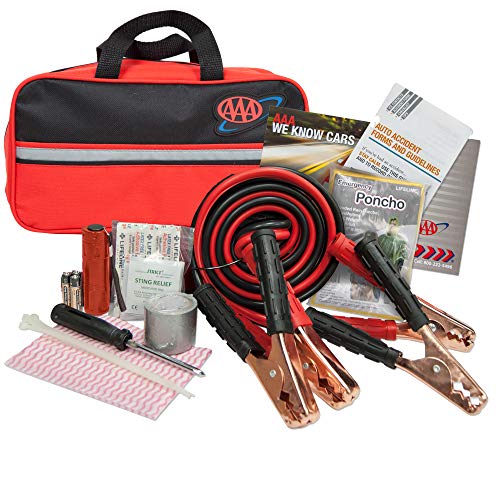
Lifeline AAA Premium Road Kit, 42 Piece Emergency Car Kit with Jumper Cables, Flashlight and First Aid Kit,4330AAA,Black : Everything Else
View on Amazon
VANTRUE N4 3 Channel Dash Cam, 4K+1080P Dual Channel, 1440P+1440P+1080P Front Inside Rear Three Way Triple Car Dash Camera, IR Night Vision, Capacitor, 24 Hours Parking Mode, Support 256GB Max : Electronics
Amazon.com: VANTRUE N4 3 Channel Dash Cam, <strong>4K+1080P Dual Channel, 1440P+1440P+1080P Front Inside Rear Three Way Triple Car Dash Camera, IR Night Vision, Capacitor, 24 Hours Parking Mode, Suppo
Check Price on AmazonAfter a crash:
- Check safety first. Call 911 for injuries. Move vehicles out of traffic if safe.
- Exchange information. Get names, phone numbers, driver’s license numbers, plate numbers, and insurance details.
- Document the scene. Photos of all vehicles, the intersection, road conditions, and any visible injuries are helpful.
- Look for witnesses. A quick note with a name/number can prevent a he‑said/she‑said later.
- Notify your insurer promptly. Many policies require “prompt notice” to preserve coverage.
- Decide how to claim. If you’re clearly not at fault, you can file a third‑party claim with the other driver’s insurer. Using your own collision coverage may be faster; your insurer will seek reimbursement later (this is called subrogation—your insurer collects what it paid from the at‑fault carrier and may refund your deductible if recovered).
Repair and shop choice: You can typically choose any licensed repair shop. Insurers may recommend in‑network shops that guarantee repairs, but you don’t have to accept a recommendation.
Diminished value: If your not‑at‑fault car is repaired but worth less due to the accident history, you may be able to pursue a diminished value claim against the at‑fault party’s insurer. Results vary by case; documentation and an appraisal can help.
Severe weather claims: Comprehensive covers hail, falling trees, and hurricane damage. Flooding (water rising into a parked car) is comprehensive. If you drive through standing water and hydrolock the engine, it’s still typically comprehensive, not collision. During active storms, insurers may pause new policies or changes—plan ahead before hurricane season.
Rental cars and loss of use: If you bought rental reimbursement, your policy helps pay for a rental while your car is being repaired after a covered loss. If you’re not at fault, you may also claim “loss of use” from the other driver’s insurer, subject to reasonableness.
Statute of limitations: South Carolina generally allows three years to file a lawsuit for bodily injury or property damage from a car accident. Claims with insurers should be filed much sooner—don’t wait.
FAQ: common questions about South Carolina car insurance
- Is South Carolina a no‑fault state? No. It’s an at‑fault (tort) state. The at‑fault driver’s liability coverage pays up to policy limits.
- What are the minimum car insurance requirements? 25/50/25 liability plus matching UM (25/50/25). UIM must be offered but is optional.
- Do I need an SR‑22 in South Carolina? Only if the DMV requires it after certain violations or a lapse. An SR‑22 is a filing your insurer sends to prove you carry the required insurance. It raises costs due to the underlying risk, not the form itself.
- I just moved to South Carolina—can I keep my old policy? Your vehicle generally needs to be registered and insured in the same state where it’s primarily garaged. Switch to a South Carolina policy that meets state minimums (and ideally higher limits) as you register your car.
- How long do tickets affect my rate? Typically three years for pricing, though serious violations can linger longer. Insurers may weigh recent violations more heavily.
- Should I buy gap insurance? If you lease or have a loan and would owe more than your car’s value if it’s totaled, gap is worth considering. Some lease contracts include it—ask.
- What about rideshare (Uber/Lyft)? Personal policies usually exclude “driving for hire.” Consider a rideshare endorsement (an add‑on that covers the period when your app is on but you don’t yet have a passenger) so you’re not left with gaps.
- Is there a grace period for a newly purchased car? Most policies extend your existing coverage for a short time, often 7–30 days, but details vary by insurer. Notify your carrier immediately when you buy.
- Can I use digital proof of insurance? Many carriers provide electronic ID cards in their apps. Keep a paper copy in the glove box too in case your phone dies.
A quick note on personalized advice
Insurance is personal—your car, your driving habits, and your finances all matter. For tailored recommendations, speak with a licensed South Carolina agent who can look at your full picture and suggest the right limits and discounts.
Ready to see your South Carolina rate?
The fastest way to see what you would actually pay is to compare quotes from 3–5 carriers on the same coverage. It takes minutes and can save you hundreds a year. Start your personalized quote today, then pick the policy that fits your budget without cutting the coverage you need.
Recommended Resources
Insurance for Dummies: Hungelmann, Jack
<strong>Manage life, health, and disability risks</strong> ― explore individual and group policies, understand Medicare basics, and evaluate long-term disability and long-term-care insurance ...
VANTRUE N4 3 Channel Dash Cam, 4K+1080P Dual Channel, 1440P+1440P+1080P Front Inside Rear Three Way Triple Car Dash Camera, IR Night Vision, Capacitor, 24 Hours Parking Mode, Support 256GB Max : Electronics
Amazon.com: VANTRUE N4 3 Channel Dash Cam, <strong>4K+1080P Dual Channel, 1440P+1440P+1080P Front Inside Rear Three Way Triple Car Dash Camera, IR Night Vision, Capacitor, 24 Hours Parking Mode, Suppo
Lifeline AAA Premium Road Kit, 42 Piece Emergency Car Kit with Jumper Cables, Flashlight and First Aid Kit,4330AAA,Black : Everything Else
Amazon.com: <strong>Lifeline AAA Premium Road Kit</strong>, 42 Piece Emergency Car Kit with Jumper Cables, Flashlight and First Aid Kit,4330AAA,Black : Everything Else
Related Articles
- Home Insurance in South Carolina: Coverage, Costs & Best Companies
- Auto Insurance in North Carolina: Rates, Requirements & How to Save
- Auto Insurance in South Dakota: Rates, Requirements & How to Save
- Auto Insurance in Pennsylvania: Rates, Requirements & How to Save
- Health Insurance in South Carolina: Plans, Costs & How to Enroll
- Auto Insurance in Arkansas: Rates, Requirements & How to Save
- Auto Insurance in Georgia: Rates, Requirements & How to Save
- Auto Insurance in Rhode Island: Rates, Requirements & How to Save