
Home Insurance in North Carolina: Coverage, Costs & Best Companies
You’re shopping for home insurance in North Carolina and the quotes feel all over the place. Is it the hurricanes? The roof? Are you missing an important coverage? Here’s what actually matters when choosing a policy in North Carolina, how much people typically pay, and how to compare quotes the smart way.
North Carolina homeowners insurance requirements and typical coverage
First, the requirement question. North Carolina law doesn’t require homeowners insurance if you own your home outright. But if you have a mortgage, your lender will require it—and may also require specific protections like wind/hail or flood if those perils are excluded from your base policy.
Most NC homeowners buy an HO-3 policy (the standard policy for most single-family homes). Here’s what that typically includes:
- Dwelling (Coverage A): Pays to rebuild or repair your home after covered damage. Aim for the full replacement cost (what it would cost to rebuild today), not your home’s market value.
- Other Structures (Coverage B): Sheds, fences, detached garages—usually 10% of Coverage A.
- Personal Property (Coverage C): Your belongings. You can choose actual cash value (pays depreciated value) or replacement cost (pays to buy new—this is the better protection in most cases).
- Loss of Use/Additional Living Expense (Coverage D): Hotel, rent, meals if you can’t live at home during repairs.
- Personal Liability (Coverage E): If someone is injured or you accidentally damage someone else’s property. Many NC homeowners choose $300,000–$500,000 or higher.
- Medical Payments to Others (Coverage F): Small no-fault medical benefits for guests who are injured.
Common exclusions to know:
- Flood: Not covered by standard policies. You’ll need a separate flood policy (through the National Flood Insurance Program or private insurers), especially if you’re in a high-risk flood zone.
- Earth movement (earthquake, landslide): Typically excluded, but earthquake coverage can often be added by endorsement.
- Maintenance and wear-and-tear: Not covered.
Want the full rundown of what a standard policy does and doesn’t include? See our explainer: What Does Home Insurance Cover?
Coastal note: In designated coastal areas, wind and hail may be covered with a separate (percentage) deductible, or excluded and purchased via the North Carolina Insurance Underwriting Association (often called the “Beach” or coastal plan). Your agent can tell you if your address falls in a coastal territory that has special rules.
Average home insurance costs in North Carolina by home value and location
Rates vary widely by town, distance from the coast, roof age and shape, and your claims history. But here are typical ranges we see for well-maintained homes with a standard deductible and replacement cost coverage on a primary residence. These are illustrative—not quotes:
By metro/region for a $300,000 dwelling limit:
- Raleigh/Durham/Chapel Hill (inland Piedmont): About $1,200–$1,800 per year
- Charlotte/Concord/Gastonia (inland Piedmont): About $1,300–$1,900 per year
- Asheville/Western NC (mountains): About $1,100–$1,700 per year
- Fayetteville/Goldsboro/Rocky Mount (eastern inland): About $1,400–$2,100 per year
- Wilmington/New Hanover/Brunswick (coastal): About $2,200–$4,500 per year (often with a separate wind/hail deductible)
- Outer Banks/Dare/Currituck (barrier islands): About $3,000–$6,000+ per year (wind coverage may be via the coastal plan)
By home value (typical construction, primary residence):
- $200,000 inland home: About $900–$1,600 per year; coastal $1,800–$3,000
- $500,000 inland home: About $1,500–$2,600 per year; coastal $3,000–$5,500
- $1,000,000 custom coastal home on pilings: $7,000–$12,000+ combined for homeowners + wind (varies widely by construction and distance from water)
What pushes NC rates up or down:
- Wind exposure: Closer to the coast, higher premiums—especially on barrier islands.
- Roof age and shape: Newer roofs, hip roofs, and impact-resistant shingles typically save money.
- Construction features: Homes built to modern codes or with FORTIFIED Roof/ Home standards may earn sizable credits in some markets.
- Fire protection class: Proximity to a fire station and hydrants matters.
- Claims history: Prior wind or water claims can increase rates.
- Deductibles: Higher deductibles lower premiums, but raise your out-of-pocket cost when you file a claim.
North Carolina’s rates are filed with state oversight and can change after major storms or industry-wide cost shifts (materials, labor). The fastest way to see what you would actually pay is to compare quotes from 3–5 carriers for your exact address, roof, and coverage.
North Carolina-specific risks: natural disasters, weather, and regional factors
If you own a home in North Carolina, these are the key risks insurers price for—and that you should plan around:
- Hurricanes and tropical storms: Primary wind and water events along the coast and several counties inland. Expect a separate wind/hail or “named storm” deductible (often 1%–5% of your Coverage A limit) in many policies. Example: If your Coverage A is $300,000 and you have a 2% named storm deductible, you’d pay the first $6,000 of covered hurricane wind damage.
- Tornadoes and severe convective storms: More common in central and eastern NC. Usually covered under wind/hail, subject to your wind deductible.
- Hail and straight-line winds: Can damage roofs and siding far inland.
- Flooding: Storm surge and inland flooding are not covered by home insurance. Consider separate flood insurance even if your mortgage doesn’t require it—20%+ of flood claims nationally come from outside high-risk zones.
- Winter storms and ice: Freeze-related water damage is common some winters; keep heat on and insulate pipes.
- Wildfire in the mountains: Lower frequency but not zero; defensible space and fire-resistant materials help.
Coastal wind coverage and the “Beach Plan”: In designated coastal counties, some insurers exclude wind or have very high wind deductibles. If your carrier won’t cover the wind portion, your agent may place wind coverage through the North Carolina Insurance Underwriting Association (the coastal pool). This is common and perfectly legitimate—it just means you’ll manage two policies that work together.
How to compare home insurance quotes in North Carolina
Here’s what actually matters when you’re lining up quotes side by side.
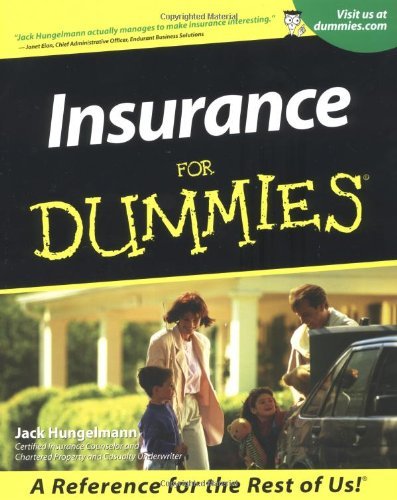
Insurance for Dummies: Hungelmann, Jack
<strong>Manage life, health, and disability risks</strong> ― explore individual and group policies, understand Medicare basics, and evaluate long-term disability and long-term-care insurance ...
Check Price on Amazon- Match your dwelling limit (Coverage A) to rebuild cost: Ask the carrier to run a replacement-cost estimator using your home’s square footage, features, and finish quality. Don’t just mirror your current policy number; building costs move.
- Understand your deductibles: You may have two—an “all peril” deductible (like $1,000) and a separate wind/hail or named-storm deductible (often a percentage). Compare both across quotes.
- Roof coverage terms: Some policies pay roof claims at actual cash value (depreciated) once a roof hits a certain age. Push for replacement cost coverage if available.
- Personal property settlement: Replacement cost coverage on contents is a valuable upgrade versus actual cash value.
- Water backup endorsement: Adds coverage if a sump pump fails or a drain backs up. Typically inexpensive and very useful in NC’s heavy rains.
- Ordinance or law coverage: Pays for code-required upgrades during repairs. 10%–25% of Coverage A is common; more for older homes.
- Liability limit: Consider at least $300,000–$500,000. If you have a pool, trampoline, or significant assets, look at a $1M+ umbrella policy.
- Special items: Jewelry, firearms, collectibles often have low sublimits. Schedule them for full protection.
- Short-term rentals or home businesses: If you Airbnb a room or run a business from home, you may need an endorsement or a different policy form (like a landlord or commercial policy).
- Wind mitigation and FORTIFIED credits: If you have a new roof, sealed deck, better fasteners, or a hip roof, ask the insurer about wind credits. An IBHS FORTIFIED Roof certificate can help in many coastal areas.
Real-world example: Say you’re a 35-year-old homeowner in Raleigh with a 2010-built 2,100 sq. ft. home, a 5-year-old architectural shingle roof, and no claims. For $350,000 dwelling coverage, $500,000 liability, $1,000 all-perils deductible, and a 2% wind/hail deductible, you might see quotes ranging from roughly $1,300–$1,900 per year—depending on your insurer, discounts, and insurance score. Switch the address to Wilmington with the same home features, and you might see $2,500–$4,200, plus or including separate wind coverage depending on the carrier.
Call-to-action: The fastest way to see what you would actually pay is to compare quotes from 3–5 carriers for your exact home. A licensed agent can help you get apples-to-apples quotes and explain the wind/hail deductible nuances so there are no surprises at claim time.
Discounts and bundling opportunities for North Carolina homeowners
Stacking the right discounts can easily shave 10%–30% off premiums in many cases. Ask about:
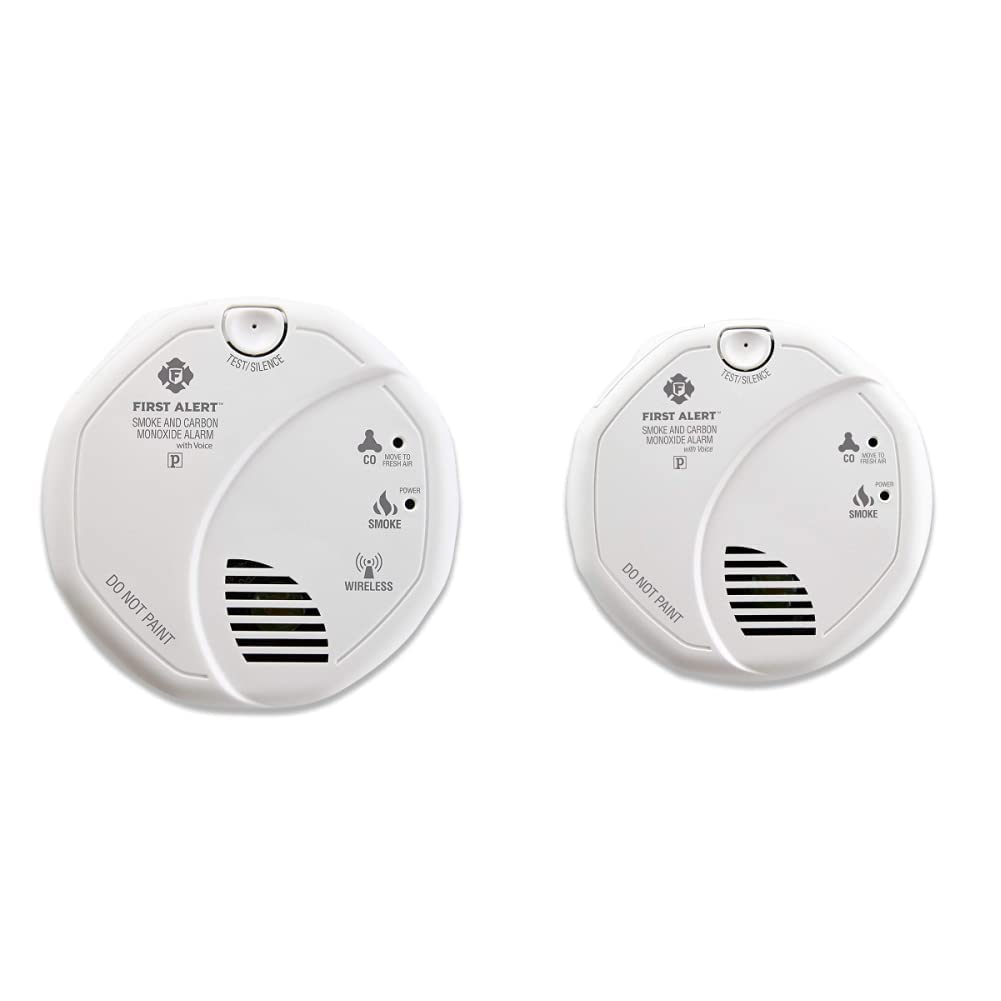
First Alert BRK Combination Smoke & Carbon Monoxide Alarm, Battery Operated Detector with Test & Silence Button, SMICO100, 1-Pack - Amazon.com
View on Amazon
Govee WiFi Water Leak Detector 3 Packs, Leak Alert with Remotely Email/APP Push and Sound Alarm, Smart Water Sensor with 100dB Adjustable Alarm, Suit for Home and Basement - Amazon.com
View on Amazon- Home + auto bundle: Often the single biggest discount. If you’re shopping auto as well, see our state guide: Auto Insurance in North Carolina: Rates, Requirements & How to Save
- Newer home or new roof: Big savings for homes built to recent codes; replacing an old roof can lower costs materially.
- Protective devices: Monitored burglar/fire alarms, smart leak sensors, smoke/CO detectors—document them.
- Wind mitigation/FORTIFIED Roof: Coastal and near-coastal homes may earn credits for stronger roof deck attachments, sealed roof decks, and better openings.
- Claims-free: Going several years without claims can earn you “loss free” credits.
- Pay-in-full, auto-pay, paperless: Small but painless savings.
- Insurance score: Insurers may use an insurance score (often based in part on credit history) where allowed; good financial habits can translate to lower premiums over time.
Pro tip: If you recently replaced your roof, updated electrical or plumbing, or added a monitored alarm, call your insurer. Mid-term discounts can sometimes be applied with proof.
Filing a home insurance claim in North Carolina
When something happens, your job is to keep people safe, prevent more damage, and document everything. Here’s a clean, compliant way to handle it.
- Safety first: Evacuate if advised. After the event, watch for downed lines, gas leaks, and unstable structures.
- Prevent further damage: Tarp the roof, shut off water, board broken windows. Keep receipts—these “reasonable repairs” are typically covered.
- Document: Take wide and close-up photos/videos of damage before cleanup. Make a list of damaged items with make/model and estimated age.
- Notify your insurer: Report the claim via app or phone as soon as practical. In widespread catastrophes, earlier claims get earlier adjuster visits.
- Understand your deductibles: Ask the adjuster to confirm which deductible applies (all-perils vs. wind/hail or named storm) and the amount in dollars.
- Meet the adjuster: Walk the property together, point out all damage, and share your photos and receipts. If roof damage is suspected, a licensed roofer’s assessment can help—but avoid signing any contractor agreements that assign your insurance benefits.
- Review the estimate and check: Many carriers issue an initial payment (actual cash value) and release recoverable depreciation when work is completed. Ask how to submit final invoices.
- Disputes: If you disagree with the estimate, you can request a reinspect, submit contractor bids, or use the policy’s appraisal process if available. A licensed public adjuster is another option—do your homework on fees and credentials.
Storm tip: Before hurricane season, do a quick home inventory (even phone videos of each room), review your wind/hail deductible, and confirm whether you have water backup and flood coverage. Insurers often place temporary “binding restrictions” ahead of named storms—so make changes well before a system approaches.
FAQ: common questions about North Carolina homeowners insurance
- Are hurricanes covered by home insurance? Typically yes for wind damage, but you’ll likely have a separate wind/hail or named-storm deductible. Flood (storm surge and rising water) requires a separate flood policy.
- What is a wind/hail or named-storm deductible? It’s a special deductible that applies only to wind-related losses. In NC, it’s often a percentage of your dwelling limit (1%–5%). A 2% deductible on $400,000 equals $8,000 out-of-pocket for covered wind claims.
- Do I need flood insurance if I’m not in a high-risk zone? It’s optional, but many homeowners choose it. Flooding can occur well outside mapped zones. Quotes are usually quick to obtain.
- How much liability coverage should I carry? Many NC homeowners pick $300,000–$500,000. If you have higher assets, consider a $1M+ umbrella policy (a separate policy that sits on top of home and auto liability).
- Will my dog or trampoline affect coverage? Some insurers limit or surcharge certain dog breeds, and may require safety measures (like netting) for trampolines and pools. Disclose them so there are no claim issues.
- Is there a “best” home insurance company in North Carolina? The best fit depends on your home’s location, roof, claims history, and bundle options. Carriers that are strong inland may not be competitive on the coast and vice versa. Compare at least 3–5 for your address.
- What’s the North Carolina coastal plan I keep hearing about? In certain coastal areas, wind coverage may be placed through a state-backed market (via the coastal underwriting association) when a private insurer won’t write the wind portion. It’s common and coordinated with your main policy.
Your next smart step
Get your details ready: square footage, year built, roof age, updates, desired deductibles, and any special items to schedule. Then compare quotes from 3–5 carriers, making sure the dwelling limit, wind/hail deductible, roof coverage, and key endorsements match across each quote. A licensed NC agent can walk you through options and help you avoid common coastal pitfalls.
Friendly nudge: The fastest way to see your real price is to get personalized quotes. If you bundle home and auto, check both together—you’ll often unlock larger savings than shopping them one at a time.
Note: Insurance rates and eligibility vary by company and by individual circumstances. Always review a specimen policy and consult a licensed agent for personalized advice and the most current information for your address.
Recommended Resources
Insurance for Dummies: Hungelmann, Jack
<strong>Manage life, health, and disability risks</strong> ― explore individual and group policies, understand Medicare basics, and evaluate long-term disability and long-term-care insurance ...
Govee WiFi Water Leak Detector 3 Packs, Leak Alert with Remotely Email/APP Push and Sound Alarm, Smart Water Sensor with 100dB Adjustable Alarm, Suit for Home and Basement - Amazon.com
Govee WiFi Water Leak Detector 3 Packs, <strong>Leak Alert with Remotely Email/APP Push and Sound Alarm, Smart Water Sensor with 100dB Adjustable Alarm, Suit for Home and Basement</strong> - Amazon.co
First Alert BRK Combination Smoke & Carbon Monoxide Alarm, Battery Operated Detector with Test & Silence Button, SMICO100, 1-Pack - Amazon.com
The First Alert SMICO100 Battery-Operated Combination Smoke & Carbon Monoxide Alarm is <strong>equipped with First Alert's Precision Detection advanced sensing technology and meets new indust
Related Articles
- Auto Insurance in North Carolina: Rates, Requirements & How to Save
- Home Insurance in South Carolina: Coverage, Costs & Best Companies
- Home Insurance in North Dakota: Coverage, Costs & Best Companies
- Home Insurance in New Hampshire: Coverage, Costs & Best Companies
- Home Insurance in Georgia: Coverage, Costs & Best Companies
- Home Insurance in New Jersey: Coverage, Costs & Best Companies
- Home Insurance in Virginia: Coverage, Costs & Best Companies
- Home Insurance in Tennessee: Coverage, Costs & Best Companies