
Health Insurance in South Carolina: Plans, Costs & How to Enroll
You’re sorting out health insurance in South Carolina and want straight answers on plans, costs, and how to enroll. Here’s what actually matters when choosing coverage in the Palmetto State—without the jargon (and when we do use jargon, we’ll explain it).
Health insurance in South Carolina: your main options
Most South Carolinians get coverage in one of four ways. Each works a little differently and has pros and cons.
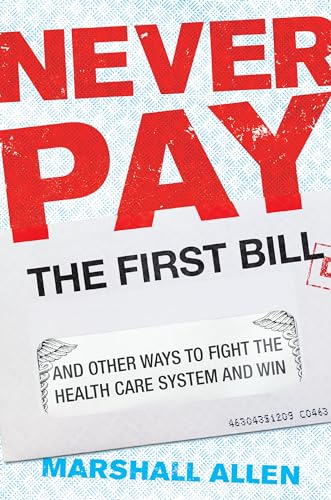
Never Pay the First Bill: And Other Ways to Fight the Health Care System and Win: Allen, Marshall
Drawing on 15 years of investigating the health care industry, reporter Marshall Allen <strong>shows how companies and individuals have managed to force medical providers to play fair, and shows how y
Check Price on Amazon1) Marketplace plans (ACA/Obamacare) on HealthCare.gov
- What it is: Individual and family plans sold through the federal marketplace, HealthCare.gov. These plans must cover essential health benefits (like hospitalizations, prescriptions, mental health, and maternity care) and can’t deny you for preexisting conditions.
- Who it’s for: People without employer or government coverage—gig workers, early retirees, students, and families.
- Financial help: Many qualify for federal premium tax credits (APTC—upfront discounts on your monthly premium) and cost-sharing reductions (CSR—lower deductibles and copays if you pick a Silver plan and your income is eligible).
- Networks: In South Carolina, networks are typically HMO or EPO style (managed networks where you may need referrals or must stay in-network). Always check your doctors and hospitals.
2) Medicaid (Healthy Connections) and CHIP for kids
- What it is: Free or very low-cost coverage for eligible low-income residents through South Carolina Healthy Connections (Medicaid) and the Children’s Health Insurance Program (CHIP).
- Who it’s for: Children, pregnant people, some parents/caretakers with very low incomes, and people with disabilities. Seniors may qualify through separate Medicaid pathways or Medicare Savings Programs.
- Key note: South Carolina has not expanded Medicaid to low-income adults without dependents. That means some adults with incomes below the federal poverty level (FPL) may fall into a “coverage gap” where they don’t qualify for Medicaid or marketplace subsidies.
3) Employer-sponsored insurance (ESI)
- What it is: Coverage through your job (or a spouse’s/parent’s job). Employers typically pay part of the premium (your monthly cost), which can make this cheaper than buying on your own.
- Keep in mind: If employer coverage is considered “affordable” and meets minimum standards, you usually can’t qualify for marketplace subsidies—even if the marketplace looks cheaper.
4) Private, off-exchange, and short-term plans
- Off-exchange ACA plans: Identical benefits to marketplace ACA plans but sold directly by carriers. You can’t use premium tax credits off-exchange, so most people are better off enrolling on HealthCare.gov if they qualify for financial help.
- Short-term plans: Temporary coverage that can be cheaper but is medically underwritten (they can consider your health). These plans can exclude preexisting conditions and many benefits. Federal rules currently limit these to short durations; they’re best viewed as last-resort gap coverage, not a substitute for ACA-compliant insurance.
If you’re moving across state lines soon, rules and carriers change. For neighbors, see our guides for Health Insurance in North Carolina: Plans, Costs & How to Enroll and Health Insurance in Georgia: Plans, Costs & How to Enroll.
Average health insurance premiums in South Carolina (by age and plan type)
Here’s the reality on price: premiums vary by your age, county, tobacco use, and the plan’s metal level. Older adults can be charged up to 3x more than younger adults under ACA rating rules. Subsidies can dramatically reduce your cost based on your household income and family size.
Typical unsubsidized monthly premiums in many South Carolina counties might look like this for a single non-smoker:
- Bronze (lower premium, higher deductible): often around the low-to-mid $300s to mid-$400s for a 30–40-year-old
- Silver (moderate premium, moderate deductible; eligible for CSR if you qualify): often around the mid-$400s to mid-$500s for a 30–40-year-old
- Gold (higher premium, lower out-of-pocket): often around the $500s to $600s+ for a 30–40-year-old
For a 60-year-old, those amounts can be close to double, depending on the county and carrier. Family premiums scale with the number of covered people.
What matters more is your after-subsidy price:
- Example: Say you’re a 35-year-old in Richland County making about $35,000 a year (roughly 225% of FPL for a household of one). A premium tax credit could lower a mid-range Silver plan from, say, $500+ per month to something closer to the low hundreds. Some months, you may find a $0 Bronze or even a low-cost Silver option. Actual prices vary by plan, county, and income.
- Example: A family of three in Greenville County with a household income around $60,000 may see significant help too, especially if they choose a Silver plan with CSR. Your exact discount depends on ages and the benchmark Silver plan in your area.
Important definitions you’ll see when you compare prices:
- Deductible: The amount you pay out of pocket before insurance starts paying for most non-preventive care.
- Copay: A set dollar amount you pay for a service (for example, $40 for a primary care visit).
- Coinsurance: The percentage of a bill you pay after meeting your deductible (for example, 20% of the negotiated rate).
- Out-of-pocket maximum (OOP max): The most you’ll pay in a year for covered in-network care before the plan covers 100% of additional covered services.
Because prices and subsidies change yearly, the fastest way to see what you would actually pay is to compare quotes from 3–5 carriers. It takes a few minutes and shows your real, after-subsidy costs.
South Carolina Medicaid (Healthy Connections) eligibility and enrollment
South Carolina’s Medicaid program is called Healthy Connections. Eligibility is based on income, household size, and category.
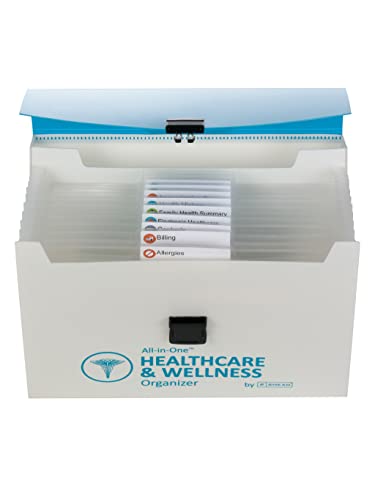
Smead All-in-One Healthcare & Wellness Organizer, 13 Pockets, Letter Size, Flap with Elastic Closure, White/Teal (92070)
View on AmazonWho typically qualifies:
- Children: Broad eligibility through Medicaid/CHIP; many kids qualify at little or no cost.
- Pregnant people: Coverage during pregnancy and for a 12-month postpartum period if eligible under current state rules.
- Parents/caretaker relatives: Eligibility exists but at very low income levels (typically well below the federal poverty level).
- People with disabilities, blind individuals, and seniors with limited income and assets: May qualify through disability-related Medicaid pathways or Medicare Savings Programs.
Key points:
- South Carolina has not expanded Medicaid to childless, low-income adults. Adults without dependents who earn below 100% of FPL often fall into the “coverage gap” (not eligible for Medicaid and ineligible for marketplace subsidies). If you’re in this situation, speak with a navigator or licensed agent about community health options and whether any special pathways apply.
- How to apply: You can apply through HealthCare.gov or directly with South Carolina Healthy Connections (SC DHHS). If you’re eligible for Medicaid/CHIP, your application will be routed appropriately.
- Documentation: Be ready to verify identity, income, and household information. Medicaid renewals are back in effect; watch your mail and respond quickly to keep coverage.
South Carolina marketplace: open enrollment and special enrollment periods
- Open Enrollment (OE): Typically November 1 through January 15 on HealthCare.gov. Enroll by December 15 for coverage starting January 1; enroll by January 15 for coverage starting February 1.
- Special Enrollment Periods (SEP): You can enroll outside OE if you have a qualifying life event—like losing job-based coverage, moving, getting married, having a baby, or a significant income change. Most SEPs last at least 60 days from the event.
- Low-income SEP (check current availability): In recent years, HealthCare.gov offered a year-round SEP for people with incomes up to 150% FPL who are eligible for subsidies. Availability can change with federal policy, so verify for the current year before you apply.
- American Indians and Alaska Natives: May enroll or change plans once per month on the marketplace if eligible.
If you move to or from a neighboring state, you’ll need a new plan. For help comparing next door, see Health Insurance in North Carolina: Plans, Costs & How to Enroll or Health Insurance in Georgia: Plans, Costs & How to Enroll.
How to compare and choose the best health plan in South Carolina
Here’s how smart shoppers cut through the noise and land on the right plan.
- Confirm your doctors and hospitals
- Network type: In South Carolina, many marketplace plans are HMO (managed care requiring a primary care doctor and referrals) or EPO (no out-of-network coverage except emergencies). If you have favorite doctors, search the plan’s directory and call the office to confirm they’re in-network for the specific plan name.
- Estimate your total yearly cost—not just the premium
- Add up: Monthly premium x 12 + expected out-of-pocket costs for your typical care. Look at the deductible, copays/coinsurance, and the out-of-pocket max (your yearly cap on in-network costs).
- Tip: If you expect a surgery or ongoing therapy, a Gold plan with higher premiums but lower out-of-pocket costs might be cheaper overall.
- Check prescriptions carefully
- Formulary: The plan’s list of covered drugs. Make sure your medications are covered and note the tier (lower tiers usually cost less). Watch for prior authorization (insurer approval needed before they pay) and step therapy (trying cheaper drugs first) rules.
- Look for CSR if your income qualifies
- Cost-Sharing Reductions (CSR): If your income is roughly 100%–250% FPL, choose a Silver plan to unlock lower deductibles, copays, and out-of-pocket maximums. For many households in this range, a CSR Silver beats a Bronze plan even if Bronze has a lower premium.
- Consider HSA-qualified high-deductible plans if you’re a good fit
- HSA (Health Savings Account): A tax-advantaged account paired with a qualifying high-deductible health plan (HDHP). Great if you can afford to save for future care and want triple tax benefits (pre-tax contributions, tax-free growth, tax-free qualified withdrawals). Only choose an HDHP if you’re comfortable with the higher deductible.
- Mind the fine print
- Referrals: Some HMOs require a referral to see specialists.
- Out-of-network: EPOs/HMOs often don’t cover out-of-network care except emergencies. If you travel frequently, look for broader networks or national affiliations.
- Extra perks: Telehealth, $0 preventive drugs, wellness programs—nice-to-haves that can add value.
The fastest way to see real, personalized costs is to compare quotes from 3–5 carriers. You’ll immediately see which plans cover your doctors and meds at the best net price after subsidies.
South Carolina-specific subsidies and financial assistance
- Federal premium tax credits (APTC): Available on HealthCare.gov if your household income is within the eligible range and you don’t have affordable employer coverage. These lower your monthly premium right away.
- Cost-sharing reductions (CSR): If you qualify based on income and choose a Silver plan, you’ll get lower deductibles and out-of-pocket costs.
- State-funded supplements: South Carolina does not currently offer additional state-funded marketplace subsidies. Your financial help primarily comes from federal programs.
- Coverage gap: Because South Carolina hasn’t expanded Medicaid, some adults with incomes below 100% FPL may be ineligible for both Medicaid and marketplace subsidies. If you’re in the gap, ask a navigator about community health centers, hospital charity care, pregnancy-related Medicaid options (if applicable), and whether any local programs can help.
- Pregnancy and postpartum: If you qualify for pregnancy Medicaid, postpartum coverage typically extends 12 months under current policy. Confirm current rules when you apply.
Real-world examples
28-year-old in Charleston, single, non-smoker, income ~$28,000: Likely eligible for APTC and strong CSR on a Silver plan. You may find Silver options with low premiums and substantially reduced deductibles and copays. Always compare at least three carriers for network and drug coverage.
45-year-old in Horry County, family of 3, income ~$64,000: Often eligible for notable APTC. A mid-tier Silver plan might balance premium and out-of-pocket costs if the family has moderate medical needs. If you expect higher usage (e.g., ongoing specialist care), compare lower-deductible Gold plans too.
60-year-old in Greenville County, single, income ~$28,000: Unsubsidized premiums can be high at this age, but subsidies are income-based—not age-based—so the tax credit can be substantial. Still, compare drug coverage and out-of-pocket caps carefully.
Rates vary by county, carrier, and income. Consider these illustrations—not guarantees.
What to look for when reviewing plan details
- Your doctors and nearby hospitals are in-network.
- Your prescriptions are on the formulary at a tolerable tier.
- The deductible and out-of-pocket max fit your risk tolerance and savings.
- For incomes roughly 100%–250% FPL, a CSR Silver plan often provides the best overall value.
- For healthy, higher-income shoppers who can fund an HSA, a qualifying HDHP can be smart—if you’re comfortable with upfront costs.
- Member support: 24/7 nurse line, easy claims, strong mobile app—these quality-of-life features matter.
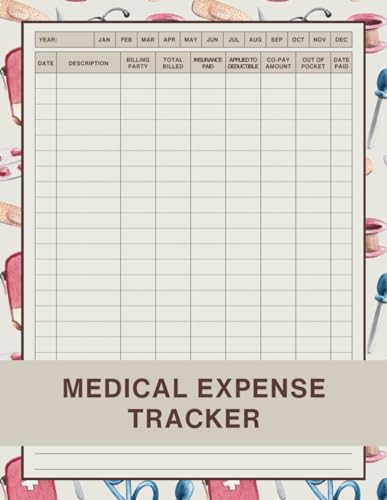
Medical Expense Tracker: A Record Logbook for Keeping Track Your Medical Spending, Bills, and Payment All in One Place | Health Expense Organizer: Media, Tylissa A.: Amazon.com
View on AmazonTip: Talk with a licensed agent or navigator if you have ongoing conditions, multiple medications, or planned procedures. A 10-minute conversation can prevent expensive surprises.
How to enroll in South Carolina
- Marketplace (most common): Go to HealthCare.gov, create an account, and enter your household info and income. You’ll see your eligibility for APTC/CSR and your plan options by county.
- Through a licensed agent or broker: They can help you compare plans from multiple carriers at no extra cost to you. Agents are paid by carriers; your premium is the same whether you use an agent or not.
- Medicaid/CHIP: Apply via SC Healthy Connections or start at HealthCare.gov—your application will be routed to the right program.
Ready to see what you’d actually pay? Compare quotes from 3–5 carriers. It’s the quickest way to confirm your doctors, prescriptions, and real after-subsidy price in your ZIP code.
FAQ: Common questions about South Carolina health insurance
What’s the cheapest health insurance in South Carolina?
- Typically a Bronze plan has the lowest premium. But if your income qualifies for CSR, a Silver plan often costs less overall because it reduces your deductible and copays. Cheapest isn’t always the best value.
When can I sign up?
- Open Enrollment is usually November 1 to January 15. You can also enroll during a Special Enrollment Period if you have a qualifying life event (like losing other coverage, moving, marriage, or a new baby). Some low-income SEPs may be available year-round—check current federal rules.
Are preexisting conditions covered?
- Yes. ACA-compliant plans cover preexisting conditions with no medical underwriting.
Can I stay on my parents’ plan?
- Yes, until age 26 in most cases. If you move out or lose dependent status, you’ll usually qualify for a 60-day Special Enrollment Period to get your own plan.
Do ACA plans cover maternity care and mental health?
- Yes. Maternity and mental health/substance use services are essential health benefits and are covered, though cost-sharing varies by plan.
Are adult dental and vision included?
- Pediatric dental and vision are covered. Adult dental/vision are usually separate add-ons. Some carriers offer bundled or standalone dental/vision plans.
What about COBRA if I lose my job?
- COBRA lets you keep employer coverage for 18 months in most cases, but you’ll pay the full premium (often the employee plus employer share). Compare COBRA to marketplace plans with subsidies before deciding.
Are short-term plans a good idea?
- They can plug a brief gap, but they’re not ACA-compliant and can exclude preexisting conditions and key benefits. Read the fine print and consider marketplace options first.
What if my income is below the poverty level?
- Because South Carolina hasn’t expanded Medicaid for childless adults, some people below 100% FPL can’t get marketplace subsidies. Check if you qualify as a caretaker relative, are pregnant, or otherwise meet Medicaid criteria, and ask local clinics about sliding-fee programs.
Does my plan work out of state?
- Emergency care is covered nationwide. Routine out-of-network care usually isn’t for HMO/EPO plans. If you split time across states, look for broader networks or national affiliations.
Helpful note: For your broader insurance budget, if you’re also reviewing auto coverage, our guide to Auto Insurance in South Carolina: Rates, Requirements & How to Save can help you find savings there too.
A quick word on expert help: Licensed agents and certified navigators can walk you through options and confirm eligibility for savings. There’s no extra cost to use them, and they can help you avoid common pitfalls like out-of-network doctors or uncovered meds.
Next step: Get your personalized quotes. The fastest way to know your true cost is to compare 3–5 plans side by side—see which ones cover your doctors and prescriptions at the lowest after-subsidy price. Then enroll online or with an agent to lock in your start date.
Recommended Resources
Never Pay the First Bill: And Other Ways to Fight the Health Care System and Win: Allen, Marshall
Drawing on 15 years of investigating the health care industry, reporter Marshall Allen <strong>shows how companies and individuals have managed to force medical providers to play fair, and shows how y
Smead All-in-One Healthcare & Wellness Organizer, 13 Pockets, Letter Size, Flap with Elastic Closure, White/Teal (92070)
Healthcare documents are stored ... or the hospital. Flap and cord closure adds protection and security. <strong>File includes 12 expanding pockets</strong>....
Medical Expense Tracker: A Record Logbook for Keeping Track Your Medical Spending, Bills, and Payment All in One Place | Health Expense Organizer: Media, Tylissa A.: Amazon.com
<strong>Medical Spending Record</strong>: A Logbook for Keeping Track Your Medical Expenses, Bills, and Payment All in One Place | Health Expense Organizer
Related Articles
- Health Insurance in North Carolina: Plans, Costs & How to Enroll
- Health Insurance in South Dakota: Plans, Costs & How to Enroll
- Auto Insurance in South Carolina: Rates, Requirements & How to Save
- Home Insurance in South Carolina: Coverage, Costs & Best Companies
- Health Insurance in Delaware: Plans, Costs & How to Enroll
- Health Insurance in Pennsylvania: Plans, Costs & How to Enroll
- Health Insurance in Michigan: Plans, Costs & How to Enroll
- Health Insurance in New Jersey: Plans, Costs & How to Enroll