
Home Insurance in Mississippi: Coverage, Costs & Best Companies
You just got a homeowners quote and the number seems high. Is that normal for home insurance in Mississippi? In many cases, yes—Mississippi sits on the Gulf, faces tornado outbreaks, and sees frequent severe thunderstorms. The right policy can absolutely be affordable, but you need to know how coverage works here, how deductibles are structured, and which discounts really move the needle.
Below is a clear, Mississippi-specific guide to help you compare smartly, avoid common pitfalls, and feel confident about your next step.
Mississippi homeowners insurance requirements and typical coverage
First, the basics: home insurance isn’t required by Mississippi law. But if you have a mortgage, your lender will require proof of coverage. Even if your home is paid off, carrying homeowners insurance is typically a smart financial move.
Most Mississippi homeowners carry an HO-3 (special form) policy, which covers your home for “all risks” except those specifically excluded. An HO-5 policy is broader and typically provides more generous protection for your belongings, but it also costs more.
A standard homeowners policy typically includes:
- Dwelling coverage (Coverage A): The cost to rebuild your home if it’s damaged or destroyed by a covered cause. Set this to your home’s replacement cost—not the market value.
- Other structures (Coverage B): Fences, sheds, detached garages—usually 10% of your dwelling limit.
- Personal property (Coverage C): Your stuff—furniture, clothes, electronics—often at 50%–70% of your dwelling limit. You can choose replacement cost coverage (pays to buy new) instead of actual cash value (depreciated value).
- Loss of use (Coverage D): Pays extra living expenses if you can’t live at home during repairs.
- Personal liability: Legal and settlement costs if you’re responsible for injuries or property damage to others, on or off premises.
- Medical payments to others: Small medical bills for guests injured on your property, regardless of fault.
- Deductible: What you pay out of pocket before insurance kicks in. In Mississippi, you’ll often see a separate wind/hail or hurricane/named-storm deductible (commonly 1%–5% of your dwelling limit), in addition to your standard deductible for non-wind claims.
Important Mississippi-specific notes:
- Hurricane or named-storm deductibles: These higher, percentage-based deductibles often apply when a storm is designated by the National Weather Service. Read the trigger language closely—"hurricane" versus "named storm" matters.
- Wind coverage near the Coast: In some coastal ZIP codes, private insurers may exclude wind coverage. Homeowners there often purchase wind-only policies through the Mississippi Windstorm Underwriting Association (MWUA) and pair it with a standard homeowners policy.
- Flood is not covered by homeowners insurance: Flooding (water rising from outside) is excluded. Consider an NFIP or private flood policy, especially in FEMA A or V flood zones or anywhere water pools after heavy rains.
Want a deeper dive into what each part covers? See our plain-English explainer: What Does Home Insurance Cover?
Average home insurance costs in Mississippi by home value and location
Rates vary by carrier, county, home age and construction, roof type, claims history, credit-based insurance score, and more. That said, home insurance in Mississippi is typically higher than the national average—especially in coastal counties.
The snapshots below are directional estimates meant to help you benchmark. Your actual price will likely differ.
Illustrative annual premium ranges (owner-occupied, no recent claims, standard deductibles):
- $200,000 home, inland (e.g., Jackson, Hattiesburg): typically $1,400–$2,300
- $300,000 home, inland: typically $1,900–$3,100
- $300,000 home, coastal counties (Hancock, Harrison, Jackson): often $3,200–$5,500, sometimes higher if wind is excluded and purchased separately through MWUA
- $400,000 home, inland newer construction with a 10-year roof: often $2,200–$3,600
- $400,000 home, coastal with wind exposure: commonly $4,000–$7,000, depending on deductibles and mitigation features
How specific factors shift your price:
- Roof matters most: Architectural shingle or metal roofs in good shape can lower rates. Older or deteriorated roofs drive premiums up, and in some cases wind coverage may be restricted.
- Deductibles: A higher hurricane or named-storm deductible (say, 5% instead of 2%) can reduce your premium—sometimes significantly. But remember, a 5% deductible on a $300,000 home is $15,000 out of pocket after a storm.
- Construction features: Hip roofs (sloped on all sides), hurricane clips/straps, and impact-resistant shingles can earn discounts.
- Location: Inland ZIPs generally cost less than coastal ones. Proximity to fire hydrants and fire stations also influences rates.
The fastest way to see what you would actually pay is to compare quotes from 3–5 carriers on the same day, with the same coverage limits and deductibles.
Mississippi-specific risks: natural disasters, weather, and regional factors
Mississippi’s risk profile is why coverage details matter:
- Tropical storms and hurricanes: The Gulf Coast is vulnerable to storm surge, extreme wind, and wind-driven rain. This is the biggest driver of coastal premiums and separate storm deductibles.
- Tornadoes and severe thunderstorms: Central and northern Mississippi see spring and fall tornado activity plus hail. Wind and hail claims are common well beyond the Coast.
- Flooding: River flooding and flash flooding can happen far from the coast. Remember: flood damage is generally excluded from homeowners coverage—get a separate flood policy if needed.
- New Madrid Seismic Zone: Northwest Mississippi can feel earthquakes. Earthquake coverage isn’t standard; ask about an endorsement if this concerns you.
- Mold and water damage: High humidity and heavy rain mean insurers often include strict limitations or sublimits for mold. Consider water backup of sewers and drains coverage (an endorsement that covers damage when water backs up through drains or sump pumps).
Residual market options if you can’t find coverage:
- Mississippi Windstorm Underwriting Association (MWUA): Wind and hail coverage for eligible properties in coastal counties when private markets won’t write it.
- Mississippi’s FAIR Plan (Mississippi Residential Property Insurance Underwriting Association): A last-resort market for basic property coverage when you can’t obtain a policy otherwise. Coverage is limited and usually more expensive, but it’s a backstop.
How to compare home insurance quotes in Mississippi
Comparing quotes here isn’t just about price. It’s about what happens when a storm hits.
What to line up across all quotes:
- Dwelling limit (Coverage A): Use a realistic reconstruction cost. Ask for a replacement cost estimate from each carrier and keep the limit consistent when you compare.
- Wind/hail or hurricane/named-storm deductible: Align the percentage across quotes (e.g., 2% vs. 5%) so you’re comparing apples to apples.
- Roof coverage basis: Some policies pay actual cash value (depreciated value) for older roofs on wind/hail claims. Replacement cost coverage for roofs typically costs more but pays more at claim time.
- Personal property valuation: Replacement cost for contents often adds modest premium and can be worth it.
- Key endorsements: Water backup, equipment breakdown, extended replacement cost for the dwelling (often 25%–50% above Coverage A), ordinance or law (pays to meet new building codes), and scheduled coverage for jewelry or high-value items.
- Wind coverage included or excluded: Particularly on the Coast, verify whether wind is part of the policy or requires a separate MWUA wind policy.
- Liability limit: Many homeowners choose at least $300,000–$500,000. Consider a personal umbrella policy for extra protection.
Red flags and fine print to watch:
- Strict cosmetic damage exclusions for roofs and siding from hail/wind.
- Water seepage and repeated leakage exclusions.
- Mold sublimits that are too low for your home’s size and construction.
- Named-storm deductible triggers that are broader than you expect.
How to pressure-test a quote:
- Ask the agent for two versions: one with a 2% wind/hail deductible and one with 5%, plus the dollar amount you’d owe on a total loss.
- Request loss scenarios: “If my 12-year-old roof is totaled by hail, how would this policy pay?” Get the answer in writing (email is fine).
- Confirm claims support: 24/7 claims? Local adjusters after a hurricane? Catastrophe response teams?
CTA: Ready to see real numbers? The fastest way to find out what you’d actually pay is to compare quotes from 3–5 carriers side by side, with the same limits and deductibles.
Discounts and bundling opportunities for Mississippi homeowners
Insurers in Mississippi typically offer savings for:
- Bundling home + auto: Often the biggest single discount. If you’re considering a bundle, review our auto guide to see savings opportunities: Auto Insurance in Mississippi: Rates, Requirements & How to Save
- Roof and mitigation credits: Newer roofs, IBHS FORTIFIED roof upgrades, hurricane straps/clips, impact-resistant shingles, and sealed roof decks can all help.
- Protective devices: Central burglar/fire alarms, monitored smoke detectors, water leak sensors, whole-house surge protection.
- Claims-free and loyalty discounts: Clean claim history generally lowers rates.
- Newer home or recent updates: Electrical, plumbing, HVAC, or roof updates reduce risk.
- Paying in full or auto-pay: Small but easy savings.

Whole House Surge Protector
View on Amazon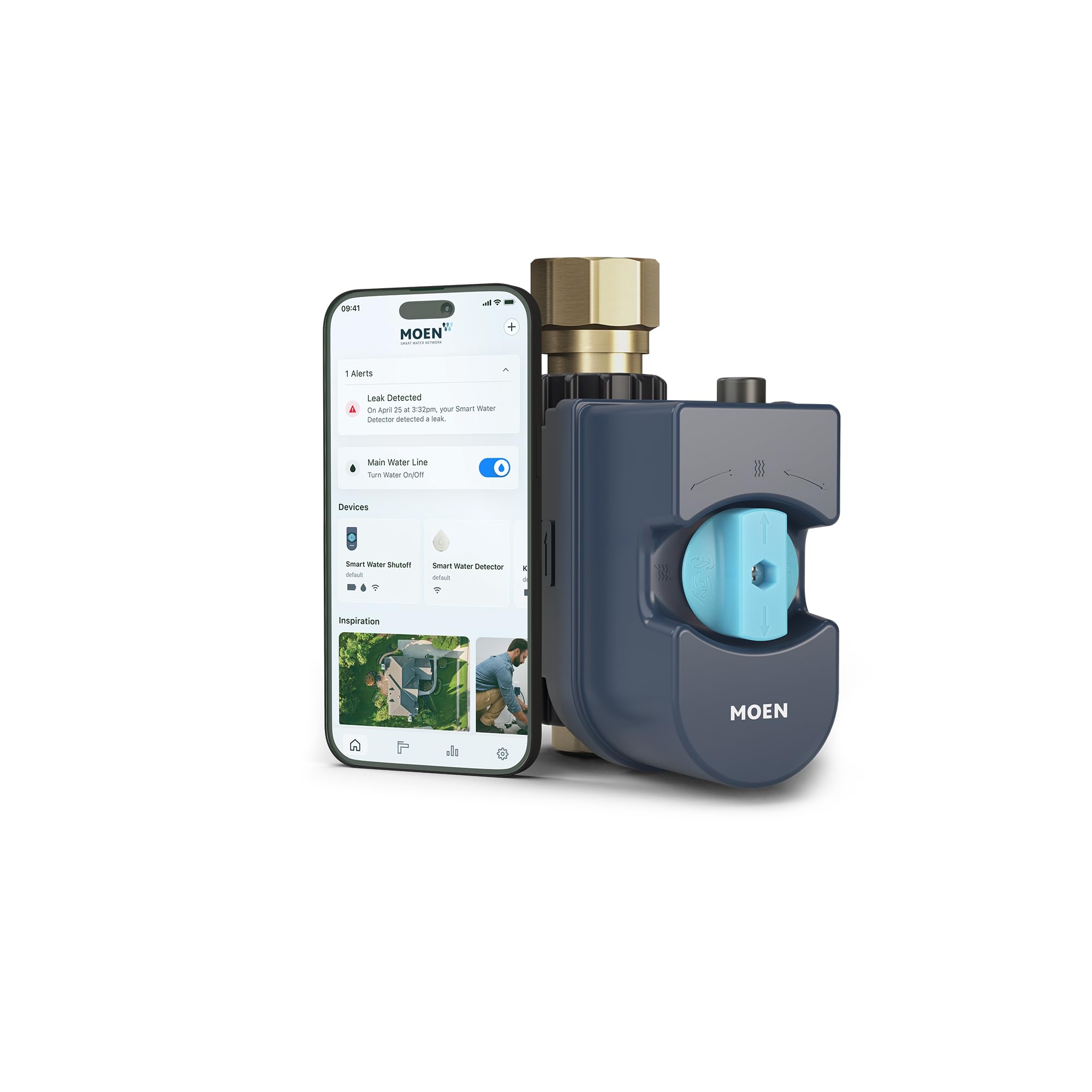
Moen Flo Smart Water Monitor and Automatic Shutoff Sensor, Wi-Fi Water Leak Detector for 3/4-Inch Diameter Pipe, 900-001 - Tub And Shower Faucets - Amazon.com
Moen Flo Smart Water Monitor and Automatic Shutoff Sensor, <strong>Wi-Fi Water Leak Detector for 3/4-Inch Diameter Pipe</strong>, 900-001 - Tub And Shower Faucets - Amazon.com
Check Price on AmazonPro tip: Ask whether your carrier recognizes third-party wind mitigation inspections or the IBHS FORTIFIED program—documentation of improvements can unlock additional credits.
Filing a home insurance claim in Mississippi
When a storm hits, the first hours matter. Here’s a simple, Mississippi-tested approach:
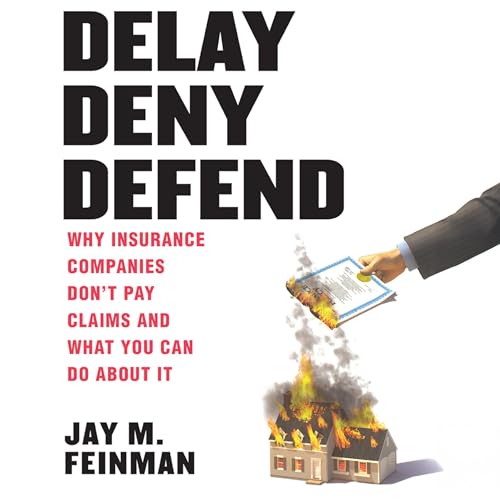
Delay, Deny, Defend: Why Insurance Companies Don't Pay Claims and What You Can Do About It: Feinman, Jay M.
This is a book all Americans need ... book <strong>shows how, time and again, policyholders with legitimate claims encounter nothing but resistance from insurance companies, leaving people frustrated
Check Price on Amazon- Protect people and prevent further damage
- Make emergency repairs to stop active leaks or secure openings. Save receipts—these are typically reimbursable under “reasonable repairs.”
- Document everything
- Take photos/video before you clean up. Note dates and times, especially for named storms or hurricanes when different deductibles may apply.
- Contact your insurer promptly
- Report the claim, confirm your applicable deductibles (standard and wind/hail or named-storm), and ask about approved vendors.
- Meet the adjuster prepared
- Have your policy number, a list of damaged items, and any contractor estimates. Ask the adjuster to explain how roof coverage is calculated (replacement cost or actual cash value) and what depreciation might apply.
- Review the estimate and payments
- If recoverable depreciation applies, ask what proof is needed to receive the second (holdback) payment after repairs.
- Choose contractors carefully
- After big events, scams spike. Be wary of anyone demanding large upfront payments or pushing you to sign an “assignment of benefits” that transfers your policy rights. When in doubt, call your insurer or a licensed agent.
If you’re not getting traction, you can contact the Mississippi Insurance Department for consumer assistance. Keep a log of all calls and emails.
Best home insurance companies in Mississippi: what to look for
Availability shifts as markets change, but here’s how to identify a strong fit:
- Financial strength: Look for carriers with solid financial ratings. This indicates staying power after major storms.
- Storm response: Ask about catastrophe teams, mobile claim centers, and repair networks.
- Roof and wind coverage: Favor carriers offering replacement cost on roofs (even with age rules) and reasonable named-storm deductibles.
- Coastal experience: If you’re in Hancock, Harrison, or Jackson counties, prioritize insurers with a track record on the Coast and clear guidance on pairing with MWUA, if needed.
- Digital tools and local agents: A good mobile app plus a responsive local agent is ideal in severe-weather states.
Commonly available carriers in Mississippi include national brands and regional companies. Options may include State Farm, Allstate, Nationwide, Travelers, Progressive (through ASI), Mississippi Farm Bureau, and USAA (for eligible military families). This isn’t a ranking or an exhaustive list—availability and pricing vary by ZIP code and by home.
FAQ: common questions about Mississippi homeowners insurance
Is home insurance required in Mississippi? Not by state law. But your lender will require it if you have a mortgage.
Does homeowners insurance cover hurricanes in Mississippi? Typically yes for wind-driven damage, but many policies carry a separate hurricane or named-storm deductible (1%–5% of your dwelling limit). Flooding from storm surge is excluded—consider a separate flood policy.
Do I need flood insurance if I’m not on the Coast? Flood isn’t just coastal. Heavy rain and river overflow can cause inland flooding. If your home sits in a FEMA A or V zone, your lender will require flood coverage. Even outside high-risk zones, a preferred-risk flood policy can be affordable and valuable.
Why are Mississippi home insurance rates going up? A mix of higher construction costs, more frequent/severe weather, and higher reinsurance costs for insurers. Your individual rate also reflects your home’s age, roof, claims history, and credit-based insurance score.
Can my insurer non-renew me after a storm claim? Insurers generally can non-renew for certain reasons allowed by law and policy terms, but they typically must provide advance notice. If you receive a non-renewal, shop early and consider residual market options if needed.
How much liability coverage should I carry? Many homeowners choose $300,000–$500,000. If you have significant assets or future income to protect, consider an umbrella policy for $1 million or more in additional liability protection.
What about mobile or manufactured homes? These require specialized policies and, near the Coast, may face stricter wind requirements. Expect wider price swings by location and tie-down/anchoring details.
How can I lower my premium without underinsuring? Consider raising your standard deductible moderately, improving your roof and wind mitigation, bundling with auto, and choosing replacement cost for the home while using replacement cost or carefully selected sublimits for personal property. Avoid slashing dwelling limits—being underinsured can cost far more after a loss.
Your smart next step
- Gather your current declarations page and note your roof age, square footage, and any updates.
- Decide on a wind/hail or named-storm deductible you can truly afford in dollars (not just a percent).
- Compare quotes from 3–5 carriers on the same day, with identical limits and deductibles. Ask for versions with both 2% and 5% storm deductibles so you see the trade-off.
Quick CTA: Want help pressure-testing your coverage? Get personalized quotes side by side—it’s the fastest way to see what you’d actually pay in your ZIP code.
A quick note: While this guide covers the big Mississippi-specific issues, a licensed insurance agent can tailor coverage to your home, your budget, and your risk tolerance—especially important along the Coast or in tornado-prone areas.
Recommended Resources
Delay, Deny, Defend: Why Insurance Companies Don't Pay Claims and What You Can Do About It: Feinman, Jay M.
This is a book all Americans need ... book <strong>shows how, time and again, policyholders with legitimate claims encounter nothing but resistance from insurance companies, leaving people frustrated
Moen Flo Smart Water Monitor and Automatic Shutoff Sensor, Wi-Fi Water Leak Detector for 3/4-Inch Diameter Pipe, 900-001 - Tub And Shower Faucets - Amazon.com
Moen Flo Smart Water Monitor and Automatic Shutoff Sensor, <strong>Wi-Fi Water Leak Detector for 3/4-Inch Diameter Pipe</strong>, 900-001 - Tub And Shower Faucets - Amazon.com
Whole House Surge Protector
Online shopping from a great selection at Tools & Home Improvement Store.
Related Articles
- Auto Insurance in Mississippi: Rates, Requirements & How to Save
- Home Insurance in Missouri: Coverage, Costs & Best Companies
- Renters Insurance in Mississippi: What It Covers, Costs, and How to Choose
- Home Insurance in Minnesota: Coverage, Costs & Best Companies
- Home Insurance in Oklahoma: Coverage, Costs & Best Companies
- Home Insurance in Alabama: Coverage, Costs & Best Companies
- Home Insurance in Georgia: Coverage, Costs & Best Companies
- Home Insurance in Montana: Coverage, Costs & Best Companies