
Home Insurance in Oregon: Coverage, Costs & Best Companies
You’re buying a home in Oregon (or your renewal just jumped) and you want straight answers. What does home insurance in Oregon actually cover, how much does it typically cost, and which companies are worth a look—especially with wildfire and earthquake risk in the mix? Here’s what matters, what’s optional, and how to confidently compare quotes.
1) Oregon homeowners insurance requirements and typical coverage
There’s no state law that requires homeowners insurance in Oregon. But if you have a mortgage, your lender will require a policy to protect the home. Even if you own your place outright, going without coverage puts your savings and equity at risk.
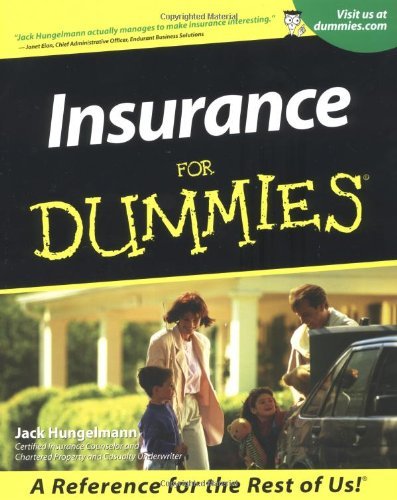
Insurance for Dummies: Hungelmann, Jack
<strong>Manage life, health, and disability risks</strong> ― explore individual and group policies, understand Medicare basics, and evaluate long-term disability and long-term-care insurance ...
Check Price on AmazonMost Oregon homeowners carry an HO-3 policy (the most common type of home insurance). Here’s what that usually includes—and what those terms mean in plain English:
- Dwelling (Coverage A): Pays to repair or rebuild the home itself after a covered loss (like fire, wind, or a burst pipe). Set this limit to the home’s replacement cost (the cost to rebuild with similar materials and labor today), not the market price.
- Other Structures (Coverage B): Sheds, fences, and detached garages—typically 10% of Coverage A by default.
- Personal Property (Coverage C): Your belongings—furniture, clothes, electronics. You can choose replacement cost value (RCV, pays to buy new items today) or actual cash value (ACV, pays after subtracting depreciation). RCV costs a bit more but is what most people want.
- Loss of Use (Coverage D): Also called “additional living expenses.” Covers hotel, meals, and other extra costs if your home is unlivable during repairs.
- Personal Liability (Coverage E): Protects you if someone is injured or you accidentally damage someone else’s property and are legally responsible. Many Oregonians pick $300,000 to $500,000, and higher limits are inexpensive.
- Medical Payments to Others (Coverage F): Small medical bills for guests hurt on your property, regardless of fault.
- Deductible: The amount you pay out of pocket per claim before insurance pays. In Oregon, a $1,000 or $2,500 deductible is common. Higher deductibles lower your premium but mean more out of pocket if something happens.
Key add-ons many Oregon homeowners consider:
- Extended replacement cost (ERC): Adds 25%–50% to your dwelling limit to absorb post-disaster spikes in labor and materials—crucial after wildfires when costs can surge.
- Ordinance or law: Pays for code-required upgrades when you rebuild older homes. Helpful in Portland’s older bungalows and historic homes across the Willamette Valley.
- Water backup: Covers damage from a backed-up drain or sump pump (not included in standard policies). Common claim, typically affordable.
- Service line: Pays to repair underground pipes or wiring from the street to your home.
- Scheduled valuables: Extra coverage for jewelry, bikes, art, or instruments beyond standard sub-limits.
What’s not covered by standard home insurance in Oregon:
- Earthquake: You’ll need a separate earthquake policy or an endorsement. More on this below.
- Flood: Requires a separate policy through the National Flood Insurance Program (NFIP) or private flood insurance.
- Landslides and earth movement: Typically excluded; some private markets offer limited coverage.
If you want a deeper dive on coverage basics, see What Does Home Insurance Cover? (/home-insurance/what-does-home-insurance-cover).
2) Average home insurance costs in Oregon by home value and location
Let’s level with you: rates vary by insurer, home features, your claims history, and even your credit-based insurance score (subject to Oregon regulations). That said, here are ballpark ranges we typically see in Oregon for a well-maintained, single-family home with a standard deductible and replacement cost coverage. These are illustrations, not quotes.
By dwelling coverage amount (Coverage A):
- $250,000 dwelling: roughly $800–$1,300 per year in lower-risk areas; $1,100–$1,700+ in higher-risk wildfire or coastal zones.
- $350,000 dwelling: roughly $950–$1,500 per year in lower-risk areas; $1,300–$2,000+ in higher-risk zones.
- $500,000 dwelling: roughly $1,200–$1,900 per year in lower-risk areas; $1,700–$2,700+ in higher-risk zones.
By Oregon region (assuming a mid-range home and standard features):
- Portland Metro: About $1,000–$1,600 per year. Older homes and liability risk push some policies higher; newer builds with good wiring and roofs trend lower.
- Willamette Valley (Salem, Eugene, Corvallis): About $950–$1,500 per year. Moderate wind and rain exposure, typically fewer wildfire concerns than Central/Southern OR.
- Oregon Coast (Astoria to Brookings): About $1,400–$2,200+ per year. Heavier wind, rain, and storm exposure; some homes may see higher wind deductibles.
- Central Oregon (Bend, Sisters): About $1,300–$2,100+ per year. Elevated wildfire risk and higher rebuild costs contribute.
- Southern Oregon (Medford, Ashland): About $1,200–$1,800+ per year. Wildfire seasons influence underwriting and pricing.
- Eastern Oregon (Pendleton, La Grande, Ontario): About $900–$1,400 per year. Generally lower premiums, though winter freeze risk can factor in.
Your actual number will depend on specifics: roof age and type, distance to fire hydrants/stations, home updates (plumbing, electrical), claims history, your chosen deductible, and more. The fastest way to see what you would actually pay is to compare quotes from 3–5 carriers for your exact address and coverage targets.
3) Oregon-specific risks: natural disasters, weather, and regional factors
Here’s what makes Oregon different—and how to insure against it.

Construction Metals 14 in. x 6 in. Flange Front Bonderized Vulcan Foundation Soffit Vent - Amazon.com
View on Amazon- Wildfire and smoke: Central and Southern Oregon (and forest-adjacent suburbs) face elevated wildfire risk. Standard home insurance generally covers fire and smoke, but availability and price can tighten after big seasons. Building a defensible space (clearing brush within 30–100 feet), installing ember-resistant vents, and using a Class A roof can help with eligibility and discounts in many cases.
- Earthquakes (Cascadia Subduction Zone): Standard policies exclude earthquake. Consider a separate earthquake policy or endorsement covering dwelling, personal property, and loss of use. Deductibles are higher (often 10%–20% of Coverage A), so weigh the cost versus your tolerance for risk.
- Flooding and atmospheric rivers: Heavy rain and snowmelt can flood basements and low-lying areas. Standard policies exclude flood (water rising from the ground). Look at NFIP or private flood insurance if you’re near rivers, the coast, or in local flood-prone zones.
- Landslides and mudflows: Often excluded as “earth movement.” If your home sits on or below a steep slope, ask about specialized coverage options and risk mitigation.
- Windstorms and coastal exposure: The coast gets serious wind and rain. Some carriers may add a separate wind/hail deductible; others may limit coverage for roof types in poor condition.
- Winter freeze and ice: In Eastern and higher-elevation regions, frozen pipes and ice dams can cause damage. Insurers expect reasonable maintenance—keep heat on during cold snaps and insulate pipes.
Pro tip: If you receive a nonrenewal notice because of wildfire risk, ask your agent about mitigation steps that could help you stay covered, and learn about the Oregon FAIR Plan Association (a last-resort market) if needed. FAIR Plan policies are basic and may cost more, but they can keep coverage in place while you work toward improving eligibility with a standard carrier.
4) How to compare home insurance quotes in Oregon
When you line up quotes, keep your coverage apples-to-apples so you aren’t tricked by a low premium that quietly cuts protection.
What to look for in each quote:
- Coverage A (Dwelling) at true replacement cost: Use a realistic rebuild estimate—not the price you paid for the home. Ask for a replacement cost estimator and review the assumptions (square footage, finishes, roofing).
- Extended replacement cost: Aim for +25%–50% to cushion post-disaster price spikes.
- Replacement cost on personal property: Many quotes default to ACV. Ask for RCV so you can replace items new-for-old.
- Deductibles that match your risk: A $2,500 deductible can trim premiums meaningfully, but pick a number you can comfortably pay if you have a claim.
- Liability limits: $300,000–$500,000 is common; consider an umbrella policy if you have higher assets or risk exposure.
- Key endorsements: Water backup, ordinance or law (especially for older homes), service line, equipment breakdown, and matching siding/roof where available.
- Wildfire readiness credits: Look for discounts tied to defensible space, Class A roof, ember-resistant vents, or Firewise USA participation.
- Exclusions and special deductibles: On the coast, check for wind/hail deductibles. Confirm what’s excluded and whether optional policies (earthquake, flood) are available.
- Claims service and financial strength: Read recent reviews in Oregon communities like yours and check A.M. Best or similar ratings.
Best home insurance companies in Oregon: what to know
- National carriers typically offer broad coverage options, strong online tools, and bundling discounts with auto.
- Regional mutuals and PNW-focused insurers may be competitive in wildfire-prone or coastal areas and often support local mitigation efforts.
- Surplus lines (non-admitted) markets can step in for unique or higher-risk homes—but expect higher deductibles and fewer bells and whistles.
- Oregon FAIR Plan Association is a last resort for those who can’t secure coverage in the standard market.
Want a step-by-step on shopping smarter? Try our Home Insurance Guide 2026 — Compare Quotes, Coverage & Costs (/home-insurance/home-insurance-guide-2026).
Call to action: The fastest way to find your real price is to compare quotes from 3–5 Oregon-friendly carriers for your exact address, coverage limits, and deductible. If you’re not sure where to start, a licensed independent agent can pull multiple options side-by-side for you.
5) Discounts and bundling opportunities for Oregon homeowners
You don’t control the weather, but you have more influence over your rate than you might think.
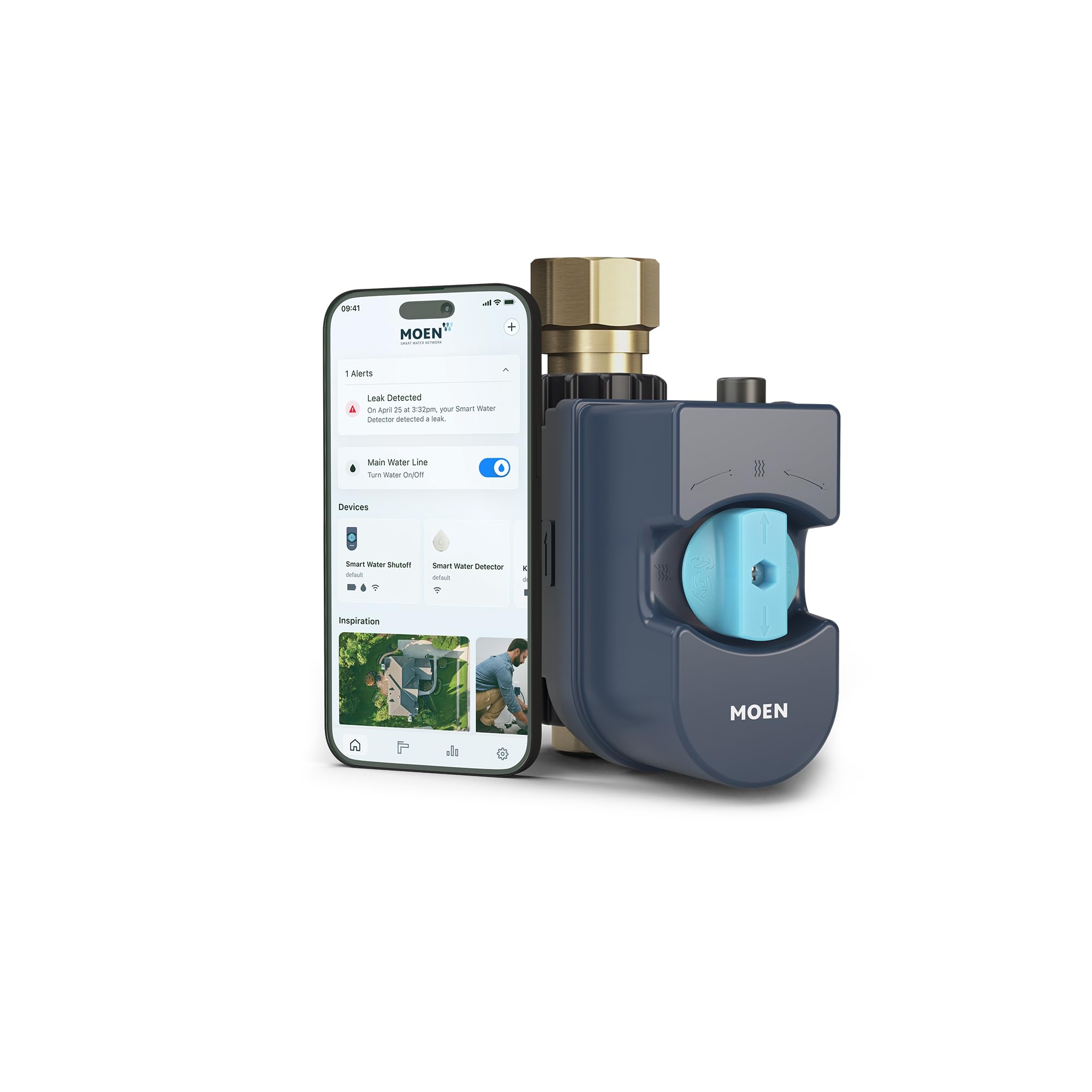
Moen Flo Smart Water Monitor and Automatic Shutoff Sensor, Wi-Fi Water Leak Detector for 3/4-Inch Diameter Pipe, 900-001 - Tub And Shower Faucets - Amazon.com
View on AmazonCommon discounts in Oregon:
- Home + Auto bundle: Often 10%–25% combined savings in many cases. If you’re shopping both, see Auto Insurance in Oregon: Rates, Requirements & How to Save (/auto-insurance/auto-insurance-in-oregon-rates-requirements-save) and ask the same carriers for home quotes.
- Newer roof or updates: Credits for recent roofs, upgraded electrical (copper wiring, modern panels), plumbing (PEX or copper), and heating.
- Protective devices: Central fire/burglar alarms, monitored security, smart water shutoff devices.
- Wildfire mitigation: Class A roofing, cleared defensible space, ember-resistant vents, screened soffits, and Firewise community participation.
- Claims-free: Staying loss-free for several years can earn meaningful savings over time.
- Paperless, autopay, paid-in-full: Small but easy credits that add up.
- New home/renovation: Construction year matters; major remodels can help.
About credit: Many insurers use a credit-based insurance score in rating, subject to Oregon law. Maintaining solid credit typically helps with premiums, but each carrier weighs it differently.
6) Filing a home insurance claim in Oregon
If something happens, these steps help your claim go smoother—and protect your rights under the policy.
Before a loss:
- Create a home inventory: Photos or a simple spreadsheet with major items and serial numbers. Store it in the cloud.
- Know your deductibles and coverage: Especially water backup, ordinance or law, and any special limits on jewelry or collectibles.
Right after a loss:
- Protect the property: Prevent further damage (shut off the water, board up a window). Keep receipts—these are typically covered.
- Document everything: Photos, videos, and a list of damaged items with approximate values.
- File promptly: Most policies require timely notice. You can usually file online or via your agent.
- Meet the adjuster: Walk through damages and share your documentation. Ask about the process and timelines.
- Understand ACV vs RCV: You may first be paid actual cash value (depreciated). After you repair/replace and submit receipts, you can typically recover the withheld depreciation up to your limit if you have replacement cost coverage.
- Track additional living expenses (ALE): Save hotel and meal receipts if you can’t live at home; ask your adjuster what’s covered.
Contractor tips:
- Get written estimates from licensed Oregon contractors; avoid signing assignment-of-benefits documents you don’t understand.
- If you hit a snag, you can consult a licensed public adjuster or attorney—usually more appropriate for large or complex claims.
Insurers operating in Oregon must follow state claims-handling standards, but exact timelines vary. If something feels off, talk to your agent or the insurer’s claim manager. Keep communication in writing when possible.
7) FAQ: common questions about Oregon homeowners insurance
Is home insurance required in Oregon? Not by state law. But lenders require it on mortgaged homes, and most owners carry it to protect their equity and savings.
Does home insurance cover wildfires and smoke in Oregon? In most cases, yes—fire and smoke are standard covered perils. Availability and rates can change after severe seasons, and some homes may face tighter underwriting. Consider extended replacement cost and wildfire mitigation steps.
Is earthquake damage covered? No. You’ll need a separate earthquake policy or endorsement with a higher deductible (often 10%–20% of the dwelling limit). This can cover the home, belongings, and loss of use after a quake.
What about flood or landslides? Standard home insurance excludes both. Flood requires an NFIP or private flood policy. Landslides and mudflows are usually excluded; specialized options may exist.
How much dwelling coverage do I need? Enough to rebuild your home with current labor and material costs. Ask your agent for a replacement cost estimator and consider +25%–50% extended replacement cost.
Does my policy cover short-term rentals (Airbnb/VRBO)? Not automatically. You’ll typically need an endorsement or a landlord/short-term rental policy. If you rent even occasionally, tell your agent.
Will my dog breed affect my rate or eligibility? Some insurers restrict certain breeds or require higher liability limits. If you have a dog, disclose it upfront so you’re not surprised at claim time.
Can my insurer nonrenew because of wildfire risk? It can happen, especially in high-risk zones. Ask about mitigation steps that could help, and keep shopping—carrier appetites vary by ZIP code and change over time. The Oregon FAIR Plan Association may be an option of last resort.
What’s a good liability limit in Oregon? Many homeowners choose $300,000–$500,000. If you have assets or higher risk exposure (pool, trampoline, frequent gatherings), consider $1 million in umbrella liability.
A quick note on “best companies” in Oregon
There isn’t one universal “best.” The right company is the one that prices your specific home fairly, offers the coverage features you value (ERC, water backup, ordinance or law), and has a solid track record paying claims for Oregon homeowners. It’s smart to test a few national carriers, at least one regional/mutual with Pacific Northwest experience, and—if needed—surplus lines options for unique homes or high wildfire exposure.
Your next step
- Get your numbers: Decide on your Coverage A target (true rebuild cost), liability limit ($300k–$500k+), and deductible ($1,000–$2,500+).
- Compare 3–5 quotes: Keep coverages identical so you can see real price differences.
- Ask about discounts: Bundle with auto, document home updates, and highlight wildfire mitigation.
Helpful resources:
- What Does Home Insurance Cover? (/home-insurance/what-does-home-insurance-cover)
- Home Insurance Guide 2026 — Compare Quotes, Coverage & Costs (/home-insurance/home-insurance-guide-2026)
- Auto Insurance in Oregon: Rates, Requirements & How to Save (/auto-insurance/auto-insurance-in-oregon-rates-requirements-save)
If you want personalized help, talk with a licensed Oregon agent. They can run the quotes, flag gaps, and help you balance price with protection. And remember—actual rates vary by home, location, and insurer. The most efficient way to find your real cost is to compare options side-by-side for your exact address.
Recommended Resources
Insurance for Dummies: Hungelmann, Jack
<strong>Manage life, health, and disability risks</strong> ― explore individual and group policies, understand Medicare basics, and evaluate long-term disability and long-term-care insurance ...
Construction Metals 14 in. x 6 in. Flange Front Bonderized Vulcan Foundation Soffit Vent - Amazon.com
Construction Metals 14 in. x 6 in. Flange Front Bonderized Vulcan Foundation Soffit Vent - Amazon.com
Moen Flo Smart Water Monitor and Automatic Shutoff Sensor, Wi-Fi Water Leak Detector for 3/4-Inch Diameter Pipe, 900-001 - Tub And Shower Faucets - Amazon.com
Moen Flo Smart Water Monitor and Automatic Shutoff Sensor, <strong>Wi-Fi Water Leak Detector for 3/4-Inch Diameter Pipe</strong>, 900-001 - Tub And Shower Faucets - Amazon.com
Related Articles
- Home Insurance in Maine: Coverage, Costs & Best Companies
- Auto Insurance in Oregon: Rates, Requirements & How to Save
- Home Insurance in Idaho: Coverage, Costs & Best Companies
- Home Insurance in Hawaii: Coverage, Costs & Best Companies
- Home Insurance in Washington: Coverage, Costs & Best Companies
- Home Insurance in Colorado: Coverage, Costs & Best Companies
- Home Insurance in California: Coverage, Costs & Best Companies
- Home Insurance in Oklahoma: Coverage, Costs & Best Companies