
Home Insurance in Michigan: Coverage, Costs & Best Companies
You’re shopping for home insurance in Michigan and want straight answers: What coverage do you actually need, what does it cost here, and which companies treat Michiganders fairly when it’s time to file a claim? Let’s break it down in plain English so you can make a confident choice.
Michigan homeowners insurance requirements and typical coverage
First, the legal piece: Michigan does not require homeowners insurance by law. But if you have a mortgage, your lender will require it to protect the home (their collateral). Even if you own your home outright, a policy is the safety net most people rely on for fires, windstorms, theft, and liability.

Insurance for Dummies: Hungelmann, Jack
<strong>Manage life, health, and disability risks</strong> ― explore individual and group policies, understand Medicare basics, and evaluate long-term disability and long-term-care insurance ...
Check Price on AmazonMost Michigan homeowners carry an HO-3 or HO-5 policy:
- HO-3: The most common policy. Your house (the dwelling) is covered for “open perils” (almost anything unless excluded), and your belongings are covered for “named perils” (specific causes listed in the policy).
- HO-5: A broader version of HO-3 that typically gives open-perils coverage on both the dwelling and your belongings. It often includes higher default limits and fewer sneaky exclusions, but costs more.
Key parts of a Michigan home policy
- Dwelling coverage (Coverage A): The rebuild cost of your home if it’s destroyed—not the market price. Rebuild costs in Michigan can be higher than you expect, especially in older homes or when labor/material prices spike. Ask for a replacement-cost estimate based on your home’s square footage, materials, and features.
- Other structures (Coverage B): Things like detached garages, fences, and sheds—typically 10% of your dwelling limit by default.
- Personal property (Coverage C): Your belongings. Decide between replacement cost (RCV) and actual cash value (ACV). RCV pays to replace new-for-old; ACV subtracts depreciation. RCV usually adds a bit to your premium but is worth it for most families.
- Loss of use (Coverage D): Pays for temporary housing and extra living costs if a covered claim makes your home uninhabitable.
- Personal liability (Coverage E): Protects you if you’re sued for injuries or property damage you (or family members/pets) cause. Many Michiganders choose $300,000–$500,000. Consider an umbrella policy if you have significant assets.
- Medical payments to others (Coverage F): No-fault medical coverage for minor injuries on your property, usually $1,000–$5,000.
Common add-ons Michigan homeowners often need
- Water backup and sump overflow: Covers water that backs up from sewers/drains or overflows from a sump pump—very common in Michigan basements. You choose a sublimit (often $5,000–$25,000+). This is not the same as flood insurance.
- Service line coverage: Pays to repair underground pipes and wiring from the street to your home (water, sewer, electric). Michigan’s freeze-thaw cycles are tough on these lines.
- Ordinance or law: Covers extra costs to meet current building codes after a covered loss. Older Michigan homes sometimes need more than the default 10%—ask about 25% or 50%.
- Special coverage for valuables: Jewelry, watches, and firearms often have low limits (e.g., $1,500 for theft). Schedule high-value items so they’re fully covered.
- Roof replacement cost vs ACV: Some insurers offer only ACV for older roofs. In a hail or windstorm, that can mean a painful check. Try to secure RCV on your roof if possible.
Deductibles explained: Your deductible is the amount you pay out of pocket before insurance kicks in. In Michigan, a $1,000 deductible is common, but bumping to $2,500 or $5,000 can lower premiums—just make sure it fits your emergency fund. In some lakeshore counties, a separate wind/hail deductible (sometimes a percentage of your dwelling limit) may apply—ask specifically about this.
Liability and dogs: Michigan’s dog bite law is relatively strict, and insurers pay a lot of these claims. Some carriers restrict certain breeds or require proof of training. If you have a dog, disclose it up front to avoid claim disputes later.
Average home insurance costs in Michigan by home value and location
Rates vary widely by city, roof age, claim history, and even distance to a fire hydrant. Your credit-based insurance score may also influence pricing depending on insurer rules. The figures below are directional—not quotes.
Typical annual premium ranges for a well-maintained, single-family home with a $1,000 deductible and replacement cost on contents, assuming no recent claims:
By dwelling coverage (rebuild cost)
- $200,000: $1,000–$1,800 per year
- $300,000: $1,400–$2,400 per year
- $500,000: $2,000–$3,800 per year
- $750,000: $2,800–$5,200 per year
- $1,000,000: $4,000–$8,000+ per year (lakeshore/luxury homes can be higher)
By Michigan location (approximate ranges for a $300,000 rebuild, $1,000 deductible)
- Detroit: $2,200–$3,800 (higher due to fire and theft risk; older housing stock)
- Flint: $1,800–$3,000
- Lansing: $1,400–$2,100
- Grand Rapids: $1,300–$2,000
- Kalamazoo/Battle Creek: $1,300–$2,000
- Ann Arbor/Ypsilanti: $1,300–$2,100
- Traverse City/Petoskey: $1,400–$2,200 (winter and wind exposure)
- Marquette/Upper Peninsula: $1,200–$1,900 (weather-driven, but often lower crime-related losses)
Rates shift constantly due to construction costs and weather losses. The fastest way to see what you would actually pay is to compare quotes from 3–5 carriers on the same day with the same coverages.
Michigan-specific risks: natural disasters, weather, and regional factors
Michigan doesn’t get hurricanes or frequent earthquakes, but it has its own set of headaches that shape coverage and price.
- Lake-effect snow and ice: Heavy snow loads and ice dams can cause roof leaks. Ice dam damage from melting-and-refreezing cycles is typically covered if the loss is sudden and accidental, but insurers expect reasonable maintenance (e.g., attic ventilation, clearing gutters). Consider adding higher water backup limits if you have a finished basement.
- Severe thunderstorms, wind, and hail: Spring–summer storms bring wind and occasional hail. Some lakeshore areas may have separate wind/hail deductibles—ask before you bind.
- Tornadoes: Less frequent than in the Plains, but Michigan averages several tornadoes annually. Standard policies cover wind/tornado damage, subject to your deductible.
- Freezing and burst pipes: Covered if you maintain heat or properly shut off and drain the plumbing when away. If a home is vacant/under renovation, clarify coverage—different rules may apply.
- Flooding: Not covered by standard homeowners insurance. If you’re in a flood-prone area or near inland lakes/rivers, consider a separate flood policy (through FEMA’s NFIP or a private flood insurer). Even outside high-risk zones, snowmelt can flood basements.
- Sewer/backups: Not flood, but common in older Michigan neighborhoods. You need a water backup endorsement.
- Erosion and shoreline issues: Great Lakes water levels fluctuate. Erosion and gradual earth movement are usually excluded. If you own waterfront property, review exclusions and consider specialty coverage.
- Power outages and food spoilage: Many policies include small sublimits for food spoilage after a covered outage; you can often increase it for a few dollars per year.
How to compare home insurance quotes in Michigan
Here is what actually matters when choosing between quotes in Michigan. Match these items across carriers so you’re truly comparing apples to apples.
- Confirm the right dwelling limit (rebuild cost)
- Use the insurer’s replacement cost estimator, but sanity-check with local builders. Don’t anchor to your home’s market value.
- Ask how the estimator treats custom features, porches, outbuildings, and finished basements.
- Set smart liability limits
- Many homeowners choose at least $300,000–$500,000 in personal liability. If you have higher assets or a pool, consider $1 million liability or an umbrella policy.
- Pick the right deductible and note any special ones
- Standard deductible: $1,000–$2,500 for many Michigan homes.
- Ask specifically about any separate wind/hail or named-storm deductible if you live near the lakeshore.
- Choose replacement cost on personal property
- Replacement cost (new-for-old) for belongings typically adds modest premium and pays off after a loss. If your quote defaults to actual cash value (depreciated), consider upgrading.
- Add Michigan-friendly endorsements
- Water backup and sump overflow (choose a realistic sublimit if you have a finished basement—$10,000–$25,000+).
- Service line coverage for underground pipes/wires.
- Ordinance or law 25%–50% for older homes.
- Scheduled personal property for jewelry, watches, and collectibles.
- Check roof coverage language
- Replacement cost vs ACV for roofs—especially if your roof is 10+ years old. Some “cheap” quotes lean on ACV, which can slash payouts.
- Review exclusions and pet/liability restrictions
- If you have a dog, trampoline, or pool, confirm any safety requirements or breed restrictions in writing.
- Evaluate claim service and financial strength
- Look for carriers with strong AM Best ratings (A- or better) and good claim satisfaction scores from independent surveys. Local agent support can speed claims in big storms.
CTA: Ready to see your real number? The fastest way to find the best value is to compare home insurance quotes in Michigan from 3–5 carriers with identical coverage settings. A licensed agent can do this in one pass and flag differences that affect claims.
Discounts and bundling opportunities for Michigan homeowners
Insurers don’t all discount the same way, but here are savings most Michigan homeowners can typically unlock:
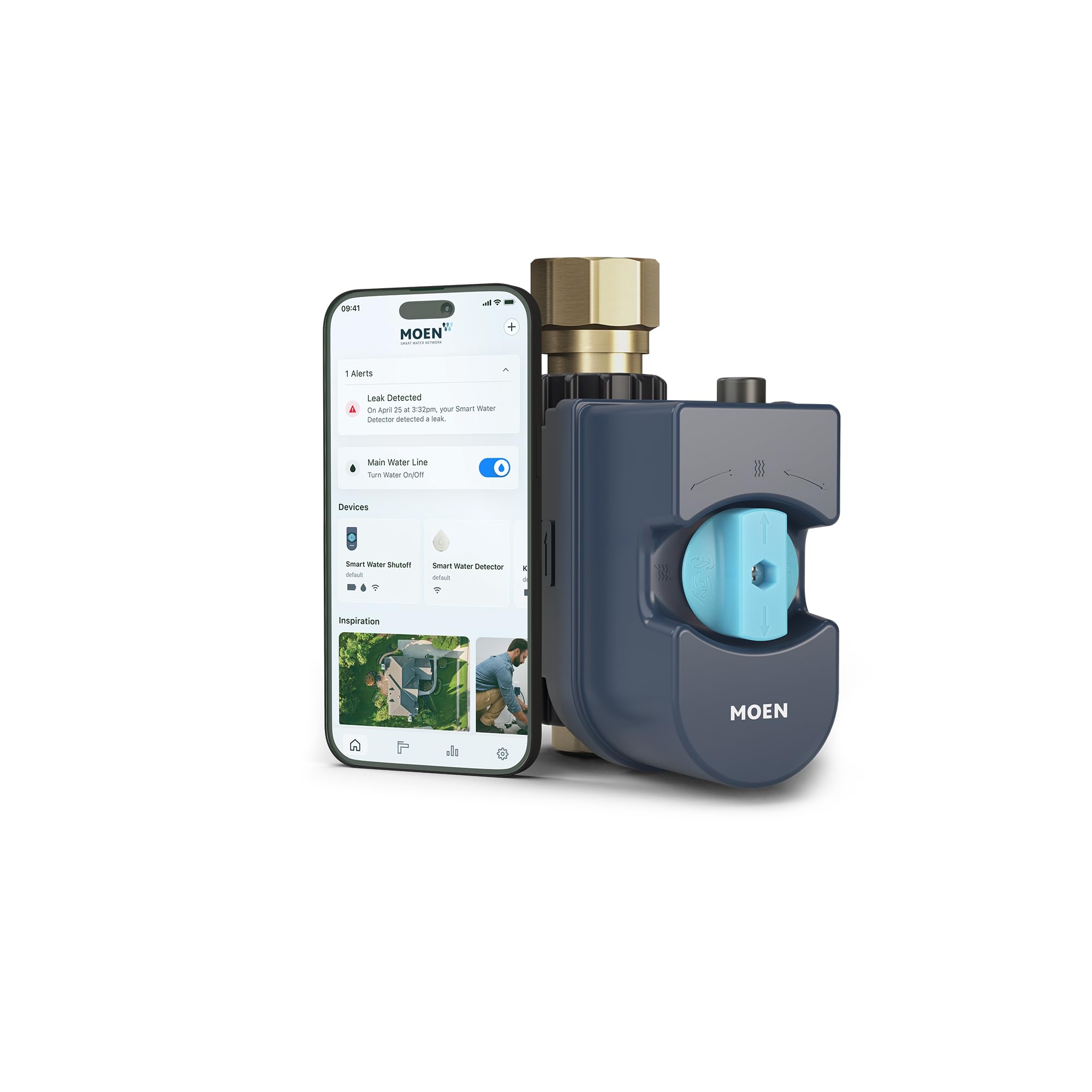
Moen Flo Smart Water Monitor and Automatic Shutoff Sensor, Wi-Fi Water Leak Detector for 3/4-Inch Diameter Pipe, 900-001 - Tub And Shower Faucets - Amazon.com
View on Amazon- Auto + home bundle: Pairing with your auto can be a big reducer, especially in Michigan where auto premiums can be higher. Still, run the math—sometimes a separate auto carrier plus a strong homeowners carrier beats bundling.
- New roof or impact-resistant shingles: Replacing an aging roof can materially lower your premium. Ask about discounts for Class 3 or Class 4 shingles.
- Security and safety: Central station fire/burglar alarms, monitored water-leak sensors, and whole-home shutoff valves earn credits with many carriers.
- Claim-free and loyalty: 3–5 years without a claim often unlocks a better tier; moving from another insurer with a clean record helps too.
- Newer home/renovation: Homes built or fully renovated within the last 10–20 years price better due to updated wiring, plumbing, and roofs.
- Paid-in-full and e-policy: Paperless billing and annual pay often stack small savings.
- HOA or affinity: Some carriers offer association or employer group discounts—ask your agent to check.
Pro tip: If you’re finishing a Michigan basement, add a battery backup to your sump pump and consider a water shutoff device; many carriers offer device-based discounts plus the peace of mind.
Filing a home insurance claim in Michigan
When you have damage, speed and documentation matter. Here’s a practical playbook:
- Protect the property
- Take emergency steps to prevent further damage (tarp a roof, shut off water). Keep receipts—these costs are typically reimbursable under “reasonable repairs.”
- Document everything
- Take photos/video of damage and the cause (e.g., hailstones, fallen tree, ice dams). Keep a simple timeline: when it happened, when you noticed, and steps you took.
- Notify your insurer promptly
- Most policies require “prompt notice.” Late reporting can complicate coverage. Your insurer will assign a claim number and an adjuster.
- Get repair estimates
- For bigger losses, get 1–2 contractor estimates. If building code upgrades are needed, make sure they’re noted so ordinance or law coverage applies.
- Clarify deductibles and limits early
- Ask whether any special deductibles (wind/hail) or sublimits (water backup) apply to your claim.
- Keep a claim journal
- Record calls, names, and dates. Save all emails and texts. If a dispute arises, a simple log helps.
Michigan-specific note: Under Michigan law (MCL 500.2006), insurers generally owe interest on overdue property/casualty claims if they’re not paid within a set period after you submit satisfactory proof of loss. The details and timeframes can be nuanced—if a claim is dragging, you can contact the Michigan Department of Insurance and Financial Services (DIFS) for guidance. This isn’t legal advice, but it’s good leverage if delays become unreasonable.
If you hit a wall
- Ask for a supervisor or a written coverage position letter.
- Consider an independent public adjuster for complex claims (they charge a fee, typically a percentage of the settlement).
- You can also consult a licensed Michigan attorney for dispute resolution.
Best homeowners insurance companies in Michigan (who to consider and why)
“Best” depends on your home, budget, and where you live. That said, these carriers are commonly competitive in Michigan. Use this as a shopping list—not a ranking.
- Auto-Owners Insurance (Lansing-based): Strong claim reputation and broad coverage options. Often great for bundlers and well-maintained homes.
- Frankenmuth Insurance: Michigan-rooted regional with solid service. Good fit for buyers who want a local feel and agent support.
- State Farm: Deep agent network, steady claims handling. Often competitive for new roofs and newer construction.
- Farm Bureau Insurance of Michigan: Popular in rural/suburban areas; check if you qualify for membership benefits and discounts.
- AAA (Auto Club Group): Can be attractive for members, especially when bundling with auto.
- Nationwide/Allied and Travelers: Good for packaging and customization (water backup, service line, valuables).
- USAA: Excellent option if you’re active-duty military, veteran, or an eligible family member.
- Progressive (through affiliate carriers) and Liberty Mutual: Worth a look for price shoppers; verify roof coverage details.
Tip: Ask each carrier to quote the same dwelling limit, liability, deductible, and endorsements. Then compare claim service feedback and roof coverage language before deciding.
What to look for when buying home insurance in Michigan
- Accurate rebuild cost: Prioritize carriers that explain their replacement-cost math and will adjust it with you.
- Strong water backup coverage: At least $10,000–$25,000 if you have a finished basement; higher if you store expensive gear.
- Roof replacement cost (not ACV): Especially for 10–15+ year-old roofs.
- Ordinance or law: 25%–50% for older homes.
- Transparent wind/hail deductibles: Know your out-of-pocket on storm losses.
- Clear liability terms: Enough limit for your assets, and no surprise animal or trampoline exclusions if those apply to you.
- Responsive claim service: Ask local contractors or neighbors which carriers were fair after recent storms.
CTA: Want a short list tailored to your address, roof age, and basement setup? Get side-by-side home insurance quotes in Michigan from multiple top carriers and see which one fits your house—before you commit.
FAQ: common questions about Michigan homeowners insurance
Q: Is home insurance required in Michigan? A: Not by law. But if you have a mortgage, your lender requires it. Even without a mortgage, most people keep it to protect against large losses.
Q: Does homeowners insurance cover basement flooding from rain or snowmelt? A: Standard policies don’t cover flood (groundwater). For water that backs up through sewers/drains or from sump overflow, you need a water backup endorsement with its own limit. For true flooding, look at a separate flood policy.
Q: Are ice dams covered? A: Typically yes if they cause sudden and accidental damage. Preventive maintenance matters—insurers may deny long-term or repeated seepage.
Q: Do Michigan insurers use credit to set home insurance rates? A: Many use a credit-based insurance score, subject to Michigan rules that limit how it’s applied. Each insurer handles this differently—ask your agent how your credit profile factors into pricing.
Q: What about tornado or wind damage near the lakes? A: Wind and tornadoes are covered perils, but some carriers apply a separate wind/hail deductible in certain counties. Verify your wind/hail deductible in writing.
Q: My roof is 15 years old—will it be covered? A: Yes for covered perils (wind/hail), but some policies pay actual cash value (depreciated) on older roofs. Try to secure replacement cost coverage.
Q: Are dog bites covered? A: Personal liability usually covers dog bite claims, but some carriers exclude certain breeds or require training. Disclose your dog and confirm coverage.
Q: Is mold covered? A: Limited. Mold is often covered only when it results from a covered peril (like a sudden pipe burst) and is subject to a small sublimit. Long-term humidity or seepage is usually excluded.
Q: Can my insurer nonrenew me after a claim? A: It’s possible after multiple or severe losses, especially water or liability claims. If you get a nonrenewal notice, shop early—other carriers may still write you.
Q: Do I need special coverage for Airbnb/short-term rentals? A: Yes. Standard homeowners policies often exclude business activity. Ask about a home-sharing endorsement or a landlord/rental dwelling policy.
A quick note on advice: For personalized coverage and pricing, talk with a licensed Michigan agent who can evaluate your home’s specifics—age, roof type, proximity to water, and renovation history matter a lot.
Your next step
- Gather the basics: year built, square footage, roof age/material, updates (roof, electrical, plumbing, HVAC), and security/safety features.
- Decide on must-haves: water backup limit, service line, roof RCV, and liability amount.
- Compare 3–5 quotes on the same day with identical coverage settings.
Getting multiple home insurance quotes in Michigan is the fastest way to see your true price and spot coverage differences before you buy. If you want help, a licensed agent can do the heavy lifting and point you to carriers that fit your home and budget.

The Basement Watchdog Emergency Battery Backup Sump Pump - Up to 2,000 GPH - 24/7 Monitoring Controller (BWE) - Sump Pump Battery Backup - Amazon.com
View on AmazonRecommended Resources
Insurance for Dummies: Hungelmann, Jack
<strong>Manage life, health, and disability risks</strong> ― explore individual and group policies, understand Medicare basics, and evaluate long-term disability and long-term-care insurance ...
The Basement Watchdog Emergency Battery Backup Sump Pump - Up to 2,000 GPH - 24/7 Monitoring Controller (BWE) - Sump Pump Battery Backup - Amazon.com
PumpSpy Dual Pump Install Kit - ... Dual Pump System To 1-1/2" Line · <strong>The Basement Watchdog Combo Preassembled Primary & Battery Backup Sump Pump System w/Monitoring Controller (CITE-
Moen Flo Smart Water Monitor and Automatic Shutoff Sensor, Wi-Fi Water Leak Detector for 3/4-Inch Diameter Pipe, 900-001 - Tub And Shower Faucets - Amazon.com
Moen Flo Smart Water Monitor and Automatic Shutoff Sensor, <strong>Wi-Fi Water Leak Detector for 3/4-Inch Diameter Pipe</strong>, 900-001 - Tub And Shower Faucets - Amazon.com
Related Articles
- Best Car Insurance in Michigan: Top Companies, Rates & How to Save
- Health Insurance in Michigan: Plans, Costs & How to Enroll
- Auto Insurance in Michigan: Rates, Requirements & How to Save
- Home Insurance in Wisconsin: Coverage, Costs & Best Companies
- Home Insurance in Maine: Coverage, Costs & Best Companies
- Home Insurance in Indiana: Coverage, Costs & Best Companies
- Home Insurance in Minnesota: Coverage, Costs & Best Companies
- Home Insurance in Pennsylvania: Coverage, Costs & Best Companies