
Health Insurance in Maine: Plans, Costs & How to Enroll
You’re shopping for health insurance in Maine and want straight answers: What are my options, what does coverage typically cost here, and how do I pick a plan I’ll actually use? You’re in the right place. Below we break down Maine’s coverage choices, typical premiums by age and plan type, who qualifies for MaineCare (the state’s Medicaid program), how Open Enrollment works on CoverME.gov (Maine’s marketplace), and how to compare plans without getting burned by fine print.
Quick note on prices: Rates vary by your age, county, tobacco use, and plan tier, and change each year. Use the numbers here as ballpark guidance—not quotes.
Your health insurance options in Maine
In Maine, most people get coverage through one of four routes. Here’s how each works and who it tends to fit best.
1) Employer-sponsored coverage (job-based)
- What it is: A group health plan offered by your employer. Your employer typically pays a portion of the premium (the monthly cost for the policy).
- Good fit for: Anyone with access to an employer plan, especially if the employer covers a meaningful share of premiums and offers a solid network.
- Watch for: The employee vs. family premium split. In many cases, employee-only coverage is affordable, but adding a spouse or kids can be much more expensive.
2) Maine’s health insurance marketplace (CoverME.gov)
- What it is: The state’s online marketplace where you can compare plans and see if you qualify for premium tax credits (subsidies that lower your monthly premium) and cost-sharing reductions (extra savings that lower your deductible—the amount you pay out of pocket before insurance kicks in—and other costs when you use care).
- Good fit for: Self-employed Mainers, part-time workers, early retirees, or anyone without access to affordable employer coverage.
- Watch for: Networks. Make sure your doctors and hospitals—think MaineHealth, Northern Light Health, Central Maine Healthcare—are in-network (the set of providers who’ve agreed to discounted rates with the insurer).
3) Medicaid in Maine (MaineCare)
- What it is: Low- or no-cost coverage for people with lower incomes, children, pregnant people, seniors, and people with disabilities. Maine has expanded Medicaid, so more adults qualify than in non-expansion states.
- Good fit for: Adults with household income around 138% of the federal poverty level (FPL) or below, plus kids and pregnant people at higher income thresholds.
- Watch for: Reporting changes in income or household size right away so you keep the right coverage—and avoid unexpected bills.
4) Private, off-marketplace plans
- What it is: Individual plans purchased directly from an insurer or licensed agent, outside CoverME.gov. Same essential health benefits, but you won’t receive subsidies here.
- Good fit for: People who don’t qualify for subsidies and find a direct plan with the doctors and hospitals they prefer.
- Watch for: If you may qualify for financial help, buy through CoverME.gov so you can receive it.
Short-term health plans (temporary, limited-benefit policies) may be available in Maine, but they typically do not cover preexisting conditions, maternity, or many essential services. If you consider one, read the exclusions carefully and compare it to a marketplace Bronze plan so you understand the trade-offs.
Average health insurance premiums in Maine by plan type and age
Actual premiums depend on your county, plan, and household details, but these ballpark figures can help you budget. Below are typical unsubsidized monthly premiums for a non-smoker in Maine. If you qualify for subsidies, your costs can be much lower.
Age 27
- Bronze (lower premium, higher deductible): roughly $300–$380/month
- Silver (middle tier, eligible for cost-sharing reductions if you qualify): roughly $380–$520/month
- Gold (higher premium, lower deductible): roughly $480–$650/month
Age 40
- Bronze: roughly $350–$450/month
- Silver: roughly $450–$600/month
- Gold: roughly $550–$720/month
Age 60
- Bronze: roughly $700–$900/month
- Silver: roughly $900–$1,200/month
- Gold: roughly $1,100–$1,450/month
Example scenario: Say you’re a 35-year-old in Portland, a non-smoker, shopping for a Silver plan. Unsubsidized, you might see options around $475–$575 per month. If your projected 2026 household income for a single person is $38,000, you’ll likely qualify for a premium tax credit that reduces that monthly bill, sometimes significantly. The exact discount depends on your income, household size, and the benchmark plan in your county.
Remember: These are estimates, not quotes. Always compare live rates on CoverME.gov or through a licensed Maine agent.
MaineCare (Medicaid) eligibility and enrollment
Maine’s Medicaid program is called MaineCare. Because Maine expanded Medicaid, more adults qualify based on income.
- Income guidelines (typical):
- Adults ages 19–64: up to about 138% FPL
- Children: often eligible at higher income levels through CHIP (Maine’s children’s coverage)
- Pregnant individuals: typically higher income thresholds than adults
- People with disabilities and seniors may qualify through different pathways
The exact income dollar amounts change annually. As a rough example, 138% FPL for a single adult is typically in the ballpark of the high $18,000s to low $20,000s per year, and for a family of four, around the low $40,000s to mid-$40,000s. Check MaineCare’s current limits when you apply.
How to apply for MaineCare:
- Online through My Maine Connection (the state’s benefits portal)
- By mail or in person at a DHHS office
- With help from a local assister or navigator
If you’re approved for MaineCare, coverage can often start retroactively to cover recent medical bills. If you’re denied due to income but are within marketplace subsidy limits, you’ll be directed to CoverME.gov to shop for discounted private plans.
Maine’s health insurance marketplace: Open Enrollment and Special Enrollment Periods
Maine runs its own marketplace at CoverME.gov. This is where most Mainers without job-based coverage shop, compare plans side-by-side, and get financial help.
Open Enrollment: Typically runs from November 1 through January 15. Enroll by mid-December for coverage starting January 1; enroll by mid-January for coverage starting February 1. Dates can change—always verify current deadlines on CoverME.gov.
Special Enrollment Periods (SEPs): You can enroll outside Open Enrollment if you have a qualifying life event, like:
- Losing other qualifying coverage (including MaineCare/Medicaid)
- Moving to Maine or moving within the state with network changes
- Marriage, divorce, birth, or adoption
- A substantial change in income affecting subsidy eligibility
Low-income SEP: In many years, individuals with incomes up to around 150% FPL may qualify for a continuous SEP on the marketplace. Availability and rules can change; check CoverME.gov for current details.
Tip: If you expect to lose employer coverage, connect with the marketplace before your coverage ends to avoid any gap.
How to compare and choose the best health plan in Maine
Here’s what actually matters when choosing a plan in Maine—beyond the shiny brochure.

Never Pay the First Bill: And Other Ways to Fight the Health Care System and Win: Allen, Marshall
Drawing on 15 years of investigating the health care industry, reporter Marshall Allen <strong>shows how companies and individuals have managed to force medical providers to play fair, and shows how y
Check Price on Amazon1) Check the provider network first
- Network = the doctors, hospitals, labs, and specialists the plan has contracted with at discounted rates. Staying in-network typically costs far less than going out of network.
- Maine examples: If you see primary care through MaineHealth, or specialists at Northern Light or Central Maine Healthcare, confirm they’re in-network for the plan and metal tier you’re considering. Networks can differ between a carrier’s Bronze and Gold options.
2) Estimate your all-in costs, not just the premium
- Premium: what you pay each month to keep the policy active.
- Deductible: what you pay out of pocket before the plan starts paying for most services.
- Copay: a flat fee per service (like $30 for a primary care visit).
- Coinsurance: a percentage of costs you pay after the deductible (for example, 20% of a hospital bill).
- Out-of-pocket maximum: the most you’ll pay in a year for covered, in-network care. After you hit it, the plan pays 100% of covered services for the rest of the year.
Run the math for your situation:
- If you rarely see the doctor, a Bronze plan with a lower premium but higher deductible might be cost-effective.
- If you have regular prescriptions or specialist visits, a Silver or Gold plan with lower cost-sharing could save you more overall, even with a higher premium.
3) Look for cost-sharing reductions (CSRs) if you qualify
- CSRs are extra savings that lower your deductible, copays, and out-of-pocket maximum—but only if you enroll in a Silver plan and your income falls within the eligible range (often up to 250% FPL). If your income qualifies, a Silver plan with CSR can feel like a Gold plan when you use care.
4) Review prescription coverage
- Check the plan’s formulary (its list of covered drugs) and the tiering for your medications.
- See if your preferred pharmacy is in-network and whether there are mail-order discounts.
5) Know the plan type: HMO vs. PPO vs. EPO
- HMO (Health Maintenance Organization): Usually requires you to use in-network care and get referrals for specialists, in exchange for lower costs.
- PPO (Preferred Provider Organization): More flexibility to see out-of-network providers, but you’ll pay more. Often a higher premium.
- EPO (Exclusive Provider Organization): Similar to an HMO in that out-of-network care usually isn’t covered, but referrals may not be required.
In many Maine counties, HMO/EPO plans dominate, which helps keep premiums lower. If you need frequent out-of-network access (say, regular treatment in New Hampshire or Massachusetts), a PPO could be worth the extra cost—if available.
6) Watch the fine print
- Prior authorization: Some services require the plan’s approval before they’re covered.
- Tiered networks: Some plans have preferred hospital tiers with lower costs at certain facilities.
- Imaging and labs: Costs can swing widely—check which facilities are preferred.
7) Consider telehealth and mental health benefits
- Many Maine plans include robust telehealth (virtual visits) with low or no copays.
- Check mental health networks and visit limits if you expect to use counseling or therapy.
8) If you’re eligible for Medicare
- Medicare is separate from the marketplace. If you’re 65+ or have certain disabilities, review Medicare Advantage vs. Medigap + Part D. A licensed agent can help you coordinate coverage if you’re working past 65 with employer insurance.
Maine-specific subsidies and financial assistance
Most savings for health insurance in Maine come from federal premium tax credits and cost-sharing reductions, both accessed through CoverME.gov. Two additional Maine-specific factors can help:
State reinsurance program: Maine operates a reinsurance program that helps insurers cover very high-cost claims. Translation: it typically stabilizes and can lower premiums for everyone in the individual market compared with what rates would be without it.
Local navigators and assisters: Maine funds outreach partners who provide free, impartial help to compare plans, check your doctors and prescriptions, and complete enrollment. If your situation is complex—variable income, multiple part-time jobs, or you’re moving between MaineCare and marketplace coverage—these helpers are worth their weight in gold.
If you’re between jobs or experiencing a temporary drop in income, it’s also worth checking for:
- MaineCare (Medicaid) eligibility
- Children’s coverage (CHIP) for your kids, even if adults in the household don’t qualify
Real-world examples for Mainers
Single 28-year-old in Bangor making $32,000/year: On a Silver plan, you’ll likely qualify for a premium tax credit and may also qualify for cost-sharing reductions. Your monthly premium could drop by a meaningful amount from the sticker price, and your deductible/copays could be lower than you expect.
Family of 4 in Lewiston with $78,000/year income: You may qualify for a premium tax credit that caps your Silver benchmark plan cost to a percentage of your income. Compare Silver vs. Gold—if you have ongoing prescriptions for the kids, the richer benefits could offset the higher premium.
60-year-old in York County, self-employed, $45,000/year: Because premiums rise with age, subsidies can be substantial at this income level. Check both Silver (for possible CSRs if eligible) and Gold to see which yields the best all-in costs with your doctors.
These are illustrations only. Actual savings depend on your exact income, family size, plan, and county.
What to look for when comparing health insurance in Maine
- Your doctors and hospitals in-network (MaineHealth, Northern Light, Central Maine Healthcare, local clinics)
- Total annual cost estimate: 12 months of premiums + likely copays/coinsurance toward your deductible + what you might hit if you reach the out-of-pocket max
- Drug coverage: your exact meds and pharmacy
- Referrals and authorizations: fewer hurdles if you use specialists regularly
- Mental health and telehealth benefits
- Dental/vision add-ons, especially for kids
- Customer service reputation and digital tools (easy claims, good app, telehealth integration)
Enrollment checklist (so you don’t have to start twice)
- Household info: Full names, birthdates, Social Security numbers if available
- Projected annual income: W-2s, 1099s, or a reasonable estimate if self-employed
- Doctors and hospitals you want covered
- Prescription list with dosages
- Any recent qualifying life events (moving, birth, loss of coverage)
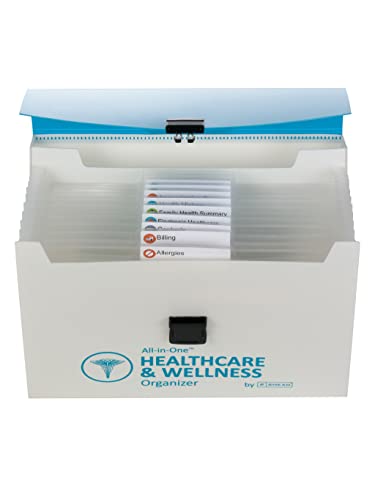
Smead All-in-One Healthcare & Wellness Organizer, 13 Pockets, Letter Size, Flap with Elastic Closure, White/Teal (92070)
View on AmazonGet personalized quotes (the fastest way to see your real price)
The fastest way to see what you would actually pay is to compare quotes from 3–5 carriers on CoverME.gov or through a licensed Maine agent. This shows your real, after-subsidy premium and narrows plans to those with your doctors and prescriptions in-network. You’re not committing to anything by running quotes.
Prefer guidance? A licensed agent or local navigator can walk you through options at no cost to you.
FAQs: Common questions about Maine health insurance
What’s the cheapest health insurance in Maine?
The lowest monthly premiums usually come from Bronze plans. But “cheapest” isn’t always best. If you qualify for cost-sharing reductions, a Silver plan can have much lower deductibles and out-of-pocket costs. Always compare your total expected costs, not just the premium.
When can I enroll?
Open Enrollment typically runs November 1 to January 15 on CoverME.gov. You may qualify for a Special Enrollment Period if you have a life event like losing other coverage, moving, or a change in household size. Check CoverME.gov for the current dates and rules.
How do premium tax credits work?
They’re advanceable credits that lower your monthly premium right away. The marketplace estimates your credit based on your projected annual income and household size. At tax time, you reconcile it with your actual income—if you earned more or less than projected, you may owe back or receive additional credit.
What’s the difference between deductible, copay, and coinsurance?
- Deductible: the amount you pay out of pocket before your plan begins paying for most services.
- Copay: a fixed dollar amount for a service (like $30 for a primary care visit).
- Coinsurance: a percentage you pay after meeting your deductible (like 20% of an MRI).
Do I qualify for MaineCare (Medicaid)?
Adults up to roughly 138% of the federal poverty level generally qualify, and children and pregnant people often qualify at higher incomes. Apply through My Maine Connection to get a definitive answer based on the latest limits.
Are my doctors covered?
That depends on the plan’s network. Always search your preferred doctors and hospitals on the plan’s provider directory and confirm directly with the office before you enroll.
Are short-term health plans a good idea in Maine?
They can fill a brief gap, but they typically exclude preexisting conditions and many essential benefits. Compare any short-term plan carefully with a marketplace Bronze plan so you understand coverage differences and potential risks.
Can I keep my plan if my income changes midyear?
Yes, but report income changes promptly. Your premium tax credit may increase or decrease. If you become eligible for MaineCare, you can transition midyear; if you lose MaineCare, you may qualify for a Special Enrollment Period to select a marketplace plan.
A quick word from a licensed pro
Health coverage is personal. A 40-year-old in Portland with seasonal income and a few prescriptions may be best served by a different plan than a 40-year-old in Presque Isle with no prescriptions and a preferred hospital. If you want a second set of eyes on your options, talk to a licensed Maine agent or a certified navigator—there’s no added cost to you, and it can prevent expensive surprises.
Ready to compare plans?
- Best next step: Get side-by-side quotes from 3–5 carriers through CoverME.gov or a licensed Maine agent to see your true after-subsidy costs.
- Have your doctor and prescription list handy so you can rule plans in or out quickly.
- If you also want to optimize your broader insurance budget, it may be a good time to review your other policies too. Mainers looking to fine-tune their coverage can check our state-specific guides for saving on Auto Insurance in Maine: Rates, Requirements & How to Save and Home Insurance in Maine: Coverage, Costs & Best Companies.
You don’t have to love insurance to get a plan that works for your life and budget. A few focused comparisons today could save you hundreds this year—without sacrificing the doctors and care you rely on.

Clever Fox Large Medical Planner 12-Month – Medical Notebook, Health Diary, Wellness Journal & Logbook to Track Health – Self-Care Medical Journal – 12 Months, Undated, 7″ x 10.5″ (Forest Green)
View on AmazonRecommended Resources
Never Pay the First Bill: And Other Ways to Fight the Health Care System and Win: Allen, Marshall
Drawing on 15 years of investigating the health care industry, reporter Marshall Allen <strong>shows how companies and individuals have managed to force medical providers to play fair, and shows how y
Smead All-in-One Healthcare & Wellness Organizer, 13 Pockets, Letter Size, Flap with Elastic Closure, White/Teal (92070)
Healthcare documents are stored ... or the hospital. Flap and cord closure adds protection and security. <strong>File includes 12 expanding pockets</strong>....
Clever Fox Large Medical Planner 12-Month – Medical Notebook, Health Diary, Wellness Journal & Logbook to Track Health – Self-Care Medical Journal – 12 Months, Undated, 7″ x 10.5″ (Forest Green)
Unexpected healthcare bills can put a large dent in your finances. Be prepared and manage your expenses well with the medical expense tracker. Blood pressure, lab tests, insurance providers, and medic
Related Articles
- Home Insurance in Maine: Coverage, Costs & Best Companies
- Auto Insurance in Maine: Rates, Requirements & How to Save
- Health Insurance in Minnesota: Plans, Costs & How to Enroll
- Health Insurance in Massachusetts: Plans, Costs & How to Enroll
- Health Insurance in Hawaii: Plans, Costs & How to Enroll
- Health Insurance in Delaware: Plans, Costs & How to Enroll
- Health Insurance in Missouri: Plans, Costs & How to Enroll
- Health Insurance in Maryland: Plans, Costs & How to Enroll