
Home Insurance in Missouri: Coverage, Costs & Best Companies
You are likely here because you want to know what home insurance in Missouri actually covers, what a fair price looks like in your city, and how to avoid paying for things you do not need. Good news: with Missouri’s mix of tornadoes, hail, heavy rain, and even earthquake exposure, asking the right questions makes a real difference.
Below, we break down how Missouri homeowners insurance works, typical costs by location and home value, the risks insurers price for, and how to compare quotes the smart way. The fastest way to see what you would actually pay is to compare quotes from 3–5 carriers — more on that in a minute.
What Missouri homeowners insurance typically covers
A standard HO-3 policy in Missouri generally includes:
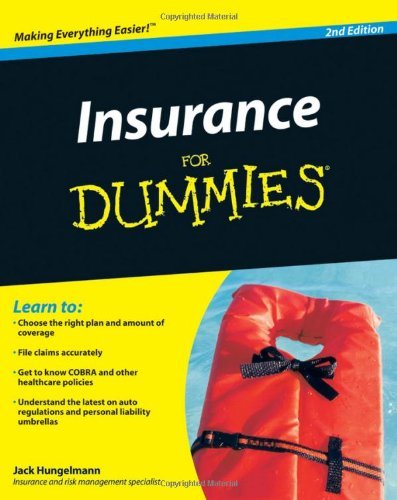
Insurance For Dummies?: Hungelmann, Jack
Whether you’re a homeowner or ... need on: ... Author Jack Hungelmann <strong>uses his twenty-five years of experience in the insurance industry to make buying insurance as simple as possible</strong>
Check Price on Amazon- Dwelling (Coverage A): Your home’s structure. This is insured up to your chosen limit, ideally set to your home’s replacement cost (what it would take to rebuild, not the market price).
- Other Structures (Coverage B): Things like a detached garage or fence, typically 10% of Coverage A.
- Personal Property (Coverage C): Your belongings, often 50%–70% of Coverage A. You can choose replacement cost coverage (pays to buy new items at today’s prices) or actual cash value (ACV, which subtracts depreciation — wear and tear). Replacement cost usually costs a bit more but avoids big depreciation hits after a claim.
- Loss of Use (Coverage D): Temporary living expenses if a covered loss makes your home uninhabitable — hotel, meals, rentals.
- Personal Liability (Coverage E): Covers you if you are legally responsible for injuries or property damage to others. Most homeowners choose $300,000–$500,000; umbrella insurance (extra liability coverage in $1M increments) can be added for broader protection.
- Medical Payments to Others (Coverage F): Small medical bills for guests injured at your home, typically $1,000–$5,000, regardless of fault.
Common add-ons Missouri homeowners often consider:
- Water backup of sewer or drain: Covers damage if a sump pump fails or a sewer line backs up. This is typically excluded unless you add it; choose a limit that fits your basement finish level.
- Service line coverage: Pays to repair or replace underground utility lines (water, sewer, electric) on your property — usually excluded without an endorsement (an added coverage you purchase).
- Ordinance or law coverage: Pays extra to bring older parts of your home up to current building codes after a covered loss. Standard policies include 10%; in much of Missouri, 25%–50% can be wiser for older homes.
- Special personal property endorsements: Jewelry, firearms, collectibles, or musical instruments often have low “special limits.” Scheduling (itemizing with appraisals) increases protection.
What a standard policy does not cover in Missouri:
- Flood: Rising groundwater or overflow from rivers/creeks requires separate flood insurance (through the National Flood Insurance Program or private carriers). NFIP policies typically have a 30-day waiting period before coverage starts.
- Earth movement: Earthquakes and sinkholes are excluded unless you add earthquake or sinkhole endorsements. More on Missouri’s earthquake risk below.
- Wear and tear, maintenance, or mold from long-term leaks: Insurers cover sudden, accidental damage — not deferred maintenance.
Quick note on deductibles: Your deductible is the amount you pay out of pocket before insurance pays. In Missouri, many policies have a separate wind/hail deductible, often a flat amount (e.g., $1,500) or a percentage of your dwelling limit (e.g., 1%–2%). A $350,000 home with a 2% wind/hail deductible means you pay the first $7,000 of a hail claim. Know which deductible applies to which perils (causes of loss).
Average cost of home insurance in Missouri
Home insurance in Missouri is typically higher than the national average because of frequent wind and hail claims. Your premium depends on many factors, including:
- Location: ZIP code-level hail/tornado frequency, distance to a fire station/hydrant, local crime rates
- Home characteristics: Year built, roof age and material, square footage, updates to plumbing/electrical/roof
- Coverage choices: Dwelling limit, liability limit, endorsements added (water backup, service line, etc.)
- Deductibles: Higher deductibles generally mean lower premiums
- Claim history: Prior losses at your address or on your record can raise rates
- Credit-based insurance score: Allowed in Missouri and often a meaningful pricing factor
Illustrative ranges we’ve seen in Missouri for well-maintained, single-family homes with replacement cost on the dwelling and personal property. These are examples, not quotes; your rate will vary by carrier and risk profile.
- $200,000 dwelling in a lower hail/tornado ZIP (e.g., parts of Columbia or St. Charles County): roughly $1,200–$1,900 per year
- $300,000 dwelling in Kansas City suburbs (newer roof, standard $1,500 deductible): roughly $1,700–$2,600 per year
- $300,000 dwelling in higher hail/tornado corridors (e.g., Springfield/Joplin area) with a 1% wind/hail deductible: roughly $2,100–$3,200 per year
- $400,000 older home near St. Louis city with updated electrical and added water backup: roughly $2,000–$3,200 per year
City-to-city tendencies in Missouri (not rankings):
- Kansas City metro: Competitive markets with many carriers, but hail frequency can push roof-related pricing up.
- St. Louis metro: Older housing stock can increase replacement cost and ordinance or law needs; hail still a driver in many ZIPs.
- Springfield/Joplin and southwest MO: Tornado and hail exposure often result in higher wind/hail deductibles and roof-specific rules.
- Columbia/Jefferson City: Often moderate pricing if roofs are newer and updates are recent.
- Bootheel/Mississippi River communities: Flood risk varies by neighborhood; flood insurance (separate policy) may be recommended or lender-required.
Again, these are ballpark ranges from recent Missouri quotes; carriers file new rates regularly, and individual underwriting makes a big difference.
Missouri-specific risks to factor in
Missouri’s risk profile is unique. Here is what actually matters when choosing coverage limits and endorsements.

Midland - WR120B - NOAA Emergency Weather Alert Radio - Localized Programming, Trilingual Display, 60+ Emergency Alerts, Alarm, Selectable Alert Tone : Electronics
View on AmazonTornadoes and severe thunderstorms: Standard home insurance covers wind and hail, but many Missouri policies apply a separate wind/hail deductible. Ask whether your roof is covered at replacement cost (new for old) or actual cash value (depreciated). Some carriers offer replacement cost only for newer roofs or certain shingles. If your roof is 15+ years old, expect tighter terms or surcharges.
Hail: One of the most frequent claim drivers in Missouri. Impact-resistant shingles can reduce losses and may qualify for a premium discount. Keep proof of shingle type and installation date.
Flooding: Not covered by standard homeowners. Consider NFIP or private flood insurance if you live near rivers/creeks or in heavy-rain-prone neighborhoods. Lenders typically require flood insurance in FEMA Special Flood Hazard Areas. Remember the usual 30-day wait period before NFIP coverage begins.
Earthquake (New Madrid Seismic Zone): Southeast Missouri sits near the New Madrid fault system. Earthquake coverage is optional and usually purchased as an endorsement or standalone policy. Deductibles are commonly a percentage of Coverage A (often 10%–25%). In practical terms, a 10% deductible on a $300,000 dwelling means you pay the first $30,000 of earthquake damage.
Winter weather and ice dams: Ice dams form when heat escapes into the attic and melts roof snow, then refreezes at the eaves. Resulting water intrusion is typically covered, but insulation/venting fixes are not. Good attic ventilation and air sealing help prevent repeat issues.
Regional ground issues: Parts of Missouri have karst geology (sinkhole potential) and areas with old mining activity. Standard policies exclude earth movement; ask your agent about available sinkhole or mine subsidence options if your area has known exposure.
How to compare home insurance quotes in Missouri
Comparing price without matching coverage is the fastest way to get fooled. Use this checklist to line up apples-to-apples quotes.
Coverage to match across quotes:
- Dwelling (Coverage A): Set to true replacement cost. Insurers use software to estimate; give accurate details on square footage, finishes, and any updates.
- Personal Property (Coverage C): Choose replacement cost coverage when possible. Confirm limits for electronics, jewelry, firearms, and collectibles.
- Liability (Coverage E): Many Missouri homeowners choose $300,000–$500,000. If you have a pool, trampoline, short-term rental exposure, or large assets, consider an umbrella policy.
- Deductibles: Note both the all-peril deductible and any separate wind/hail deductible. Percentage deductibles shift more cost to you after storms — understand your out-of-pocket.
- Roof coverage terms: Replacement cost vs ACV, cosmetic damage exclusions (some policies exclude purely cosmetic hail dents to metal roofs/siding), and matching siding/roof coverage.
- Key endorsements: Water backup (pick a limit aligned to your basement finish), service line, ordinance or law, equipment breakdown, and scheduled property.
Questions to ask Missouri insurers or agents:
- How do you handle roofs older than 15 years? Do you reduce coverage to ACV? Any discount for impact-resistant shingles?
- Do you use a separate wind/hail deductible in my ZIP? Is it a flat amount or a percentage?
- If my siding or roof can’t be matched, what does the policy pay to replace undamaged sections so everything matches?
- What are the sublimits for water backup, special personal property, and tree/debris removal?
- Do you offer earthquake or sinkhole coverage in my area? What is the deductible?
What to look for beyond price:
- Financial strength and claims reputation: You want a carrier that can pay and responds quickly after a storm. Check independent ratings and ask local contractors who writes good roofs in your area.
- Local presence: In Missouri, regional and mutual carriers can be competitive, especially for homes with newer roofs.
- Policy flexibility: The ability to tailor wind/hail deductibles, add endorsements, and adjust ordinance or law coverage often matters more than a $30 premium difference.
Call to action: The fastest way to see what you would actually pay is to compare quotes from 3–5 carriers. Get at least one from a national brand, one from a strong regional or mutual, and one from an insurer accessed by an independent agent who can shop multiple markets for you.
The best home insurance companies in Missouri (and who they fit)
There is no single “best” company for everyone. That said, here are carrier types that are often strong in Missouri and the profiles they can fit — use this as a starting point while you shop.
- Major national brands (e.g., State Farm, Allstate, Farmers, Nationwide, Travelers, Liberty Mutual): Broad availability and strong digital tools. Good for bundled home/auto discounts and new-roof credits.
- Regional and mutual carriers (e.g., Shelter, Auto-Owners, Country Financial, Missouri Farm Bureau, AAA-affiliated carriers): Often very competitive in Missouri, especially for homes with newer roofs and clean claim histories. Some excel with personalized service via local agents.
- Military-affiliated (USAA): Excellent option if you qualify through military service or family. Frequently competitive on bundled home/auto and claims service.
- Insurers accessed by independent agents (e.g., ASI/Progressive partners and various specialty markets): Helpful for unique homes, older roof situations, or when you need custom endorsements.
We do not rank or endorse specific companies here because pricing and fit vary widely by ZIP code, roof age, credit-based insurance score, and prior claims. Use the comparison steps above to build a short list.
Discounts and bundling opportunities for Missouri homeowners
You will not see every discount on a quote unless you ask. Missouri homeowners commonly qualify for:
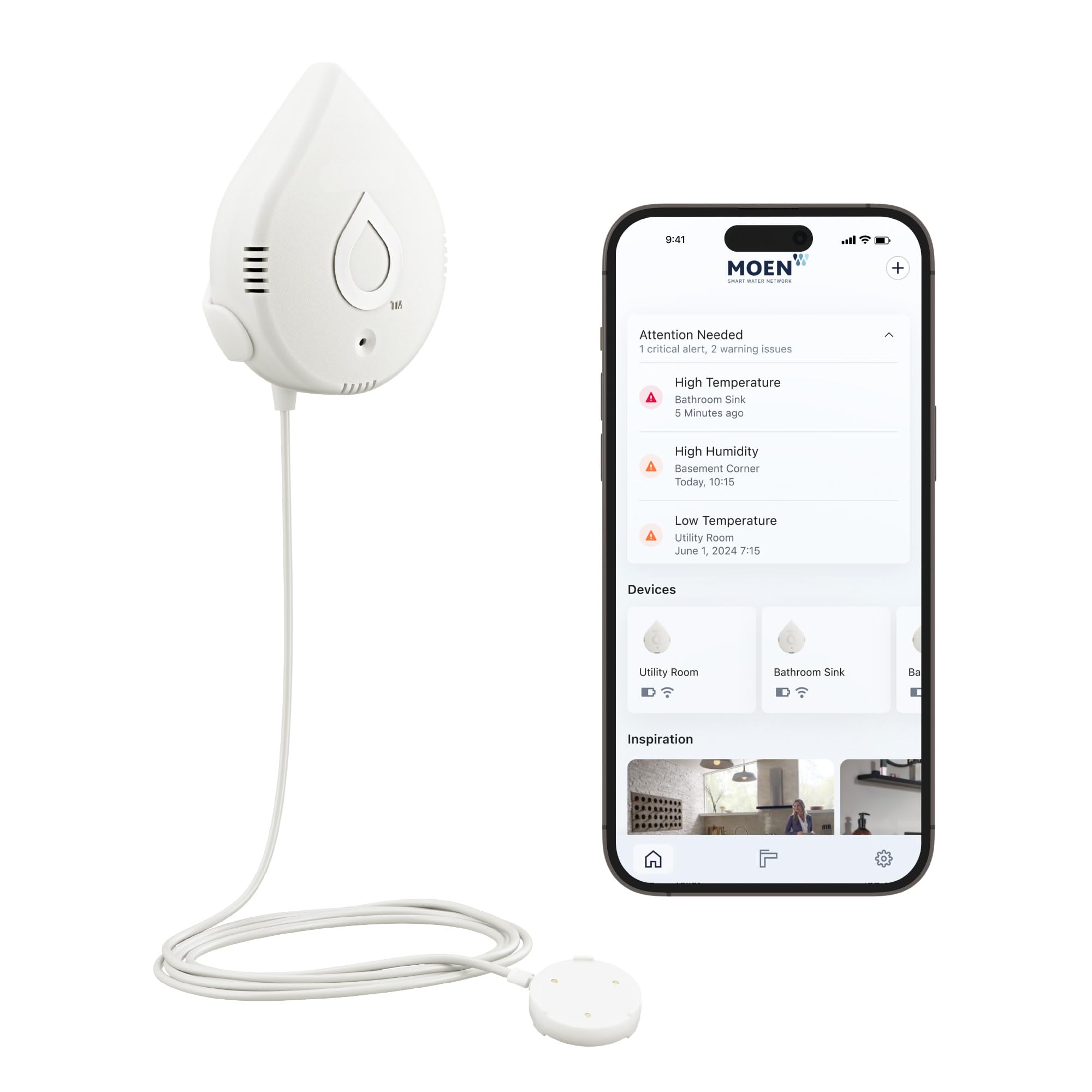
Moen White Flo Smart Water Leak Detector, Water Sensor Alarm for Home, 3-Pack, 920-005 - Amazon.com
View on Amazon- Bundling (home + auto or umbrella): Often 10%–25% savings, sometimes more if both policies are with the same carrier.
- New or updated roof: Bigger credits for Class 4 impact-resistant shingles; provide documentation to lock it in.
- Protective devices: Central station fire/burglar alarms, monitored water leak sensors, whole-home generators.
- New home or renovation: Credits for homes built or substantially renovated in the last 10–15 years, especially updated electrical/plumbing/roof.
- Loss-free: No claims in 3–5 years can help — but do not avoid filing a legitimate claim just for a discount.
- Pay-in-full, paperless, and autopay: Small but easy savings.
- Gated community or HOA maintenance features: Occasional niche credits.
Pro tip: In parts of Missouri where hail drives rates, the new-roof/impact-resistant discount can outweigh other credits. If you are already replacing a roof, ask contractors about Class 4 options and check with your insurer before installation.
Filing a home insurance claim in Missouri
Storm hits, shingles are everywhere — now what? Here is a practical, Missouri-tested approach.
Make the home safe and prevent further damage: Tarp the roof, shut off water if needed. Keep receipts — these “reasonable repairs” are typically reimbursable, subject to your deductible.
Document everything: Take wide and close-up photos/videos of damage, water lines, hailstone size (with a ruler or coin), and any damaged personal property. Keep a list of what is damaged with approximate values.
Notify your insurer promptly: Most policies require “prompt notice.” After large hailstorms, carriers often set up catastrophe teams to speed inspections.
Meet the adjuster: Walk them through all damage areas. Ask about roof coverage (replacement cost vs ACV) and how matching works for siding/roofing.
Vet contractors carefully: In a big storm’s aftermath, door-to-door solicitations are common. Get multiple bids, verify licensing/insurance, and be wary of “we’ll eat your deductible” offers (that is typically not allowed). Avoid signing assignment of benefits documents that give a contractor the right to negotiate/collect your claim proceeds without your oversight.
Track additional living expenses: Keep all receipts for hotels, meals, and rental costs if you cannot live at home due to a covered loss. Your loss of use coverage should reimburse reasonable, necessary expenses above your normal costs.
If a claim stalls or you disagree on scope/payment, you can escalate within the insurer, request a reinspection, consult a licensed public adjuster or contractor, or contact the Missouri Department of Commerce and Insurance for guidance on complaints and consumer rights.
FAQ: Common questions about Missouri homeowners insurance
Is home insurance required in Missouri? Not by state law. But if you have a mortgage, your lender will require it. Even if your home is paid off, coverage protects your biggest asset and liability risks.
Does home insurance in Missouri cover tornadoes? Yes, wind (including tornado) and hail are standard covered perils. Many policies apply a separate wind/hail deductible, sometimes as a percentage of your dwelling limit.
Do I need earthquake insurance in Missouri? If you live in or near the New Madrid Seismic Zone or simply want peace of mind, consider it. Remember the deductible is often 10%–25% of your dwelling coverage.
Is flood covered? No. You need separate flood insurance through NFIP or private markets. NFIP typically has a 30-day waiting period before coverage starts, so do not wait for storm season.
Why did my premium go up if I did not file a claim? Missouri carriers periodically update rates due to local hail/tornado losses, higher building costs, and reinsurance (insurance for insurance companies). Roof age and inflation in replacement cost estimates can also push premiums higher.
Can my dog breed affect coverage? Some insurers restrict or surcharge certain breeds for liability. If you have a dog, ask upfront about animal liability terms and consider higher liability limits or an umbrella policy.
What liability limit should I choose? Many Missouri homeowners carry $300,000–$500,000. If you have significant assets or risk factors (pool, trampoline, short-term rental), consider a $1M+ umbrella for added protection.
Will updating my roof or electrical help? Typically yes. Newer roofs, updated wiring, and added protective devices often qualify you for meaningful credits and broader coverage terms.
Your smart next step
- Gather your details: roof age/material, recent updates, square footage, and any special items to schedule (jewelry, instruments).
- Decide on key coverages: target liability limit ($300K–$500K), water backup amount, service line, and whether you want earthquake or flood.
- Compare 3–5 quotes: Include at least one national, one regional/mutual, and one independent-agent option. Match dwelling limits and deductibles for a fair comparison.
If you want help tailoring coverage to your ZIP code and roof, speak with a licensed Missouri agent. They can explain how each carrier treats wind/hail deductibles, roof age, and earthquake or flood add-ons based on your exact location.
Call to action: Ready to see real numbers? Get personalized home insurance quotes in Missouri from multiple insurers. It typically takes about 10 minutes, and you will quickly see which carrier fits your home, roof, and budget best.
Recommended Resources
Insurance For Dummies?: Hungelmann, Jack
Whether you’re a homeowner or ... need on: ... Author Jack Hungelmann <strong>uses his twenty-five years of experience in the insurance industry to make buying insurance as simple as possible</strong>
Midland - WR120B - NOAA Emergency Weather Alert Radio - Localized Programming, Trilingual Display, 60+ Emergency Alerts, Alarm, Selectable Alert Tone : Electronics
Buy Midland - WR120B - NOAA Emergency Weather Alert Radio - <strong>Localized Programming, Trilingual Display, 60+ Emergency Alerts, Alarm, Selectable Alert Tone</strong>: Weather Radios - Amazon.com
Moen White Flo Smart Water Leak Detector, Water Sensor Alarm for Home, 3-Pack, 920-005 - Amazon.com
Moen White Flo Smart Water Leak Detector, Water Sensor Alarm for Home, 3-Pack, 920-005 - Amazon.com
Related Articles
- Auto Insurance in Missouri: Rates, Requirements & How to Save
- Renters Insurance in Missouri: What It Covers, Costs, and How to Choose
- Home Insurance in Mississippi: Coverage, Costs & Best Companies
- Home Insurance in Montana: Coverage, Costs & Best Companies
- Home Insurance in Maine: Coverage, Costs & Best Companies
- Health Insurance in Missouri: Plans, Costs & How to Enroll
- Home Insurance in Minnesota: Coverage, Costs & Best Companies
- Home Insurance in Illinois: Coverage, Costs & Best Companies