
Home Insurance in Connecticut: Coverage, Costs & Best Companies
You’re shopping for home insurance in Connecticut and the numbers feel all over the place. One quote mentions a “hurricane deductible,” another talks about “ordinance or law coverage.” What actually matters for a Connecticut home — and what’s a nice-to-have? Let’s break it down so you can buy confidently and avoid common gaps.
Connecticut homeowners insurance requirements and typical coverage
First, the basics: there’s no state law that requires homeowners insurance in Connecticut. But if you have a mortgage, your lender will require it. Even if you own your home outright, a policy protects your biggest asset from fires, storms, theft, and liability claims.
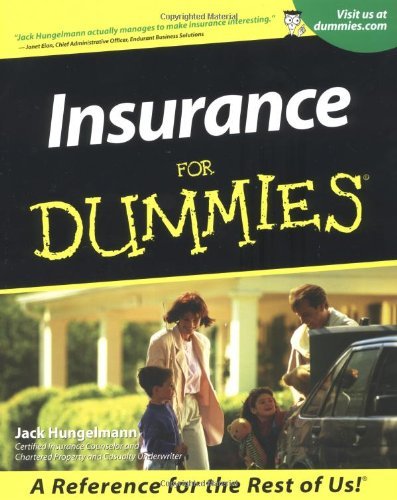
Insurance for Dummies: Hungelmann, Jack
<strong>Manage life, health, and disability risks</strong> ― explore individual and group policies, understand Medicare basics, and evaluate long-term disability and long-term-care insurance ...
Check Price on AmazonMost Connecticut homeowners carry an HO-3 policy (the standard package for single-family homes). Here’s what that typically includes, in plain English:
- Dwelling (Coverage A): pays to rebuild your home if it’s damaged by a covered peril (like fire or wind). Insurers base this on replacement cost — the cost to rebuild — not your market value.
- Other Structures (Coverage B): sheds, fences, detached garages — usually 10% of your dwelling limit.
- Personal Property (Coverage C): your belongings, like furniture and clothes. Ask for replacement cost coverage so you’re paid the cost to buy new items, not the depreciated value.
- Loss of Use/Additional Living Expense (Coverage D): hotel, meals, and extra costs if you can’t live at home after a covered loss.
- Personal Liability (Coverage E): protects you if you’re sued for injuries or property damage to others. Many Connecticut homeowners choose $300,000–$500,000 or more.
- Medical Payments (Coverage F): pays small medical bills for guests injured at your home, regardless of fault.
Key terms you’ll see on Connecticut policies:
- Deductible: the amount you pay out of pocket before insurance pays. A $1,000 deductible means you cover the first $1,000 of a covered claim.
- Hurricane or Named Storm Deductible: a separate, usually percentage-based deductible (often 1%–5% of your dwelling limit) that applies when a storm meets your policy’s definition. This is common along the Connecticut shoreline.
- Ordinance or Law Coverage: extra coverage (often 10%–50% of your dwelling limit) for upgrades required by current building codes after a loss — crucial for older New England homes.
Common add-ons Connecticut homeowners consider:
- Water Backup/Sump Overflow: covers damage if a drain backs up or your sump pump fails (not part of standard policies). Limits typically range from $5,000–$25,000.
- Service Line Coverage: repairs to underground pipes and wiring on your property (water, sewer, electric) that standard policies exclude.
- Equipment Breakdown: covers mechanical/electrical failures of systems like HVAC or appliances.
- Scheduled Valuables: extra protection for jewelry, watches, fine art beyond small standard sublimits.
If you want a quick refresher on what’s typically covered or excluded, this explainer is a helpful reference: What Does Home Insurance Cover?
A note on condos and co-ops: if you own a condo in Hartford, Stamford, or New Haven, you’ll likely need an HO-6 policy. It covers your unit’s interior (walls-in), belongings, liability, and loss assessment (your share of association deductibles). Your condo master policy determines how much interior coverage you need.
Flood and earthquake: standard home policies in Connecticut do not cover flood (rising water from outside) or earthquakes. For coastal or river-adjacent homes, consider a separate flood policy through the NFIP or private market. Earthquake risk is low but not zero; optional earthquake endorsements exist.
Average home insurance costs in Connecticut by home value and location
Let’s talk cost. Rates vary widely by your home’s rebuild cost, age, roof condition, distance to the shoreline, fire protection class, claims history, credit-based insurance score (where allowed), and the exact coverages and deductibles you pick. So take any average with a grain of salt.
Here are illustrative ranges we commonly see from major carriers for well-maintained, single-family homes with a standard $1,000–$2,500 deductible and replacement cost on dwelling and contents. Your price can be lower or higher based on your specific situation.
- Inland suburban home near Hartford, $350,000 dwelling limit, 2000s construction, no recent claims: often in the $1,000–$1,700 per year range.
- Older colonial near New Haven, $450,000 dwelling limit, knob-and-tube removed, upgraded electrical, no claims: often $1,400–$2,200 per year.
- Coastal home in Fairfield County (e.g., Stamford/Greenwich) within a mile of the shore, $650,000 dwelling limit, roof under 10 years, named-storm deductible 2%: often $2,000–$4,000+ per year.
- Rural Litchfield County home, $300,000 dwelling limit, wood stove, detached barn: often $1,100–$1,900 per year, with surcharges for solid-fuel heat.
By home value (very rough, assuming average risk profiles):
- $250,000–$350,000 dwelling: commonly four figures, low to mid range, depending on location and roof age.
- $400,000–$600,000 dwelling: typically higher four figures; coastal exposure, older construction, or high theft ZIPs can push it up.
- $700,000+ dwelling or high-value homes: five figures is possible, especially for large, custom, or coastal properties; carriers like Chubb or AIG Private Client may be competitive for high limits and broader coverage.
Important cost drivers specific to Connecticut:
- Distance to the coast: shoreline ZIP codes face higher wind exposure and often a separate hurricane or named-storm deductible.
- Roof age and material: newer roofs and architectural shingles can help; three-tab shingles near end of life drive up price and limit options.
- Building age and updates: older homes are common in Connecticut; updated wiring, plumbing, and heat matter for eligibility and price.
- Fire protection: proximity to hydrants and fire stations impacts rates, especially in rural areas.
If you’re comparing options, the fastest way to see what you would actually pay is to compare quotes from 3–5 carriers, apples-to-apples on coverage and deductibles.
Connecticut-specific risks: natural disasters, weather, and regional factors
Connecticut has four-season weather with a coastal twist. Here’s how that plays into coverage decisions:

The Basement Watchdog Emergency Battery Backup Sump Pump - Up to 2,000 GPH - 24/7 Monitoring Controller (BWE) - Sump Pump Battery Backup - Amazon.com
View on Amazon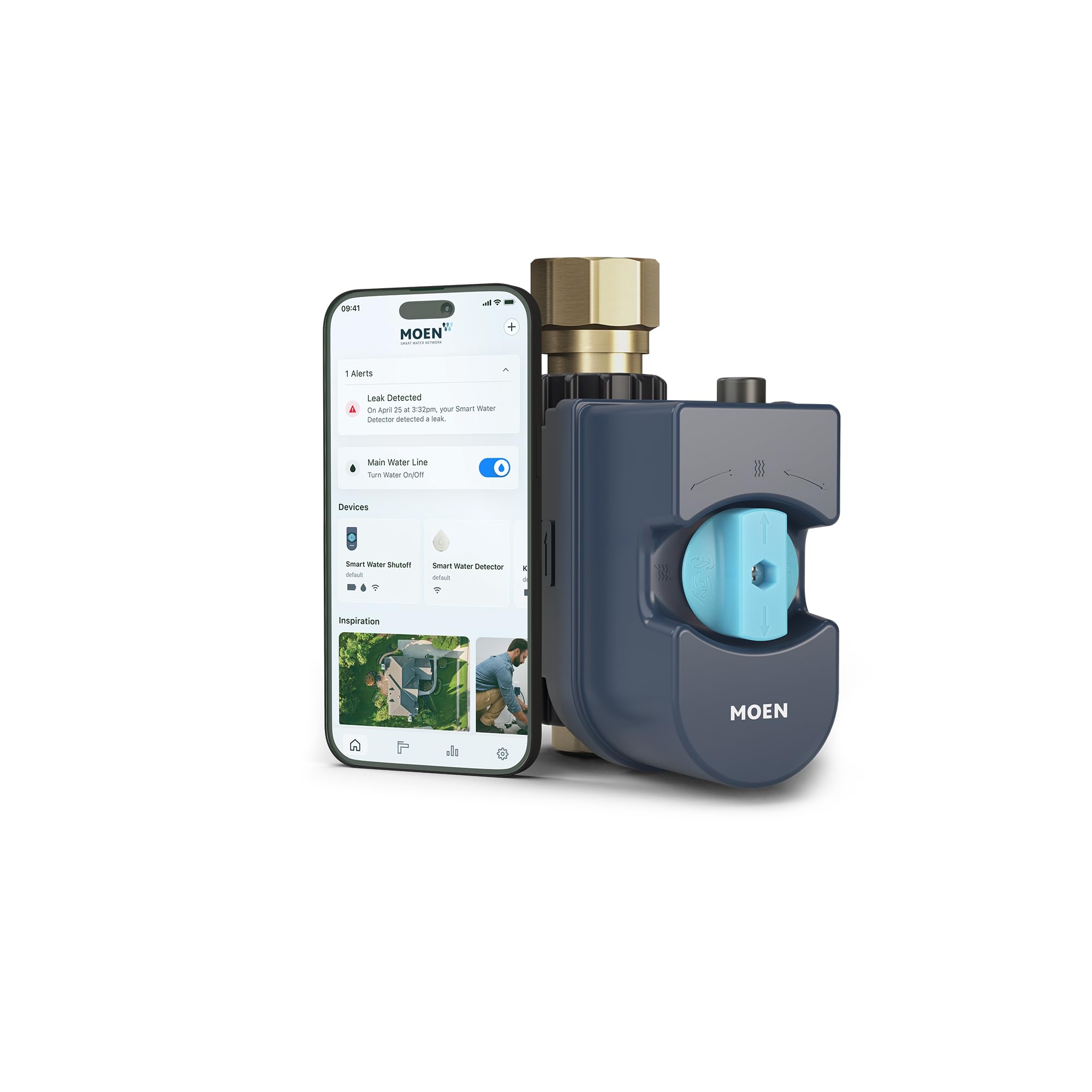
Moen Flo Smart Water Monitor and Automatic Shutoff Sensor, Wi-Fi Water Leak Detector for 3/4-Inch Diameter Pipe, 900-001 - Tub And Shower Faucets - Amazon.com
View on Amazon- Hurricanes and Tropical Storms: While not as frequent as the Southeast, Connecticut can see tropical systems. Many carriers apply a hurricane or named-storm deductible — a percentage of your dwelling limit (e.g., 2% of $400,000 = $8,000 out of pocket) when a storm meets policy triggers. Ask how your policy defines “named storm” and when that deductible applies.
- Nor’easters and Windstorms: Powerful rain/snow/wind events can cause roof damage, tree falls, and power outages. Check if your roof is covered for replacement cost or actual cash value (ACV). ACV pays less for older roofs due to depreciation.
- Winter Freeze and Ice Dams: Frozen pipes and ice dams are classic New England claims. Keep heat on during cold snaps and consider heat cables/attic insulation. Ask your insurer how they handle ice dam damage and water seepage.
- Flooding and Storm Surge: Flood (rising water from outside) is excluded on standard policies. If you’re near Long Island Sound, tidal rivers, or flood-prone inland rivers, get a separate flood policy (NFIP or private). Even a few inches can cost tens of thousands.
- Tornadoes and Microbursts: Less common but not unheard of. Wind is typically covered, subject to your deductible.
- Earth Movement and Erosion: Landslides and coastal erosion are generally excluded. Some carriers offer limited endorsements, but expect exclusions near cliffside or erosion-prone properties.
Mitigation ideas that can help with eligibility, pricing, or peace of mind:
- Replace aging roofs and document permits/materials.
- Install a backwater valve and a battery-backed sump pump.
- Add water leak sensors and automatic shutoff valves.
- Trim trees away from the roof and maintain gutters.
- Ask your contractor about hurricane clips/strapping when reroofing, and use high-wind-rated shingles.
How to compare home insurance quotes in Connecticut
Here is what actually matters when choosing between Connecticut quotes:
- Make sure the dwelling limit reflects true rebuild cost
- Replacement cost: the cost to rebuild with local labor and materials, not what you could sell the home for. Prices can rise quickly after storms; revisit this every renewal.
- Extended/Guaranteed Replacement: look for 25%–50% extended replacement cost, or guaranteed replacement if available and affordable. This can help if rebuilding costs spike.
- Check your wind, hurricane, or named-storm deductible
- Percentage deductibles add up fast. Ask: what exactly triggers this deductible? Is it only when the National Weather Service names a storm, or any wind event? Can I buy it down?
- Look for code upgrade (ordinance or law) coverage
- Connecticut’s older housing stock and updated energy/building codes make this crucial. Consider 25% or more for pre-1970 homes or major renovations.
- Confirm roof settlement terms
- Replacement cost vs. ACV on roofs can change your claim payout dramatically. If ACV, ask what depreciation schedule applies.
- Add water backup/sump overflow if you have a basement
- Start at $10,000–$25,000 limits for finished basements. Verify whether mold remediation has sublimits.
- Consider service line coverage
- Aging underground water and sewer lines are common in New England and standard policies exclude them.
- Choose a liability limit that matches your risk
- Pools, trampolines, or frequent hosting? Consider $500,000 liability and possibly a separate umbrella policy for $1–$2 million of extra protection.
- Evaluate the carrier, not just the price
- Financial strength (e.g., AM Best rating), claim reputation, local adjuster presence, and whether they support contractors you trust all matter.
- Keep the comparison apples-to-apples
- Same dwelling limit, personal property, liability, loss of use, endorsements, and deductibles across quotes. Small differences hide in the details.
If you want a broader playbook for shopping and timing, bookmark our Home Insurance Guide 2026 — Compare Quotes, Coverage & Costs.
Call to action: The fastest way to see what you would actually pay is to compare quotes from 3–5 carriers. Start with one coastal-friendly company if you’re near the Sound and two or three broad-market carriers inland, then fine-tune coverages once you like a price range.
Discounts and bundling opportunities for Connecticut homeowners
Most carriers offer a similar menu of discounts. A few to ask about:
- Bundle home + auto: often the largest discount. To explore your auto options locally, see our guide to Auto Insurance in Connecticut: Rates, Requirements & How to Save.
- Protective devices: central station fire/burglar alarms, water leak sensors with automatic shutoff, and monitored smoke detectors.
- Roof age and materials: newer roofs and wind-rated shingles may help.
- Renovation/new home credits: full-system updates (roof, electric, plumbing, heat) and recent build years often rate better.
- Claims-free: a clean history over 3–5 years can help.
- E-policy, auto-pay, paid-in-full: small but easy savings.
- Higher deductible: moving from $1,000 to $2,500 can lower premiums, but be sure you can comfortably cover that out of pocket.
- Loss mitigation: backwater valves, sump pumps, and lightning surge protection sometimes earn credits.
Tip: When bundling, confirm the combined price is truly lower. Sometimes a strong stand-alone home policy plus a separate auto carrier still wins on total cost and coverage.
Filing a home insurance claim in Connecticut
When something happens, here’s a simple roadmap:
- Safety and mitigation first
- Prevent further damage (shut off water, board up, tarp the roof). Keep receipts — your policy typically reimburses reasonable emergency repairs.
- Document everything
- Take photos/videos before cleanup. Make a list of damaged items with approximate ages and replacement costs.
- Check your deductibles and coverage triggers
- Know whether your standard deductible or a hurricane/named-storm deductible applies. If you’re unsure, your agent or carrier can clarify quickly.
- File promptly and keep a claim diary
- Dates, names, and summaries of phone calls help. If a catastrophe hits, expect adjuster backlogs — early filing gets you in the queue.
- Get reputable contractors
- In most cases you choose who repairs your home. Ask for written estimates, check licenses and references, and be wary of high-pressure tactics.
- Understand replacement cost vs. actual cash value
- Many policies pay initial “actual cash value” (replacement cost minus depreciation), then release “recoverable depreciation” after you complete repairs — keep receipts and submit them on time.
- Use Additional Living Expense if needed
- If your home is uninhabitable after a covered loss, ALE can pay for temporary housing and extra costs. Save itemized receipts.
If you have trouble with a claim or feel you’re being treated unfairly, you can contact the Connecticut Insurance Department for guidance or to file a complaint. A licensed public adjuster is another option for complex claims, though fees apply — ask about cost and services before you sign anything.
FAQ: common questions about Connecticut homeowners insurance
Does Connecticut require homeowners insurance by law?
- No. But most lenders require it, and carrying a policy is a smart way to protect your investment.
Does home insurance in Connecticut cover hurricanes?
- Typically yes for wind damage, but many policies apply a separate hurricane or named-storm deductible (often 1%–5% of the dwelling limit). Flood from storm surge is not covered — that requires a separate flood policy.
Is flood insurance recommended in Connecticut?
- If you live near Long Island Sound, tidal rivers, or any FEMA flood zone, strongly consider it. Even inland properties can flood during heavy rains or snowmelt.
How much liability coverage should I carry?
- Many homeowners opt for $300,000–$500,000. If you have a pool, significant assets, or host frequently, consider a $1–$2 million umbrella policy for extra protection.
What affects my premium the most in Connecticut?
- Rebuild cost, roof age, distance to the shore, claim history, credit-based insurance score (where used), and your deductibles/endorsements are big factors.
I have an older Connecticut home. What should I watch for?
- Ask about knob-and-tube wiring, fuse boxes, older plumbing, and oil tanks. Prior updates help with eligibility and price. Increase ordinance or law coverage for code-required upgrades.
Can I get coverage if I’m right on the coastline?
- Usually yes, but expect a higher wind deductible and fewer carrier options. Some insurers may require a higher named-storm deductible or specific roof standards.
What if I can’t find a company willing to insure my home?
- Speak with a licensed independent agent. In rare cases, last-resort options exist in many states; an agent can outline eligibility and tradeoffs.
A quick note on getting help
Insurance isn’t one-size-fits-all. A licensed Connecticut agent can help you estimate rebuild cost, navigate hurricane deductibles, and fine-tune add-ons like water backup and service line coverage based on your exact home and ZIP code.
Your next step
You’ve got the framework. Now see real numbers for your address. The smartest next move is to compare quotes from 3–5 carriers with the same coverage limits, deductibles, and key endorsements. Start with one coastal-savvy carrier if you’re near the Sound and two or three broad-market options inland, then adjust based on price and claims reputation.
If you want to go deeper on coverages while you shop, keep this handy: Home Insurance Guide 2026 — Compare Quotes, Coverage & Costs.
Recommended Resources
Insurance for Dummies: Hungelmann, Jack
<strong>Manage life, health, and disability risks</strong> ― explore individual and group policies, understand Medicare basics, and evaluate long-term disability and long-term-care insurance ...
Moen Flo Smart Water Monitor and Automatic Shutoff Sensor, Wi-Fi Water Leak Detector for 3/4-Inch Diameter Pipe, 900-001 - Tub And Shower Faucets - Amazon.com
Moen Flo Smart Water Monitor and Automatic Shutoff Sensor, <strong>Wi-Fi Water Leak Detector for 3/4-Inch Diameter Pipe</strong>, 900-001 - Tub And Shower Faucets - Amazon.com
The Basement Watchdog Emergency Battery Backup Sump Pump - Up to 2,000 GPH - 24/7 Monitoring Controller (BWE) - Sump Pump Battery Backup - Amazon.com
PumpSpy Dual Pump Install Kit - ... Dual Pump System To 1-1/2" Line · <strong>The Basement Watchdog Combo Preassembled Primary & Battery Backup Sump Pump System w/Monitoring Controller (CITE-
Related Articles
- Auto Insurance in Connecticut: Rates, Requirements & How to Save
- Life Insurance in Connecticut: What Residents Should Know
- Home Insurance in Massachusetts: Coverage, Costs & Best Companies
- Health Insurance in Connecticut: Plans, Costs & How to Enroll
- Home Insurance in Tennessee: Coverage, Costs & Best Companies
- Home Insurance in New Hampshire: Coverage, Costs & Best Companies
- Home Insurance in Colorado: Coverage, Costs & Best Companies
- Home Insurance in Nebraska: Coverage, Costs & Best Companies