
Health Insurance in Colorado: Plans, Costs & How to Enroll
You’re shopping for health insurance in Colorado and the options feel overwhelming. Which plans actually cover your doctors? What will you really pay each month after subsidies? And when can you sign up? Here’s a clear, Colorado‑specific guide to help you pick confidently.
Health insurance options in Colorado: marketplace, Medicaid, employer, and private
Colorado has a mix of ways to get covered. The best path depends on your age, income, health needs, and whether you have access to job‑based benefits.

Healthcare Made Easy: Answers to All of Your Healthcare Questions under the Affordable Care Act: Katz, Michelle
Written by ABC World News' Real Money expert and healthcare advocate Michelle Katz, Healthcare Made Easy is the ultimate resource for understanding and navigating the Affordable Care Act. Using s
Check Price on Amazon- Connect for Health Colorado (the state marketplace): This is the state’s official website where individuals and families can compare Affordable Care Act (ACA) plans, check eligibility for premium tax credits (dollars that lower your monthly bill), and enroll. Plans must cover the 10 essential health benefits, can’t deny you for pre‑existing conditions, and include free preventive care.
- Employer-sponsored coverage: If your job offers a plan and your share of the premium for employee‑only coverage is considered “affordable” under federal rules, you typically won’t qualify for marketplace subsidies. Still, compare benefits and total costs; sometimes a spouse and kids do better on marketplace plans, depending on the situation and new federal rules about “family affordability.”
- Health First Colorado (Medicaid) and CHP+: Medicaid covers many low‑ and moderate‑income Coloradans with little to no premium. Children and pregnant people with incomes too high for Medicaid may qualify for the Child Health Plan Plus (CHP+), which usually has very low copays.
- Private direct-to-carrier plans: You can buy ACA‑compliant coverage directly from some insurers, but you won’t get marketplace subsidies if you enroll off the exchange. For most people who qualify for help, shopping through Connect for Health Colorado is the smarter route.
- Short‑term or limited‑benefit policies: These are not ACA‑compliant, can exclude pre‑existing conditions, and often leave big gaps. They’re tightly restricted in Colorado. In most cases, an ACA plan on the marketplace is the safer choice.
If you’re new to plan types and terms (HMO, PPO, deductible, coinsurance), a quick refresher helps. See our primer: Health Insurance Basics: Plans, Terms, and How to Choose. [/health-insurance/health-insurance-basics]
Average health insurance premiums in Colorado by plan type and age
Let’s talk costs. Monthly premiums vary by your age, county, tobacco use, and the plan’s metal level:
- Bronze: Lower premiums, higher out‑of‑pocket costs when you get care. Good for people who rarely see a doctor and can handle a larger deductible (the amount you pay before insurance kicks in).
- Silver: Middle‑of‑the‑road premiums and cost sharing. Importantly, Silver unlocks cost‑sharing reductions (CSRs) if you qualify—these lower your deductible, copays, and out‑of‑pocket maximum.
- Gold: Higher premiums but lower out‑of‑pocket costs when you use care.
Illustrative, before‑subsidy price ranges for a non‑smoker in many Colorado counties (your actual quotes may be above or below these ranges):
- Age 25: Bronze $250–$380, Silver $300–$430, Gold $360–$520 per month
- Age 40: Bronze $300–$450, Silver $380–$550, Gold $450–$650 per month
- Age 60: Bronze $520–$780, Silver $650–$950, Gold $780–$1,050 per month
Why the big spread? County-level competition and networks matter. The same 40‑year‑old could see a $180/month difference for similar Silver plans between two adjacent areas.
Now the good news: most Coloradans who use the marketplace get premium help through advance premium tax credits (APTC). Your subsidy is based on your expected household income, household size, and the cost of a benchmark Silver plan where you live. When premiums rise, subsidies often rise too.
Quick scenario to make this concrete:
- Say you’re a 35‑year‑old in Denver making about $32,000 this year. You might see several $0–$60 Silver options after subsidies, plus lower deductibles if you qualify for CSRs. Rates vary by person and year, but that’s a common pattern in the Front Range.
- At $60,000 income for the same person, subsidies shrink and you might land on a mid‑priced Silver around, say, $250–$400/month depending on county and plan. Again—illustrative, not a quote.
Colorado Medicaid eligibility and enrollment
Colorado expanded Medicaid, so more adults qualify. Two key programs:
- Health First Colorado (Medicaid): Typically available to adults up to 138% of the federal poverty level (FPL), and to children and pregnant people at higher income thresholds. There’s no open enrollment window—apply anytime. If eligible, coverage can often start the month you apply, and in some cases retroactive coverage may apply.
- Child Health Plan Plus (CHP+): For children and pregnant people with incomes too high for Medicaid but still moderate. CHP+ usually has minimal premiums and copays.
What you’ll need to apply:
- Proof of identity and Colorado residency
- Social Security number if you have one (not required for certain programs or household members not applying)
- Income documentation (recent pay stubs, tax return if self‑employed)
You can apply online, by phone, by mail, or in person through your county human services office. If you’re not sure whether you qualify, apply anyway—eligibility systems screen you for both Medicaid/CHP+ and marketplace subsidies.
Colorado health insurance marketplace: open enrollment and special periods
Connect for Health Colorado runs the state marketplace. Enrollment timing matters:
- Open Enrollment: Typically November 1 through January 15. Enroll by mid‑December for coverage starting January 1; enroll by January 15 for February 1 starts. Exact dates can shift slightly each year—always check the current schedule.
- Special Enrollment Periods (SEPs): Outside Open Enrollment, you can sign up if you have a qualifying life event. Common SEPs include losing other coverage (not canceling by choice), moving to Colorado or to a new county, having a baby or adopting, getting married, or a significant income change that affects subsidy eligibility.
- Low‑income SEP: In many states—including Colorado in most years—people with incomes at or below roughly 150% FPL who qualify for APTC can enroll year‑round in Silver plans. Availability can vary, so confirm during your application.
Colorado also offers Colorado Option plans—standardized plan designs intended to make it easier to compare apples to apples, with target premium‑reduction goals. You’ll see them labeled clearly when you shop. Whether a Colorado Option plan is your best value depends on your prescriptions, doctors, and how often you use care.
OmniSalud: Colorado created a safe enrollment pathway for people who don’t qualify for federal subsidies due to immigration status. Through a separate Colorado Connect pathway, eligible residents may access state‑funded discounts on specific plans. Funding is limited each year and can run out quickly, so apply early if this fits your situation.
How to compare and choose the best health plan in Colorado
Here’s what actually matters when you’re choosing among Colorado plans:

Clever Fox Large Medical Planner 12-Month – ...
View on Amazon- Check your doctors and hospitals
- Network type:
- HMO (Health Maintenance Organization) usually requires referrals and only covers in‑network care, except emergencies. Lower premiums, tighter network.
- EPO (Exclusive Provider Organization) doesn’t require referrals but still limits coverage to in‑network providers for most care.
- PPO (Preferred Provider Organization) offers some out‑of‑network coverage but is less common on the individual market and typically costs more.
- Look up your primary care doctor, specialists, and preferred hospital directly on the insurer’s site before you enroll. Networks can change mid‑year.
- Estimate your total annual cost, not just the premium
- Deductible: what you pay before insurance starts paying most costs (except for free preventive care and certain copays).
- Copays and coinsurance: your share per visit or a percentage of the bill after you meet the deductible.
- Out‑of‑pocket maximum (OOP max): the most you’ll pay in a year for covered services in‑network. After you hit it, the plan pays 100% of covered in‑network costs for the rest of the year. If you expect even a single hospital stay, this number really matters.
- Use cost‑sharing reductions if you qualify
- If your income qualifies (typically up to 250% FPL for federal CSRs), choose a Silver plan to unlock lower deductibles and copays. Colorado also layers on additional state cost‑sharing help in many years—look for “Silver Enhanced” or standardized Colorado Option Silver plans when you shop.
- Check your prescriptions
- Every plan has a formulary (the list of covered drugs) and tiers that determine your copay. Make sure all your medications are covered at a cost you can handle—and note any prior authorization requirements.
- Consider your care pattern
- Rarely see a doctor? A lower‑premium Bronze could work if you’re comfortable with a higher deductible.
- Have regular specialist visits or brand‑name medications? A richer Silver or Gold often saves more by lowering your ongoing copays.
- Look for value‑adds you’ll actually use
- Telehealth copays, mental health access, preferred urgent care networks, and wellness perks can differ a lot between carriers in Colorado.
- For the self‑employed or freelancers
- If you get a 1099 or run your own shop, you’re likely shopping on the marketplace. Many freelancers qualify for strong subsidies, especially in the off‑season when income varies. Our guide can help you compare options: Best Health Insurance for Freelancers: Compare Plans, Costs & How to Choose. [/health-insurance/best-health-insurance-for-freelancers]
- If your income fluctuates, be conservative estimating it. If you estimate too low, you might have to repay some subsidy at tax time. Too high, and you miss out on monthly help. A licensed agent can help you right‑size your estimate.
CTA: The fastest way to see what you would actually pay is to compare quotes from 3–5 carriers side by side. Spend 10 minutes entering your household details, and you’ll see your real after‑subsidy prices and the doctors each plan covers.
Colorado-specific subsidies and financial assistance
Here’s what’s unique (and helpful) in Colorado:
- State-funded assistance layers: Colorado has invested in extra affordability programs—on top of the federal premium tax credits and cost‑sharing reductions—to lower premiums and out‑of‑pocket costs for many enrollees. The exact benefits can change year to year, but you’ll see them automatically in your marketplace results if you qualify.
- Reinsurance program: Behind the scenes, Colorado reimburses insurers for some high‑cost claims. That generally lowers base premiums across the state—good news whether or not you get subsidies.
- OmniSalud pathway: For residents who don’t qualify for federal subsidies due to immigration status, Colorado offers a safe application process and state‑funded discounts on a limited number of plans. It’s first‑come, first‑served each year.
- American Indian/Alaska Native benefits: If you qualify based on tribal status and income, you may see special cost‑sharing rules on the marketplace—sometimes $0 cost sharing. Make sure to indicate this in your application.
If you’re self‑employed, you might also have unique tax choices—like deducting your health insurance premiums. For a deeper look at coverage routes when you work for yourself, see Health Insurance Options for the Self‑Employed: Compare Plans, Costs, and Next Steps. [/health-insurance/health-insurance-options-for-the-self-employed]
What to look for when comparing Colorado plans
- Your must‑have doctors and hospitals are in‑network
- A realistic deductible based on your savings
- A manageable out‑of‑pocket maximum if something big happens
- Reasonable copays for the services and drugs you use most
- Silver plan if you qualify for CSRs; otherwise compare total annual cost across Bronze/Silver/Gold
- Clear rules for referrals and prior authorizations
- Strong customer service and easy online tools for claims and ID cards
Real-world examples
- Healthy 28‑year‑old in Fort Collins earning about $28,000: Likely qualifies for strong subsidies. A Silver Colorado Option plan could show a premium under $50/month with much lower deductible and copays due to CSRs. If they rarely need care, a $0–$20 Bronze could be tempting, but Silver might win by saving more when they do use care.
- Family of 4 in Pueblo with $75,000 household income: They’ll often see meaningful premium tax credits. Two or three competing Silver plans may net out between, say, $400–$700/month after subsidies, depending on networks and cost sharing. If the kids’ pediatrician is only in one network, that plan often becomes the frontrunner despite a slightly higher premium.
- 62‑year‑old in Grand Junction retiring mid‑year: Can use a Special Enrollment Period when they lose employer coverage. Before subsidies, premiums look high at this age; after APTC, they might land on a mid‑priced Silver in the low hundreds. Checking preferred specialists and hospital access is critical on the Western Slope where networks differ more by carrier.
Note: These are examples, not guarantees. Actual eligibility and prices vary by county, age, plan, and your final 1095‑A/ tax return.
How to enroll in Colorado
- Create an account on Connect for Health Colorado and complete your application. Be precise about household members and projected income (modified adjusted gross income, or MAGI). If you’re unsure, a licensed agent or assister can help at no extra cost.
- Review eligibility results. If you qualify for Medicaid or CHP+, the system will route you there. If you qualify for marketplace subsidies, you’ll see your monthly savings applied to plan options.
- Compare plans. Filter for your doctors and prescriptions. Look closely at deductibles, copays, and out‑of‑pocket maximums.
- Pick a plan and submit. Pay your first month’s premium to activate coverage. Coverage generally begins the first day of the next month after you enroll—subject to the Open Enrollment calendar.
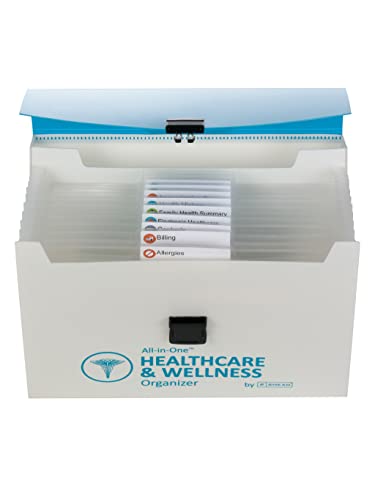
Smead All-in-One Healthcare & Wellness Organizer, 13 Pockets, Letter Size, Flap with Elastic Closure, White/Teal (92070)
View on AmazonFAQ: common questions about Colorado health insurance
What is the Colorado Option?
- It’s a standardized plan design available from multiple insurers. Benefits and copays are set by the state to make comparing plans easier. The state has aimed to reduce premiums over time; results vary by county and insurer.
Do adult dental and vision come with health plans?
- Pediatric dental and vision are included as essential health benefits. Adult dental and vision usually require a separate plan or a rider. If you’re considering adult dental, compare waiting periods, annual maximums (the most the plan will pay in a year), and networks.
Can I keep my doctor?
- Maybe. Always check the insurer’s provider directory before you enroll. Call your doctor’s office to confirm they accept the exact plan name. Networks can change mid‑year.
What if my income changes during the year?
- Update your marketplace application as soon as possible. Your subsidy will adjust going forward, which can prevent a big tax bill or refund at filing time.
Are pre‑existing conditions covered?
- Yes. ACA plans must cover you regardless of health history, with no waiting periods for pre‑existing conditions.
Is COBRA better than a marketplace plan?
- COBRA lets you keep your old employer plan, but you pay the full cost plus an admin fee. In Colorado, many people can find a lower after‑subsidy premium on the marketplace—especially if your income has dropped. Compare both.
I’m moving to Colorado. Can I enroll right away?
- Yes. Moving to a new state is a qualifying life event. You typically have 60 days from your move to choose a plan. If you had no prior coverage, additional rules may apply, so start your application as soon as you have a Colorado address.
Where can I get free help picking a plan?
- Licensed brokers and certified assisters can help you compare options and enroll at no added cost to you. The marketplace can connect you.
Your next step
- Build your short list: pick 2–3 plans that include your doctors and cover your prescriptions affordably. Run the math on total annual cost (premiums + likely copays + worst‑case OOP max).
- Get personalized quotes: The fastest way to see what you would actually pay is to compare quotes from 3–5 carriers on the marketplace. It takes minutes and shows your real after‑subsidy premiums.
- Want a second set of eyes? Talk to a licensed Colorado health insurance agent for personalized, obligation‑free guidance. They can help you avoid common pitfalls—like picking the wrong network or missing out on cost‑sharing reductions.
If you also need a refresher on plan types and key terms, bookmark our Health Insurance Basics guide. [/health-insurance/health-insurance-basics]
Recommended Resources
Healthcare Made Easy: Answers to All of Your Healthcare Questions under the Affordable Care Act: Katz, Michelle
Written by ABC World News' Real Money expert and healthcare advocate Michelle Katz, Healthcare Made Easy is the ultimate resource for understanding and navigating the Affordable Care Act. Using s
Clever Fox Large Medical Planner 12-Month – ...
Clever Fox Compact A5 Medical Planner 12-Month – <strong>Medical Notebook, Health Diary, Wellness Journal to Track Health –12 Months</strong> (Rose Gold) · BookFactory Personal My Medical Journal Hist
Smead All-in-One Healthcare & Wellness Organizer, 13 Pockets, Letter Size, Flap with Elastic Closure, White/Teal (92070)
Healthcare documents are stored ... or the hospital. Flap and cord closure adds protection and security. <strong>File includes 12 expanding pockets</strong>....
Related Articles
- Health Insurance in Utah: Plans, Costs & How to Enroll
- Health Insurance in Oregon: Plans, Costs & How to Enroll
- Health Insurance in Idaho: Plans, Costs & How to Enroll
- Health Insurance in California: Plans, Costs & How to Enroll
- Health Insurance in Massachusetts: Plans, Costs & How to Enroll
- Health Insurance in Pennsylvania: Plans, Costs & How to Enroll
- Health Insurance in Connecticut: Plans, Costs & How to Enroll
- Health Insurance in New Hampshire: Plans, Costs & How to Enroll