
Health Insurance in Oklahoma: Plans, Costs & How to Enroll
You’re comparing quotes and wondering if the prices you see for health insurance in Oklahoma are normal. What are your real options, how much do plans typically cost, and when can you enroll? Here’s the straight talk—what matters, what to watch out for, and how to pick a plan that actually fits your needs and budget.
Your health insurance options in Oklahoma
Oklahomans get coverage from a few main places. The right route depends on your income, health needs, and whether you have access to job-based benefits.
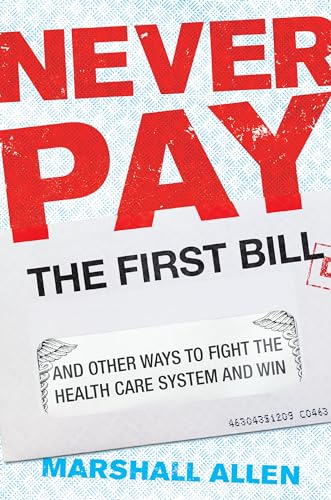
Never Pay the First Bill: And Other Ways to Fight the Health Care System and Win: Allen, Marshall
Drawing on 15 years of investigating the health care industry, reporter Marshall Allen <strong>shows how companies and individuals have managed to force medical providers to play fair, and shows how y
Check Price on Amazon1) Marketplace plans (ACA/Obamacare) on HealthCare.gov
- What it is: Individual and family plans sold on the federal exchange. All plans cover essential health benefits like hospital care, mental health, maternity, and prescriptions. Preexisting conditions are covered—no health questions.
- Why choose it: You may qualify for federal subsidies that lower your monthly premium and out-of-pocket costs.
- Premium tax credits: A discount that lowers your monthly premium based on your household income and family size.
- Cost-sharing reductions (CSRs): Extra help that lowers your deductible (the amount you pay out of pocket before insurance starts paying), copays, and out-of-pocket maximum (the most you’d pay in a year for covered care). CSRs apply only if you choose a Silver plan and qualify by income.
- Networks and carriers: Options vary by county. In metro areas, you’ll typically see more plans and broader networks; rural counties may have narrower HMO or EPO networks. Always check your doctors and medications before you buy.
2) Medicaid (SoonerCare)
- What it is: Free or low-cost coverage for low- and moderate-income residents. Oklahoma expanded Medicaid (called SoonerCare) to adults ages 19–64 with incomes up to a set percentage of the federal poverty level (FPL). FPL amounts update yearly.
- Highlights:
- Adults 19–64 may qualify based on income.
- Children and pregnant people often qualify at higher income levels than adults.
- Many members get care through managed care plans (SoonerSelect) with doctor networks.
- When to use it: If your income is on the lower side or you’re between jobs, apply. It’s available year-round.
3) Employer-sponsored insurance (ESI)
- What it is: Coverage through your or a family member’s job. Employers typically pay part of the premium.
- Keep in mind:
- If the employer plan is considered affordable and meets minimum standards, you usually won’t qualify for premium tax credits on the marketplace—even if your income is modest.
- Ask HR for the plan’s Summary of Benefits and Coverage (SBC). It breaks down deductible, copays (fixed dollar amounts for services), coinsurance (the percentage you pay after the deductible), and out-of-pocket maximum.
4) Private/off-exchange plans
- What it is: ACA-compliant plans sold directly by insurers or brokers but not listed on HealthCare.gov.
- Why or why not: These can be useful if you don’t qualify for subsidies and find a better network off-exchange. But if you might get premium tax credits, you need to enroll through HealthCare.gov to use them.
5) COBRA/State continuation
- What it is: Temporary continuation of your former employer coverage after leaving a job. Typically lasts up to 18 months.
- Tradeoff: You pay the full premium (your share plus the employer’s former share) and a small admin fee, so it can be expensive. It can be smart if you’re in treatment or mid-year on a deductible and need to keep your doctors.
6) Medicare (if you’re 65+ or have certain disabilities)
- What it is: Federal health coverage distinct from marketplace plans. If you’re approaching 65, review Medicare timing to avoid penalties. People with Medicare aren’t eligible for marketplace subsidies.
Average health insurance premiums in Oklahoma (by plan type and age)
Let’s ballpark what individual (non-group) coverage often costs before subsidies. Rates vary by county, insurer, age, and tobacco status—use this as a directional guide, not a quote.
For a non-smoker buying their own plan in Oklahoma:
- Age 27
- Bronze: typically $250–$350/month
- Silver: typically $320–$450/month
- Gold: typically $400–$550/month
- Age 40
- Bronze: typically $300–$430/month
- Silver: typically $380–$540/month
- Gold: typically $480–$660/month
- Age 60
- Bronze: typically $620–$900/month
- Silver: typically $780–$1,100/month
- Gold: typically $980–$1,350/month
A family premium is generally the sum of each covered person’s age-rated premium (with certain rules for children), minus any subsidies. Tobacco use can increase premiums. Actual prices depend on your ZIP code and the plan you pick.
How subsidies change the math:
- Premium tax credits cap what you pay for the benchmark Silver plan as a share of your income if you’re eligible.
- Example scenario: Say you’re a 35-year-old in Oklahoma County earning $36,000. Depending on current federal rules, your premium tax credit could reduce a mid-range Silver plan to a much lower monthly cost. Some enrollees with moderate incomes see net premiums under $100/month for Bronze—and sometimes for Silver—though this depends heavily on your county and the year’s subsidy rules.
- Important: Enhanced subsidies under recent federal laws were scheduled through plan year 2025. Rules can change, so check current eligibility on HealthCare.gov.
Catastrophic plans (under age 30 or with a hardship exemption) usually have lower premiums and very high deductibles. They don’t qualify for subsidies, so many Oklahomans who are eligible for tax credits do better with a Bronze or Silver plan.
Oklahoma Medicaid (SoonerCare): eligibility and enrollment
SoonerCare is Oklahoma’s Medicaid program. Adults 19–64 may qualify based on income (up to an annually updated percentage of the federal poverty level). Children and pregnant people can qualify at higher incomes. Other pathways exist for seniors, people with disabilities, and those needing long-term services.
Key points:
- Income-based (MAGI) eligibility: For most non-elderly adults, eligibility is based primarily on household income, not assets. FPL amounts adjust every year, and household size matters.
- Managed care (SoonerSelect): Many members get care through managed care organizations with provider networks. You can choose a plan and primary care provider when you’re approved.
- When coverage starts: If you’re eligible, coverage can start the first day of the month of your application (or sometimes retroactive to recent months if you had unpaid medical bills—ask about retroactive coverage rules when you apply).
- Pregnant and postpartum: Oklahoma provides extended postpartum Medicaid coverage (currently up to 12 months). Income thresholds for pregnancy-related coverage are higher than for other adults.
- Children’s coverage: Kids can qualify for SoonerCare or CHIP at higher income levels than adults, often with minimal or no premiums.
How to apply:
- Online: Apply year-round through the state’s SoonerCare portal.
- Help applying: Local community health centers, tribal health facilities, and hospitals can often assist you.
- If you’re denied: You’ll receive a notice explaining the reason and how to appeal. If your income is too high, check marketplace options with subsidies.
Health insurance in Oklahoma: open enrollment and special periods
Oklahoma uses the federal marketplace at HealthCare.gov.
Open Enrollment (most years):
- Typically runs from November 1 through January 15.
- Enroll by mid-December for coverage starting January 1; enroll in late December or early January for coverage starting February 1 (exact dates can shift slightly each year).
Special Enrollment Periods (SEPs):
- You can enroll outside Open Enrollment if you have a qualifying life event (QLE), such as:
- Losing coverage (for example, losing employer coverage or aging off a parent’s plan at 26)
- Moving to a new Oklahoma ZIP code or county with plan options you didn’t have before
- Marriage, birth, or adoption
- A significant change in immigration status
- Low-income SEP: In HealthCare.gov states, there is an ongoing SEP for people with incomes up to a certain percentage of FPL who qualify for premium tax credits. If you fall in that range, you may be able to enroll any month of the year. Check current rules when you apply.
- American Indians and Alaska Natives: Members of federally recognized tribes can enroll or change marketplace plans once per month, year-round, and may qualify for special cost-sharing protections.
Missed Open Enrollment? If your income is limited, apply for SoonerCare anytime. Otherwise, see if you qualify for a SEP or consider a short-term plan as a stopgap (more on short-term plans in the FAQ below).
How to compare and choose the best health plan in Oklahoma
Here’s how to shop like a pro.
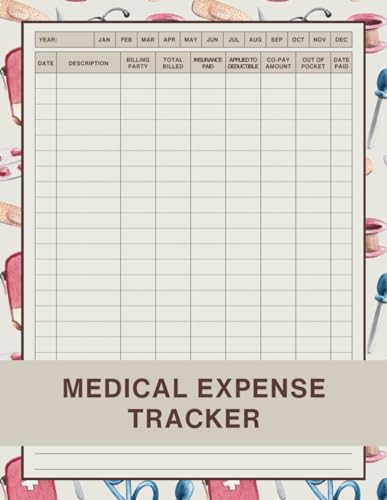
Medical Expense Tracker: A Record Logbook for Keeping Track Your Medical Spending, Bills, and Payment All in One Place | Health Expense Organizer: Media, Tylissa A.: Amazon.com
View on Amazon
Medical Records Organizer Binder
View on Amazon- Confirm your doctors and hospitals
- Network (the list of doctors and facilities that accept the plan) is everything. Check your primary care provider, OB/GYN, kids’ pediatrician, mental health providers, and your preferred hospital system. In rural Oklahoma, networks can be narrower—so verify urgent care and nearest hospital access.
- Total yearly cost, not just the premium
- Premium: Your monthly payment to keep coverage.
- Deductible: What you pay out of pocket before the plan starts paying for most non-preventive care.
- Copays/coinsurance: Copay is a flat fee (like $40 for a visit). Coinsurance is a percentage (like 20% of a bill after the deductible).
- Out-of-pocket maximum (OOP max): The most you’ll pay in the plan year for covered in-network services. Lower OOP max = more protection if something big happens.
- Silver plan sweet spot (if you qualify for CSRs)
- If your income qualifies for cost-sharing reductions, a Silver plan can slash your deductible and OOP max. Don’t leave that help on the table.
- Prescriptions and mental health
- Formulary: Make sure your medications are covered, and check which “tier” they’re in (tiers determine your copay/coinsurance).
- Mental health: Every ACA plan covers mental health and substance use treatment, but networks differ. If you have a therapist or specific program, confirm they’re in-network.
- HSA-compatible options
- Some Bronze and Silver plans are HSA-compatible high-deductible health plans (HDHPs). An HSA (health savings account) lets you put aside pre-tax dollars for qualified medical expenses. It’s great if you’re healthy and can afford to save, but make sure the high deductible won’t be a strain if you need care early in the year.
- Telehealth and rural access
- Many Oklahoma plans include $0 or low-cost virtual visits. If you’re far from specialists, telehealth can be a big plus—confirm details and any limits.
- Customer support and plan administration
- Look for 24/7 nurse lines, quick appointment access, and clear claims processing. Online portals and mobile apps can make your life easier.
- Beware of look-alikes
- Limited-benefit, fixed-indemnity, or sharing ministries aren’t ACA insurance. They can leave big gaps. If a plan skips preventive care or preexisting condition coverage, it’s not ACA-compliant.
CTA: The fastest way to see what you would actually pay is to compare real quotes from 3–5 carriers for your ZIP code and income. A licensed agent can help you line up networks, prescriptions, and subsidies—at no extra cost to you.
Oklahoma-specific subsidies and financial assistance
- Federal premium tax credits and CSRs: Available through HealthCare.gov if your income fits the current rules and you don’t have affordable job-based coverage. The amount depends on your household size, income, and the benchmark plan in your county.
- Insure Oklahoma (Employer-Sponsored Insurance premium assistance): Oklahoma offers a state program that may help eligible lower-income employees and participating small employers with a portion of job-based premium costs. Program details and eligibility can change; check Insure Oklahoma for the latest.
- Tribal and IHS considerations: American Indian and Alaska Native enrollees may qualify for special cost-sharing protections on marketplace plans and can enroll monthly. If you use Indian Health Service or tribal clinics, coordinate benefits so referrals and specialty care are covered in-network when possible.
- Hospital financial assistance: Nonprofit hospitals typically provide financial assistance or charity care based on income. If you have a large bill, ask about financial aid policies—especially while you’re applying for coverage.
Real-world examples
Tulsa freelancer, age 27, no chronic conditions
- Goal: Keep premiums low but have basic protection.
- Likely fit: Bronze HSA or standard Bronze with a reasonable OOP max. If eligible for a decent tax credit, a low-cost Silver may be worthwhile for predictable copays.
Family of four in Lawton, two kids with regular prescriptions
- Goal: Balanced premium and predictable costs.
- Likely fit: Mid-range Silver with strong prescription coverage and pediatric dental/vision benefits. If income qualifies, CSRs can meaningfully lower the deductible.
62-year-old in Enid, bridging to Medicare
- Goal: Robust coverage for potential specialist needs.
- Likely fit: Rich Silver (with or without CSRs) or Gold plan with lower OOP max to limit exposure before Medicare enrollment.
Rates vary by individual circumstances and year. Always compare plan details for your county.
FAQ: common questions about Oklahoma health insurance
What’s the cheapest plan I can get?
- Usually a Bronze plan has the lowest premium, but a low-premium plan with a very high deductible can cost more overall if you need care. If you qualify for CSRs, a Silver plan might deliver better value.
Does Oklahoma have its own marketplace?
- No. Oklahoma uses the federal exchange at HealthCare.gov for ACA plans.
When can I enroll?
- Open Enrollment typically runs Nov 1–Jan 15. Outside that window, you need a qualifying life event (like losing coverage or moving), may qualify for a low-income SEP, or can apply for SoonerCare year-round.
Can I keep my doctors?
- Maybe. Networks vary by plan and county. Always verify your doctors, preferred hospital, and medications are in-network before you buy.
Are short-term health plans allowed in Oklahoma?
- Short-term plans are available but are not ACA-compliant. They can exclude preexisting conditions, cap benefits, and skip essential services like maternity or mental health. Federal rules currently limit how long these plans can last. Use them only as a temporary bridge and read exclusions closely.
What if I’m unemployed?
- Check SoonerCare first—eligibility is income-based. If you don’t qualify, see if you’re eligible for marketplace subsidies. Losing employer coverage usually triggers a Special Enrollment Period.
Do I need referrals to see specialists?
- It depends on the plan type. HMOs often require referrals from your primary care provider; PPOs usually don’t but may have higher premiums. EPOs fall in between—no referrals but no out-of-network coverage except emergencies.
How do deductibles and out-of-pocket maximums work?
- Deductible: What you pay before the plan pays for many services. Out-of-pocket maximum: The ceiling on your in-network spending for covered services in a plan year; after you hit it, the plan pays 100% for covered in-network care.
Are maternity and mental health covered?
- Yes. ACA plans cover essential health benefits, including prenatal/maternity and mental health/substance use services. Costs and networks still vary by plan.
I’m moving within Oklahoma—do I get a SEP?
- If your move gives you access to different plan options (for example, moving counties), you typically qualify for a Special Enrollment Period. Update your application promptly and upload any requested documents.
What to do next
- Check your eligibility for SoonerCare if your income is limited—it’s year-round and can start quickly.
- If you don’t qualify, compare marketplace plans for your ZIP code on HealthCare.gov. Look closely at networks, prescriptions, and total yearly cost.
- Get personalized help. A licensed Oklahoma agent or navigator can walk you through subsidies and plan differences at no extra cost to you.
CTA: The fastest way to pin down your real price is to compare quotes from 3–5 carriers and see your subsidy in writing. It takes minutes and can save you hundreds over the year if you pick the right network and cost-sharing.
If you’re also reviewing other protections for your home or car in the state, you may find these local guides helpful:
- Home Insurance in Oklahoma: Coverage, Costs & Best Companies
- Auto Insurance in Oklahoma: Rates, Requirements & How to Save
Note: This guide offers general information. For advice on your situation, speak with a licensed agent or navigator. Plan details, carrier participation, and subsidy rules change from year to year.
Recommended Resources
Never Pay the First Bill: And Other Ways to Fight the Health Care System and Win: Allen, Marshall
Drawing on 15 years of investigating the health care industry, reporter Marshall Allen <strong>shows how companies and individuals have managed to force medical providers to play fair, and shows how y
Medical Records Organizer Binder
Amazon.com: medical records organizer binder
Medical Expense Tracker: A Record Logbook for Keeping Track Your Medical Spending, Bills, and Payment All in One Place | Health Expense Organizer: Media, Tylissa A.: Amazon.com
<strong>Medical Spending Record</strong>: A Logbook for Keeping Track Your Medical Expenses, Bills, and Payment All in One Place | Health Expense Organizer
Related Articles
- Health Insurance in Arizona: Plans, Costs & How to Enroll
- Auto Insurance in Oklahoma: Rates, Requirements & How to Save
- Health Insurance in Ohio: Plans, Costs & How to Enroll
- Home Insurance in Oklahoma: Coverage, Costs & Best Companies
- Health Insurance in Wyoming: Plans, Costs & How to Enroll
- Health Insurance in Oregon: Plans, Costs & How to Enroll
- Health Insurance in Kansas: Plans, Costs & How to Enroll
- Health Insurance in Arkansas: Plans, Costs & How to Enroll