
SR-22 Insurance: How to Get It, Costs, and Fast Quotes
You just got a notice from the state: you need SR-22 insurance. Now what? If you’re staring at deadlines and worried about costs, here’s what actually matters, how to get filed fast, and ways to keep your premiums in check. We’ll break down SR-22 insurance in plain English and help you compare quotes with confidence.
Note: We’ll use “SR-22 insurance” in this guide because that’s what most people search for, but the SR-22 is a state filing (a certificate of financial responsibility), not a separate insurance policy.
What is SR-22 insurance?
An SR-22 is a certificate of financial responsibility — a form your insurer files with your state to prove you carry at least the minimum required auto liability coverage. Liability coverage is the part of your auto policy that pays for injuries and damage you cause to others in an at-fault accident.
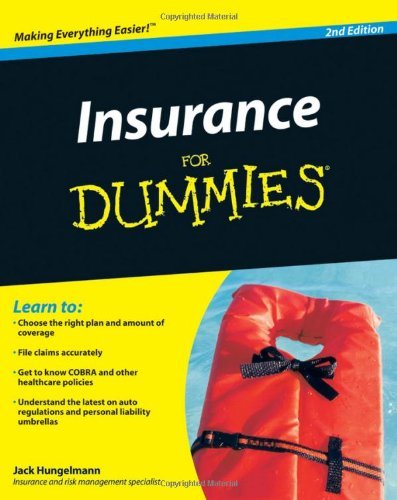
Insurance For Dummies?: Hungelmann, Jack
Whether you’re a homeowner or ... need on: ... Author Jack Hungelmann <strong>uses his twenty-five years of experience in the insurance industry to make buying insurance as simple as possible</strong>
Check Price on AmazonHow it differs from standard insurance:
- Standard car insurance: You buy a policy and carry an ID card. No extra filings.
- SR-22 filing: Your insurer electronically notifies the state that you have active coverage and keeps notifying them. If your policy cancels or lapses (you miss a payment and coverage stops), the insurer must file an SR-26 or equivalent cancellation notice, and your license can be suspended again.
You can get an SR-22 on a regular auto policy or a non-owner policy. A non-owner SR-22 is for drivers who don’t own a car but need proof of coverage to reinstate their license; it typically provides liability coverage when you occasionally borrow a vehicle you don’t own.
Pro tip: Not every insurance company files SR-22s. If your current insurer won’t, you’ll need to switch to a carrier that offers SR-22 filings in your state.
Do you need an SR-22? Common triggers and how states require proof
States order SR-22 filings after certain violations to make sure “high-risk” drivers keep continuous insurance. Common triggers include:
- DUI/DWI or OWI (driving under the influence)
- Reckless driving or major at-fault accidents
- Driving without insurance (or causing an accident while uninsured)
- Excessive points or repeated traffic violations
- License suspension or revocation for failure to maintain coverage or pay judgments
How states enforce it:
- Court order or DMV notice: You’ll typically get a letter stating you must file an SR-22 to reinstate or keep your driving privileges.
- Continuous coverage required: You must maintain uninterrupted coverage for a set period (often 3 years). Any lapse restarts the clock or triggers a new suspension.
- Minimum liability limits: You must at least carry the state’s minimums. After a DUI in Florida and Virginia, some drivers are required to file an FR-44 (similar to SR-22 but with higher liability limits).
How to get SR-22 insurance — step-by-step
- Read your notice carefully
- Look for the required filing type (SR-22, FR-44, or SR-22A in some states), start date, and how long you must keep it.
- Decide on the right policy type
- Own a car? You’ll need a standard auto policy with the SR-22 filing.
- Don’t own a car? Consider a non-owner policy with SR-22. It’s typically cheaper because it doesn’t insure a specific vehicle, just your liability when you occasionally drive one you don’t own.
- Contact your current insurer
- Ask if they file SR-22s in your state and whether they can add the filing to your existing policy. If they don’t, ask for your current declarations page (a summary of coverage) so you can shop quickly.
- Compare SR-22-friendly insurers
- Get quotes from at least 3–5 companies that explicitly handle SR-22 filings. Ask about filing fees, timing, and whether they can file electronically the same day.
- If you need a refresher on coverages while you shop, see Understanding Auto Insurance Coverage Types (what liability, collision, and comprehensive actually do) for context: /auto-insurance/understanding-auto-insurance-coverage-types
- Choose your coverages and limits
- At minimum, meet your state’s liability requirements. After a serious violation, it’s often smart to go higher than the minimum to protect your assets, but balance that with affordability while you satisfy the SR-22 requirement.
- Pay the SR-22 filing fee and first premium
- Filing fees are typically $15–$50. Your first premium (the price you pay for the policy) starts coverage. Ask for immediate electronic filing to the state.
- Confirm effective dates and reinstatement steps
- Your insurer should send proof to the state, and you’ll get an updated ID card. Some states also require you to pay a license reinstatement fee to the DMV.
- Set up autopay and reminders
- A lapse will cause the insurer to file a cancellation with the state, jeopardizing your license. Set up autopay, calendar reminders, and keep your address updated with both insurer and DMV.
- Keep proof handy
- Carry your ID card and any state confirmation. If pulled over, you’ll need to show valid insurance while the SR-22 requirement is in effect.
Call-to-action: The fastest way to see what you’d actually pay is to compare quotes side-by-side. You can start here: Car Insurance: Compare Quotes & Save on Coverage Today: /articles/car-insurance-compare-quotes-save
Costs and what affects SR-22 premiums
Two costs are in play with SR-22 insurance:
- The filing fee: Usually $15–$50 (a one-time or per-term administrative fee).
- The insurance premium: This is where the increase happens, because of the underlying violation and your risk profile.
What affects your premium:
- Violation severity and recency: A DUI typically raises rates much more than a no-insurance ticket. Surcharges (extra charges tied to violations) usually fade after 3–5 years, depending on state and insurer.
- Your driving history: Multiple tickets or accidents compound costs.
- Vehicle type: Powerful or expensive cars cost more to insure. Choosing a modest vehicle can help.
- Coverage selection: Liability-only is cheaper than adding collision (coverage for damage to your car from a crash) and comprehensive (non-crash damage like theft, hail, or vandalism).
- Where you live: Rates vary by state, city, and even ZIP code due to claim frequency, repair costs, and legal environment.
- Credit (where allowed): In many states, insurers use credit-based insurance scores. Poor credit can raise rates; a few states prohibit this.
- Age and household factors: Younger drivers generally pay more; discounts can apply if you bundle policies.
Typical numbers (your rate will vary):
- Example: You’re a 28-year-old in Illinois with a first-time DUI, driving a 2016 Honda Civic. Before the DUI, you paid around $1,200 per year for liability and comprehensive/collision. After the DUI, you might see quotes from $2,400–$4,000 per year, plus a $25 filing fee. Some insurers will be far higher; this is why shopping matters.
- Example: You’re 40, no car, but need to reinstate your license after a no-insurance suspension in Texas. A non-owner SR-22 policy might run $400–$900 per year depending on your record and limits, plus a $25 filing fee.
Insurer pricing changes frequently. The best way to benchmark your own situation is to gather multiple quotes the same day with the same limits and deductibles (the amount you pay out of pocket on a claim before insurance pays).
State-by-state differences and key regulations
While SR-22 rules share a common purpose, details vary by state:
- Filing period: Commonly 3 years, but it can range from 1 to 5 years based on the state and violation.
- Filing types: SR-22 is standard in many states. FR-44 (Virginia and Florida) requires higher liability limits after certain alcohol-related offenses. SR-22A (used in Georgia, Texas, and Missouri) may require pre-paid policies in some situations.
- Minimum limits: Your state sets minimum liability limits (e.g., 25/50/25 means $25,000 bodily injury per person, $50,000 per accident, $25,000 property damage). FR-44s require much higher limits.
Useful state resources (official pages):
- California DMV SR-22: https://www.dmv.ca.gov/portal/handbook/california-driver-handbook/actions-against-the-driver-license/#sr-22-insurance
- Texas DPS SR-22: https://www.dps.texas.gov/section/driver-license/sr-22-proof-financial-responsibility
- Florida HSMV FR-44/SR-22: https://www.flhsmv.gov/insurance/
- Illinois Secretary of State SR-22: https://www.ilsos.gov/departments/vehicles/drivers/safety_sr_22.html
- Virginia DMV SR-22/FR-44: https://www.dmv.virginia.gov/licenses-ids/license/suspensions/insurance
If you want a deeper look at local auto insurance rules and savings opportunities while you’re comparison shopping, these guides can help:
- Auto Insurance in Virginia: Rates, Requirements & How to Save: /auto-insurance/auto-insurance-in-virginia-rates-requirements-save
- Auto Insurance in Arkansas: Rates, Requirements & How to Save: /auto-insurance/auto-insurance-in-arkansas-rates-requirements-save
How long will you need an SR-22 and how to remove it
How long you’ll need it typically depends on the offense and state law. Three years is common for many violations, but DUIs or repeat offenses can extend the requirement.
Keeping it continuous matters. Continuous coverage means no lapse — not even a day. If your policy cancels, your insurer must notify the state and your clock can reset or your license can be suspended again.
How to remove the SR-22 when eligible:
- Mark your calendar 30–60 days before your end date. Call the DMV or check your online account to confirm your requirement end date.
- Ask your insurer to remove the SR-22 filing on or after that date. There’s usually no fee to remove it.
- Keep your insurance. You can continue your policy without the SR-22. If you shop around at that point, you may find lower rates since the filing and (eventually) the violation surcharges fall off.
Important: Don’t cancel early. If you cancel your policy before the state releases the requirement, the insurer will file a cancellation (SR-26 or equivalent) and your license can be suspended again.
Alternatives, reduced rates, and tips to lower costs
- FR-44 vs. SR-22: In Virginia and Florida, an FR-44 (for certain alcohol-related offenses) requires much higher liability limits than an SR-22, which raises premiums more. If you live in Virginia, see our state guide for context while you shop: /auto-insurance/auto-insurance-in-virginia-rates-requirements-save
- SR-22A: In Georgia, Missouri, and Texas, SR-22A may apply in limited scenarios and may require a pre-paid policy term. Your DMV notice will specify if this applies to you.
- Non-owner SR-22: If you don’t own a vehicle, a non-owner SR-22 is often the most affordable way to satisfy state requirements and keep your license valid.
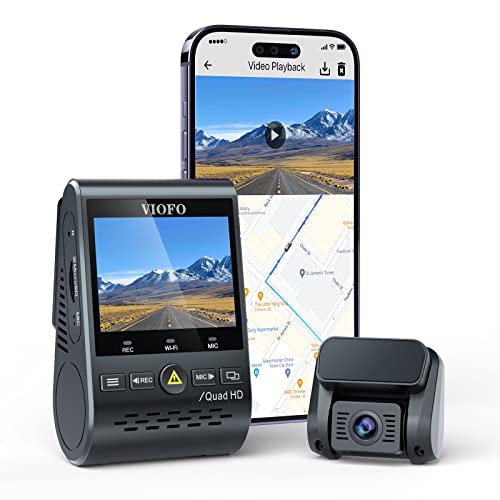
VIOFO Dual Dash Cam, 2K 1440P 60fps+1080P 30fps Front and Rear Dash Camera with Wi-Fi GPS, Parking Mode, Emergency Recording, Super Capacitor, Motion Detection (A129 Plus Duo) : Electronics
View on Amazon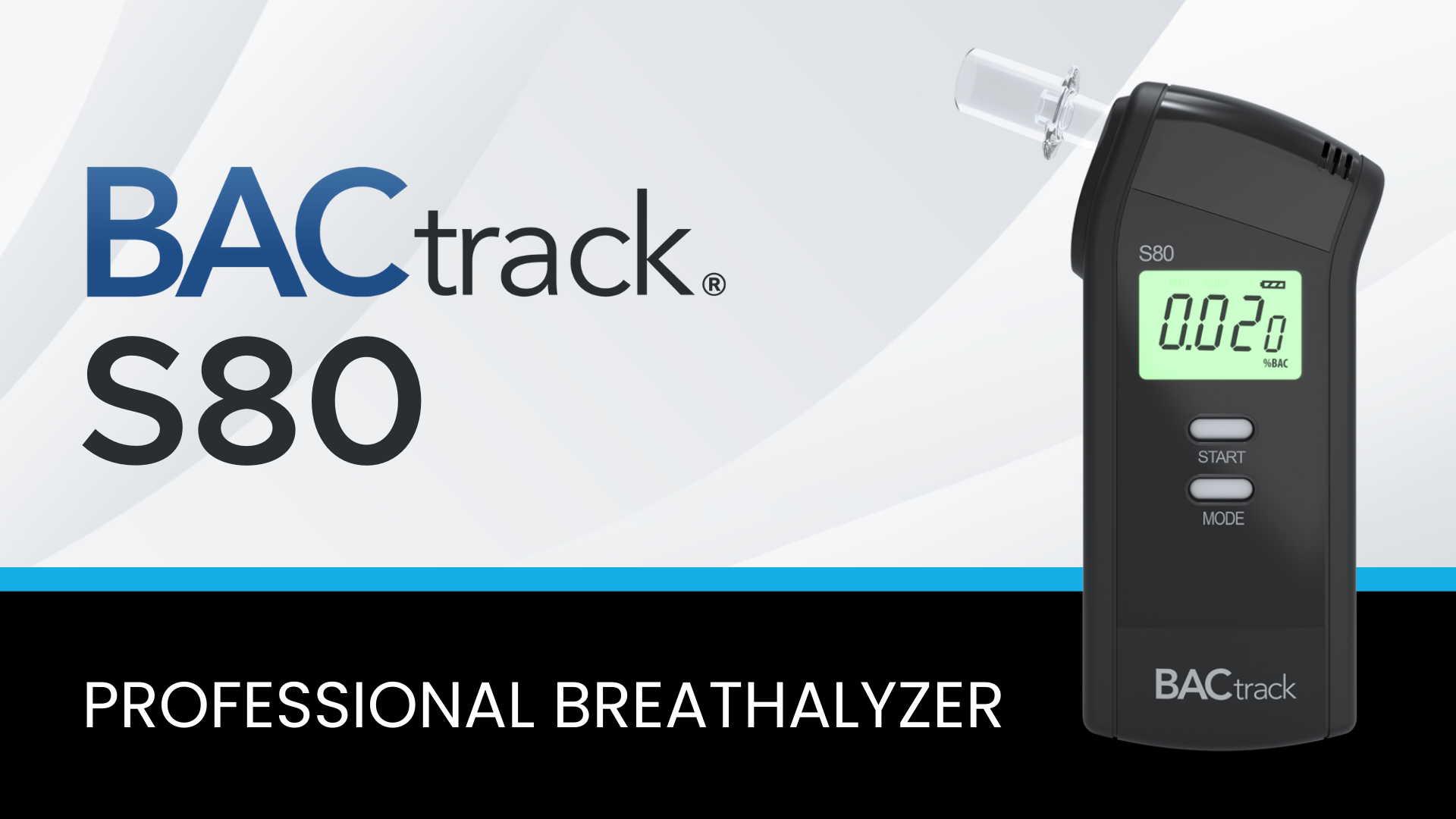
BACtrack S80 Breathalyzer | Professional-Grade Accuracy | DOT & NHTSA Approved | FDA 510(k) Cleared | Portable Breath Alcohol Tester for Personal & Professional Use | FSA/HSA Eligible
View on AmazonPractical ways to cut your premium without risking a lapse:
- Compare 3–5 quotes: Different carriers price violations very differently. This is the single biggest lever you control.
- Right-size your car: If you can, drive a vehicle that’s inexpensive to insure while you’re under the SR-22 requirement.
- Adjust coverages smartly: If your car is older and paid off, consider liability-only to reduce costs. If you keep comp/collision, raising deductibles (your share of a covered claim) usually lowers premiums.
- Bundle where possible: Some insurers offer discounts if you also carry renters or homeowners insurance with them.
- Defensive driving: If your state and insurer accept it post-violation, a certified course can reduce points or earn a discount. Always confirm eligibility first.
- Telematics/driver monitoring: Usage-based programs track driving and can earn discounts for safe habits. Read terms first; some programs can raise rates if driving scores are poor.
- Payment strategies: Pay-in-full and autopay discounts can stack. At minimum, set autopay to avoid a lapse.
- Keep a clean record: Tickets during the SR-22 period can push rates even higher and extend requirements.
How to compare SR-22 quotes (what to look for)
- Same limits and deductibles: Keep coverages identical across quotes so you’re comparing apples to apples.
- Confirm filing speed: Ask, “Can you file my SR-22 electronically today?” and “When will the DMV see it?”
- Non-owner vs. owner: If you don’t own a car, ask for a non-owner SR-22 quote too.
- Total cost: Include the filing fee and any policy fees.
- Endorsements and extras: If you need roadside assistance or rental reimbursement, price those consistently.
- Customer service for reinstatements: Pick an insurer used to SR-22 filings — fewer headaches if anything needs re-filing.
When you’re ready, you can compare options here: Car Insurance: Compare Quotes & Save on Coverage Today: /articles/car-insurance-compare-quotes-save
Frequently asked questions
Is SR-22 insurance a separate policy? No. It’s a filing your insurer makes with the state to prove you carry the required liability coverage.
How fast can I get an SR-22? Often the same day. Many insurers file electronically within 24 hours of binding your policy (making coverage active). Your DMV reinstatement may also require you to pay a separate fee.
How much does SR-22 insurance cost? The filing fee is typically $15–$50. The premium impact varies widely — a DUI can double or more what you used to pay. Getting multiple quotes is the best way to know your number.
Can I get SR-22 insurance without owning a car? Yes. Ask for a non-owner SR-22 policy. It’s designed for drivers who need to satisfy state requirements but don’t have a vehicle titled to them.
What happens if my SR-22 policy lapses? Your insurer must notify the state, and your license can be suspended again. The required filing period can also restart in some states.
Do all states use SR-22s? No. Some states use different processes or forms (e.g., FR-44 in VA and FL). Always follow the instructions on your court/DMV notice.
Will my rates drop when the SR-22 period ends? Typically, the filing fee goes away immediately. Violation surcharges usually decrease over time (often 3–5 years), and shopping after your requirement ends can help.
Quick checklist and next steps
- Read your DMV or court notice (confirm filing type and duration)
- Decide if you need owner or non-owner coverage
- Get 3–5 quotes from SR-22-capable insurers, same limits/deductibles
- Ask for same-day electronic filing and confirm DMV reinstatement steps
- Set up autopay to avoid lapses
- Mark your removal date and call to drop the filing when eligible
Need a hand comparing? Start here and see real numbers in minutes: Car Insurance: Compare Quotes & Save on Coverage Today: /articles/car-insurance-compare-quotes-save
A quick note: This guide is general education. For personalized advice about your specific violation, state rules, and policy options, speak with a licensed insurance agent in your state. They can help you balance the coverage you need with what you can realistically afford while you complete your SR-22 requirement.
Recommended Resources
Insurance For Dummies?: Hungelmann, Jack
Whether you’re a homeowner or ... need on: ... Author Jack Hungelmann <strong>uses his twenty-five years of experience in the insurance industry to make buying insurance as simple as possible</strong>
BACtrack S80 Breathalyzer | Professional-Grade Accuracy | DOT & NHTSA Approved | FDA 510(k) Cleared | Portable Breath Alcohol Tester for Personal & Professional Use | FSA/HSA Eligible
Buy BACtrack S80 Breathalyzer | Professional-Grade Accuracy | DOT & NHTSA Approved | FDA 510(k) Cleared | Portable Breath Alcohol Tester for Personal & Professional Use | FSA/HSA Eligible on A
VIOFO Dual Dash Cam, 2K 1440P 60fps+1080P 30fps Front and Rear Dash Camera with Wi-Fi GPS, Parking Mode, Emergency Recording, Super Capacitor, Motion Detection (A129 Plus Duo) : Electronics
Buy VIOFO Dual Dash Cam, 2K 1440P 60fps+1080P 30fps Front and Rear Dash Camera with <strong>Wi-Fi GPS, Parking Mode</strong>, Emergency Recording, Super Capacitor, Motion Detection (A129 Plus Duo): On
Related Articles
- Cheap Car Insurance: How to Save on Coverage & Get Fast Quotes
- Auto Insurance for New Drivers: Coverage, Costs, and Smart Ways to Save
- Auto Insurance in Arkansas: Rates, Requirements & How to Save
- Car Insurance for 18-Year-Olds: Costs, Discounts & How to Get Quotes
- Auto Insurance in Rhode Island: Rates, Requirements & How to Save
- Auto Insurance in Illinois: Rates, Requirements & How to Save
- Auto Insurance in Virginia: Rates, Requirements & How to Save
- Cheapest Car Insurance for Young Drivers: How to Cut Your Rates