
Auto Insurance in Virginia: Rates, Requirements & How to Save
You’re shopping for auto insurance in Virginia and want straight answers: What coverage do you actually need, what do typical rates look like, and how do you pay less without cutting corners? Here’s the no-nonsense guide—what matters, what can wait, and how to get a fair price for solid protection.
Virginia auto insurance requirements and minimum coverage
Virginia is now an insurance-required state. The old option to pay a fee and drive uninsured ended in 2024. If you’re registering and driving a vehicle in the Commonwealth, you must carry liability insurance.
Here’s what Virginia law requires as of 2026:
- Bodily injury liability (pays others if you’re at fault): $50,000 per person / $100,000 per accident
- Property damage liability (pays others’ car/home/property damage you cause): $25,000 per accident
- Uninsured/Underinsured Motorist (UM/UIM) coverage: generally required at least at the same minimum limits as liability, unless you formally select lower limits in writing. UM/UIM helps when the at-fault driver has no insurance or not enough.
What those terms mean in plain English:
- Liability coverage: Money your insurer pays other people for their injuries and property damage if you cause a crash. It does not fix your car.
- UM/UIM: Steps in for you when the other driver doesn’t have insurance or doesn’t have enough to cover your injuries. In Virginia, this is powerful protection.
- “Full coverage”: Not a legal term. Typically refers to liability plus comprehensive and collision. Collision pays to repair your car after a crash. Comprehensive pays for non-crash damage (theft, hail, deer strikes, flood). Both have a deductible—the amount you pay out of pocket before insurance pays.
Important Virginia nuances:
- UM/UIM “add-on” rule: For policies issued or renewed July 1, 2023 or later, Virginia’s UIM is typically “add-on,” meaning your UIM limits stack on top of the at-fault driver’s liability limits instead of being reduced by them. This usually gives you more usable protection.
- Financed/leased cars: Your lender will require collision and comprehensive, often with specific deductible limits.
- Serious violations: After a DUI or certain major offenses, the DMV may require an FR-44 (a certificate proving higher liability limits are maintained) for a set period. Expect much higher premiums with any filing requirement.
Bottom line: The state minimum (50/100/25) is a legal floor, not a safety net. Medical bills and car prices make minimums run out fast. Many Virginia drivers choose higher limits like 100/300/50 or 250/500/100 for better protection.
Average car insurance rates in Virginia by age, vehicle, and driving record
Rates vary by driver profile, location, vehicle, and insurer—there’s no universal price tag. That said, here are illustrative ranges to help you benchmark. These are not quotes, just common ballparks we see in Virginia in 2026; your actual rate can be higher or lower.
Clean driving record, average credit, typical commuting mileage:
- 30–40-year-old, liability-only at state minimums: about $55–$110 per month
- 30–40-year-old, “full coverage” (100/300/50, $500 deductibles): about $120–$220 per month
- 50-year-old with long clean history, full coverage: about $110–$190 per month
- 18–20-year-old driver, liability-only: about $170–$300 per month
- 18–20-year-old driver, full coverage: about $300–$550 per month
Examples by vehicle (35-year-old, clean record, Richmond ZIP, full coverage, illustrative):
- 2019 Toyota Camry: ~$130–$170 per month
- 2020 Ford F‑150: ~$135–$185 per month
- 2021 Honda CR‑V: ~$120–$165 per month
- 2018 Ford Mustang: ~$175–$240 per month
Driving record impact (35-year-old, full coverage, illustrative):
- One at-fault accident (recent): often +25% to +50% for 3 years
- Speeding 15+ mph: often +10% to +25% for 3 years
- DUI with FR‑44: premiums can double or more, and higher minimum limits are required for a period
Location matters in Virginia. Northern Virginia (Arlington, Alexandria, Fairfax) typically runs higher due to traffic density and claim costs. Smaller cities and rural counties tend to be lower. Coastal areas can see comprehensive rates tick up due to storm/flood exposure, and deer strike claims affect many rural ZIPs in the fall.
The fastest way to see your real price is to compare quotes from 3–5 carriers for the same coverage, deductible, and mileage assumptions.
Factors that affect Virginia auto insurance premiums
Insurers in Virginia weigh many variables. The ones that typically move the needle most:
- Driving record: Accidents, speeding, DUIs, and claim frequency raise rates. Safe years behind the wheel usually help.
- Coverage limits and deductibles: Higher limits cost more. Higher deductibles (say $1,000 vs. $500) can lower comprehensive/collision premiums—but make sure you can afford the deductible after a loss.
- Vehicle type and repair costs: Newer luxury cars, performance models, and vehicles with expensive sensors typically cost more to insure.
- Where you garage the car: More congestion, theft, and repair costs in urban areas lead to higher rates.
- Annual mileage and commute: More miles typically means higher risk.
- Prior insurance and lapses: A lapse in coverage can spike your rate at renewal or with a new insurer.
- Credit-based insurance score: Virginia allows insurers to consider credit-based insurance scores, which can influence pricing. Practices vary by company.
- Age and household: Teen drivers are expensive. Adding them to a family policy is typically cheaper than getting their own.
- Telematics: Usage-based programs that track driving habits can lower prices for gentle braking, smooth acceleration, and daytime driving.
How to compare and get the cheapest auto insurance in Virginia
Cheap is meaningless if the coverage doesn’t show up when you need it. Here’s how to shop smart.
Insurance for Dummies: Hungelmann, Jack
<strong>Manage life, health, and disability risks</strong> ― explore individual and group policies, understand Medicare basics, and evaluate long-term disability and long-term-care insurance ...
Check Price on AmazonWhat to look for when comparing quotes:
- Match coverage apples-to-apples. Keep liability limits and deductibles identical across quotes. If one quote is much cheaper, make sure it didn’t quietly lower your limits.
- Prioritize liability first. Consider at least 100/300/50 if you have income, savings, or a home to protect. Lawsuits can exceed state minimums quickly.
- Choose deductibles you can really pay. A $1,000 deductible you can’t afford isn’t savings—it’s stress.
- UM/UIM matters in Virginia. With add-on UIM, higher limits can be a lifesaver if a minimally insured driver injures you.
- Medical payments (MedPay). This optional coverage can help with immediate medical costs regardless of fault and is usually inexpensive.
- Look for agreed repairs and OEM parts options. Some carriers have better repair networks and parts policies—ask how claims are handled in your ZIP.
Step-by-step comparison plan:
- Pull your current declarations page (the one showing your coverages and deductibles). This is your template.
- Decide your target package (for many: 100/300/50 liability, UM/UIM to match, collision/comprehensive with $500–$1,000 deductibles, rental reimbursement, and roadside).
- Get quotes from 3–5 insurers and, if possible, a reputable independent agent who can shop multiple carriers at once.
- Ask about telematics trial discounts and all stacking discounts you’re eligible for (bundle, pay-in-full, good driver, homeowner, good student).
- Compare total annual premium, deductibles, and value-added features (accident forgiveness, disappearing deductibles, new car replacement).
- Before you bind coverage, confirm your lienholder requirements if you finance/lease and set up automatic payments to avoid lapses.
Smart ways to trim the bill without risking your finances:
- Raise deductibles modestly. Moving from a $500 to $1,000 deductible can lower comp/collision premiums, but keep an emergency fund to cover it.
- Drop collision on older cars with low value. If your car is worth $2,500 and has a $1,000 deductible, collision may not pencil out.
- Bundle home/condo/renters with auto. Typical savings range by company.
- Enroll in telematics. Careful drivers in Virginia often see real discounts.
- Keep continuous coverage. Even a short lapse can spike rates for six months to a year.
Quick CTA: The fastest way to see what you would actually pay is to compare quotes from 3–5 carriers using the same coverage and deductibles. It takes about 10–15 minutes and can reveal $300–$800 per year differences for the exact same protection.
If you split time across state lines, coverage rules and prices vary. For example, commuters moving between Northern Virginia and the DC suburbs of Maryland may want to review our Maryland guide, and those relocating toward the border might check our North Carolina or Tennessee pages:
- Auto Insurance in Maryland: Rates, Requirements & How to Save
- Auto Insurance in North Carolina: Rates, Requirements & How to Save
- Auto Insurance in Tennessee: Rates, Requirements & How to Save
Virginia-specific discounts and savings opportunities
Beyond the standard multi-car and bundle discounts, here are opportunities we commonly see for Virginians:
- Telematics/usage-based programs: Good for drivers with gentle braking, consistent speed, and daytime driving patterns. Some carriers apply a participation discount right away, with further savings at renewal based on your driving.
- Driver improvement courses: Virginia’s DMV-approved Driver Improvement Clinic can reduce demerit points on your record and may qualify you for an insurance discount—ask your insurer if they recognize completion certificates.
- Mature driver discounts: Drivers 55+ who complete an approved safety course may qualify with certain insurers.
- Good student and distant-student: For households with teens or college students living 100+ miles away without a car, this can be meaningful.
- Vehicle safety: Cars with advanced driver assistance (AEB, lane keep assist, blind-spot monitoring) may earn discounts. Share your full VIN when quoting so all features are captured.
- Pay-in-full, paperless, and autopay: These can shave off small but easy savings.
Pro tip: Re-quote when life changes. Moving from Fairfax to Harrisonburg, changing jobs (shorter commute), or paying off a loan can all change your rate.
Filing a claim in Virginia: what to expect
Virginia is an at-fault (tort) state. The person who causes the crash is financially responsible for damages.
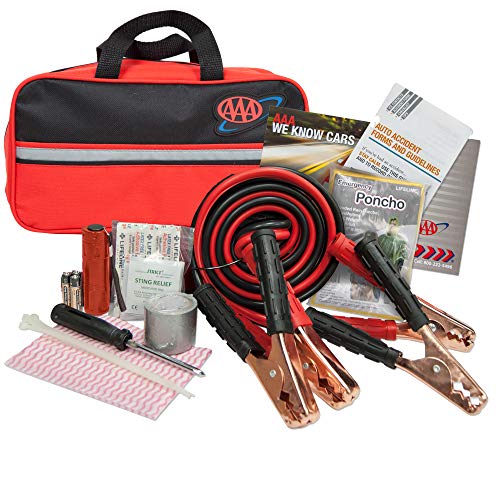
Lifeline AAA Premium Road Kit, 42 Piece Emergency Car Kit with Jumper Cables, Flashlight and First Aid Kit,4330AAA,Black : Everything Else
View on Amazon
Vantrue N4 Pro S 4K 3 Channel Dash Cam w/Triple STARVIS 2, 4K+1080P+2.5K Front Inside Rear Dash Camera, 4+2.5K Dual Channel, HDR IR Night Vision, Voice Control, Parking Mode, GPS, Wi-Fi, Support 1TB : Electronics
View on AmazonAfter a crash:
- Safety first. Check for injuries and call 911 if needed. Exchange info and take photos.
- Notify your insurer promptly, even if you believe the other driver is at fault. Most policies require timely notice.
- Choose how to proceed:
- Third-party claim with the at-fault driver’s insurer (they pay you directly), or
- First-party claim with your insurer under collision (your deductible applies; your insurer may later recover from the at-fault insurer and reimburse your deductible).
- Repairs and rental: If you carry rental reimbursement, it helps with a temporary vehicle while yours is in the shop. If the other driver is clearly at fault, their insurer may also provide a rental.
- Total loss: If the car is totaled, you’ll be paid the actual cash value (ACV), which is the vehicle’s market value minus depreciation. Gap insurance (optional) can cover the difference if your loan exceeds ACV.
A few Virginia-specific notes:
- Diminished value: If another driver hits you, you may be able to pursue a diminished value claim for the loss in your car’s market value after repairs. Documentation is key—ask your adjuster what’s needed.
- Timelines: Bodily injury claims generally have a two-year statute of limitations in Virginia. Property damage claims typically have a longer window. If injuries are significant, consider speaking with a qualified attorney.
Keep your paperwork: Save police reports, photos, medical bills, and receipts. The more organized you are, the smoother the claim.
FAQ: common questions about Virginia car insurance
Is Virginia a no-fault state? No. Virginia is an at-fault state. The driver who causes the crash (or their insurer) pays for damages.
What are the minimum auto insurance limits in Virginia? As of 2026, at least 50/100/25 liability and UM/UIM are generally required. That’s $50,000 per person/$100,000 per accident for injuries and $25,000 for property damage. Many drivers choose higher limits for better protection.
Do I still have the option to pay a fee and drive uninsured? No. The uninsured motor vehicle fee option ended. You must carry insurance to legally drive.
Do I need UM/UIM if I have good health insurance? Typically yes. UM/UIM helps with things health insurance doesn’t cover—like lost wages, pain and suffering, and your passengers’ injuries—when the at-fault driver is uninsured or underinsured. It can also help with hit-and-runs.
What’s the average cost of full coverage in Virginia? It varies widely by driver and ZIP, but many clean-record drivers see ballpark ranges of $120–$220 per month for full coverage. Your price could be lower or higher based on age, vehicle, location, credit-based insurance score, and mileage.
What’s an FR‑44 (and SR‑22) in Virginia? These are DMV filings your insurer sends to prove you carry required coverage after certain violations. An FR‑44 typically requires higher liability limits than standard minimums. Expect significantly higher premiums during the filing period.
Can I get a discount for completing a Virginia driver improvement clinic? Many insurers offer a discount when you complete an approved course. Ask your carrier how long the discount applies and whether you’re eligible.
Will a speeding ticket raise my rate? Often yes. In many cases, a single speeding ticket can raise rates for about 3 years. The exact impact depends on your record and the insurer.
I’m moving from North Carolina/Maryland/Tennessee to Virginia. Do I need to change my policy? Yes, you’ll generally need a Virginia policy with Virginia limits and UM/UIM rules. Notify your insurer before you move so you don’t have a lapse and your ID cards reflect your new address.
A quick note on personalized advice
Every situation is different—your vehicle, commute, deductibles, and driving record all matter. A licensed Virginia agent can help you balance liability limits, UM/UIM, and deductibles for your budget and risk tolerance.
Your next step
- Gather your current declarations page and your lienholder’s requirements (if any).
- Decide on target limits (consider at least 100/300/50 with UM/UIM to match, plus collision and comprehensive if you need them).
- Get quotes from 3–5 carriers for the exact same coverage so you can compare real numbers side by side.
Helpful CTA: The fastest way to see what you would actually pay is to compare quotes from multiple insurers. Ten minutes of shopping can uncover hundreds in annual savings—without sacrificing the coverage you really need.
Recommended Resources
Insurance for Dummies: Hungelmann, Jack
<strong>Manage life, health, and disability risks</strong> ― explore individual and group policies, understand Medicare basics, and evaluate long-term disability and long-term-care insurance ...
Vantrue N4 Pro S 4K 3 Channel Dash Cam w/Triple STARVIS 2, 4K+1080P+2.5K Front Inside Rear Dash Camera, 4+2.5K Dual Channel, HDR IR Night Vision, Voice Control, Parking Mode, GPS, Wi-Fi, Support 1TB : Electronics
[ 24/7 Parking Mode ] The N4 Pro S 3 channel dash cam <strong>provides round-the-clock security for your parked vehicle</strong>. Its buffered motion detection captures footage from 10ss before an eve
Lifeline AAA Premium Road Kit, 42 Piece Emergency Car Kit with Jumper Cables, Flashlight and First Aid Kit,4330AAA,Black : Everything Else
Amazon.com: <strong>Lifeline AAA Premium Road Kit</strong>, 42 Piece Emergency Car Kit with Jumper Cables, Flashlight and First Aid Kit,4330AAA,Black : Everything Else
Related Articles
- Home Insurance in Virginia: Coverage, Costs & Best Companies
- Auto Insurance in Vermont: Rates, Requirements & How to Save
- Auto Insurance in West Virginia: Rates, Requirements & How to Save
- Health Insurance in Virginia: Plans, Costs & How to Enroll
- Auto Insurance in Pennsylvania: Rates, Requirements & How to Save
- Auto Insurance in North Carolina: Rates, Requirements & How to Save
- Auto Insurance in Indiana: Rates, Requirements & How to Save
- Auto Insurance in Washington: Rates, Requirements & How to Save