
Common Insurance Myths Debunked — Facts That Save You Money
You hear a lot of “rules of thumb” about insurance — and many are flat-out wrong. If you’re searching for common insurance myths debunked, here’s the straight talk you can use to avoid coverage gaps and overpaying.
The bottom line: Policies and pricing vary by company and by state. But the facts below hold up in most cases, and I’ll show you exactly how to verify what’s true for you.
Common Insurance Myths Debunked: Quick Answers
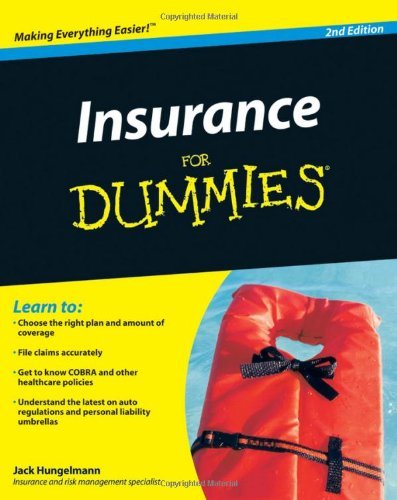
Insurance For Dummies?: Hungelmann, Jack
Whether you’re a homeowner or ... need on: ... Author Jack Hungelmann <strong>uses his twenty-five years of experience in the insurance industry to make buying insurance as simple as possible</strong>
Check Price on AmazonMyth #1: “Red cars cost more to insure.”
- The reality: Insurers don’t rate by color. The factors that typically matter are your driving record, age, garaging ZIP code, annual mileage, prior claims, and the vehicle’s make/model/trim and safety/repair costs. Where allowed by law, your credit-based insurance score (a rating factor based on credit information) can also affect premiums.
- Why the myth sticks: Sports cars are often red — and sports trims do cost more to insure because they’re faster and pricier to repair, not because of the paint.
- Consequence: You might avoid a safe, affordable car based on color instead of checking its crash ratings and ownership costs.
Myth #2: “I have ‘full coverage,’ so I’m covered for everything.”
- The reality: There’s no official policy called “full coverage.” In auto, people use it to mean liability (pays others if you’re at fault) plus collision (pays to fix your car after a crash) and comprehensive (pays for non-crash damage like theft, fire, or hail). It still excludes wear and tear, mechanical breakdown, rideshare use (unless endorsed), and many accessories.
- Consequence: You could discover after a loss that a blown engine, rental car fees, or custom rims aren’t covered.
- Learn more: See what comprehensive actually covers and doesn’t in our plain-language guide: What Is Comprehensive Insurance?
Myth #3: “Minimum auto liability limits are enough.”
- The reality: State minimums (for example, 25/50/25 — meaning $25,000 bodily injury per person, $50,000 per accident, $25,000 property damage) are often far below real-world costs. One serious injury can exceed $100,000 fast.
- Consequence: If you cause a crash and damages exceed your liability limits, you pay the rest out of pocket. Your wages or assets could be at risk.
- Smart move: Many drivers choose 100/300/100 or higher. An umbrella policy (extra liability coverage that sits on top of your auto/home) can add $1 million of protection for a few hundred dollars a year, in most cases.
Myth #4: “A single claim will always skyrocket my rates.”
- The reality: Not always. Surcharges (a price increase after a chargeable accident or claim) vary by insurer and state. Small comprehensive claims (like a cracked windshield) typically have smaller or no surcharges compared to at-fault collision claims. Some companies offer accident forgiveness for your first at-fault claim if you qualify.
- Consequence: Avoiding necessary claims can leave you paying big repair bills yourself. But filing tiny claims near your deductible (the amount you pay out of pocket before insurance pays) can cost more in the long run.
- Tip to save: Compare with at least 3–5 insurers after a claim. Pricing models differ, and you may find a better fit. If you’re focused on trimming costs, try these practical strategies: How to Lower Car Insurance: 15 Smart Ways to Cut Your Premiums
Myth #5: “Renters don’t need insurance — the landlord’s policy covers me.”
- The reality: Your landlord’s policy covers the building, not your stuff or your liability. Renters insurance covers your belongings, loss of use (pays for a hotel or temporary housing if a covered loss makes your place uninhabitable), and your personal liability (if you accidentally injure someone or damage property).
- Consequence: A kitchen fire or break-in could leave you replacing everything out of pocket. Typical renters policies cost about what you’d spend on a couple of streaming subscriptions each month; rates vary by city and coverage.
Myth #6: “Home insurance covers floods and earthquakes.”
- The reality: Standard homeowners policies exclude flooding from rising water and ground movement. Flood coverage is usually bought separately through the National Flood Insurance Program (NFIP) or private insurers. Earthquake coverage is a separate policy or endorsement in most states.
- Consequence: A few inches of water can cause tens of thousands in damage; without a separate flood policy, you pay the full bill.
- Note: Lenders may require flood insurance if you’re in a high-risk zone. FEMA flood maps change, so check your address periodically.
Myth #7: “My home is insured for market value — I’m good.”
- The reality: Smart coverage aims for replacement cost (what it costs to rebuild your home with similar materials), not market value (what a buyer would pay). Construction inflation, custom finishes, and local labor rates matter more than Zillow.
- Consequence: If your Coverage A (the part of the policy that insures your dwelling) is too low, you may not have enough to rebuild after a total loss.
- What to ask: Request a replacement cost estimate from your insurer or agent each renewal, especially after renovations.
Myth #8: “Health insurance pays 100% after I meet my deductible.”
- The reality: After the deductible (what you pay before the plan starts sharing costs), most plans have coinsurance (your percentage of costs, like 20%) until you hit the out-of-pocket maximum (the most you’ll pay in a plan year for covered, in-network services). Out-of-network care can cost more or not count toward your max.
- Consequence: You could get a surprise bill for coinsurance or out-of-network services even after meeting the deductible.
- Helpful resource: If you’re shopping or switching, start here: Finding Affordable Health Insurance: Smart Ways to Lower Costs and Get Covered
Myth #9: “I can only buy health insurance during Open Enrollment.”
- The reality: Special Enrollment Periods (SEPs) allow sign-ups after qualifying life events like losing other coverage, moving, marriage, or having a baby. Medicaid and CHIP accept applications year-round, depending on income.
- Consequence: People sometimes stay uninsured for months when they could have enrolled under an SEP.
Myth #10: “My job’s life insurance is enough.”
- The reality: Group life coverage is great to have, but it’s typically 1–2x your salary and often ends when you leave your job. Many families aim for coverage that replaces income, pays debts, and supports future goals. A common rule of thumb is 10–15x income, but your needs may be higher or lower depending on debts, dependents, and savings.
- Consequence: If you change jobs or get laid off, you could lose coverage and face higher costs later due to age or health changes.
- Next step: Locking in an individual policy when you’re younger and healthy typically costs less. When you’re ready to compare, read: How to Save on Life Insurance: Practical Ways to Lower Your Premiums
Myth #11: “If I quit smoking today, I can apply as a non-smoker tomorrow.”
- The reality: Insurers ask about nicotine use in the past 12–24 months and may require a medical exam with nicotine testing. Misrepresenting tobacco use can lead to claim denial during the contestability period (usually the first 2 years of a policy when the insurer can investigate material misstatements).
- Consequence: A denied claim puts your family at risk exactly when they need the benefit.
Myth #12: “Credit has nothing to do with insurance pricing.”
- The reality: In most states, insurers use a credit-based insurance score (built from credit report data, not your lending score) as one of many rating factors for auto and home. It statistically correlates with claim frequency. It’s banned for personal auto in California, Hawaii, and Massachusetts, and rules vary by state.
- Consequence: Ignoring credit health can mean paying more than you need to. Regularly check and improve your credit where possible.
Myth #13: “Comprehensive coverage means everything is covered.”
- The reality: Comprehensive covers non-collision perils to your car like theft, vandalism, fire, hail, flood, or hitting an animal. It doesn’t cover crash damage (that’s collision), maintenance, or personal items stolen from your car (that’s typically homeowners or renters).
- Consequence: You may skip collision thinking comprehensive covers crashes — and end up paying for your own repairs after a fender-bender.
- Refresher: Dive deeper on what comprehensive includes here: What Is Comprehensive Insurance?
Myth #14: “Umbrella insurance is only for the wealthy.”
- The reality: A personal umbrella adds $1–5 million of extra liability protection over your auto/home for a relatively modest premium in most cases. It can protect future earnings if you’re sued after a major accident.
- Consequence: Without an umbrella, a severe claim that exceeds your auto/home liability limits can put savings and future income at risk.
Myth #15: “Older drivers always pay less.”
- The reality: Rates typically drop through your 30s and 40s with a clean record, then may rise again in your 60s and 70s due to higher claim severity. Individual results vary widely by state and insurer.
- Consequence: Assuming age = savings can keep you from shopping around when your rates creep up.
A quick reality check: the fastest way to see what you would actually pay is to compare quotes from 3–5 carriers with the same coverage limits and deductibles. It’s free and gives you leverage to negotiate.
Why these myths persist (and what the data says)
- State-by-state rules: Insurance is regulated at the state level. For example, credit-based insurance scores are prohibited in some states but widely used in others. PIP/no-fault rules, minimum limits, and surcharging practices also vary.
- Industry statistics: Organizations like the Insurance Information Institute (III), NAIC, and FEMA consistently show that liability claims can exceed state minimums, floods are the most common natural disaster in the U.S., and claim frequency and severity drive pricing.
- Company practices: Each insurer’s underwriting (how a company evaluates risk) and rating models differ. That’s why two similar drivers can see different prices — and why shopping around works.
Real-world consequences of believing the myths
- Coverage gaps: Thinking “full coverage” includes rentals may leave you paying $30–$60/day for a rental after a crash. Forgetting flood exclusions can mean a five-figure repair on your dime.
- Denied or reduced claims: Misstating tobacco use on life insurance or using your personal car for rideshare without an endorsement can lead to claim denials.
- Higher long-term premiums: Filing small, frequent claims (like $600 losses on a $500 deductible) can trigger surcharges and cost more than you saved.
- Financial exposure: Carrying state-minimum auto limits or skipping renters insurance exposes your assets and income if you’re sued.
How to verify what’s true for your policy
1) Read the right pages first
- Declarations page: The summary page listing your coverages, limits (maximum the policy will pay), deductibles, premium, and endorsements (add-ons that change your coverage). Verify each line matches what you expect.
- Exclusions section: The fine print that lists what’s not covered — floods, wear and tear, certain business uses, etc. If it’s excluded, you generally need a separate policy or endorsement.
- Definitions: Look up terms like “actual cash value” (replacement cost minus depreciation) vs. “replacement cost” (the cost to replace new, without depreciation).

SentrySafe Black Fireproof and Waterproof Safe, File Folder and Document Box with Key Lock, Ex. 14.3 x 15.5 x 13.5 inches, HD4100 - Amazon.com
View on Amazon2) Ask your agent or carrier these specific questions
- “What are my liability limits? If I caused a serious injury, how far would these go?”
- “Which perils are covered vs. excluded? Are there any sublimits (smaller internal caps) on jewelry, electronics, or trailers?”
- “Do I have rental reimbursement, roadside, or rideshare coverage?”
- “Is my roof covered at replacement cost or actual cash value?”
- “For health insurance, what’s my in-network vs. out-of-network coverage, deductible, coinsurance, and out-of-pocket maximum?”
3) When to file a claim
- File immediately for injuries, large losses, theft, or any incident involving others who might claim against you. Document with photos and a police report when appropriate.
- Consider paying out of pocket for very small property losses close to your deductible to avoid potential surcharges — but ask your agent how your company handles small claims.

Garmin Dash Cam 57, 1440p and 140-degree FOV, Monitor Your Vehicle While Away w/New Connected Features, Voice Control, Compact and Discreet, Includes Memory Card : Electronics
View on Amazon4) How to compare quotes the right way
- Match coverages: Same liability limits, deductibles, and options across all quotes.
- Check endorsements: If you need water backup, rideshare, or jewelry riders, make sure they’re included on each quote.
- Evaluate the company: Look at financial strength ratings and complaint trends. Here’s a plain-English primer on how insurers work and how to choose one: Insurance Companies Explained: How They Work and How to Choose
- Rerun quotes after a life event: New car, move, marriage, teen driver, or a claim can all change your best-fit company.
Pro tip: Prices change. Set a reminder to re-shop every 12–24 months, or anytime your rate increases by more than 10–15% at renewal.
Common mistakes to avoid (and how to do better)
- Mistake: Buying on price alone. Better: Compare both price and protection. A $10/month savings can vanish with one uncovered loss.
- Mistake: Guessing your home’s rebuild cost. Better: Ask for a replacement cost estimator and update it after renovations.
- Mistake: Skipping renters insurance. Better: Buy a policy with at least $20,000–$30,000 in personal property coverage and $300,000+ in liability; adjust to your actual needs.
- Mistake: Carrying state-minimum auto limits. Better: Consider 100/300/100 or higher and add an umbrella if you have assets or income to protect.
- Mistake: Ignoring health plan networks. Better: Confirm your doctors and medications are in-network and covered before enrolling.
- Mistake: Waiting on life insurance. Better: Quote now; younger, healthier applicants typically see lower rates. If cost is an issue, start with term life and ladder coverage over time.
Ready to check your numbers?
The most reliable way to separate truth from myth is to see real quotes based on your situation. Compare 3–5 carriers side by side with the same limits and deductibles. It takes minutes and can reveal $300–$800/year differences, depending on your state and profile.
If auto costs are your main pain point, these practical tactics can help you cut your bill without gutting coverage: How to Lower Car Insurance: 15 Smart Ways to Cut Your Premiums
FAQs: Fast clarifications
Does my credit always affect insurance?
No. Credit-based insurance scoring is prohibited or limited in some states. Where allowed, it’s one of many factors. Ask your agent how it’s used where you live.
Is “accident forgiveness” guaranteed?
No. It’s an optional feature some insurers offer to qualified drivers. Terms vary by company and state.
Are rideshare trips covered by my personal auto policy?
Typically not without a rideshare endorsement. Personal policies often exclude the period when the app is on or you’re transporting a passenger.
Will filing a not-at-fault claim raise my rates?
It can, depending on state rules and company practices, but increases tend to be smaller than for at-fault claims. Shop around if your rate jumps.
Can I bundle policies to save?
Usually. Many companies offer a multi-policy discount (for example, auto + home). Always compare the bundle price to standalone quotes — the bundle isn’t automatically cheaper.
A quick note on expert help
Insurance is personal, and rules differ by state. A licensed agent can help you choose the right limits, explain exclusions in plain language, and find discounts you qualify for. There’s no cost to ask questions — and it can prevent expensive mistakes.
Take your next step: Get personalized quotes with the same coverages you carry now, then decide what to tweak. It’s the fastest way to confirm which myths don’t apply to you — and where you can safely save.
Recommended Resources
Insurance For Dummies?: Hungelmann, Jack
Whether you’re a homeowner or ... need on: ... Author Jack Hungelmann <strong>uses his twenty-five years of experience in the insurance industry to make buying insurance as simple as possible</strong>
Garmin Dash Cam 57, 1440p and 140-degree FOV, Monitor Your Vehicle While Away w/New Connected Features, Voice Control, Compact and Discreet, Includes Memory Card : Electronics
Buy Garmin Dash Cam 57, 1440p and 140-degree FOV, Monitor Your Vehicle While Away w/New Connected Features, Voice Control, Compact and Discreet, Includes Memory Card: On-Dash Cameras - Amazon.com ✓ FR
SentrySafe Black Fireproof and Waterproof Safe, File Folder and Document Box with Key Lock, Ex. 14.3 x 15.5 x 13.5 inches, HD4100 - Amazon.com
Whether you’re looking for a ... needs. <strong>Crafted with advanced fireproof and waterproof technology, the SentrySafe HD ensures that your documents and valuables remain intact even in the face of
Related Articles
- Frequently Asked Insurance Questions: Key Answers Consumers Need
- Insurance Basics for Beginners: What to Know Before You Buy
- Insurance Companies Explained: How They Work and How to Choose
- Finding Affordable Health Insurance: Smart Ways to Lower Costs and Get Covered
- Auto Insurance Quotes: Compare Rates & Get a Fast Free Quote
- How to Save on Life Insurance: Practical Ways to Lower Your Premiums
- How to Lower Car Insurance: 15 Smart Ways to Cut Your Premiums
- Must‑Ask Questions About Home Insurance: What Every Homeowner Should Ask