
Insurance Companies Explained: How They Work and How to Choose
You want reliable coverage at a fair price, but the world of insurance companies can feel like a maze. Who are these companies, how do they decide what you pay, and which ones actually take care of customers? This guide walks you through how insurance companies operate, how policies are priced, what protections you have as a consumer, and how to compare providers with confidence.
We’ll use plain language and real examples. When we use an insurance term, we’ll define it on the spot. And because prices and availability vary by state and by person, treat this as a roadmap—not a promise of specific rates.
What is an insurance company?
An insurance company (the insurer) is a business that pools risk from many people and businesses so that the few who experience losses can be compensated. You pay a premium (the amount you pay for coverage, typically monthly or annually). In return, the insurer promises to pay covered claims (money paid to you or others when a covered loss happens) under the terms of your policy (the legal contract that spells out what’s covered and what’s not).
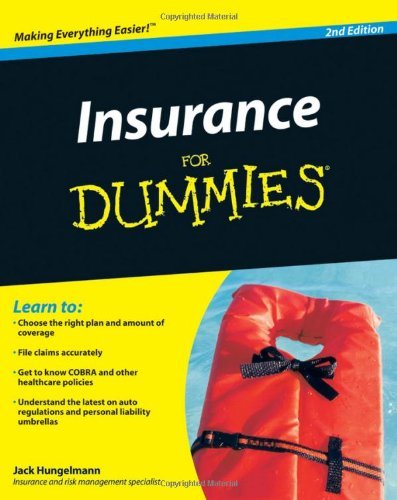
Insurance For Dummies?: Hungelmann, Jack
Whether you’re a homeowner or ... need on: ... Author Jack Hungelmann <strong>uses his twenty-five years of experience in the insurance industry to make buying insurance as simple as possible</strong>
Check Price on AmazonCommon products include:
- Auto and motorcycle insurance for drivers
- Homeowners, condo, and renters insurance for property
- Life insurance for family financial protection
- Health insurance for medical costs
- Disability insurance for income protection if you can’t work
- Business insurance (also called commercial insurance) for companies
- Specialty lines like pet insurance, travel insurance, and cyber insurance
Insurance companies serve individuals, families, landlords, and businesses—from a single freelancer to a nationwide corporation. They sell policies in three main ways:
- Direct-to-consumer: You buy online or by phone straight from the company.
- Captive agents: An agent who sells policies from one insurer.
- Independent agents/brokers: Professionals who can quote multiple insurers. A broker represents you, not the insurer.
If you’re comparing policy features as you shop, our primer on auto coverage types can help decode the options you’ll see: Understanding Auto Insurance Coverage Types.
Types of insurance companies
Insurance companies come in several flavors. Knowing the differences helps you choose the right fit.
National carriers
National carriers operate in many or all states and often offer multiple lines—auto, home, renters, and sometimes life or business insurance. They typically have robust websites, apps, and large claims teams. You’ll often see them advertise nationally. Pros: broad coverage options and 24/7 claims support in most cases. Cons: pricing can be less flexible in certain regions.
Regional companies
Regional insurers operate in a handful of states or a specific part of the country. They often know local risks well (think hurricanes on the coast or hail in the Plains) and may tailor coverage forms accordingly. Pros: local expertise and, at times, competitive pricing in their footprint. Cons: service areas are limited, and digital tools vary.
Mutual vs. stock companies
- Mutual insurer: Owned by policyholders. Profits, if any, may be returned to policyholders as dividends (a return of surplus, not guaranteed). Mutuals often emphasize long-term stability.
- Stock insurer: Owned by shareholders. Profits are returned to shareholders as dividends. Stock companies can be very efficient and growth-focused. Both types can offer excellent coverage—the ownership model is just one factor to consider.
Specialty insurers and surplus lines
Some insurers focus on niche risks—like classic cars, high-value homes, professional liability (coverage for errors in your professional work), or cyber insurance. For hard-to-insure risks, an agent may use a surplus lines carrier (an insurer allowed to write unique or higher-risk policies not available in the standard market). These can cost more but fill important gaps.
You may also hear about an MGA (managing general agent), which is a specialized agency that underwrites (evaluates risk and sets prices) and issues policies on behalf of an insurer. The policy is still backed by the insurer named on your contract.
How insurance companies make money and how policies are priced
Understanding how insurance companies earn money helps explain your premium.
Two main profit engines
- Underwriting results: Underwriting is the process of evaluating your risk—your driving history, home construction, or health profile—and deciding whether to insure you and at what price. The goal is to collect enough premium to pay expected claims and expenses.
- Loss ratio: Claims paid and reserved (money set aside for claims not fully settled yet) divided by premiums earned. A 65% loss ratio means 65 cents of each premium dollar goes to claims.
- Expense ratio: Operating costs (like staff, technology, and commissions) divided by premiums.
- Combined ratio: Loss ratio + expense ratio. Under 100% suggests underwriting profit; over 100% suggests an underwriting loss.
- Investment income: Insurers invest the “float” (premiums collected today for claims paid later) in bonds and other conservative assets. Even if underwriting breaks even, investment returns can generate overall profit.
How premiums are set
Pricing varies by line, but common factors include:
- Auto: Driving record, age, vehicle type, garaging location, annual mileage, prior coverage, and credit-based insurance score (where permitted by state). Your deductible (what you pay out of pocket before insurance kicks in) also affects price—higher deductibles typically lower premiums.
- Home: Rebuild cost, construction type, year built, roof age, distance to fire hydrant, claim history (yours and sometimes the property’s), and local catastrophe risk. Endorsements (optional add-ons like water backup coverage) add cost but expand protection.
- Life: Age, health, tobacco use, policy type (term vs. permanent), and coverage amount. Term life offers coverage for a set period (like 20 years); permanent life builds cash value (savings component) and lasts for life if premiums are paid.
- Health: Age, location, plan metal level (Bronze/Silver/Gold/Platinum shorthand for cost sharing), and network type (HMO/PPO/EPO).
For property and casualty (P&C) lines like auto and home, insurers typically file rates with your state Department of Insurance (the regulator that oversees insurers in your state). Some states require prior approval before new rates take effect; others allow file-and-use (rates can be used once filed). Either way, regulators review actuarial support (the math behind rates) to ensure rates are not inadequate, excessive, or unfairly discriminatory.
Reinsurance: insurance for insurers
Reinsurance is coverage that insurance companies buy from other insurers to protect against very large losses—like a hurricane or widespread liability claims. It stabilizes results and helps insurers keep offering coverage even after big events. If your insurer uses reinsurance (nearly all do), that’s normal and prudent.
Regulation and consumer protections
Insurance is primarily regulated at the state level.
- State Departments of Insurance (DOIs): Oversee licensing, financial solvency (ability to pay claims), rate filings, and market conduct (how insurers treat customers). DOIs investigate complaints and can fine insurers for violations.
- NAIC (National Association of Insurance Commissioners): A group of state regulators that creates model laws and shares data, like complaint ratios and market share. While the NAIC isn’t a government agency, its models often become state law.
- Guaranty associations: State-run safety nets that pay certain claims if an insurer becomes insolvent (goes under). Coverage caps and rules vary by state and by line of insurance; not all losses are covered. This is a last-resort protection, not a substitute for choosing a financially strong insurer.
- Unfair Claims Practices Acts: State laws that set standards for fair claim handling—like responding within set timeframes and explaining denials.
- Required disclosures: You’ll typically receive a privacy notice (how your data is used), a summary of coverage, and other state-specific documents. For life insurance, you often have a free-look period (a set number of days—commonly 10–30—during which you can cancel for a refund of premium).
If you want quick refreshers on common terms as you compare policies, bookmark our plain-English Insurance Glossary: Key Terms You Need to Know.
How to evaluate and compare insurance companies
Here is what actually matters when choosing an insurer.
1) Financial strength ratings
Check third-party ratings that assess an insurer’s ability to pay claims over the long term. Common agencies include A.M. Best, Standard & Poor’s, Moody’s, and Demotech. Look for ratings in the A range or better when possible. Remember: strong ratings don’t guarantee claim approval—they indicate the company’s financial capacity.
2) Claims handling
- Responsiveness: 24/7 reporting? Clear timelines for inspections and payments?
- Settlement approach: For auto, will they use OEM parts (original manufacturer) or aftermarket parts for repairs? For home, do they offer replacement cost (pays to rebuild new) vs. actual cash value (depreciated value)?
- Catastrophe capability: How they staff up after big events matters. Search for independent reviews and ask your agent about recent storm responses.
3) Complaint ratios and regulatory history
The NAIC Complaint Index compares a company’s share of complaints to its market share (1.0 is average; higher means more complaints than expected). Your state DOI typically lets you search complaints and enforcement actions. Use trends, not one-off stories, to judge.
4) Coverage options and flexibility
Some insurers excel at tailored endorsements and higher limits; others keep it simple. For homeowners, consider water backup, ordinance or law (brings your home up to current code after a covered loss), and extended replacement cost (extra cushion if rebuild costs spike). Our Home Insurance Guide 2026 — Compare Quotes, Coverage & Costs breaks down key add-ons and what they cost in most cases.
For life insurance, start with your goals and time horizon. If you’re new to it, here’s a friendly walk-through of policy types and how quotes work: Life Insurance: How to Choose the Right Policy and Get Quotes.
5) Pricing, stability, and discounts
- Price: Get at least three quotes. Rates vary by company, even for the same person, because each insurer weighs risk factors differently.
- Stability: Ask how often rates change in your area. Some carriers are more volatile after big weather seasons.
- Discounts: Safe driver, multi-policy (bundling home and auto), protective devices (smoke detectors, water sensors), and pay-in-full can help.

Govee WiFi Water Leak Detector 3 Packs, Leak Alert with Remotely Email/APP Push and Sound Alarm, Smart Water Sensor with 100dB Adjustable Alarm, Suit for Home and Basement - Amazon.com
View on Amazon
First Alert CO710 Carbon Monoxide Detector with 10-Year Battery and Digital Temperature Display , White - Amazon.com
View on Amazon6) Service and digital tools
Paperless billing, photo-based claims, and real-time tracking are convenient. If you prefer an in-person advisor, prioritize companies with strong local agent networks.
A quick real-world example
Say you’re a 35-year-old driver in Ohio with a clean record, comparing auto quotes for a 2019 Toyota Camry. You request $100,000/$300,000 liability limits (the maximum the insurer pays to others per person/per accident) and a $500 deductible for collision and comprehensive (coverage for your car’s damage in a crash or from theft, hail, etc.). You might see premiums range meaningfully—often hundreds of dollars per year—across insurers. That’s normal. The right move is to keep coverage the same on every quote, then compare price, claims reputation, and financial ratings side by side.
Top national and regional insurers by line (examples)
This list is informational, not recommendations. Availability and market share change over time and by state.
Auto insurance: Large national players are known for broad discounts, robust apps, and large repair networks. Regional carriers often shine in local claim service and pricing tailored to area risks. Membership-based insurers may offer competitive rates for eligible groups (like active-duty military or certain professions).
Home insurance: Big brands often provide wide coverage menus and catastrophe response teams. Regional property insurers may have deep experience with wind, hail, wildfire, or flood-adjacent exposures in their footprint and can be more selective about roof age or construction.
Life insurance: Large mutual life companies are known for financial strength and (for some policies) non-guaranteed dividends, while stock life insurers often emphasize competitive term life pricing and digital applications. Independent brokers can shop multiple carriers for medical and no-exam options.
Small business and specialty: Niche carriers focus on professional liability, cyber, and high-value personal property. Surplus lines carriers may be used if your risk doesn’t fit the standard market, such as a roof past a certain age in a catastrophe-prone area.
Health insurance: Large carriers dominate many state exchanges, but regional HMOs and EPOs (managed-care plan types with specific network rules) may be strong contenders depending on hospital and doctor networks where you live.
Where to get quotes: You can compare and request quotes directly from company websites, through independent agents, or via reputable comparison tools. If you want a fast, side-by-side look at pricing, start here: Insurance Quotes: Compare & Get Accurate Quotes Fast.
Common red flags and smart questions to ask
Watch out for:
- No or weak financial strength ratings from major agencies
- A high NAIC Complaint Index over multiple years (suggests persistent issues)
- Vague or slow answers about claims timeframes
- Quotes that seem far below the market with lots of fees or required add-ons later
- Frequent non-renewals in your state (signals appetite or reinsurance problems)
- Poor catastrophe response stories in your region
- Hard-to-understand policy forms or missing endorsements you need (like water backup)
Questions to ask before you buy:
- “How will you value my property in a loss—replacement cost or actual cash value?”
- “For auto repairs, do you specify OEM or aftermarket parts?”
- “What are typical timelines from claim report to inspection to payment?”
- “Which discounts apply to me today, and which ones could I earn later?”
- “How do you handle rate increases after a claim?”
- “Who handles claims—your own adjusters or third parties?”
- “If there’s a big storm, how do you scale up to handle claims?”
How to switch insurers and get competitive quotes
Here’s a simple, step-by-step checklist you can follow. Keep coverage limits and deductibles the same across quotes so you’re comparing apples to apples.
- Gather your details
- Current policy declarations page (shows coverages, limits, deductibles, and endorsements)
- Driver info (license numbers), VINs, and annual mileage for each car
- Home details (year built, roof age, square footage, safety features)
- Claim history for the past 3–5 years
- For life insurance, your basic health info and desired coverage amount/term
- Decide your coverage targets
- Set liability limits high enough to protect your assets. For homeowners, consider endorsements like water backup and ordinance or law if available in your area.
- Choose deductibles you can comfortably afford out of pocket.
- Quote at least three company types
- A large national carrier, a strong regional carrier (if available), and—if you prefer personalized advice—an independent agent who can shop multiple insurers at once.
- Check financial strength and complaints
- Verify A.M. Best or comparable ratings and skim complaint ratios for your state. Look for patterns, not one-off anecdotes.
- Ask about discounts and bundling
- Multi-policy, telematics (a program that measures driving habits via app or device), protective devices, and pay-in-full can add up.
- Line up effective dates to avoid a lapse
- A lapse (days with no active insurance) can raise your rates later. For auto and home, set the new policy start date, then confirm activation before canceling the old one. For life insurance, never cancel your old policy until the new policy is in force (delivered and first premium paid).
- Notify your lender or escrow
- Auto lenders and mortgage servicers require proof of insurance. Send them the new declarations page to avoid force-placed coverage (expensive, limited insurance your lender can buy if they think you’re uninsured).
- Cancel the old policy once the new is active
- Ask about pro-rata (pay only for the days you had coverage) vs. short-rate (cancellation fee applied) refunds. Rules vary by state and by insurer.
Want a quick way to compare without pressure? Our quote pages make it easy to see your options and decide at your pace:
- For car insurance, start here: Car Insurance Quotes: Compare Rates & Get Personalized Quotes Fast
If you prefer to speak with a human, a licensed independent agent can walk through coverages, explain the fine print, and help if there’s a claim later.
The bottom line
Insurance companies exist to spread risk so you don’t bear a financial catastrophe alone. The best fit for you balances financial strength, fair and efficient claims handling, coverage flexibility, and a competitive price. Use financial ratings, complaint data, and clear comparisons—not ads or anecdotes—to make your decision. And remember: rates vary, and the right answer depends on your state, your risk profile, and the coverages you actually need.
Helpful next step: Make a short list of three insurers (a national, a regional, and one recommended by an independent agent), set your coverage targets, then run quotes side by side. Ten focused minutes can save you money and, more importantly, secure the coverage that will be there when you need it.
Recommended Resources
Insurance For Dummies?: Hungelmann, Jack
Whether you’re a homeowner or ... need on: ... Author Jack Hungelmann <strong>uses his twenty-five years of experience in the insurance industry to make buying insurance as simple as possible</strong>
First Alert CO710 Carbon Monoxide Detector with 10-Year Battery and Digital Temperature Display , White - Amazon.com
This carbon monoxide detector uses ... see, smell, or taste in the air. <strong>A built-in 10-year lithium battery means you never need to worry about changing batteries during the lifetime of the ala
Govee WiFi Water Leak Detector 3 Packs, Leak Alert with Remotely Email/APP Push and Sound Alarm, Smart Water Sensor with 100dB Adjustable Alarm, Suit for Home and Basement - Amazon.com
Govee WiFi Water Leak Detector 3 Packs, <strong>Leak Alert with Remotely Email/APP Push and Sound Alarm, Smart Water Sensor with 100dB Adjustable Alarm, Suit for Home and Basement</strong> - Amazon.co
Related Articles
- How to Get Car Insurance: What You Need to Know to Choose, Buy, and Save
- Best Insurance Companies 2026 — Top Picks & How to Choose
- Business Insurance Types Explained: What Each Policy Covers and How to Choose
- Best Life Insurance: Top Picks & How to Choose (2026 Guide)
- Insurance Basics for Beginners: What to Know Before You Buy
- Commercial Insurance Coverage Basics: Essential Coverages, Costs, and How to Choose
- Life Insurance: How to Choose the Right Policy and Get Quotes
- Frequently Asked Insurance Questions: Key Answers Consumers Need