
Frequently Asked Insurance Questions: Key Answers Consumers Need
You have questions, and the quotes and fine print don’t always make them easy to answer. This guide tackles the most frequently asked insurance questions—what key terms mean, how rates are set, what’s covered (and what’s not), and how to compare providers—so you can make confident, money‑smart decisions.
Insurance basics: types and core terms you’ll see everywhere
Before you compare options, it helps to speak the language. Here are the building blocks you’ll see across most policies.
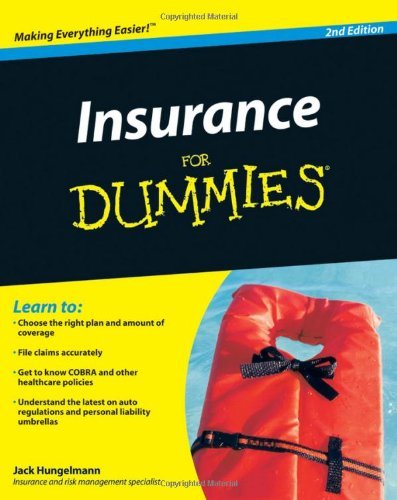
Insurance For Dummies?: Hungelmann, Jack
Whether you’re a homeowner or ... need on: ... Author Jack Hungelmann <strong>uses his twenty-five years of experience in the insurance industry to make buying insurance as simple as possible</strong>
Check Price on AmazonCommon insurance types
- Auto: Covers liability if you injure someone or damage property while driving, and—if you add it—damage to your own vehicle.
- Homeowners/Condo/Renters: Protects your home or belongings and liability if someone is injured on your property. Renters covers belongings and liability (not the building).
- Health: Helps pay for medical care, prescriptions, and preventive services. Plan types include HMOs and PPOs.
- Life: Pays a death benefit to beneficiaries. Term life covers a set period; whole or universal life includes a savings component.
- Disability: Replaces a portion of income if you can’t work due to illness or injury.
- Business (commercial): Protects your company from liability, property loss, and other business risks.
- Travel: Covers trip cancellation, medical emergencies abroad, and lost luggage.
- Pet: Helps reimburse vet bills for accidents and illnesses.
Core terms explained
- Premium: The amount you pay for coverage, typically monthly or annually.
- Deductible: The out‑of‑pocket amount you pay on a covered claim before the insurer pays. Example: With a $500 auto deductible, you pay the first $500 of covered repairs after an accident.
- Limit (coverage limit): The maximum an insurer will pay for a covered claim. Liability limits are often shown as split limits (e.g., auto 100/300/100 means $100K per person, $300K per accident for injuries, $100K for property damage).
- Liability: Coverage for injuries or damage you cause to others. It does not repair your own property unless you add first‑party coverage (like collision for auto).
- Riders/Endorsements: Optional add‑ons that broaden coverage. In property insurance, they’re often called endorsements; in life insurance, riders. Example: a water backup endorsement or a life insurance waiver‑of‑premium rider.
- Exclusion: A scenario your policy doesn’t cover. Flood is a common homeowners exclusion (you typically need a separate flood policy).
- Actual Cash Value (ACV) vs. Replacement Cost: ACV pays what an item is worth today after depreciation; replacement cost pays to buy a new, similar item without subtracting for age/wear.
- Waiting period: A set time before some benefits begin (common in disability and health plans).
Frequently asked insurance questions about pricing and savings
How are premiums determined?
Insurers price risk. They analyze the likelihood and cost of future claims using your profile, claims history, and coverage selections. Typical factors include:
- Age and location: Younger drivers and homes in storm‑prone or high‑theft areas usually cost more.
- Driving record: Accidents, DUIs, and tickets often raise auto rates for 3–5 years, depending on your state.
- Claims history: Past claims can signal higher future risk, even non‑fault claims in some states.
- Credit‑based insurance score: In most states (not all), insurers can use a credit‑based score; better scores typically mean lower premiums.
- Coverage choices: Higher limits and lower deductibles raise premiums. Adding comprehensive/collision on an older car costs more than liability‑only.
- Home details: Roof age, security systems, distance to fire hydrant, and dog breeds can influence homeowners pricing.
- Health and life underwriting: Age, tobacco use, health history, and build typically affect health and life insurance costs.
Rates vary by individual circumstances and state rules, so treat examples as illustrations—not guarantees.
How can I lower my insurance costs without gutting coverage?
- Shop around regularly: Prices move. Comparing 3–5 quotes is often the fastest way to see your real rate.
- Adjust deductibles: Higher deductibles usually lower premiums. Make sure you can afford the deductible in cash.
- Bundle when it makes sense: Auto + home or renters can unlock discounts. Still compare separate carriers—bundles aren’t always the cheapest.
- Improve risk factors: Safe‑driver programs/telematics, security systems, roof updates, defensive driving courses, and quitting smoking (for life/health) can help over time.
- Ask for discounts: Multi‑policy, good student, paperless billing, autopay, claim‑free, and employer/association discounts are common.
- Maintain continuous coverage: Lapses typically lead to surcharges when you restart.
- Right‑size coverage: For older cars, consider liability‑only if the car’s value is near your deductible plus premium for comp/collision.
For deeper context on how insurers operate and price products, see Insurance Companies Explained: How They Work and How to Choose (/auto-insurance/insurance-companies-explained-how-they-work-and-how-to-choose).
Practical steps: buying insurance and filing a claim
What do I need to buy a policy?
Be ready to provide:
- Identity and contact info
- For auto: VIN, mileage, usage (commute miles), current policy declarations page (to match or compare coverage)
- For home/condo/renters: Address, year built, square footage, roof/plumbing/electrical updates, security features, prior losses
- For health: Household info, doctors/prescriptions, preferred network, and income if applying for ACA marketplace subsidies
- For life: Health questionnaire, beneficiaries, and possibly a medical exam (many carriers now use accelerated underwriting, depending on age/amount)
- For business: Business type, revenue, payroll, operations, and prior claims
Tip insurers don’t always advertise: sharing your current declarations page can speed up apples‑to‑apples comparisons and help agents spot gaps (like missing uninsured motorist or low sub‑limits on water backup).
What should I expect during underwriting?
- Auto/home: Carriers verify prior coverage and losses (CLUE reports), check driver records, and may request photos or inspections. Rates can change if details differ from your application.
- Health: Marketplace plans typically don’t underwrite health status, but networks, drug tiers, and cost‑sharing vary widely.
- Life: Depending on the amount/age, you might have a brief exam, labs, or electronic record checks. Results can change your offer or rate class.
How do I file a claim, and what’s the timeline?
Steps are similar across lines:
- Make sure everyone is safe. For auto/home losses, prevent further damage (tarps, turning off water). Keep receipts—these mitigation costs are often covered.
- Document everything: Photos, videos, witness info, police report (for theft/accidents), damaged items list, receipts/estimates.
- Notify your insurer promptly: Many policies require “prompt” notice. Some states set deadlines for insurer response (often within 10–15 business days to acknowledge, 15–30 to investigate, and a defined period to pay or deny after proof of loss). Timelines vary by state.
- Work with the adjuster: They assess coverage and damage. You can choose your own repair shop or contractor in most cases.
- Review the settlement: It will outline covered items, depreciation (if ACV), your deductible, and any depreciation recoverable after repairs (if replacement cost coverage applies).
- Keep records: Save claim numbers, emails, and call notes.

Garmin Dash Cam 57, 1440p and 140-degree FOV, Monitor Your Vehicle While Away w/New Connected Features, Voice Control, Compact and Discreet, Includes Memory Card : Electronics
View on AmazonGood to know: A small claim can trigger a surcharge or loss of a claim‑free discount. Ask your agent what a hypothetical claim might do to your premium before filing—especially for borderline amounts near your deductible.
If you’re dealing with health insurance and ongoing conditions, see Health Insurance & Pre‑Existing Conditions: Frequently Asked Questions on Coverage, Rights, Exceptions, and Next Steps (/health-insurance/health-insurance-pre-existing-conditions-faq).
Coverage clarity: what’s typically covered, what’s not, and common gaps
What’s usually covered vs. excluded?
- Auto
- Typically covered: Liability for injuries/property you cause; collision and comprehensive for your car if purchased; medical payments or PIP (in no‑fault states); uninsured/underinsured motorist.
- Common exclusions: Racing, intentional damage, business use without proper coverage (like rideshare without a rideshare endorsement), regular use of a car you don’t own unless you have non‑owner or are listed.
- Homeowners/Condo/Renters
- Typically covered: Fire, wind, hail, theft, certain water damage (sudden/accidental), liability for injuries at your home, and additional living expenses if a covered loss makes your home uninhabitable.
- Common exclusions: Flood, earthquake, wear and tear, maintenance issues (mold from long‑term leaks), sewer or sump backup without an endorsement, high‑value items beyond sub‑limits (jewelry, art) unless scheduled.
- Health
- Typically covered: Essential health benefits on ACA plans—preventive care, ER, hospitalization, prescriptions (by tier).
- Common exclusions: Some out‑of‑network services (depends on plan), non‑formulary drugs, cosmetic procedures.
- Life
- Typically covered: Death benefit for covered causes after the contestability period (usually first two years) unless fraud is found.
- Common exclusions: Suicide within the first two years in many states (check your policy), misrepresentation on the application can void coverage.
- Business
- Typically covered: Third‑party injury/property damage (general liability), business property (commercial property), and lost income after a covered property loss (business income/interruption).
- Common exclusions: Professional errors without professional liability, flood/earthquake without separate coverage, employee injuries (covered by workers’ comp, not GL), cyber incidents without cyber coverage.
Gap scenarios to watch
- Replacement cost vs. ACV: If your roof is paid at ACV, your claim check may be much smaller than you expect. Consider replacement cost endorsements when available.
- Water damage: Water backup from a sump or drain is usually excluded unless you add that endorsement. Flood is a separate policy.
- Liability limits: State minimum auto limits are often too low to protect savings or a home. Consider higher limits plus an umbrella policy for extra liability protection.
- Rideshare and delivery: Personal auto policies typically exclude app‑based driving unless you add a rideshare endorsement or buy a commercial policy.
- Home business: Running a business at home? You may need an endorsement or a separate business policy.
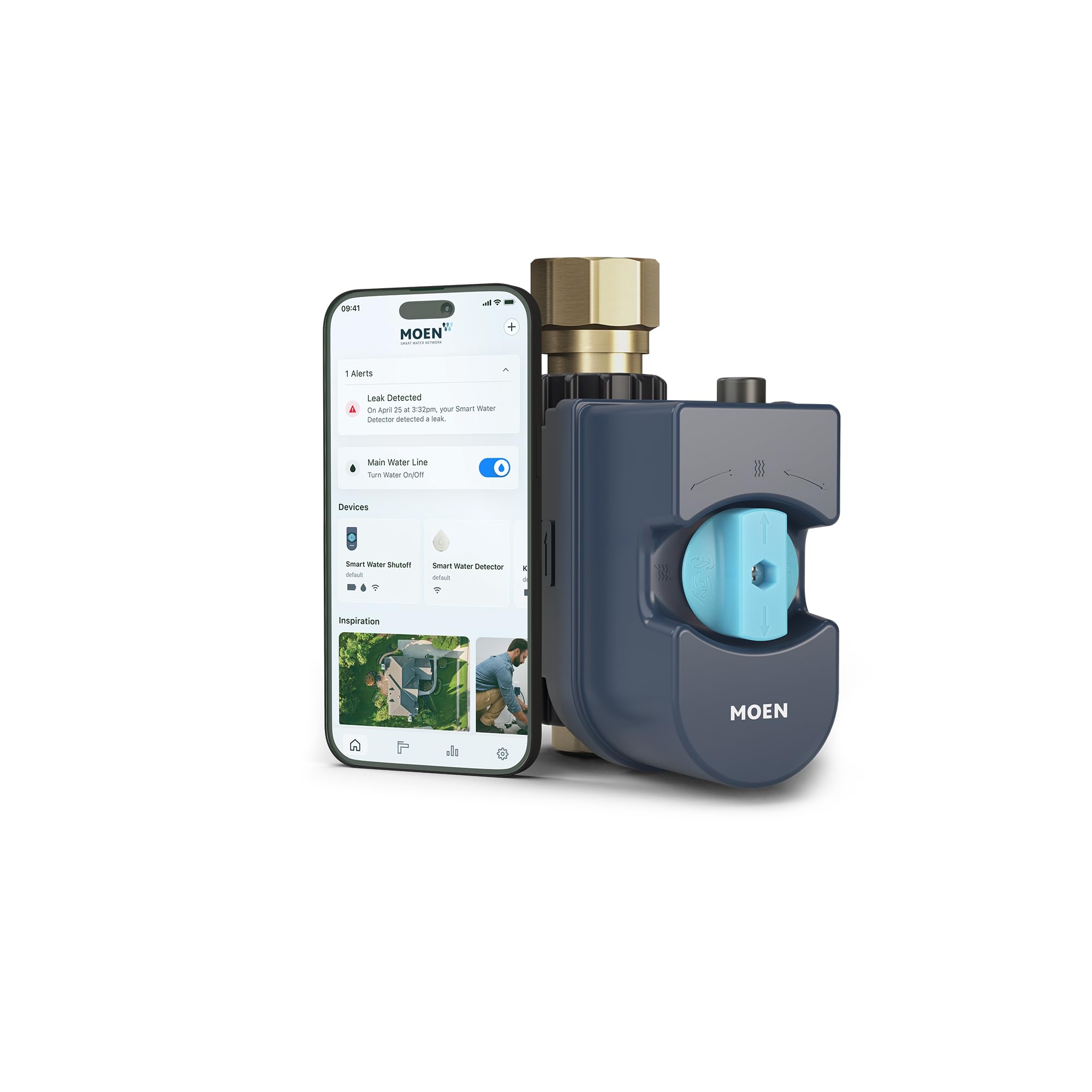
Moen Flo Smart Water Monitor and Automatic Shutoff Sensor, Wi-Fi Water Leak Detector for 3/4-Inch Diameter Pipe, 900-001 - Tub And Shower Faucets - Amazon.com
Moen Flo Smart Water Monitor and Automatic Shutoff Sensor, <strong>Wi-Fi Water Leak Detector for 3/4-Inch Diameter Pipe</strong>, 900-001 - Tub And Shower Faucets - Amazon.com
Check Price on AmazonFor homeowners‑specific questions you should ask before you buy, see Must‑Ask Questions About Home Insurance: What Every Homeowner Should Ask (/home-insurance/must-ask-questions-about-home-insurance). For common misconceptions across insurance, check Common Insurance Myths Debunked — Facts That Save You Money (/auto-insurance/common-insurance-myths-debunked-facts-save-money).
When should I review or update my policy?
- Major life events: Marriage, divorce, new baby, new driver, or a death in the household.
- Big purchases or upgrades: Jewelry, art, home renovations, finished basements, or a new roof.
- Changes in usage: Moving, new commute length, parking on the street vs. a garage, starting a home business, rideshare driving.
- Annually at renewal: Prices and coverage forms change. A yearly check‑in is smart, especially if your premium jumped.
How to compare quotes and choose a reputable provider
What to look for in quotes
- Apples‑to‑apples coverage: Match limits, deductibles, and endorsements across quotes so you’re comparing price for the same protection.
- Liability first: Price out the coverage you actually need to protect assets and income. Then adjust deductibles or optional coverages to hit your budget.
- Sub‑limits and endorsements: Water backup, service line, scheduled property, roadside assistance, rental reimbursement—make sure the options you want are included.
- Replacement cost vs. ACV: Confirm how claims will be paid.
- Claims experience: Ask about average claim timelines, local adjusters, and whether you can choose your own contractor/repair shop.
Questions to ask an agent or carrier
- Which discounts am I eligible for, and what documentation do you need?
- How would a $2,000 claim impact my premium next term? For how long?
- Are there coverage gaps I should consider closing (e.g., umbrella, water backup, higher UM/UIM)?
- Do you use credit‑based insurance scores in my state? If so, can improving my credit reduce my premium over time?
- What are your typical claim response and payment timelines in my state?
Signs of a reputable insurer
- Strong financial ratings (e.g., AM Best) and stable outlook
- Clear, written claim commitments and digital tools for easy filing
- Low complaint ratios (check your state DOI or NAIC complaint index)
- Transparent pricing, discounts explained up front, and no pressure tactics
- Solid third‑party reviews and recommendations from trusted local agents
If you’re a small business owner comparing policy types, see Business Insurance Types Explained: What Each Policy Covers and How to Choose (/auto-insurance/business-insurance-types-explained-what-each-policy-covers-how-to-choose).
Real‑world examples to make this concrete
- Auto example: You’re a 28‑year‑old driver with a clean record. You raise your deductible from $500 to $1,000. In many markets, that might trim your premium by 10–15%, but you need to be comfortable paying $1,000 out of pocket if you have a claim.
- Home example: Your basement floods from heavy rain—groundwater enters through the foundation. Standard homeowners policies typically exclude flood. Without a separate flood policy, you’d pay out of pocket. A water backup endorsement would help only if the water came up through a drain or sump pump.
- Life example: You’re 35, a non‑smoker in Texas, looking for $500K in 20‑year term life. Healthy applicants in that profile often see a wide price range across carriers. Shopping 3–5 quotes and checking for accelerated underwriting (no exam) can save both time and money, though final eligibility varies by insurer.
- Business example: You operate a mobile grooming service. Your personal auto policy likely won’t cover business use. You may need a commercial auto policy and general liability to protect client property and third‑party injuries.
Frequently asked insurance questions: quick answers
- Is bundling always cheaper? Often, but not always. Get bundled and unbundled quotes.
- Will my premium go up after a not‑at‑fault auto accident? In some states and with some carriers, yes. Ask how your insurer treats not‑at‑fault claims.
- Do I need gap insurance? If you owe more on a car than it’s worth (common with low down payments), gap coverage can be valuable.
- Should I choose the lowest deductible? Only if the higher premium is worth it to you. Run the math across a few years of no claims.
- Are aftermarket parts used in auto repairs? It depends on your policy and state laws; some allow OEM endorsements for newer cars.
- Do home policies cover short‑term rentals? Not typically without specific endorsements or a landlord/host policy.
- Can I use any doctor with health insurance? PPOs usually allow out‑of‑network visits at higher costs; HMOs typically require in‑network care and referrals.
- When does life insurance pay out? Beneficiaries file a claim with a death certificate; payouts often arrive within weeks, though complex cases can take longer.
How to compare: a simple checklist
- Define your must‑have coverages (liability limits, replacement cost, key endorsements)
- Set your maximum affordable deductible for each policy type
- Pull your current declarations page for reference
- Get 3–5 quotes with identical limits/deductibles
- Verify financial strength ratings and complaint ratios
- Ask how common claims are handled and paid
- Re‑shop at renewal or after big life changes
Want more insight on carrier differences? See Insurance Companies Explained: How They Work and How to Choose (/auto-insurance/insurance-companies-explained-how-they-work-and-how-to-choose).
Smart next step: see your real price
The fastest way to see what you would actually pay is to compare quotes from 3–5 carriers. Rates vary by state, coverage, and personal details—so real quotes beat ballpark guesses every time. If you’d like help, a licensed, independent agent can shop multiple insurers for you and highlight where coverage gaps hide.
What insurers don’t always tell you (but you should know)
- Loyalty can cost you: Some carriers practice “price optimization,” raising rates on customers unlikely to shop. Re‑shop at least every 1–2 years.
- Telematics data matters: Hard braking, late‑night driving, and phone use can raise or lower rates—choose programs you’re comfortable with.
- Household drivers count: List all household drivers; undisclosed drivers can complicate claims.
- Discounts aren’t always additive: The “up to” numbers don’t stack linearly. Ask for a written breakdown.
If you need a refresher on product‑specific questions while shopping, these guides can help:
- Must‑Ask Questions About Home Insurance: What Every Homeowner Should Ask (/home-insurance/must-ask-questions-about-home-insurance)
- Health Insurance & Pre‑Existing Conditions: Frequently Asked Questions on Coverage, Rights, Exceptions, and Next Steps (/health-insurance/health-insurance-pre-existing-conditions-faq)
- Common Insurance Myths Debunked — Facts That Save You Money (/auto-insurance/common-insurance-myths-debunked-facts-save-money)
A quick note on getting personalized advice
This guide gives general information. Your best move for specifics is to speak with a licensed agent who can review your situation, your state’s rules, and your budget.
Ready to compare?
Take 10 minutes to gather your current policy pages and driver/home details, then get quotes from 3–5 carriers. Use identical coverage settings so differences in price actually mean savings—not less protection. If you want help narrowing options, an independent agent can do the heavy lifting and explain trade‑offs in plain English.
Recommended Resources
Insurance For Dummies?: Hungelmann, Jack
Whether you’re a homeowner or ... need on: ... Author Jack Hungelmann <strong>uses his twenty-five years of experience in the insurance industry to make buying insurance as simple as possible</strong>
Moen Flo Smart Water Monitor and Automatic Shutoff Sensor, Wi-Fi Water Leak Detector for 3/4-Inch Diameter Pipe, 900-001 - Tub And Shower Faucets - Amazon.com
Moen Flo Smart Water Monitor and Automatic Shutoff Sensor, <strong>Wi-Fi Water Leak Detector for 3/4-Inch Diameter Pipe</strong>, 900-001 - Tub And Shower Faucets - Amazon.com
Garmin Dash Cam 57, 1440p and 140-degree FOV, Monitor Your Vehicle While Away w/New Connected Features, Voice Control, Compact and Discreet, Includes Memory Card : Electronics
Buy Garmin Dash Cam 57, 1440p and 140-degree FOV, Monitor Your Vehicle While Away w/New Connected Features, Voice Control, Compact and Discreet, Includes Memory Card: On-Dash Cameras - Amazon.com ✓ FR
Related Articles
- Must‑Ask Questions About Home Insurance: What Every Homeowner Should Ask
- Common Insurance Myths Debunked — Facts That Save You Money
- Travel Insurance: Common Questions Answered
- Insurance Basics for Beginners: What to Know Before You Buy
- Insurance Companies Explained: How They Work and How to Choose
- Commercial Insurance Coverage Basics: Essential Coverages, Costs, and How to Choose
- How to Read an Insurance Policy: Key Sections, Terms, and What to Look For
- Term Life Insurance: Complete Guide to Coverage, Cost & Getting Quotes