
Insurance Basics for Beginners: What to Know Before You Buy
You’re staring at quotes and alphabet soup—HMO, PIP, HO‑3—and wondering, is this normal? If you’re looking for insurance basics for beginners, here’s the straight talk you need to choose coverage with confidence, avoid common pitfalls, and get a fair price.
Insurance Basics for Beginners: The Core Types
Insurance exists to protect you from financial shocks you can’t easily absorb. Here are the everyday policies most people consider and the typical risks each covers.
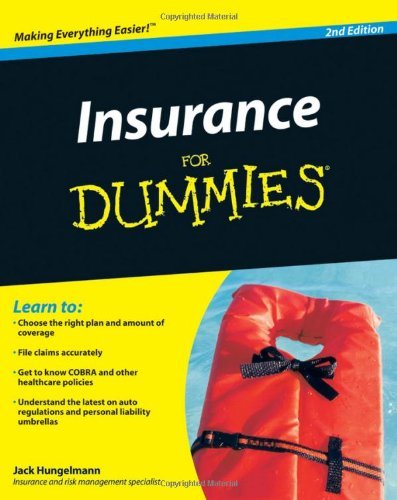
Insurance For Dummies?: Hungelmann, Jack
Whether you’re a homeowner or ... need on: ... Author Jack Hungelmann <strong>uses his twenty-five years of experience in the insurance industry to make buying insurance as simple as possible</strong>
Check Price on AmazonAuto Insurance
If you drive, your state almost certainly requires some form of auto insurance. Core parts include:
- Liability coverage (pays others if you cause an accident):
- Bodily injury liability (pays medical bills, lost wages, and legal costs for people you injure)
- Property damage liability (pays to fix another person’s car or property)
- Collision (pays to repair or replace your car after a crash, regardless of fault)
- Comprehensive (pays for non-crash damage to your car, like theft, fire, hail, or hitting a deer)
- Uninsured/underinsured motorist (protects you if the other driver has too little or no insurance)
- Personal injury protection or MedPay (PIP/MedPay) (helps with your medical bills; PIP can also cover lost wages, depending on your state)

VIOFO Dash Cam A119 V3 2K 2560x1440P Quad HD+ 60FPS Front Car Dash Camera, 5MP STARVIS Sensor, 140-Degree Wide Angle, GPS Included, Buffered Parking Mode, True HDR, Motion Detection, Time Lapse : Electronics
View on AmazonWhat it doesn’t cover: normal wear and tear, intentional damage, or using your car for business like delivery/rideshare unless you add the right endorsement (an endorsement is an optional add-on that changes your coverage).
Example: A 28-year-old with a paid-off sedan might choose 100/300/100 liability limits (that’s $100,000 per person/$300,000 per accident for injuries, $100,000 for property damage), plus comprehensive and collision with a $500–$1,000 deductible (the amount you pay out of pocket before insurance pays the rest). State minimums are often too low to protect savings and future income.
Helpful next step: If auto is on your list, see our step-by-step on comparing options here: How to Get Car Insurance: What You Need to Know to Choose, Buy, and Save.
Homeowners and Renters Insurance
- Homeowners (HO‑3 is a common policy type) covers your dwelling (the structure), other structures (fence, shed), personal property (your stuff), personal liability (if someone is injured or you damage others’ property), and loss of use (living expenses if you can’t live at home after a covered loss). It typically covers sudden, accidental damage (like fire, wind, burst pipes). Flood and earthquake are usually excluded and need separate policies.
- Renters covers your personal property, personal liability, and loss of use—but not the building itself (your landlord insures that). It’s generally affordable and a smart move if you can’t easily replace your belongings.

Govee WiFi Water Leak Detector 3 Packs, Leak Alert with Remotely Email/APP Push and Sound Alarm, Smart Water Sensor with 100dB Adjustable Alarm, Suit for Home and Basement - Amazon.com
View on AmazonNote: Many homeowners policies have special deductibles for wind/hail or hurricanes in coastal states, and sublimits (smaller caps within your policy) for jewelry, art, or collectibles. You may need a rider/endorsement (an add-on) to fully cover high-value items.
Considering a home policy? Check key questions to ask here: Must‑Ask Questions About Home Insurance: What Every Homeowner Should Ask.
Health Insurance
Health insurance helps pay for doctor visits, prescriptions, hospital stays, and preventive care. Common pieces:
- Premium (your monthly payment)
- Deductible (what you pay each year before the plan starts paying more)
- Copay (a fixed dollar amount for services, like $30 for a primary care visit)
- Coinsurance (a percentage you pay after the deductible, like 20%)
- Out-of-pocket maximum (the most you’ll pay in a year for covered care; once you hit it, the plan typically pays 100% of covered costs)
- Network (the doctors and hospitals that contract with your plan)
Plan types include HMO (Health Maintenance Organization—usually lower costs, smaller network, referrals required) and PPO (Preferred Provider Organization—larger network, no referral needed, typically higher costs). Coverage and rules vary widely by state and plan.
Want a deeper dive? Start here: Health Insurance Basics: Plans, Terms, and How to Choose.
Life Insurance
Life insurance provides a tax-free death benefit (money paid to your beneficiary—the person you choose to receive the money) if you pass away during the policy term.
- Term life (coverage for a set period like 10–30 years; generally the most affordable; no cash value)
- Permanent life (whole life, universal life; lifetime coverage with a cash value component; typically much more expensive)
Typical use cases: protecting your family’s income, paying off a mortgage, covering childcare or college. A common starting estimate is 10–15 times your annual income, but individual needs vary by debts, savings, and dependents.
Disability Insurance
Disability coverage replaces a portion of your income if illness or injury keeps you from working.
- Short-term disability (benefits for a few months)
- Long-term disability (benefits can last years or to retirement age)
Key terms: elimination period (the waiting period before benefits begin), benefit period (how long payments last), and definition of disability—own-occupation (you can’t do your specific job) versus any-occupation (you can’t do any job you’re reasonably suited for). Own-occupation is stronger protection and typically costs more.
Example: If you earn $60,000 and your policy replaces 60% of income, your monthly benefit would be about $3,000 before taxes, starting after the elimination period (often 90 days for long-term policies). Rates vary by age, health, occupation, and state.
Key Policy Terms You’ll See Everywhere
You’ll read these terms across nearly every policy. Knowing them helps you compare apples to apples.
- Premium: your monthly or annual payment to keep coverage active.
- Deductible: what you pay out of pocket before insurance kicks in.
- Copay: a flat fee for a service (often used in health insurance).
- Coinsurance: the percentage you pay after meeting your deductible.
- Out-of-pocket maximum: the most you’ll pay in a year for covered health services.
- Coverage limit (policy limit): the maximum amount the policy will pay. Some policies have per-occurrence limits (cap per event) and aggregate limits (cap for the policy period).
- Exclusion: a situation or type of damage the policy does not cover (for example, flood in a standard homeowners policy).
- Rider/endorsement: an optional add-on that changes or expands coverage (like scheduling jewelry on a homeowners policy).
- Beneficiary: the person or entity who receives the life insurance death benefit.
- Declarations page (“dec page”): the summary sheet listing your coverages, limits, deductibles, and endorsements.
- Grace period: extra time after your due date to pay your premium before the policy lapses (ends). Lapses can leave you uncovered and can raise future rates.
- Contestability period (life insurance): usually the first two years, when an insurer can investigate a claim for misstatements on the application.
Bookmark our quick reference: Insurance Glossary: Key Terms You Need to Know.
How to Assess Your Personal Risk and Coverage Needs
Forget one-size-fits-all. Here’s a simple way to size your coverage to your life.
- List your real financial exposures
- Car: Could you pay out of pocket to repair your car or someone else’s? What’s your driving pattern?
- Home or apartment: How much would it cost to rebuild/replace? Do you live in a flood or earthquake zone?
- Health: Any ongoing prescriptions, planned procedures, or preferred doctors?
- Income: If you couldn’t work for 3–6 months or longer, how would you pay bills?
- Family: Would anyone struggle financially without your income?
- Match coverage to those risks
- Auto liability: Aim to protect both current assets and future income. Higher limits (like 100/300/100 or more) typically make sense if you have a job and savings.
- Collision/comprehensive: More valuable cars and tight budgets benefit from keeping these. For older cars worth only a few thousand dollars, consider whether paying for physical damage coverage is still worth it.
- Homeowners/renters: Insure to rebuild cost (not market price). Inventory your belongings so your personal property limit is realistic. Add riders for jewelry or special items.
- Health: If you visit doctors frequently or take brand-name meds, a plan with a lower deductible and lower copays could be worth the higher premium. If you’re generally healthy and have savings, a higher deductible plan can reduce monthly costs.
- Life: Consider debts, mortgage, future college needs, partner’s income, childcare. Term life is typically the most cost-effective starting point for family protection.
- Disability: If you rely on your paycheck (most of us do), long-term disability can be as important as life insurance. Check if your employer offers coverage; you can often supplement with an individual policy.
- Tailor with your budget and savings
- Higher deductibles lower premiums—useful if you have an emergency fund to cover that deductible.
- Lower deductibles increase premiums but reduce surprise costs when you claim.
Real-world snapshots
- New renter with a used car: A 25-year-old in Ohio with a $7,000 car might carry 100/300/100 liability, comprehensive and collision with a $1,000 deductible, and a renters policy for $20–$25/month. Rates vary by state and driving record.
- Growing family with a mortgage: A 35-year-old non-smoker in Texas might look at a 20-year, $500,000 term life policy. Typical ranges vary, but term often costs less than many expect. Home coverage should match rebuild cost and include higher liability limits (often $300,000 or more).
- Mid-career professional: A 45-year-old with savings may raise deductibles to reduce premiums and add long-term disability to protect income to age 65.
If you want a sanity check on your numbers, a licensed agent can help you translate these rules of thumb into a plan for your specific situation.
How to Compare Quotes and Buy Smart
The fastest way to see what you’d actually pay is to compare quotes from 3–5 carriers. Here’s how to make those quotes meaningful.
What to look for
- Match coverage details exactly: same limits, deductibles, riders, and extras. Small differences hide big price swings.
- Financial strength: Look for strong insurer ratings (A‑ or better from major rating agencies). Strong ratings can signal steadier claims-paying ability.
- Claims service: Read recent reviews about response times and settlements. You’ll care most about this on your worst day.
- Discounts you actually qualify for: multi-policy (bundling home and auto), safe driver, telematics (a usage-based program that tracks driving habits), pay-in-full, good student, home security system.
- Replacement cost vs. actual cash value: For home and some personal property, replacement cost pays to replace with new items of similar kind; actual cash value subtracts depreciation. Replacement cost typically costs more but pays more at claim time.
Red flags
- Bare-minimum auto limits that won’t cover a serious accident (state minimums often fall here).
- Home policies with very low sublimits for valuables when you own jewelry, cameras, or collectibles—and no scheduled property rider.
- Health plans with your doctors out of network (you’ll pay much more to see them) or with prescription tiers that make your meds pricey.
- Vague or missing disclosure of fees and surcharges.
When to buy more coverage vs. raise your deductible
- Buy more coverage when a worst-case loss could derail your finances (think liability limits, life insurance for families, long-term disability).
- Consider a higher deductible when you have adequate savings and rarely file small claims. For auto and home, jumping from a $500 to $1,000 deductible can often trim premiums, but savings vary by insurer and state.
Simple comparison process
- Gather details: vehicle VINs, mileage, prior claims; home square footage, roof age; any current policy declarations pages; list of valuables.
- Request quotes: get 3–5, including at least one insurer known for strong claims service and one that offers telematics if you’re a low-mileage or careful driver.
- Line up the dec pages side by side and highlight differences in limits, deductibles, and endorsements.
- Call or chat to clarify exclusions and riders in plain English. If you can’t get a clear answer, that’s a sign.
If auto coverage is a priority, this walkthrough can help you structure an apples-to-apples comparison: How to Get Car Insurance: What You Need to Know to Choose, Buy, and Save.
CTA: Ready to see real numbers? Compare quotes from 3–5 carriers today. It’s the quickest way to confirm your budget and coverage sweet spot. If you’d like guidance, ask a licensed agent to review your top two quotes before you buy.
Claims, Common Exclusions, and When to Get Help
Understanding how claims work—and what’s not covered—can save you frustration.
How claims generally work
- Safety first: Prevent further damage. For home, shut off water/electric if safe. For auto, move to a safe area and call authorities if needed.
- Notify your insurer promptly: Many policies require timely reporting. Ask what’s covered before paying for major repairs.
- Document everything: Photos, serial numbers, receipts, police reports, and estimates. Keep a claim diary of dates and names.
- Cooperate with the adjuster: They assess the damage and confirm coverage. For larger or complex property claims, consider a contractor’s estimate to compare.
- For health claims: Use in-network providers when possible and check whether prior authorization (pre-approval from the insurer) is needed for procedures or medications.
Common exclusions and surprises
- Home: Flood and earthquake (separate policies), wear and tear, mold unless caused by a covered event, certain dog-breed liability restrictions (varies by insurer/state).
- Auto: Mechanical breakdown (unless you buy mechanical breakdown coverage), intentional damage, business use like delivery/rideshare without an endorsement.
- Health: Out-of-network care can be much pricier, some services require prior authorization, cosmetic procedures typically excluded.
- Life: Suicide clauses and misstatements during the contestability period can affect claims.
- Disability: Pre-existing condition limitations and waiting (elimination) periods apply.
Avoidable pitfalls
- Letting a policy lapse due to missed payment (set up auto-pay with reminders and keep your address current).
- Undervaluing personal property or not scheduling high-value items like engagement rings.
- Forgetting to list household drivers on auto, which can complicate claims.
- Using your personal car for business deliveries without the right endorsement.
- Not updating life insurance beneficiaries after marriage, divorce, or new children.
When to work with an agent or broker
- You have multiple lines (home, auto, umbrella, maybe a rental property) and want coordination.
- You’re self-employed or run a small business and need to separate personal and commercial risk.
- You’ve been denied coverage or have complex risks (coastal property, high-performance car, medical conditions).
- You want help comparing the fine print—especially exclusions and riders—across carriers.
You can also explore reliable FAQs to sharpen your questions before a call: Frequently Asked Insurance Questions: Key Answers Consumers Need and sanity-check common myths here: Common Insurance Myths Debunked — Facts That Save You Money.
Your Next Step
You don’t need to become an expert overnight. Start with the must-have protections (auto if you drive, health always, renters/home, and income protection via life/disability if others rely on you), then right-size limits and deductibles to your budget.
- Gather your info: vehicles, home details, current policies, list of valuables, income needs.
- Compare quotes from 3–5 insurers with identical coverage specs.
- Ask a licensed agent to review your top choices and flag gaps or unnecessary extras.
CTA: Want a personalized read on your situation? Connect with a licensed agent or start a 3–5 carrier quote comparison today. It’s typically the fastest path to the right coverage at a fair price.
Note: This guide offers general education. Policies and rates vary by carrier, your personal profile, and your state. For advice tailored to your situation, speak with a licensed insurance professional.
Recommended Resources
Insurance For Dummies?: Hungelmann, Jack
Whether you’re a homeowner or ... need on: ... Author Jack Hungelmann <strong>uses his twenty-five years of experience in the insurance industry to make buying insurance as simple as possible</strong>
VIOFO Dash Cam A119 V3 2K 2560x1440P Quad HD+ 60FPS Front Car Dash Camera, 5MP STARVIS Sensor, 140-Degree Wide Angle, GPS Included, Buffered Parking Mode, True HDR, Motion Detection, Time Lapse : Electronics
Amazon.com: VIOFO Dash Cam A119 V3 2K 2560x1440P Quad HD+ 60FPS Front Car Dash Camera, 5MP STARVIS Sensor, 140-Degree Wide Angle, <strong>GPS Included</strong>, Buffered Parking Mode, True HDR, Motion
Govee WiFi Water Leak Detector 3 Packs, Leak Alert with Remotely Email/APP Push and Sound Alarm, Smart Water Sensor with 100dB Adjustable Alarm, Suit for Home and Basement - Amazon.com
Govee WiFi Water Leak Detector 3 Packs, <strong>Leak Alert with Remotely Email/APP Push and Sound Alarm, Smart Water Sensor with 100dB Adjustable Alarm, Suit for Home and Basement</strong> - Amazon.co
Related Articles
- Health Insurance Basics: Plans, Terms, and How to Choose
- Commercial Insurance Coverage Basics: Essential Coverages, Costs, and How to Choose
- How to Get Car Insurance: What You Need to Know to Choose, Buy, and Save
- Insurance Companies Explained: How They Work and How to Choose
- Must‑Ask Questions About Home Insurance: What Every Homeowner Should Ask
- Frequently Asked Insurance Questions: Key Answers Consumers Need
- Health Insurance for Small Businesses: What Owners Need to Know
- Common Insurance Myths Debunked — Facts That Save You Money