
Must‑Ask Questions About Home Insurance: What Every Homeowner Should Ask
You’re shopping for homeowners coverage and the quotes look similar—until they don’t. What are you missing? Here are the questions to ask about home insurance so you understand what’s covered, what’s not, how claims really work, and how to compare quotes confidently.
Note: Policy details vary by insurer and by state. Always review your specific declarations page and policy forms.
Questions to Ask About Home Insurance: Coverage and Exclusions
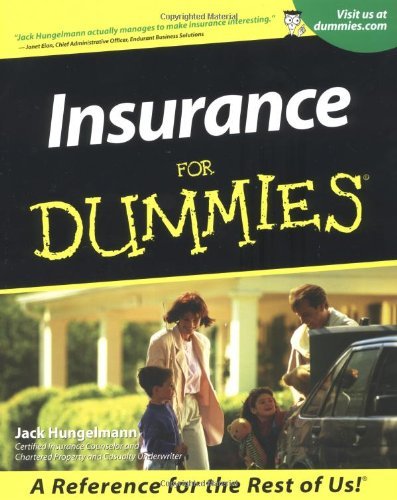
Insurance for Dummies: Hungelmann, Jack
<strong>Manage life, health, and disability risks</strong> ― explore individual and group policies, understand Medicare basics, and evaluate long-term disability and long-term-care insurance ...
Check Price on Amazon1) What does this policy actually cover?
Ask your agent to walk you through the core parts of a standard homeowners policy:
- Dwelling coverage (the structure of your home) — the amount the insurer will pay to repair or rebuild the house itself.
- Other structures (detached garage, fence, shed) — usually 10% of dwelling coverage by default.
- Personal property (your stuff) — furniture, clothes, electronics.
- Loss of use/additional living expenses (ALE) — hotel, meals, and temporary housing if a covered loss makes your home unlivable.
- Personal liability — if you’re legally responsible for injuries or property damage to others.
- Medical payments to others — small, no‑fault coverage for guest injuries.
For a deeper dive into these parts, see our explainer: What Does Home Insurance Cover?
2) Is personal property covered at replacement cost or actual cash value?
- Replacement cost (RCV) pays what it costs today to replace an item with a new one of similar kind and quality.
- Actual cash value (ACV) subtracts depreciation (wear and tear), so payouts are lower.
Ask: “Is my personal property covered at RCV or ACV? Can I upgrade to RCV, and what does it cost?”
Example: If your five‑year‑old TV costs $1,200 new today, ACV might pay $400–$600 depending on depreciation, while RCV would aim to cover the full replacement cost after any deductible.
3) What are the common exclusions I should know about?
Standard policies typically do not cover:
- Flood (rising water from outside)
- Earthquake or earth movement
- Sewer or sump pump backup
- Wear and tear, maintenance issues (like mold from long‑term leaks)
- Power surge to electronics unless endorsed
Ask: “Which perils (causes of loss) are excluded, and which can be added back by endorsement (an add‑on to expand coverage)?”
4) Do I need separate policies for flood or earthquake? What about sewer backup?
- Flood: Usually requires a separate policy through the National Flood Insurance Program (NFIP) or a private flood insurer. Even homes outside high‑risk zones can flood.
- Earthquake: Typically a separate policy or state‑specific program in quake‑prone areas.
- Sewer/sump backup: Often available as a water backup endorsement you add to your homeowners policy.
Ask: “What’s the cost and limit for a water backup endorsement? Do you offer private flood options, and what waiting periods apply?”
5) Are there special sublimits on valuables?
Most policies cap certain categories (e.g., jewelry, watches, firearms, silverware) at low sublimits, often $1,000–$2,500 for theft.
Ask: “What are the sublimits, and can I schedule items?” Scheduling means listing specific high‑value items (like a $7,000 engagement ring) with appraisals so they’re covered to full value, often with broader causes of loss and no deductible.
Coverage Limits, Deductibles, and Endorsements: The Must‑Ask Questions
6) How did you calculate my dwelling coverage limit? Is it enough to rebuild?
Your dwelling limit should reflect local rebuilding costs (materials, labor, code upgrades), not your home’s market price. Insurers estimate with a replacement cost calculator, but inputs can be off.
Ask: “What cost per square foot and features did you use (roof type, custom finishes, finished basement)? Can we review and adjust?”
Tip: Consider extended replacement cost or guaranteed replacement cost endorsements, which typically add 10%–50%+ cushion above your dwelling limit if rebuilding runs higher than expected. Availability varies by insurer and state.
7) What deductible options do I have, and how do they affect price and claims?
Your deductible is what you pay out of pocket before insurance kicks in. Higher deductibles lower your premium but mean you shoulder more for small claims.
Ask: “Show me quotes for $1,000, $2,500, and $5,000 deductibles. What’s the premium difference?”
Also check for special deductibles:
- Wind/hail or hurricane/named storm deductibles: Often a percentage (1%–5%) of your dwelling limit. On a $400,000 home with a 2% hurricane deductible, you’d pay $8,000 before coverage applies to storm damage.
8) Which endorsements should I consider to close gaps?
Common helpful add‑ons (availability varies):
- Water backup (sump/sewer overflow)
- Ordinance or law (brings older homes up to current building code after a covered loss)
- Equipment breakdown (HVAC, appliances due to mechanical/electrical failure)
- Service line coverage (underground pipes/wires on your property)
- Replacement cost on personal property (if your base policy is ACV)
- Matching siding/roof endorsement (replaces undamaged materials so everything matches)
Ask: “Which endorsements are most used in my area, and what limits are typical?”
9) How should I set personal property and loss of use limits?
- Personal property is often 50%–70% of dwelling limit by default; you can increase it. Create a quick home inventory to estimate your needs.
- Loss of use covers temporary housing; some policies set a dollar limit, others a time limit (e.g., up to 12 or 24 months).
Ask: “Is my loss of use limit time‑based or dollar‑based, and is it enough for rentals in my city?”
Claims Process and Insurer Reliability: Questions to Ask Before You Need Them
10) What’s the exact process to file a claim, and what documentation will you need?
Typical steps:
- Report promptly online, via app, or by phone.
- Protect the property from further damage (keep receipts for emergency repairs).
- Provide photos/videos, a list of damaged items, and receipts or appraisals if scheduled.
- Meet with an adjuster (the insurer’s claims professional who evaluates loss and coverage).
Ask: “What are your average timelines for first contact, inspection, and payment?” Many insurers target first contact within 24–48 hours and initial payment within a couple of weeks for straightforward claims, but it varies.
11) How do you settle dwelling and personal property claims—ACV first, then RCV?
Many carriers pay ACV up front and release the recoverable depreciation (the depreciation portion) after you show proof of repair or replacement.
Ask: “Do you require receipts to recover depreciation? How long do I have to complete repairs?”
12) What is your claims reputation in my area?
Ask for data and third‑party ratings. You can also check state insurance department complaint ratios and consumer reviews. Look for patterns on responsiveness, fair settlements, and contractor networks.
13) How will a claim affect my future rates and eligibility?
Insurers use your claims history and may access a CLUE report (Comprehensive Loss Underwriting Exchange, a database of property insurance claims). Even small claims can raise premiums or impact eligibility for a few years.
Ask: “How do you typically treat water damage or wind claims? When do surcharges drop off?”
Pro tip: If the repair cost is close to your deductible, it may not be worth filing. Discuss with your agent before opening a claim—just be mindful that even inquiries can sometimes be recorded, depending on the insurer.
Cost Drivers, Discounts, and Risk Mitigation: What to Ask When Comparing Quotes
14) What’s driving my premium, and how can I lower it without gutting coverage?
Key factors include:
- Location (weather risk, crime, fire protection class)
- Home characteristics (roof age/material, plumbing/electrical updates, square footage)
- Coverage amounts and deductibles
- Claims history and credit‑based insurance score (where allowed)
- Breed or presence of certain dogs, trampoline, pool fencing
Ask: “Which 2–3 changes would reduce my rate the most: roof upgrade, higher deductible, water shutoff device, alarm system?”
For typical ranges by state and how rates vary, see: How Much Is Homeowners Insurance?
15) Which discounts am I eligible for—and what proof do you need?
Common discounts (availability varies):
- Bundle home + auto (often 10%–25% combined savings)
- Security system or monitored smoke/CO alarms
- Water leak sensors/automatic shutoff
- New roof or impact‑resistant roofing
- Gated community, HOAs with risk controls
- Claims‑free or loyalty discounts
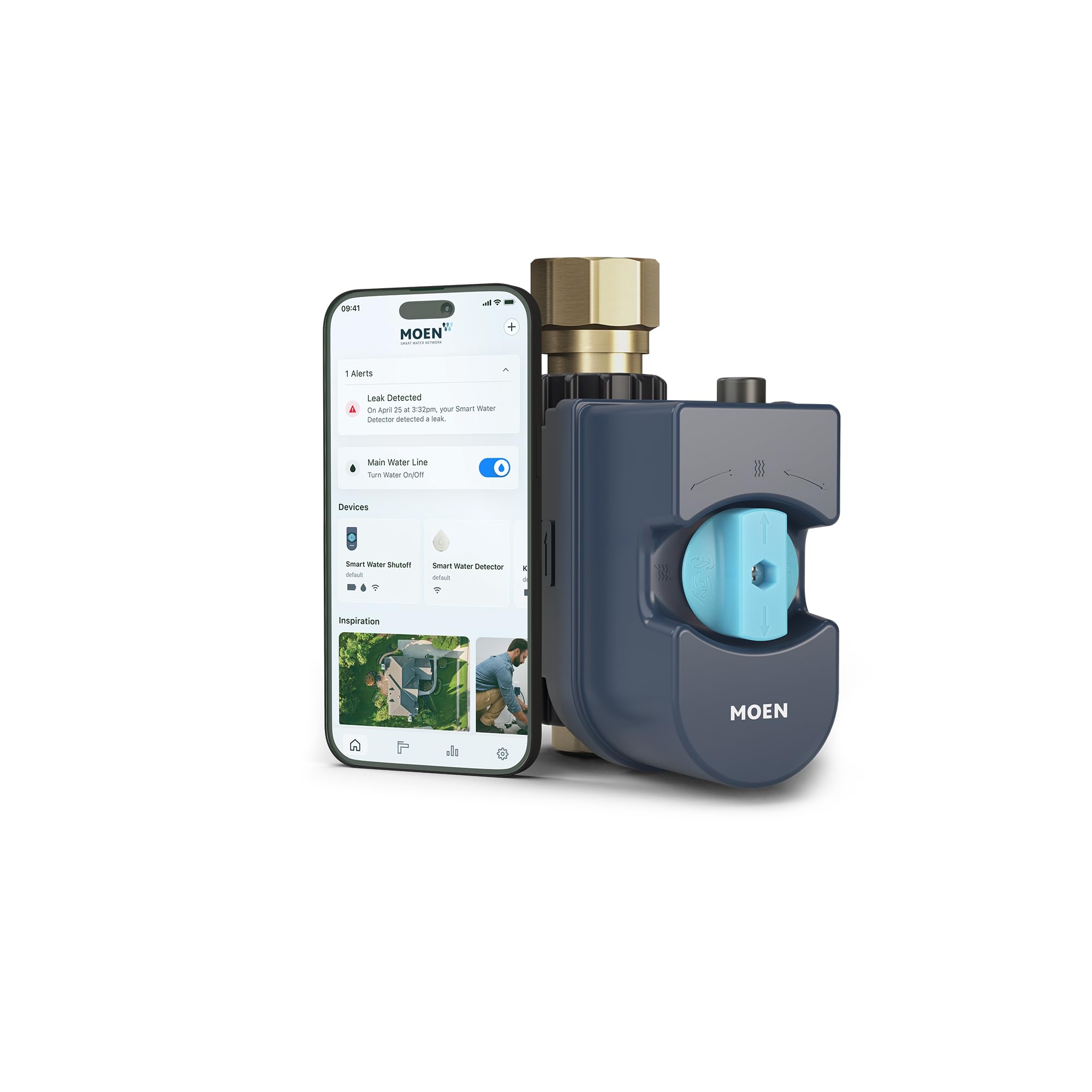
Moen Flo Smart Water Monitor and Automatic Shutoff Sensor, Wi-Fi Water Leak Detector for 3/4-Inch Diameter Pipe, 900-001 - Tub And Shower Faucets - Amazon.com
Moen Flo Smart Water Monitor and Automatic Shutoff Sensor, <strong>Wi-Fi Water Leak Detector for 3/4-Inch Diameter Pipe</strong>, 900-001 - Tub And Shower Faucets - Amazon.com
Check Price on AmazonAsk: “What documentation unlocks each discount—photos, certificates, invoices?”
16) Can you provide quotes from multiple carriers with the same settings?
Comparing true apples to apples matters. Request identical limits, deductibles, and endorsements across all quotes. If you can, review sample policy forms.
Ask: “Show me side‑by‑side comparisons and any material differences (named storm deductible, ACV vs. RCV roof coverage, sublimits).”
CTA: The fastest way to see what you would actually pay is to compare quotes from 3–5 carriers. Use our guide to shop smart and avoid common pitfalls: How to Find the Cheapest Homeowners Insurance (Get Quotes & Save)
Liability and Additional Protection: Key Questions to Ask
17) Are my liability limits high enough?
Personal liability covers you if you’re legally responsible for injuries or property damage to others. Limits typically start at $100,000 but many homeowners choose $300,000–$500,000.
Ask: “Given my assets and risk profile (kids, dog, pool), what liability limit do you recommend?”
18) Do I need an umbrella policy?
An umbrella policy adds extra liability coverage (often $1–$5 million) above your home and auto limits.
Ask: “What would $1 million in umbrella coverage cost, and what underlying limits do you require on home/auto?” In many cases, umbrella policies are relatively affordable, but costs vary by state and risk factors.
19) How are short‑term rentals or a home‑based business handled?
- Short‑term rentals (Airbnb/VRBO): Standard policies may exclude them or require a specific endorsement; some insurers offer dedicated home‑sharing coverage.
- Home‑based businesses: Business property and liability are usually limited or excluded. You may need a business endorsement or a separate policy.
Ask: “If I host guests occasionally, what endorsement or policy do I need? What’s required if I store inventory or see clients at home?”
20) What steps should I take now to document my belongings?
Good documentation speeds claims and maximizes payouts.
- Create a home inventory: room‑by‑room photos or video.
- Keep receipts, appraisals, and serial numbers for high‑value items.
- Back up records in the cloud or a safe deposit box.
- Update annually and after big purchases or renovations.
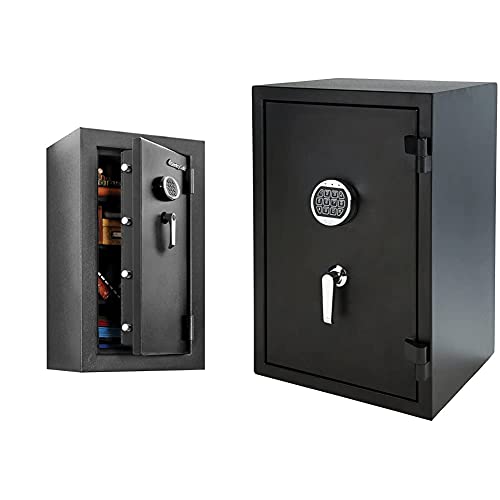
SentrySafe Waterproof and Fireproof Alloy Steel Digital Safe Box for Home with Code Button Keypad, 1.23 Cubic Feet, 17.8 x 16.3 x 19.3 Inches (exterior), SFW123GDC - Gun Safes And Cabinets - Amazon.com
View on AmazonAsk: “Does your app support inventories or digital receipts, and do you accept third‑party inventory apps?”
What to Look For When You Compare Quotes (A Quick Checklist)
Use this checklist alongside your discussions with agents and carriers:
- Coverage form: Is it “special”/open‑perils on the dwelling and broad on personal property? Any ACV restrictions on the roof?
- Dwelling limit: Based on a recent rebuild cost estimate; consider extended/guaranteed replacement cost.
- Personal property: RCV vs. ACV; adequate limit; scheduled items listed.
- Loss of use: Sufficient for rent in your area; time vs. dollar limit clear.
- Deductibles: Standard all‑peril amount and any separate wind/hail/hurricane percentage deductibles.
- Key endorsements: Water backup, ordinance or law, service line, equipment breakdown, matching siding/roof.
- Exclusions/perils: Flood, earthquake, and how to add what you need.
- Liability: Aim for at least $300,000–$500,000 in many cases; consider umbrella.
- Claims process: Timelines, ACV then RCV steps, preferred contractors or your choice.
- Discounts: Bundle, security, mitigation devices, new roof—confirm documentation.
If you want the full homeowners roadmap, bookmark: Homeowners Insurance: A Complete Guide to Coverage, Costs & Quotes
Real‑World Scenarios to Ground This
Roof claim, ACV vs. RCV: A hailstorm damages a 15‑year‑old roof on a home insured for $400,000 with a 2% wind/hail deductible ($8,000). If the insurer covers roofs at ACV, the depreciation on a 15‑year roof could cut thousands off your payout. With RCV, you’d first receive ACV and recover depreciation after replacement, still owing your deductible.
Water backup vs. flood: A heavy rain overwhelms sewers and backs up through your basement drain—that’s typically water backup (needs an endorsement). If surface water rises and enters through doors or foundation, that’s flood and requires separate flood insurance.
Underinsurance surprise: A 2,000‑sq‑ft home was insured using a $175/sq‑ft rebuild estimate, but local costs rose to $225. That’s a $100,000 gap. Extended replacement cost at +25% would have provided extra cushion.
Liability blind spot: You add a backyard trampoline and start hosting your kids’ friends. Your insurer requires a safety net enclosure and may surcharge or exclude trampoline liability. A higher liability limit or umbrella can better protect against severe injury claims.
A note on getting help
A licensed agent can help you right‑size limits, pick endorsements that matter for your home and region, and explain how each carrier handles claims. Independent agents can shop multiple insurers at once, which is often the fastest way to find strong coverage at a competitive price.
Ready for next steps?
- Get apples‑to‑apples quotes from 3–5 carriers with the same limits, deductibles, and endorsements.
- Ask the 20 must‑ask questions in this FAQ and keep a record of answers.
- Verify discounts and provide documentation to lock them in.
If you’re starting from scratch, our shopping playbook helps you compare like a pro: How to Find the Cheapest Homeowners Insurance (Get Quotes & Save). For a broader overview of policy types and options, see: Home Insurance Guide 2026 — Compare Quotes, Coverage & Costs
—
One last thing: If you’ve already got a quote and something feels “off,” trust that instinct. Ask the carrier to explain, in writing, any ACV limitations, special deductibles, or exclusions. Clear answers now can save you headaches later.
Recommended Resources
Insurance for Dummies: Hungelmann, Jack
<strong>Manage life, health, and disability risks</strong> ― explore individual and group policies, understand Medicare basics, and evaluate long-term disability and long-term-care insurance ...
Moen Flo Smart Water Monitor and Automatic Shutoff Sensor, Wi-Fi Water Leak Detector for 3/4-Inch Diameter Pipe, 900-001 - Tub And Shower Faucets - Amazon.com
Moen Flo Smart Water Monitor and Automatic Shutoff Sensor, <strong>Wi-Fi Water Leak Detector for 3/4-Inch Diameter Pipe</strong>, 900-001 - Tub And Shower Faucets - Amazon.com
SentrySafe Waterproof and Fireproof Alloy Steel Digital Safe Box for Home with Code Button Keypad, 1.23 Cubic Feet, 17.8 x 16.3 x 19.3 Inches (exterior), SFW123GDC - Gun Safes And Cabinets - Amazon.com
<strong>SentrySafe Medium Gray Fireproof Safe and Waterproof Safe Box with Dial Combination, Home Security for Money, Documents, or other Valuables</strong>, 1.23 Cubic Feet, SFW123DSB
Related Articles
- Mortgage vs Home Insurance — What Every Homebuyer Needs to Know
- Best Home Insurance 2026: Top Picks, How to Choose & Get Quotes
- How to Find the Cheapest Homeowners Insurance (Get Quotes & Save)
- Frequently Asked Insurance Questions: Key Answers Consumers Need
- Homeowners Insurance: A Complete Guide to Coverage, Costs & Quotes
- Home Insurance vs Renters Insurance: Key Differences, Real-World Examples, and Which One You Need
- Best Home Insurance for New Homeowners: Top Picks, Costs, and What to Look For
- Home Insurance in Pennsylvania: Coverage, Costs & Best Companies