
Health Insurance in New Hampshire: Plans, Costs & How to Enroll
You’re shopping for health insurance in New Hampshire and the options feel endless. Which plans actually cover your doctors? What will you really pay after subsidies? Here’s what actually matters so you can pick confidently and avoid common pitfalls.
Health insurance in New Hampshire: your options
New Hampshire residents get coverage from a few main places. Each works a little differently and has its own tradeoffs.
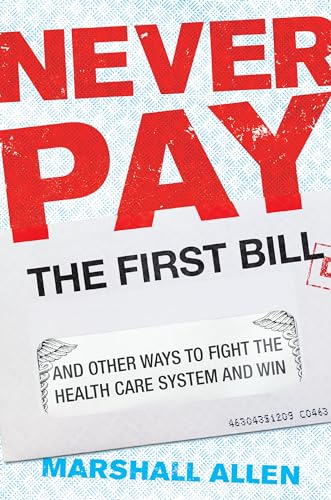
Never Pay the First Bill: And Other Ways to Fight the Health Care System and Win: Allen, Marshall
Drawing on 15 years of investigating the health care industry, reporter Marshall Allen <strong>shows how companies and individuals have managed to force medical providers to play fair, and shows how y
Check Price on Amazon1) Marketplace plans (ACA plans on HealthCare.gov)
These are Affordable Care Act–compliant individual and family plans you shop for on HealthCare.gov. They must cover essential health benefits like hospital care, prescriptions, mental health, maternity, and preventive services. Many people qualify for subsidies that lower the monthly premium and out-of-pocket costs.
- Premium tax credits (APTC): A discount that lowers your premium based on your household size and income. It’s tied to the “benchmark” Silver plan price in your area.
- Cost-sharing reductions (CSR): Extra help that lowers your deductible (the amount you pay before insurance starts covering most costs), copays (fixed dollar amounts you pay at the point of care), and out-of-pocket maximum (the most you’d pay in a year before the plan pays 100%). CSRs apply only if you pick a Silver plan and your income qualifies.
New Hampshire uses the federal marketplace (HealthCare.gov), not a separate state website.
2) Employer-sponsored coverage
If you have access to a plan through work, this is often the most affordable route because the employer typically pays part of your premium. You generally can’t get marketplace subsidies if your job-based offer is considered “affordable” under IRS rules, even if you decline it. A new “family glitch” fix means dependents may be eligible for subsidies if the family premium at work is unaffordable.
3) Medicaid (Granite Advantage) and CHIP
New Hampshire has expanded Medicaid to cover more adults. The expansion program is called Granite Advantage. Medicaid covers adults with lower incomes, pregnant people, children (through Medicaid or the Children’s Health Insurance Program, often called CHIP), seniors, and people with disabilities—each group has different rules. There are no monthly premiums for most Medicaid enrollees, and costs for visits and prescriptions are typically very low.
- Income threshold for Medicaid expansion adults: up to 138% of the federal poverty level (FPL). That’s the ACA standard used by most expansion states.
- Children and pregnant people can often qualify at higher income levels than adults. Exact cutoffs change periodically—check current limits before applying.
You can apply for Medicaid directly with New Hampshire Department of Health and Human Services (DHHS) or via HealthCare.gov.
4) Private “off-exchange” plans
These are ACA-compliant plans you buy directly from an insurer or a broker instead of through HealthCare.gov. Benefits and protections match marketplace plans, but you cannot use subsidies off-exchange. If you qualify for financial help, shop on HealthCare.gov so you don’t leave money on the table.
5) Short-term medical plans (use with caution)
Short-term plans are stopgaps that generally last a few months. They are not ACA-compliant, which means they can exclude preexisting conditions, cap benefits, skip essential services (like maternity or mental health), and deny claims more readily. They can make sense for brief gaps, but read the fine print closely and treat them as temporary, last-resort coverage.
6) Medicare (if you’re 65+ or have certain disabilities)
If you’re eligible for Medicare, you’ll compare Original Medicare with a Medigap supplement and Part D, or a Medicare Advantage plan. That’s a different decision tree than ACA/marketplace coverage. If you’re not sure which lane you’re in, a licensed agent can help you sort it out.
Average health insurance premiums in New Hampshire by plan type and age
Let’s set expectations. Before subsidies, monthly premiums in New Hampshire vary by:
- Metal level: Bronze, Silver, and Gold refer to how costs are split between you and the plan. Bronze = lower premiums/higher out-of-pocket costs; Gold = higher premiums/lower out-of-pocket costs; Silver is the middle and the only tier that unlocks cost-sharing reductions.
- Age: Older adults (up to age 64) can be charged up to 3x what a 21-year-old pays. A 60-year-old often pays roughly double a 40-year-old’s base rate.
- Tobacco use: Plans can add a tobacco surcharge (up to 50% in many cases).
- Where you live: New Hampshire has rating areas—premium levels can differ by county/region.
- Plan type and network: HMOs, EPOs, and PPOs price differently depending on network breadth and referral rules.
Here are ballpark, unsubsidized premium ranges we commonly see on HealthCare.gov in New Hampshire. Your actual quotes may be higher or lower based on your details and the plan you choose.
- Single 27-year-old:
- Bronze: typically around the low-to-mid $300s
- Silver: typically mid-$300s to low-$400s
- Gold: often mid-$400s to low-$500s
- Single 40-year-old:
- Bronze: often mid-$300s to mid-$400s
- Silver: roughly $450–$600
- Gold: roughly $550–$750
- Single 60-year-old:
- Bronze: commonly $600–$850
- Silver: roughly $800–$1,100
- Gold: can reach $1,000–$1,300+
- Family of four (40-year-old adults + two children):
- Bronze: often $900–$1,300
- Silver: roughly $1,200–$1,700
- Gold: roughly $1,500–$2,100
Important: These are illustrative pre-subsidy ranges gathered from recent plan years. Enhanced federal subsidies through 2025 mean many New Hampshire households pay far less than the sticker price—sometimes under $100/month for a Silver plan if income is modest.
Two quick examples (estimates, not quotes):
- A 35-year-old in Manchester earning about $35,000 may qualify for a premium tax credit that significantly lowers the Silver plan price. Depending on the exact benchmark plan in that ZIP code, net premiums can often land in the low hundreds—or less—per month.
- A family of three in Nashua with income around $60,000 might see several Silver options under $400–$600/month after subsidies, with cost-sharing reductions improving deductibles on certain Silver plans if they qualify.
The fastest way to see what you would actually pay is to compare quotes from 3–5 carriers side-by-side with your household details. One plan’s price can be hundreds lower than another for the same family.
New Hampshire Medicaid eligibility and enrollment
New Hampshire’s Granite Advantage program extends Medicaid to more low-income adults. Here’s how to think about eligibility and the process.
- Adults 19–64: Generally eligible up to 138% of the federal poverty level (FPL). Medicaid has no monthly premium for most enrollees and very low copays.
- Children (Medicaid/CHIP): Kids can qualify at higher income levels than adults. If your income is above the adult limit, still check for your children—they may be eligible for low- or no-cost coverage through CHIP.
- Pregnant people: Often qualify at higher FPL thresholds than other adults. Prenatal care and delivery are covered.
- People with disabilities and seniors: Have different eligibility rules that may include resource tests; some may move between Medicaid and Medicare with help from Medicaid for premiums and cost-sharing.
How to apply:
- Online or by phone with NH DHHS, or start at HealthCare.gov. If your application points to Medicaid eligibility, it’s routed to the state.
- Submit proof of identity, income (pay stubs or self-employment records), and residency. Keep copies of everything you upload or mail.
- Coverage start: If approved, Medicaid often starts the first day of the month you applied, or sometimes retroactively to cover recent bills—ask about retroactive eligibility if you had recent medical costs.
Renewals are back: States, including New Hampshire, are doing annual Medicaid renewals again. If you get a renewal packet, respond by the deadline. If you’re no longer eligible, you’ll typically qualify for a Special Enrollment Period on HealthCare.gov to pick an ACA plan, often with significant subsidies.
New Hampshire health insurance marketplace: open enrollment and special periods
Because New Hampshire uses HealthCare.gov, standard federal timelines apply.

Smead Poly Frequency Expandable File Folders Letter Size, 12 Pockets, Flap & Cord Closure, Blue/Black (70863) : Expanding File Jackets And Pockets
View on Amazon- Open Enrollment Period (OEP): Typically November 1 to January 15.
- Enroll by Dec 15 for coverage starting Jan 1.
- Enroll Dec 16–Jan 15 for coverage starting Feb 1.
- Special Enrollment Periods (SEPs): A 60-day window to enroll mid-year if you have a qualifying life event (QLE). Common QLEs include:
- Loss of other coverage (aging off a parent’s plan at 26, COBRA ending, job loss, or losing Medicaid/CHIP)
- Marriage or divorce
- Birth, adoption, or placement in foster care (baby covered from date of birth)
- Permanent move to New Hampshire (with prior coverage)
- Gaining eligible immigration status
- Errors or exceptional circumstances determined by the marketplace
- Low-income SEP: In most years, if your income is up to 150% FPL and you qualify for premium tax credits, you can enroll in a marketplace plan any time of year on HealthCare.gov. Availability and rules can change, so check current guidance.
What to have ready when you apply:
- Social Security numbers or document numbers for non-citizens
- Employer and income information for everyone in your household
- Details on current coverage (if any)
- A list of your doctors and prescriptions to compare networks and drug formularies (the plan’s covered drug list)
How to compare and choose the best health plan in New Hampshire
Here’s a practical checklist that keeps you focused on what actually moves the needle.
What to look for
- Your doctors and hospitals in-network: Networks are the group of providers a plan contracts with. Out-of-network care can be very expensive or not covered at all on HMOs and EPOs. If you live near the Massachusetts or Maine border, check whether the plan includes the out-of-state specialists or facilities you use.
- Total cost of care, not just the premium: Add up premium, deductible (what you pay before the plan pays most claims), copays/coinsurance (your share at the time of care), and the out-of-pocket maximum (your yearly cap before the plan pays 100%).
- Prescription drug coverage: Confirm your meds are on the formulary (the plan’s covered drug list) and check the tier and copay vs. coinsurance.
- Plan type and referrals: HMOs usually require primary care referrals to see specialists; PPOs are more flexible but often cost more. EPOs sit in the middle—no referrals but limited out-of-network coverage.
- Cost-sharing reductions (if eligible): If your income qualifies, a Silver plan with CSR can slash your deductible and out-of-pocket costs. Don’t miss this—many shoppers do.
- HSA-eligible options: High-deductible health plans (HDHPs) paired with a Health Savings Account let you save pre-tax dollars for medical expenses. Make sure the plan is labeled HSA-eligible if that’s your strategy.
- Prior authorization rules: Some services require pre-approval. Look for clear, reasonable policies if you expect upcoming procedures.
- Customer service and digital tools: Portals, telehealth, care navigation, and in-language support are worth factoring in.
Real-world scenarios
- Self-employed in Nashua, age 35, no ongoing conditions: If you rarely see a doctor, a Bronze plan with a lower premium can make sense—just budget for a higher deductible if something big happens.
- Family in Concord with two kids on maintenance meds: Compare Silver plans’ drug tiers and pediatric benefits. The right Silver plan with CSR (if income qualifies) can lower pediatric visit copays and pharmacy costs meaningfully.
- 62-year-old early retiree in Portsmouth who sees specialists in Boston: Network reach matters. A broader-network Silver or Gold plan—even at a higher premium—can be the smarter pick if it includes your out-of-state providers and lowers specialist visit costs.
Smart comparison steps
- Make a list of your must-keep doctors, facilities, and prescriptions.
- Filter plans by network first—eliminate any that don’t include your providers.
- Estimate total annual cost: premium x 12 + likely copays + a portion of the deductible if you expect care.
- If your income may qualify for CSR, start with Silver plans—compare the CSR 73/87/94 variations.
- If you have healthy savings and want tax advantages, include at least one HSA-eligible HDHP in your comparison.
- Review plan documents for exclusions and prior authorization rules—don’t rely on marketing summaries alone.
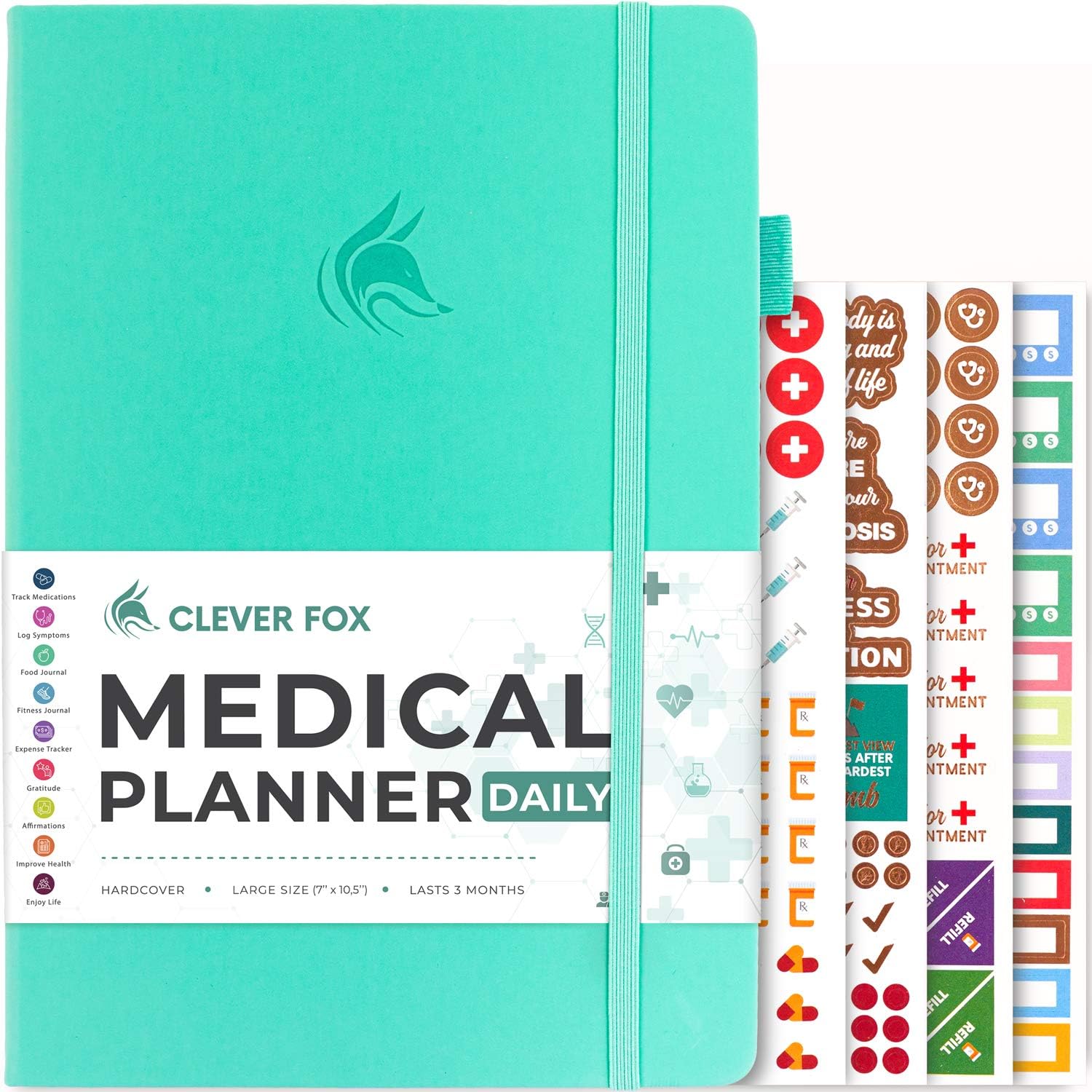
Clever Fox Medical Planner Daily – Health Diary Notebook, Wellness Journal & Self-Care Logbook, Lasts 3 Months, 7x10.5″ (Light Pink)
AN EASY WAY TO MONITOR YOUR HEALTH: Clever Fox Daily Medical Planner is <strong>an easy-to-use daily medical notebook</strong>, helpful for anyone dealing with a chronic condition or caring for sick,
Check Price on AmazonCall to action: The fastest way to see your true cost is to run your details through multiple carriers. Get side-by-side quotes from 3–5 insurers so you can compare networks, premiums, and out-of-pocket costs on equal footing.
Note: A licensed agent or navigator can help you compare plans at no cost to you. They’re paid by the insurer or funded by grants, not by adding fees to your premium.
New Hampshire-specific subsidies and financial assistance
- Premium tax credits (APTC): Based on your Modified Adjusted Gross Income (MAGI—essentially your taxable income plus a few additions) and household size. Thanks to federal law changes, enhanced subsidies are currently available through 2025, keeping many premiums lower than in past years.
- Cost-sharing reductions (CSR): If your income qualifies and you choose a Silver plan, you’ll see a lower deductible, lower copays, and a lower out-of-pocket maximum. CSR levels are commonly labeled 73, 87, or 94—higher numbers mean richer reductions.
- Medicaid and CHIP: If your income is too low for marketplace subsidies or fluctuates during the year, check eligibility for Medicaid (Granite Advantage) and CHIP for children. You can apply any time of year.
- New Hampshire state subsidies: New Hampshire does not currently offer additional state-funded premium subsidies beyond the federal programs. Most financial help comes from APTC/CSR and Medicaid/CHIP.
- Provider financial assistance: Some hospitals and community health centers offer financial assistance or sliding-scale programs for certain services. Ask your provider’s billing office.
If your income is under about 150% FPL and you qualify for APTC, you may have a year-round Special Enrollment Period on HealthCare.gov to sign up for a marketplace plan—helpful if your situation changes outside Open Enrollment.
FAQ: common questions about New Hampshire health insurance
What’s the penalty if I don’t have coverage in New Hampshire?
- There’s no federal penalty anymore, and New Hampshire does not have its own individual mandate at this time. A few states do, but not NH. That said, going uninsured is risky—one ER bill can cost more than a year of premiums.
Can I keep my doctor?
- Usually yes—if they’re in-network. Always check a plan’s provider directory and call your doctor’s office to confirm. If you see specialists in Massachusetts or Maine, verify cross-border network access.
When does my coverage start?
- During Open Enrollment, enroll by Dec 15 for a Jan 1 start; enroll Dec 16–Jan 15 for Feb 1. During a Special Enrollment Period, it’s typically the first of the month after you enroll, though certain events (like birth) have different rules.
Are maternity and mental health covered?
- Yes, ACA-compliant plans cover maternity and newborn care and mental health/substance use services. Specific provider networks, prior authorization rules, and therapy visit copays vary by plan—check details.
Do marketplace plans include dental and vision?
- Pediatric dental and vision are part of essential health benefits. Adult dental and vision are not required; some plans include limited adult coverage, or you can buy standalone policies.
Are catastrophic plans available in New Hampshire?
- Yes—for people under 30 or those with a hardship/affordability exemption. They have low premiums but very high deductibles and are not eligible for CSR. If you qualify for subsidies, a Bronze or Silver plan often provides better value.
What if I’m moving to or from a nearby state?
- Moving can trigger a Special Enrollment Period, but you’ll need to pick a plan in your new state. If you’re relocating to or from Massachusetts or Maine, it can help to review our state guides before you move:
- Health Insurance in Massachusetts: Plans, Costs & How to Enroll (/health-insurance/health-insurance-in-massachusetts-plans-costs-how-to-enroll)
- Health Insurance in Maine: Plans, Costs & How to Enroll (/health-insurance/health-insurance-in-maine-plans-costs-how-to-enroll)
How does income affect subsidies?
- Subsidies are based on your household’s MAGI (Modified Adjusted Gross Income). That includes wages, self-employment income, unemployment, Social Security (non-SSI), and other taxable income. If your income changes mid-year, update your application—you might qualify for more help or avoid owing back part of your credit at tax time.
Are short-term plans a good idea?
- They can bridge very short gaps, but they usually exclude preexisting conditions, limit benefits, and can deny claims more easily. They are not minimum essential coverage and don’t qualify for subsidies. Use with caution.
Helpful tip: If you’re also reviewing your broader insurance, you can find local guidance on other lines here:
- Auto Insurance in New Hampshire: Rates, Requirements & How to Save (/auto-insurance/auto-insurance-in-new-hampshire-rates-requirements-save)
- Home Insurance in New Hampshire: Coverage, Costs & Best Companies (/home-insurance/home-insurance-in-new-hampshire-coverage-costs-best-companies)
Your next step
If you’re ready to see your real numbers, compare quotes from 3–5 carriers with your doctors and prescriptions in mind. It’s the fastest way to spot the best value in your corner of New Hampshire. If you want help, a licensed agent or navigator can walk you through options at no extra cost to you.
We’re here to help you cut through the noise, understand your subsidies, and pick coverage that fits the way you actually use care. Rates and eligibility always vary by individual circumstances and can change during the year—so when in doubt, get a personalized quote and review your options before you enroll.
Recommended Resources
Never Pay the First Bill: And Other Ways to Fight the Health Care System and Win: Allen, Marshall
Drawing on 15 years of investigating the health care industry, reporter Marshall Allen <strong>shows how companies and individuals have managed to force medical providers to play fair, and shows how y
Clever Fox Medical Planner Daily – Health Diary Notebook, Wellness Journal & Self-Care Logbook, Lasts 3 Months, 7x10.5″ (Light Pink)
AN EASY WAY TO MONITOR YOUR HEALTH: Clever Fox Daily Medical Planner is <strong>an easy-to-use daily medical notebook</strong>, helpful for anyone dealing with a chronic condition or caring for sick,
Smead Poly Frequency Expandable File Folders Letter Size, 12 Pockets, Flap & Cord Closure, Blue/Black (70863) : Expanding File Jackets And Pockets
<strong>Smead Poly Frequency Expandable File Folders Letter Size, 12 Pockets, Flap & Cord Closure, Red/Black (70866)717</strong> ... Expanding File Folder, 13 Pockets Accordion File Organizer, A4
Related Articles
- Health Insurance in New Mexico: Plans, Costs & How to Enroll
- Health Insurance in Massachusetts: Plans, Costs & How to Enroll
- Health Insurance in New Jersey: Plans, Costs & How to Enroll
- Health Insurance in Maine: Plans, Costs & How to Enroll
- Home Insurance in New Hampshire: Coverage, Costs & Best Companies
- Health Insurance in New York: Plans, Costs & How to Enroll
- Health Insurance in Vermont: Plans, Costs & How to Enroll
- Health Insurance in North Carolina: Plans, Costs & How to Enroll