
Home Insurance in Hawaii: Coverage, Costs & Best Companies
You’re shopping for home insurance in Hawaii and wondering: what’s actually covered here, how much does it cost on my island, and do I need separate hurricane or lava coverage? You’re not alone. Hawaii has some unique risks—and a few market quirks—so getting clear on the basics will help you buy the right protection without overpaying.
This guide breaks down what home insurance in Hawaii typically covers, how rates vary by island and lava zone, which add-ons matter, how to compare quotes, and what to do if you ever need to file a claim.
Hawaii homeowners insurance requirements and typical coverage
There’s no state law requiring homeowners insurance in Hawaii. But if you have a mortgage, your lender will require it (and in coastal or flood-prone areas, they may also require flood insurance). Even if your home is paid off, carrying coverage protects your finances from big, unexpected losses.
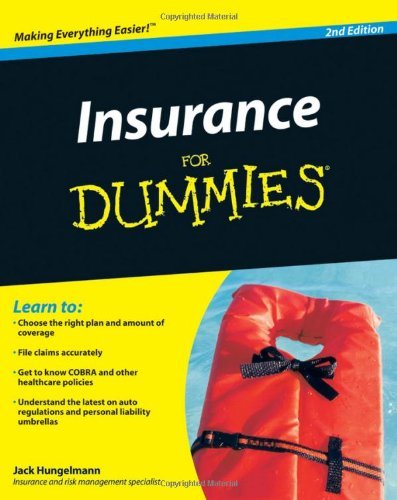
Insurance For Dummies?: Hungelmann, Jack
Whether you’re a homeowner or ... need on: ... Author Jack Hungelmann <strong>uses his twenty-five years of experience in the insurance industry to make buying insurance as simple as possible</strong>
Check Price on AmazonHere’s what a standard homeowners policy (often called HO-3) generally includes. If you want a deeper national overview, see our explainer on What Does Home Insurance Cover?.
- Dwelling coverage (Coverage A): Pays to repair or rebuild the structure of your home for covered causes of loss like fire or wind. Aim for the replacement cost of your home (what it costs to rebuild today), not the real estate market price.
- Other structures (Coverage B): Pays for things like fences, detached garages, and sheds—usually 10% of your dwelling limit by default.
- Personal property (Coverage C): Covers your belongings. You’ll choose replacement cost (pays to replace with new items) or actual cash value (pays depreciated value). Replacement cost is typically worth the upgrade.
- Loss of use (Coverage D), also called additional living expense (ALE): Pays for temporary housing and extra living costs if a covered claim makes your home uninhabitable.
- Personal liability (Coverage E): Protects you if someone is injured or you accidentally cause property damage and are held legally responsible. Typical limits start at $100,000; many homeowners choose $300,000–$500,000.
- Medical payments to others (Coverage F): Small, no-fault coverage (often $1,000–$5,000) for minor injuries that happen on your property.
- Deductible: The amount you pay out of pocket on a claim before insurance pays. Most policies have an “all-peril” deductible (often a flat dollar amount, like $1,000). In Hawaii, you’ll also commonly see a separate hurricane deductible (explained below) that is a percentage of your dwelling limit (often 2–5%, but it can be higher).
A few Hawaii-specific notes:
- Hurricane or wind coverage: Many Hawaii policies include wind but apply a separate hurricane deductible when a named storm triggers it. Some insurers offer hurricane as an endorsement or even a separate policy. Always confirm whether “wind” from non-hurricane events (trade winds, winter storms) uses your regular deductible or a special wind/hail deductible.
- Flood is excluded: Home insurance never covers flood (rising water, storm surge). You’ll need separate flood insurance through FEMA’s NFIP or a private flood carrier. There’s typically a 30-day waiting period unless it’s required at closing.
- Earth movement is excluded: Earthquake, landslide, and lava flow are considered “earth movement” and are typically excluded. You can usually buy a separate earthquake policy. In some high-lava-risk areas, private coverage is limited; the Hawaii Property Insurance Association (HPIA) may be an option of last resort with more basic (and often more expensive) coverage.
- Volcanic eruption: Ash fall or airborne shock waves from a volcanic eruption may be covered, but lava flow itself usually is not. Fire resulting from volcanic activity can be covered—policy wording matters, so ask your agent to walk through examples.
If you want a broader foundation before diving into Hawaii specifics, our national primer can help: Homeowners Insurance: A Complete Guide to Coverage, Costs & Quotes.
Average home insurance costs in Hawaii by home value and location
Rates vary widely in Hawaii based on island, proximity to the coast, roof type and age, construction materials, and whether you’re in or near Lava Zones 1–2 on Hawai‘i Island. Your deductible choices and whether you add a separate hurricane endorsement or policy also move the price.
Typical market observations (for illustration only—your quotes will vary):
- O‘ahu, single-family home built 1995, $400,000 dwelling limit, $1,000 all-peril deductible, 2% hurricane deductible: Base homeowners premium might fall roughly in the $700–$1,300 range per year, with hurricane coverage adding $300–$800. Combined, you could see $1,000–$2,100 annually.
- Maui, $750,000 dwelling near the coast, impact-resistant roof, wind mitigation features: It’s common to see higher base and hurricane components given higher rebuild costs and coastal exposure—think $1,400–$3,000 total, depending on features and deductibles.
- Hawai‘i Island (Big Island), Lava Zone 3–4, $350,000 dwelling, older roof: Private options may still be available, but pricing can climb. You might see $1,200–$2,500 total, with a higher percentage hurricane deductible.
- Hawai‘i Island, Lava Zone 1–2: Private options can be scarce; homeowners sometimes turn to HPIA or surplus lines carriers. Expect more limited coverage choices and higher premiums. Lenders may require higher deductibles or additional policies.
A quick way to get oriented: if your base home premium seems low but the hurricane portion is substantial, that’s not unusual here. Insurers price windstorm and hurricane risk separately, often with a percentage hurricane deductible that can materially impact what you’d pay out of pocket after a big storm.
Hawaii-specific risks: natural disasters, weather, and regional factors
Hawaii’s beautiful setting comes with exposures that insurers price carefully. Here’s how they show up in real policies and claims:
- Hurricanes and tropical storms: When a hurricane watch or warning is issued and losses occur within a set time window (the exact trigger varies by insurer), the hurricane deductible applies. It’s a percentage of your dwelling coverage—say 2–5% of $500,000 = $10,000–$25,000 out of pocket per claim. This is separate from your regular deductible.
- Wind-driven rain: Policies often require wind to damage the home first (for example, creating an opening) before rain damage is covered. Some carriers add a wind/hail deductible distinct from the hurricane deductible. Ask your agent to explain how your policy treats wind-driven rain.
- Volcanic activity: Damage from ash fall or volcanic blast shock waves may be covered, but lava inundation and earth movement are generally excluded. In high-risk lava zones, HPIA may provide last-resort coverage when private insurers won’t.
- Flooding and storm surge: Not covered by home insurance. Separate flood coverage is essential in many coastal, river, or heavy rainfall areas. Many lenders require it in high-risk FEMA flood zones.
- Earthquakes and landslides: Typically excluded in standard policies. A stand-alone earthquake policy or difference-in-conditions policy can fill the gap.
- Roof condition and construction type: Hip roofs, hurricane clips/straps, and impact-resistant materials can earn credits. Older or poorly maintained roofs drive rates up or even block eligibility.
- Termites and humidity-related damage: Termite damage and long-term moisture/mold are considered maintenance issues and are not covered. Regular pest inspections and moisture control are key.
How to compare home insurance quotes in Hawaii
The fastest way to see what you would actually pay is to compare quotes from 3–5 carriers. You’ll spot outliers and, more importantly, see how each company handles hurricane deductibles and wind-driven rain. If you’re new to shopping, our step-by-step Home Insurance Guide 2026 — Compare Quotes, Coverage & Costs can help.
When you compare:
- Match coverage limits: Set the same dwelling limit (replacement cost), personal property, liability, and loss of use across all quotes.
- Check deductibles side-by-side: Note your all-peril deductible (a flat dollar amount) and your hurricane or wind/hail deductible (a percentage). A lower premium with a 5% hurricane deductible can be far more expensive at claim time than a slightly higher premium with a 2% deductible.
- Ask about wind-driven rain language: Confirm whether interior rain damage is covered only if wind first damages the structure.
- Look for replacement cost on contents: Replacement cost on personal property often adds modest cost but pays much better on claims than actual cash value (which deducts for depreciation).
- Evaluate roof and wind mitigation credits: Provide your roof age, shape (hip vs. gable), covering type, hurricane clips/straps, secondary water barrier, and shutter/protection details. These can noticeably change your premium.
- Consider ordinance or law coverage: This pays for code upgrades required during a covered rebuild—important in counties with evolving building codes.
- Review exclusions and endorsements: Confirm if hurricane is included, whether you need a separate endorsement or policy, and whether any special sublimits apply (jewelry, high-value items, water backup, equipment breakdown).
- Financial strength and claims reputation: In a widespread storm, you want a carrier with resources to pay and process claims. Check AM Best ratings and ask local agents about claims experience after recent events.
Consumer-friendly tip: Take a photo of your roof and your hurricane protections (clips/straps under the eaves, shutters) so agents can properly apply credits.
CTA: Want real numbers for your address? Compare personalized quotes from a few Hawaii carriers—same limits, same deductibles. It’s the most reliable way to find the right fit at a fair price.
The “best” home insurance companies in Hawaii: what to look for
Instead of chasing a single “best” name, focus on fit and staying power:
- Solid hurricane coverage options with a reasonable percentage deductible
- Willingness to write in your lava zone and neighborhood
- Clear wind-driven rain language and water backup options
- Competitive roof credits and flexible deductibles
- Strong financial ratings and local adjusting resources
If you’re in a high-risk area (like Lava Zones 1–2) and can’t find private coverage, ask an independent agent about HPIA. It’s a market-of-last-resort option that may keep you insured when others decline—often with more limited coverage and higher cost.
Discounts and bundling opportunities for Hawaii homeowners
Insurers in Hawaii offer many of the same discounts you see on the mainland, plus some that are wind-specific.
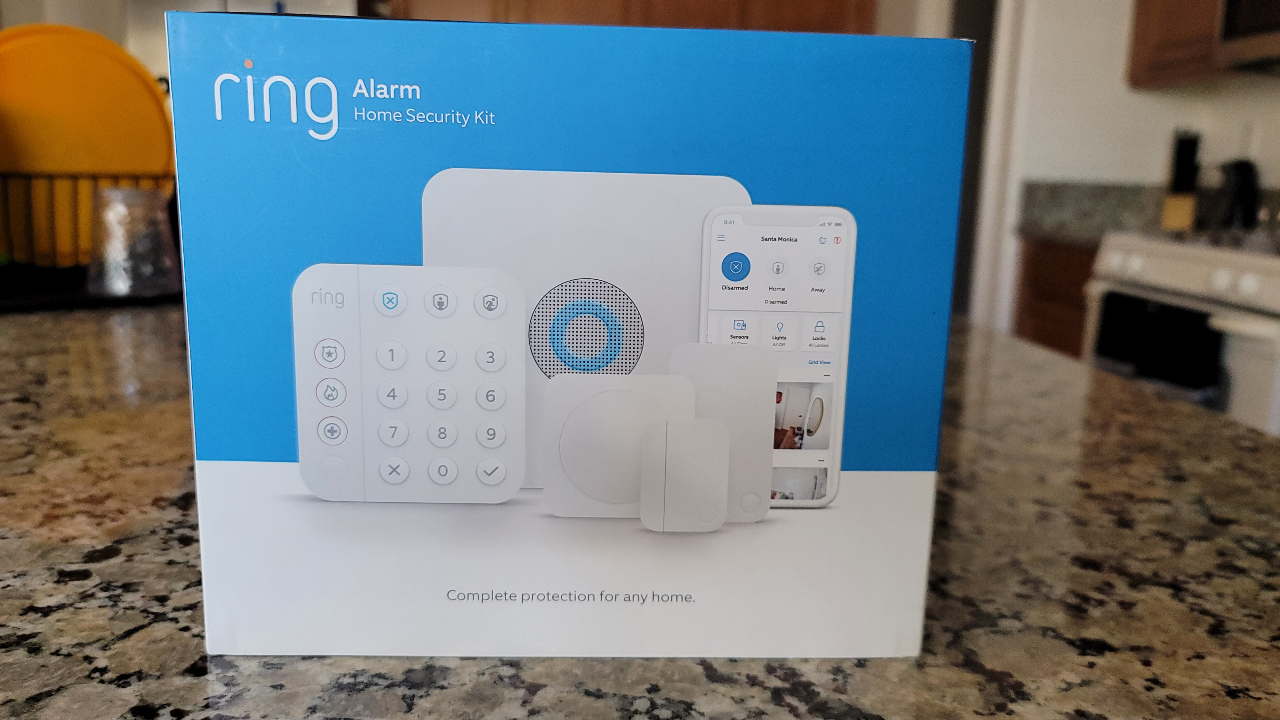
Ring Alarm 8-piece kit (2nd Gen) – home security system
View on Amazon
Govee WiFi Water Leak Detector 3 Packs, Leak Alert with Remotely Email/APP Push and Sound Alarm, Smart Water Sensor with 100dB Adjustable Alarm, Suit for Home and Basement - Amazon.com
View on AmazonPotential savings to ask about:
- Multi-policy bundle: Combining home and auto with the same company can shave 10–25% in many cases. If you’re exploring an auto switch, our state guide can help: Auto Insurance in Hawaii: Rates, Requirements & How to Save.
- Wind mitigation: Credits for hip roofs, hurricane clips/straps, impact-resistant roofing, reinforced garage doors, storm shutters, and secondary water barriers. Ask whether a wind mitigation inspection could unlock additional credits.
- Roof age and upgrades: Newer roofs, especially with wind-rated materials, often qualify for better pricing.
- Protective devices: Monitored smoke/CO alarms, water leak sensors, and centrally monitored security systems can help.
- Claims-free and loyalty: Staying claim-free typically reduces costs over time.
- Newer construction: Homes built to newer codes can rate better for wind.
Pro tip: When comparing bundles, price the home policy both with and without the auto bundle. Occasionally, a strong stand-alone home carrier plus a separate auto insurer beats a so-so bundle.
Filing a home insurance claim in Hawaii
If you ever need to file a claim—especially after a big wind event—acting quickly and documenting well makes a difference.
Step-by-step:
- Protect the property: Make emergency repairs to prevent further damage (tarp a roof, shut off water). Keep all receipts—these are typically reimbursable under your policy.
- Document everything: Take wide and close-up photos/videos of the damage before cleanup. Make a list of damaged items (brand, model, approximate age and price) for personal property claims.
- Report the claim: Call your insurer or file through the app/portal. Ask whether the hurricane deductible applies and how it will be calculated.
- Meet the adjuster: Walk through the damage, share your photos, and provide any contractor estimates you’ve obtained.
- Understand payment terms: Many policies pay “actual cash value” (depreciated amount) first, then release the rest (“recoverable depreciation”) after repairs. Ask what documentation you’ll need to receive the holdback.
- Track additional living expenses (ALE): Save receipts for temporary housing, pet boarding, meals beyond normal, laundry—ALE coverage can reimburse these when your home is uninhabitable due to a covered loss.
- Be cautious with assignments of benefits: After major storms, contractors may ask you to sign paperwork giving them the right to bill your insurer directly. Read carefully and consider consulting your insurer or a licensed attorney before signing.
Hurricane-season note: Insurers may place temporary binding restrictions when a hurricane watch or warning is issued. You generally can’t start a new policy or change deductibles during a moratorium, so plan ahead before storms approach.
FAQ: common questions about Hawaii homeowners insurance
Are hurricanes covered by home insurance in Hawaii? Typically yes, but hurricane losses often trigger a separate percentage deductible (for example, 2–5% of your dwelling limit). Some insurers include hurricane under the main policy; others require an endorsement or separate policy. Always confirm how your policy defines the hurricane trigger and deductible.
Do I need flood insurance in Hawaii? If you live in a FEMA-designated high-risk flood zone or near the coast, your lender may require it—and it’s a smart idea for many others too. Home insurance excludes flood, including storm surge. NFIP and private flood options are available; NFIP policies usually have a 30-day waiting period.
Is lava damage covered? Damage from lava flow and earth movement is typically excluded. Ash fall and air shock from a volcanic eruption may be covered. In the highest-risk lava zones, the Hawaii Property Insurance Association (HPIA) can be a possibility when private insurers won’t write the risk.
What is a hurricane deductible? A hurricane deductible is a special out-of-pocket amount that applies to hurricane-related damage. It’s usually a percentage of your dwelling limit—so a 3% deductible on a $600,000 home = $18,000. It applies per hurricane event, separate from your standard deductible.
How much does home insurance cost in Hawaii? Prices vary by island, neighborhood, roof type and age, coverage limits, and whether hurricane is included as an endorsement or separate policy. Many homeowners see combined totals from around $1,000 to several thousand dollars annually, especially for higher-value or coastal homes. The only reliable way to know is to compare quotes for your address and coverage choices.
I live in a condo—do these rules apply? Condo owners need HO-6 coverage for interior finishes, personal property, loss of use, and liability. The association’s master policy covers the building structure as defined in the bylaws. Ask whether your association policy is “all-in” or “bare walls,” and confirm hurricane and wind deductibles.
Does home insurance cover termites or mold in Hawaii? Termite damage and long-term mold from humidity or maintenance issues are typically excluded. Sudden and accidental water damage (like a burst pipe) is often covered, but ongoing leaks and rot are not. Consider regular pest inspections and moisture control.
Can I lower my premium without gutting coverage? Often yes. Raise your all-peril deductible moderately (keeping the hurricane deductible reasonable), add wind mitigation features, shop bundles, and remove small add-ons you don’t need. Then compare prices with 3–5 carriers.
What to look for before you buy
- Replacement cost valuation that reflects today’s construction costs on your island
- Clear hurricane coverage and a manageable percentage deductible
- Strong loss of use (ALE) limit, especially if you’d need extended temporary housing on-island
- Ordinance or law coverage for code-required upgrades
- Water backup endorsement if your plumbing or drainage is older
- Wind-driven rain treatment you can live with
- A carrier with reliable catastrophe response and local adjusters
Your next step
The smartest next step is to see real quotes for your exact address, home features, and deductibles—side-by-side from 3–5 insurers. It’s the fastest way to pinpoint a fair price and the right mix of hurricane, wind, and rebuild coverage for your situation.
If you’d like help, a licensed Hawaii agent can review your roof details, explain deductible trade-offs, and flag any gaps (flood, earthquake, or ordinance coverage) based on your location. No two homes—or policies—are the same here.
Helpful reads while you compare: What Does Home Insurance Cover? and our national Home Insurance Guide 2026 — Compare Quotes, Coverage & Costs.
CTA: Ready to see what you’d actually pay? Start a quick quote comparison with your address, roof details, and preferred deductibles. You’ll know in minutes whether to bundle, tweak coverage, or switch—and how much you could save.
Disclaimers: Insurance coverages, discounts, and availability vary by insurer and by island/county. Coverage examples are general; always review your specific policy forms. Rates are illustrative and not guarantees. Consult a licensed Hawaii insurance agent for personalized guidance.
Recommended Resources
Insurance For Dummies?: Hungelmann, Jack
Whether you’re a homeowner or ... need on: ... Author Jack Hungelmann <strong>uses his twenty-five years of experience in the insurance industry to make buying insurance as simple as possible</strong>
Govee WiFi Water Leak Detector 3 Packs, Leak Alert with Remotely Email/APP Push and Sound Alarm, Smart Water Sensor with 100dB Adjustable Alarm, Suit for Home and Basement - Amazon.com
Govee WiFi Water Leak Detector 3 Packs, <strong>Leak Alert with Remotely Email/APP Push and Sound Alarm, Smart Water Sensor with 100dB Adjustable Alarm, Suit for Home and Basement</strong> - Amazon.co
Ring Alarm 8-piece kit (2nd Gen) – home security system
<strong>24/7 Professional Monitoring</strong> If a break-in or emergency is detected, we’ll request emergency response.² <strong>24/7 Professional Monitoring</strong> · If a break-in or emergency is d
Related Articles
- Auto Insurance in Hawaii: Rates, Requirements & How to Save
- Home Insurance in Idaho: Coverage, Costs & Best Companies
- Home Insurance in Oregon: Coverage, Costs & Best Companies
- Health Insurance in Hawaii: Plans, Costs & How to Enroll
- Home Insurance in Montana: Coverage, Costs & Best Companies
- Home Insurance in Indiana: Coverage, Costs & Best Companies
- Home Insurance in Maine: Coverage, Costs & Best Companies
- Home Insurance in California: Coverage, Costs & Best Companies