
Allstate vs State Farm: Which Insurer Is Right for You?
You’re comparing Allstate vs State Farm and want a straight answer: who will cost less, handle claims better, and actually fit your needs? Here’s the honest breakdown on price, discounts, claims, and what varies by state—plus how to quickly check what you’d actually pay.
Allstate vs State Farm: At a Glance
- State Farm
- Often among the lowest prices for many driver profiles, especially good drivers and families
- Very strong financial strength (AM Best typically A++ – Superior) and the largest U.S. auto market share
- Huge local agent network and popular usage‑based program Drive Safe & Save
- J.D. Power satisfaction scores frequently above the industry average in many regions; NAIC complaint index often at or below average
- Allstate
- Broad coverage menu with unique perks and optional features many competitors don’t offer
- Strong financial strength (AM Best typically A+ – Superior)
- Telematics options for both safe drivers (Drivewise) and low‑mileage drivers (Milewise) in select states
- Customer satisfaction varies by state and line; NAIC complaint index tends to be around or somewhat above average in some lines
Fast take: If price and a large local agent network are your top priorities, State Farm typically has the edge. If you want richer optional features or you’re a low‑mileage driver who can benefit from pay‑per‑mile (where offered), Allstate can be a great fit. The better choice depends on your state, driving record, mileage, and whether you’ll use a telematics program.
Company Overview: Size, Financial Strength & Agent Network
- Market presence
- State Farm is the largest U.S. auto insurer by market share, which usually translates to broad availability of discounts, extensive claims infrastructure, and strong agent support.
- Allstate is also one of the biggest national brands, typically top‑five in auto market share, with a mix of agent‑assisted and direct‑to‑consumer sales.
- Financial strength
- State Farm: AM Best rating typically A++ (Superior), indicating a very strong ability to pay claims.
- Allstate: AM Best rating typically A+ (Superior), also reflecting strong claims‑paying ability.
- Agent network
- State Farm maintains one of the largest captive agent networks in the country—useful if you prefer in‑person help.
- Allstate also has a sizable agent presence but has leaned more into digital and phone‑based service in recent years. Availability of local agents can vary by city.
Bottom line: Both are financially solid. If you value in‑person advice, State Farm’s agent density is hard to beat. If you prefer an app‑first experience or a hybrid of online and agent help, both can work, with Allstate often pushing more digital tools.
Coverage Options & Unique Policy Features
Both companies sell auto, homeowners, renters, and life insurance (life availability and issuing companies can vary by state and over time). The basics are similar—liability, collision, comprehensive—but the “extras” differ.
If you’re new to auto coverage types, this explainer is a quick refresher on the building blocks: Understanding Auto Insurance Coverage Types
Auto insurance highlights
- Shared basics (both)
- Liability coverage: Pays others for injuries and property damage if you’re at fault
- Collision coverage: Repairs your car after a crash, subject to your deductible (the amount you pay out of pocket before insurance pays)
- Comprehensive coverage: Covers theft, vandalism, hail, and other non‑crash damage
- Medical coverages: Personal injury protection (PIP) or medical payments (MedPay), depending on your state
- Uninsured/underinsured motorist: Protects you if the other driver doesn’t have enough insurance
- Allstate standouts (availability varies by state)
- Accident forgiveness: Prevents a rate increase after your first at‑fault accident
- Deductible rewards/vanishing deductibles: Your collision deductible may shrink for safe driving
- New car replacement or enhanced replacement options in some states
- Milewise pay‑per‑mile: Good for low‑mileage drivers if offered in your state
- State Farm standouts
- Drive Safe & Save usage‑based program with app/connected car options
- Steer Clear for drivers under 25 (safe‑driving education plus potential discounts)
- Strong multi‑policy integration with homeowners/renters and life for sizable bundling savings
Homeowners insurance highlights
- Shared basics (both)
- Dwelling coverage: Rebuilds your home after a covered loss, subject to your deductible
- Personal property: Covers your stuff—furniture, electronics, clothing
- Liability: Protects you if someone is injured on your property and you’re legally responsible
- Loss of use: Pays for temporary living expenses if a covered loss makes your home uninhabitable
- Allstate options often include
- Water backup, identity theft restoration, schedule personal property (jewelry, art), and device protection in some states
- State Farm options often include
- Extended or increased replacement cost dwelling options, water backup, and equipment breakdown endorsements (depending on state and form)
Note: In catastrophe‑prone areas (hurricanes, wildfires, hail belts), both carriers may adjust deductibles (wind/hail percentage deductibles are common) and pricing. Availability can change quickly based on state filings.
Renters insurance
- Both offer affordable renters policies with flexible personal property limits and optional add‑ons like identity restoration and scheduled valuables.
Life insurance
- State Farm
- Typically offers term, whole, and universal life through State Farm Life affiliates, with a reputation for strong service and agent guidance.
- Allstate
- Life insurance availability, products, and issuing companies can vary. In many states, Allstate offers term life and may partner with affiliated or third‑party life insurers. If life is a key need, ask which company issues the policy and check its financial rating.
Pricing: How They Differ and Sample Rate Insights
Let’s set expectations: no insurer is always cheapest. Pricing depends on your state, driving/claims history, credit‑based insurance score (where allowed), vehicle, mileage, and discounts.
That said, State Farm often comes in lower for many good drivers and families, while Allstate can be more competitive if you leverage telematics (Drivewise or Milewise) or need specific add‑ons.
Illustrative scenarios based on public filings and third‑party analyses through 2024—your quote could be much higher or lower:
- 35‑year‑old driver, clean record, full coverage
- State Farm: often competitive; typical sample quotes might fall roughly $95–$160/month in moderate‑cost states
- Allstate: frequently $115–$190/month in similar markets, sometimes higher without telematics savings
- 22‑year‑old, clean record
- State Farm: often among the better prices for young drivers, sometimes $160–$280/month depending on state/rating factors
- Allstate: commonly higher base rates for young drivers unless telematics and good student discounts apply, sometimes $190–$340+/month
- 45‑year‑old homeowner bundling auto + home
- State Farm: bundling can produce meaningful savings; many households see a noticeable drop vs buying separately
- Allstate: bundling can also be strong—especially when paired with Drivewise or low‑mileage benefits
- High‑risk driver (recent at‑fault accident or DUI)
- Both carriers may be expensive; State Farm is sometimes more forgiving for minor tickets than for major violations. Allstate pricing can climb sharply after serious incidents. In this profile, it’s critical to compare multiple carriers.
These are not offers or guarantees—actual rates vary by individual circumstances and state rules. The fastest way to see your number is to compare quotes from several insurers side‑by‑side.
Tip: If you drive fewer than 7,500–8,000 miles a year, Allstate’s Milewise (where available) can change the math, potentially beating traditional pricing. If you have consistent safe habits, State Farm’s Drive Safe & Save can also deliver significant savings in many states.
Discounts & Usage‑Based Programs
Both insurers offer a long list of discounts. The biggest levers tend to be bundling, safe‑driver programs, and student/vehicle‑level savings.
Telematics: Drivewise vs Drive Safe & Save
- How telematics works
- A smartphone app or connected device tracks driving behaviors—hard braking, rapid acceleration, speeding, time of day, and annual mileage. Safer patterns typically lead to lower rates. Risky driving can reduce your discount and, in some states, could increase your premium at renewal.
- Allstate Drivewise (availability varies by state)
- Focuses on driving behaviors and mileage; often includes an initial enrollment discount
- Good fit for commuters with consistent, safe driving patterns
- Allstate Milewise (select states)
- A pay‑per‑mile product: you pay a base rate plus a per‑mile charge; excellent for low‑mileage drivers and people who now work from home
- State Farm Drive Safe & Save
- App/connected‑car based; emphasizes smooth driving and fewer miles driven
- Good fit for consistent drivers who don’t mind an always‑on app
If you’re privacy‑sensitive, review the data collection disclosures in each app. You can try a program and opt out later, but the discount could change if you do.
Other common discounts
- Both offer: multi‑policy (bundling), multi‑car, good driver, good student, defensive driving course, vehicle safety features, and paperless/autopay savings
- Allstate extras you may see: early signing, responsible payer
- State Farm extras you may see: Steer Clear (young drivers), accident‑free, and certain connected‑car discounts
Pro tip: Ask an agent to run your quote with and without telematics and with different deductibles. Sometimes moving from a $500 to a $1,000 deductible can meaningfully lower premiums—just keep an emergency fund for that higher out‑of‑pocket amount.
Claims Process, Customer Service & Complaint Data
- Digital tools
- Both carriers support photo estimates, direct‑repair shop networks, rental arrangements, and robust mobile apps. State Farm’s app is widely praised for ease of use; Allstate’s app is also strong and integrates Drivewise.
- J.D. Power studies
- In recent J.D. Power auto insurance satisfaction studies, State Farm often scores above industry average in many regions for overall satisfaction. Allstate tends to land around average or a bit below in some regions, though experiences vary by state and product line. In claims‑focused studies, both are typically near the industry average.
- NAIC complaint index (1.0 = industry average)
- State Farm’s complaint index is often at or below 1.0 for private passenger auto, signaling fewer complaints than expected for its size
- Allstate’s complaint index can be around or somewhat above 1.0 in some lines, varying by year and state
- Financial strength
- State Farm: AM Best A++ (Superior)
- Allstate: AM Best A+ (Superior)
What this means for you: Both are financially strong enough to pay claims. State Farm has a slight edge on average satisfaction and complaint frequency, but your local claims experience can hinge on your adjuster, repair network options, and how complex the loss is.
State Availability & Regulatory Notes: What Varies by State
- Availability
- Auto: Both write auto in most or all states, though certain programs (e.g., Milewise) are only offered in select states.
- Home: In catastrophe‑exposed regions, coverage may be limited or deductibles higher. Availability can change quickly due to state filings.
- Life: Product types and issuing companies can vary—always confirm the exact insurer on your policy.
- Rules that change your rate
- Credit‑based insurance scores are banned or restricted for auto in some states (for example, California, Hawaii, Massachusetts). Where banned, your rate won’t reflect credit; where allowed, it can matter a lot.
- Rating factors like gender, marital status, and prior insurance history are treated differently by state law.
- Minimum coverage limits and required coverages (e.g., PIP in no‑fault states) vary.
If you’re moving or shopping across states, review your local requirements: Auto Insurance Requirements by State — State‑by‑State Coverage Rules & What You Really Need
How to Compare Allstate vs State Farm (What to Look For)
- Your annual mileage and driving habits
- Low‑mileage? Check Allstate Milewise if available. Consistent, safe driver? State Farm Drive Safe & Save can shine.
- Desired features
- Prefer perks like accident forgiveness or vanishing deductibles? Allstate often has more built‑in options.
- Want a big local agent presence and straightforward bundling? State Farm is hard to beat.
- Total cost after discounts
- Run quotes both with and without telematics. Add bundling, good student, and vehicle safety features to see the net price.
- Claims support you want
- If you value an in‑person advocate, weigh the agent experience in your area. Ask how repairs, rentals, and photo estimates work.
- Deductible strategy
- Balance a higher deductible (lower premium) with your cash cushion. Consider windshield/wind/hail deductibles that may differ from collision.
Insurance for Dummies: Hungelmann, Jack
<strong>Manage life, health, and disability risks</strong> ― explore individual and group policies, understand Medicare basics, and evaluate long-term disability and long-term-care insurance ...
Check Price on AmazonReady to see real numbers? The fastest way to check what you’d actually pay is to compare quotes from 3–5 carriers, not just two. You can start locally here: Car Insurance Near Me: Compare Local Quotes & Find Agents Fast
Pros and Cons by Profile
- Pick State Farm if you:
- Want consistently competitive pricing for many driver profiles
- Prefer a large agent network and a simple, dependable app
- Plan to bundle multiple policies for savings
- Are comfortable with a telematics app to potentially lower rates
- Consider Allstate if you:
- Drive infrequently and can benefit from pay‑per‑mile (Milewise) where available
- Value optional features like accident forgiveness and deductible rewards
- Want strong digital tools plus the option to work with an agent
- Are open to telematics (Drivewise) and bundling to bring down the base rate
Sample Side‑by‑Side: Who Tends to Fit Where
- Budget‑focused families: State Farm typically has the edge, especially with multi‑car and student discounts
- Low‑mileage urban drivers: Allstate Milewise (if offered) can be compelling
- Tech‑friendly safe drivers: Tie—Drivewise vs Drive Safe & Save; compare projected discounts and data‑use policies
- Heavy catastrophes in your state: Shop both; homeowners pricing and deductibles can differ widely by ZIP
- Teens/young drivers: State Farm’s Steer Clear and multi‑car discounts can help; Allstate can be competitive with good student + Drivewise
Claims Tips and What Insurers Don’t Always Tell You
- Document everything right away—photos, videos, and a brief written timeline. It speeds approvals.
- Ask for preferred shop options and whether repairs are guaranteed. Networks can save time.
- If a total loss is possible, research your vehicle’s fair market value from multiple sources. You can submit your own comps.
- Rental coverage has daily and total dollar limits. If you need a larger vehicle, consider upping this limit before a claim.
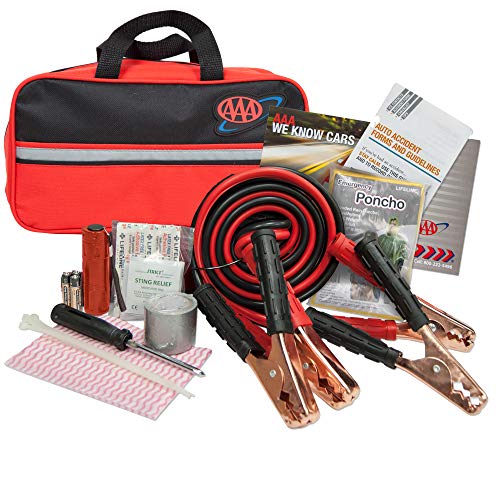
Lifeline AAA Premium Road Kit, 42 Piece Emergency Car Kit with Jumper Cables, Flashlight and First Aid Kit,4330AAA,Black : Everything Else
View on Amazon
VIOFO Dash Cam A119 V3 2K 2560x1440P Quad HD+ 60FPS Front Car Dash Camera, 5MP STARVIS Sensor, 140-Degree Wide Angle, GPS Included, Buffered Parking Mode, True HDR, Motion Detection, Time Lapse : Electronics
View on AmazonConsidering Other Comparisons Too?
If you’re cross‑shopping more than two brands, this guide can help you weigh another top pairing: Progressive vs State Farm: Which Auto Insurer Is Best for You?
How to Get Quotes (and Avoid Common Pitfalls)
- Gather details first: VINs, driver license numbers, current coverages, prior claims, annual mileage, commute type.
- Quote the same limits/deductibles with each carrier so you’re comparing apples to apples.
- Try it three ways: without telematics, with Drivewise (Allstate), and with Drive Safe & Save (State Farm).
- Bundle a home/renters policy in the quote—even if you don’t plan to switch your home yet—to see the full discount picture.
- Check repair network options and rental car limits during the quote, not after a claim.
Need a quick way to compare local options and talk to an agent if you want? Start here: Car Insurance Near Me: Compare Local Quotes & Find Agents Fast
A quick note: Insurance pricing and availability change frequently by state. For personalized guidance, it’s smart to speak with a licensed agent who can review your specific situation, explain state‑specific rules, and help you avoid gaps.
Bottom Line: Which Insurer Is Right for You?
- Choose State Farm if you want broadly competitive pricing, a huge agent network, and strong overall satisfaction—especially for households bundling multiple policies or safe drivers using Drive Safe & Save.
- Choose Allstate if you’re low‑mileage or you value policy features like accident forgiveness, deductible rewards, and flexible telematics options (Drivewise/Milewise) that can offset a higher base rate in some markets.
No single company wins for everyone. The smartest next step is to run quotes from both—and two or three others—using the same coverage limits. Ten minutes of comparison typically saves far more than haggling later.
Recommended Resources
Insurance for Dummies: Hungelmann, Jack
<strong>Manage life, health, and disability risks</strong> ― explore individual and group policies, understand Medicare basics, and evaluate long-term disability and long-term-care insurance ...
VIOFO Dash Cam A119 V3 2K 2560x1440P Quad HD+ 60FPS Front Car Dash Camera, 5MP STARVIS Sensor, 140-Degree Wide Angle, GPS Included, Buffered Parking Mode, True HDR, Motion Detection, Time Lapse : Electronics
Amazon.com: VIOFO Dash Cam A119 V3 2K 2560x1440P Quad HD+ 60FPS Front Car Dash Camera, 5MP STARVIS Sensor, 140-Degree Wide Angle, <strong>GPS Included</strong>, Buffered Parking Mode, True HDR, Motion
Lifeline AAA Premium Road Kit, 42 Piece Emergency Car Kit with Jumper Cables, Flashlight and First Aid Kit,4330AAA,Black : Everything Else
Amazon.com: <strong>Lifeline AAA Premium Road Kit</strong>, 42 Piece Emergency Car Kit with Jumper Cables, Flashlight and First Aid Kit,4330AAA,Black : Everything Else
Related Articles
- State Farm vs. GEICO: Which Auto Insurer Is Right for You?
- Progressive vs State Farm: Which Auto Insurer Is Best for You?
- GEICO vs Progressive: Which Auto Insurer Is Right for You?
- USAA vs GEICO: Which Auto Insurer Is Best for You?
- Home Insurance in Michigan: Coverage, Costs & Best Companies
- Auto Insurance in Alabama: Rates, Requirements & How to Save
- Auto Insurance in Wisconsin: Rates, Requirements & How to Save
- Auto Insurance Requirements by State — State‑by‑State Coverage Rules & What You Really Need