
State Farm vs. GEICO: Which Auto Insurer Is Right for You?
You’re comparing State Farm vs GEICO and wondering who will really be cheaper for you — and whether there’s any tradeoff in claims or service. Here’s what actually matters when choosing between these two giants, plus where each one typically wins.
Quick comparison: State Farm vs GEICO
If you want the 30‑second take: State Farm is the biggest auto insurer in the U.S. with a huge local agent network and strong satisfaction scores in many regions. GEICO is a direct‑to‑consumer powerhouse known for low prices, simple online tools, and quick quoting. Your price will hinge on your driver profile, state, and the discounts you qualify for.
| Category | State Farm | GEICO | Best for |
|---|---|---|---|
| Pricing (typical) | Competitive, especially for families, bundlers, and safe drivers | Often among the lowest for many clean‑record drivers | Shoppers chasing low base rates (GEICO) and bundlers/households (State Farm) |
| Discounts | Strong: multi‑policy, multi‑car, good student, defensive driving, Steer Clear for young drivers | Wide: federal/military, membership/affinity, good student, defensive driving | Young drivers (State Farm Steer Clear), affinity/military (GEICO) |
| Telematics | Drive Safe & Save (usage‑based discount program) | DriveEasy (driving‑behavior app) | Drivers open to app tracking at either company |
| Claims & service | Agent‑led help plus strong digital tools; robust repair network | Streamlined direct model with solid digital claims | Those who want a local agent (State Farm) or quick self‑service (GEICO) |
| Financial strength | A++ (Superior) with major rating agencies | A++ (Superior) with major rating agencies | Policyholders who value top‑tier stability (both) |
Tip: The fastest way to see what you’d actually pay is to compare quotes from at least 3–5 carriers, side by side. You can start here: Car Insurance Quotes: Compare Rates & Get Personalized Quotes Fast.
Coverage options & policy features
Both State Farm and GEICO offer the core auto coverages you expect. A quick refresher on what these terms mean:
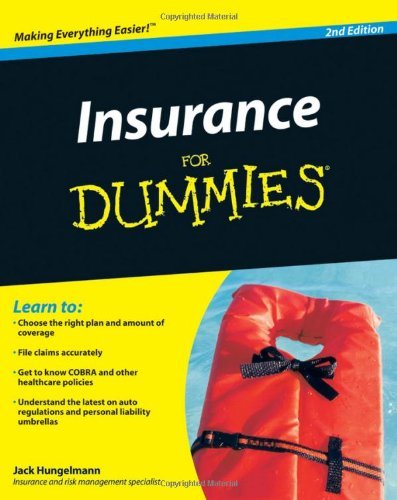
Insurance For Dummies?: Hungelmann, Jack
Whether you’re a homeowner or ... need on: ... Author Jack Hungelmann <strong>uses his twenty-five years of experience in the insurance industry to make buying insurance as simple as possible</strong>
Check Price on Amazon- Liability coverage (pays for others’ injuries and property damage if you’re at fault). Most states require a minimum — often written as split limits like 25/50/25 (that’s $25,000 per person for bodily injury, $50,000 per accident, and $25,000 for property damage). Many drivers choose higher limits for better protection.
- Collision (pays to repair/replace your car after a crash). Comes with a deductible — the amount you pay out of pocket before insurance kicks in.
- Comprehensive (non‑collision events like theft, hail, falling objects, animal strikes). Also has a deductible.
- Uninsured/Underinsured Motorist, or UM/UIM (covers your injuries if the other driver has little or no insurance). Required or strongly recommended depending on your state.
- Medical Payments (MedPay) or Personal Injury Protection (PIP) (helps with medical bills for you and your passengers; PIP is required in some no‑fault states).
- Roadside assistance (towing, jump‑starts, lockouts). Optional add‑on with both carriers.
- Rental reimbursement (pays for a temporary rental while your car is in the shop for a covered claim).
Where they differ a bit:
- Telematics/usage‑based insurance (UBI): State Farm’s Drive Safe & Save tracks driving habits and mileage to adjust your premium; GEICO’s DriveEasy does the same. Discounts vary by state and your driving behavior; safe, low‑mileage drivers may see meaningful savings.
- Young driver programs: State Farm’s Steer Clear provides education and monitoring for drivers under 25 and can earn a discount. GEICO offers good‑student and driver‑education discounts but no Steer Clear equivalent.
- Rideshare endorsements: Both offer rideshare coverage in many states, which fills the gaps when you drive for Uber/Lyft (important because personal policies typically exclude business use without this add‑on).
- OEM parts coverage and other endorsements: Availability varies by state. State Farm may offer Original Equipment Manufacturer (OEM) parts coverage for newer vehicles in some states; GEICO’s Mechanical Breakdown Insurance (MBI) — an extended‑warranty‑like coverage for newer vehicles — is available in many states if your car meets age/mileage criteria. Always confirm state availability.
Price, discounts & sample rates by driver profile and state
Let’s talk price. For State Farm vs GEICO, both can be very competitive, but who’s cheaper flips depending on your age, credit tier, driving record, vehicle, and ZIP code. Below are illustrative examples — not guarantees — to show how rates can shift. Actual quotes vary widely by individual circumstances and state regulations.
Assumptions for the examples below:
- Full coverage = 100/300/100 liability, plus comp/collision with $500 deductibles
- State minimum = your state’s required minimum liability limits only (and PIP/UM if required)
- Clean record = no accidents, tickets, or DUIs in the last 3–5 years
Illustrative monthly premiums (typical ranges):
25‑year‑old, clean record, suburban ZIP
- State minimum: State Farm $60–$110; GEICO $55–$105
- Full coverage: State Farm $120–$190; GEICO $110–$180
- Read it this way: GEICO often edges out on base price for a young clean driver, but State Farm may close the gap with Steer Clear, good‑student, and multi‑policy discounts.
40‑year‑old, clean record, suburban ZIP
- State minimum: State Farm $50–$90; GEICO $50–$95
- Full coverage: State Farm $95–$160; GEICO $95–$165
- Many 40‑somethings see both carriers within a few dollars; bundling home or renters can nudge State Farm ahead.
25‑year‑old with one at‑fault accident
- Full coverage: State Farm $160–$280; GEICO $170–$300
- After an accident, either company may raise rates at renewal. In some states State Farm is a bit more forgiving; in others GEICO is. This is where a fresh set of quotes matters.
40‑year‑old with good credit vs poor credit (no accidents)
- Good credit, full coverage: State Farm $100–$170; GEICO $100–$175
- Poor credit, full coverage: State Farm $170–$320; GEICO $180–$340
- Credit has a big impact on rates in most states (except where restricted by law). If your credit score improves, re‑shop — you can often save.
Urban vs rural
- Urban premiums can run 15%–35% higher than rural due to traffic density, theft rates, and repair costs. This dynamic affects both carriers similarly.
Popular discounts you can expect:
- State Farm: multi‑policy (bundling auto + home/renters), multi‑car, Drive Safe & Save, Steer Clear (under 25), good student, defensive driving course, anti‑theft, vehicle safety, accident‑free, low mileage (via telematics in many states)
- GEICO: multi‑policy, multi‑vehicle, DriveEasy, good student, defensive driving course, federal employee, military and emergency deployment, membership/affinity group discounts, anti‑theft, vehicle safety
Want to see your own numbers? Get quotes side by side in minutes: Car Insurance Quotes: Compare Rates & Get Personalized Quotes Fast. If you’re early in the research phase, this explainer helps frame how companies price risk: Insurance Companies Explained: How They Work and How to Choose.
Note on state minimums: Minimum liability limits vary by state and may be as low as 25/50/25 or as high as 50/100/50 or more. Some states also require PIP or UM/UIM. Minimums keep you legal, not necessarily protected. If you have assets or a newer car, consider higher limits and full coverage.
Claims process, customer service & complaint data
- How to file a claim
- State Farm: You can file via the mobile app, online, phone, or through your local agent. The agent‑first model can be helpful when you want a human advocate.
- GEICO: File in‑app, online, or by phone; the direct model is built for speed and self‑service. GEICO’s app walks you through photo estimates where available.

Garmin Dash Cam 57, 1440p and 140-degree FOV, Monitor Your Vehicle While Away w/New Connected Features, Voice Control, Compact and Discreet, Includes Memory Card : Electronics
View on AmazonWhat to expect on timelines
- Simple claims (like a minor fender bender with clear fault) are typically wrapped up in days to a couple of weeks once estimates and parts are lined up. Complex claims, injuries, or total losses can take longer. Repair backlogs and parts availability in your area matter more than the brand on your card.
Satisfaction and complaints (recent patterns)
- J.D. Power studies: In recent U.S. Auto Insurance studies (overall customer satisfaction and claims satisfaction), State Farm generally scores at or above industry average in many regions; GEICO often lands around the industry average, with results varying by region. These are broad trends and can shift year to year.
- NAIC complaint index: Based on recent National Association of Insurance Commissioners data, State Farm’s primary auto underwriting companies typically post a complaint index around or below the national baseline, while GEICO’s major subsidiaries often hover around average or, in some years, slightly above. These figures change annually and by subsidiary — it’s smart to check your state’s Department of Insurance (DOI) reports for the latest local picture.
What this means for you: If you value a local advocate during claims, State Farm’s agent network is a plus. If you care most about fast digital touchpoints, GEICO’s app‑driven claims flow is a strong fit. Either way, monitor your claim, communicate quickly with your adjuster, and choose a reputable repair shop.
Financial strength & ratings
Financial strength ratings signal an insurer’s ability to pay claims, especially during widespread events.
- AM Best: Both State Farm and GEICO are rated A++ (Superior) as of recent reports — the highest category.
- S&P Global Ratings: Both sit in the AA range (Very Strong) for insurer financial strength, reflecting robust capital positions. Exact notches can vary by subsidiary and over time.
Translation: From a claims‑paying capacity standpoint, both are rock‑solid. Always verify current ratings, as agencies update them.
Digital tools, agent network & repair options
- Mobile apps and online tools: Both offer digital ID cards, policy management, billing, and claims reporting. GEICO’s app is famously streamlined; State Farm’s app is comprehensive and pairs neatly with the agent experience.
- Telematics: Drive Safe & Save (State Farm) and DriveEasy (GEICO) both measure things like braking, acceleration, phone use, time of day, and mileage to personalize discounts. You can opt in or out at any time; savings depend on your actual driving and state rules.
- Agent vs direct model: State Farm sells mainly through 19,000+ local agents — invaluable if you like face‑to‑face help, want to bundle home/renters, or prefer guidance on coverage limits. GEICO is primarily direct (online/app/phone). That keeps costs lean and quoting fast, but you won’t have a dedicated neighborhood agent.
- Preferred repair networks: Both maintain networks that can streamline estimates and repairs. State Farm has the Select Service program; GEICO leverages Auto Repair Xpress locations. Network shops typically provide guaranteed repairs for as long as you own the vehicle (program terms vary by state and shop).
If you want local support while quoting, you can also compare options with nearby agents: Car Insurance Near Me: Compare Local Quotes & Find Agents Fast.
Which insurer is better for different driver types
No single winner — but here’s a practical way to match profile to company strengths.
Young drivers (teens and early 20s)
- Consider: State Farm
- Why: Steer Clear, good‑student discounts, and strong family‑bundle pricing can offset the high base rates young drivers face. GEICO can still be cheaper in many cases for a solo young driver, so quote both.
Families and multi‑car households
- Consider: State Farm
- Why: Multi‑car and multi‑policy discounts stack well; agents can calibrate higher liability limits and umbrella options. GEICO can be competitive for families too — run both quotes.
High‑mileage commuters and app‑averse drivers
- Consider: Either — with nuance
- Why: If you drive a lot at rush hour, telematics scores may suffer. You might lean on traditional rating instead of UBI. Quote both with and without telematics to see which model treats your pattern better.
Low‑mileage, very safe drivers
- Consider: Tie
- Why: Usage‑based programs (Drive Safe & Save, DriveEasy) can deliver meaningful discounts for smooth, phone‑free driving at modest annual mileage. Test both.
Drivers with poor credit (where permitted)
- Consider: It depends
- Why: Some states allow credit in pricing, which can raise premiums. In certain states one carrier may penalize credit less than the other. You won’t know until you quote.
Military/federal employee households
- Consider: GEICO
- Why: Military and federal employee discounts are a GEICO strength. If you’re active duty, also compare with USAA where eligible.
Claims‑anxious or advice‑seeking shoppers
- Consider: State Farm
- Why: A dedicated local agent can be invaluable when you have questions, add teen drivers, or need claims hand‑holding.
Actionable decision checklist:
- List your must‑haves: higher liability limits, roadside, rental, UM/UIM, rideshare endorsement.
- Decide if you’ll try telematics (you can always opt out later).
- Gather VINs, driver’s license numbers, annual mileage, and prior insurance details.
- Quote both with identical coverage limits and deductibles.
- Add your homeowners or renters policy to see the bundle impact.
- Check each company’s repair program and nearest network shops.
- Scan your state DOI’s recent complaint data.
- Run the numbers annually or after life events (move, new car, teen driver, credit change).
How to compare quotes and next steps
Side‑by‑side quotes cut through the noise. Here’s a quick process:
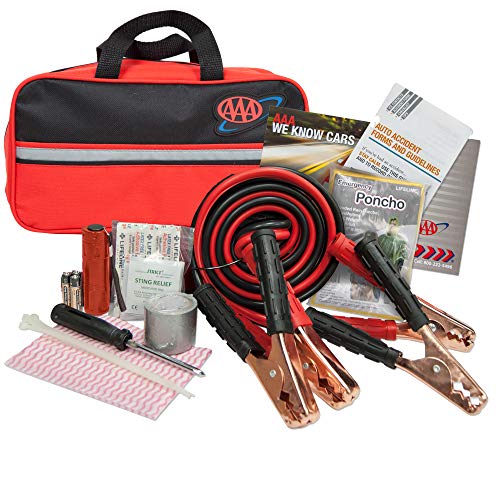
Lifeline AAA Premium Road Kit, 42 Piece Emergency Car Kit with Jumper Cables, Flashlight and First Aid Kit,4330AAA,Black : Everything Else
View on Amazon- Gather your info
- Driver names/DOBs, license numbers
- Vehicle VINs, trim levels, and annual mileage
- Current coverages and deductibles
- Driving history (tickets/accidents, dates)
- Decide your target limits
- Common setup: 100/300/100 liability, UM/UIM to match, $500 deductibles on comp/collision
- Add roadside and rental reimbursement if you’d feel the pain of being without a car for a week
- Get quotes from both State Farm and GEICO — and at least 1–3 others
- Price leaders rotate by profile and state. Casting a slightly wider net usually pays off.
- Compare with and without telematics. If you’re a smooth, daytime driver, UBI may help; if you’re a hard‑braker or drive late at night, it might not.
- Ask these questions when you speak with an agent or rep
- Are OEM parts coverage or glass‑only deductibles available in my state?
- How does your accident forgiveness or minor‑violation surcharge work here?
- If I bundle, what’s the net savings after taxes/fees?
- What are the nearest preferred repair shops and what’s the repair guarantee?
- Lock in the winner and set reminders
- Set a 10–11 month reminder to re‑shop. Insurer pricing shifts and your profile changes over time.
Ready to run the numbers? Start here and get personalized estimates fast: Car Insurance Quotes: Compare Rates & Get Personalized Quotes Fast. If you’re still exploring other head‑to‑heads, this one’s popular: GEICO vs Progressive: Which Auto Insurer Is Right for You?
A quick compliance note: Rates and discounts vary by state and individual factors like age, driving record, vehicle, mileage, garaging ZIP, prior insurance, and credit (where allowed). No article can predict your exact premium. A licensed agent can help tailor coverage and explain state‑specific rules; consider chatting with one if you want personalized advice.
Recommended Resources
Insurance For Dummies?: Hungelmann, Jack
Whether you’re a homeowner or ... need on: ... Author Jack Hungelmann <strong>uses his twenty-five years of experience in the insurance industry to make buying insurance as simple as possible</strong>
Garmin Dash Cam 57, 1440p and 140-degree FOV, Monitor Your Vehicle While Away w/New Connected Features, Voice Control, Compact and Discreet, Includes Memory Card : Electronics
Buy Garmin Dash Cam 57, 1440p and 140-degree FOV, Monitor Your Vehicle While Away w/New Connected Features, Voice Control, Compact and Discreet, Includes Memory Card: On-Dash Cameras - Amazon.com ✓ FR
Lifeline AAA Premium Road Kit, 42 Piece Emergency Car Kit with Jumper Cables, Flashlight and First Aid Kit,4330AAA,Black : Everything Else
Amazon.com: <strong>Lifeline AAA Premium Road Kit</strong>, 42 Piece Emergency Car Kit with Jumper Cables, Flashlight and First Aid Kit,4330AAA,Black : Everything Else
Related Articles
- GEICO vs Progressive: Which Auto Insurer Is Right for You?
- Progressive vs State Farm: Which Auto Insurer Is Best for You?
- Allstate vs State Farm: Which Insurer Is Right for You?
- USAA vs GEICO: Which Auto Insurer Is Best for You?
- Auto Insurance in Georgia: Rates, Requirements & How to Save
- Cheapest Car Insurance in Georgia: Compare Low Rates & Get Quotes
- Auto Insurance Quotes: Compare Rates & Get a Fast Free Quote
- Insurance Companies Explained: How They Work and How to Choose